Hick's Law vs Fitts's Law
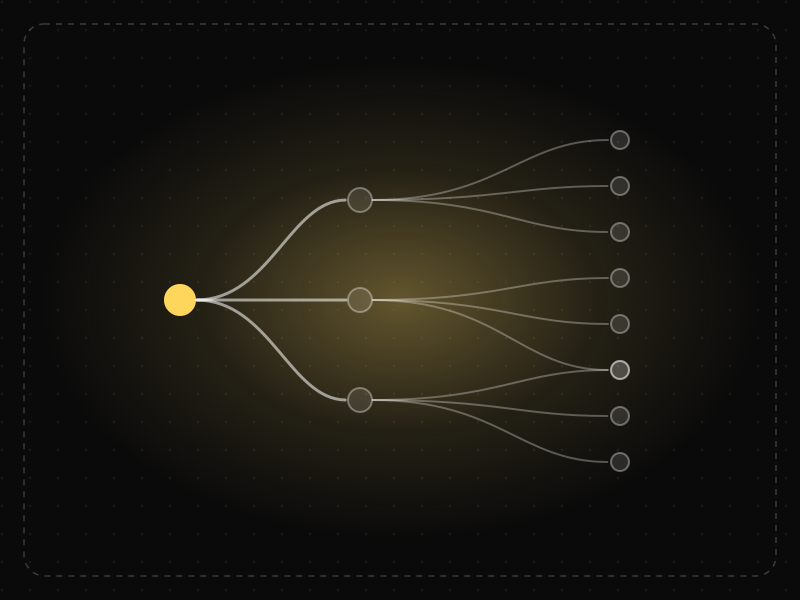
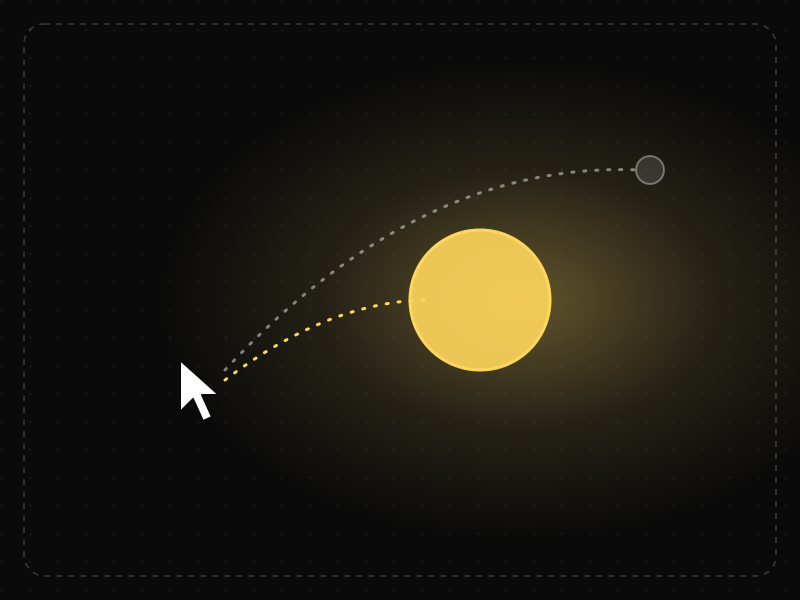
Hick's Law and Fitts's Law both predict time, but for different steps. Hick's Law says decision time grows with the number and complexity of choices. Fitts's Law says the time to reach a target grows with its distance and shrinks with its size. Hick's Law is about choosing; Fitts's Law is about pointing.
Side by side
| Hick's Law | Fitts's Law | |
|---|---|---|
| What it predicts | Time to decide which option to pick | Time to move to and hit a target |
| Driven by | Number and complexity of choices | Distance to the target and its size |
| Shape of the effect | Grows with the log of the number of choices | Grows with the log of distance divided by width |
| Origin | William Hick (1952) and Ray Hyman (1953) | Paul Fitts (1954) |
| Typical fix | Fewer, clearer options; a recommended default | Bigger, closer targets in easy reach |
| App example | Cutting a 12-item menu to 5 categories | A full-width checkout button in the thumb zone |
When to use which
Hick's Law: Reach for Hick's Law when users hesitate before acting: crowded menus, long settings lists, too many plans or onboarding questions.
Fitts's Law: Reach for Fitts's Law when users know what they want but mis-tap or take too long to hit it: tiny icons, buttons far from the thumb, cramped toolbars.
Together: Most actions involve both: first the user decides (Hick), then reaches the control (Fitts). A good primary action is one clear choice among few options, placed large and close to where the thumb or cursor already is.
Read each law
Frequently asked questions
Is Hick's Law the same as Fitts's Law?
No. Hick's Law predicts decision time from the number of choices; Fitts's Law predicts movement time from a target's distance and size.
Which matters more on mobile?
Both, but Fitts's Law is especially visible on phones, where thumbs are imprecise and screens are tall; Hick's Law matters most in menus, onboarding and pricing.
Can one design change satisfy both laws?
Yes. Reducing a screen to one clear primary action and making that button large and easy to reach shortens both the decision and the movement.
More comparisons
See how these laws play out in your app.
Our behavioural UX audits test products against Hick's Law, Fitts's Law and the other principles that shape how users decide and act.