Jakob's Law vs Mental Model
Jakob's Law and mental models are closely linked. A mental model is a person's internal picture of how a system works. Jakob's Law explains where much of that picture comes from: users spend most of their time on other sites and apps, so they expect yours to work the same way. Mental models are the expectation; Jakob's Law is a major source of it.
Side by side
| Jakob's Law | Mental Model | |
|---|---|---|
| What it is | A design principle about following conventions | A user's internal understanding of how something works |
| Core idea | Users expect your product to work like others they know | Users predict behaviour from their own model; mismatches cause errors |
| Origin | Jakob Nielsen (2000) | Kenneth Craik (1943); popularised in design by Don Norman |
| Comes from | Repeated use of other products | Other products, the real world and what your interface teaches |
| Typical fix | Use established patterns for common tasks | Research users' models; match them or teach new ones clearly |
| App example | Cart icon top right, logo links home | Users assuming deleting a file on one device won't delete it everywhere |
When to use which
Jakob's Law: Apply Jakob's Law to standard tasks — navigation, search, forms, checkout, settings — where familiar patterns let users act without thinking.
Mental Model: Think in mental models when your product introduces something new or behaves in ways users can't see, such as sync, permissions or pricing logic.
Together: Follow conventions where users already have a model (Jakob's Law), and invest in clear feedback and onboarding where your product needs them to build a new one.
Read each law
 Interaction & speed
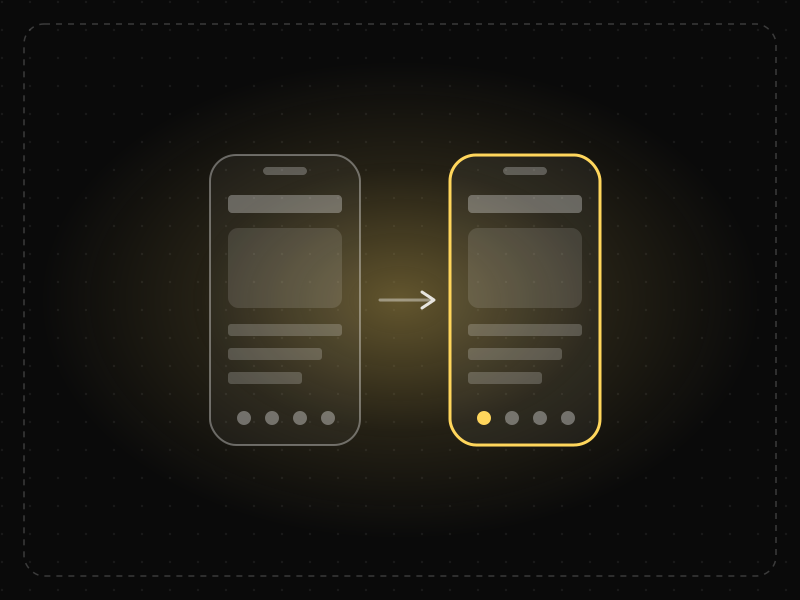
Jakob's Law
Users spend most of their time in other products, so they expect yours to work the same way as the apps and sites they already know.
 Memory & attention
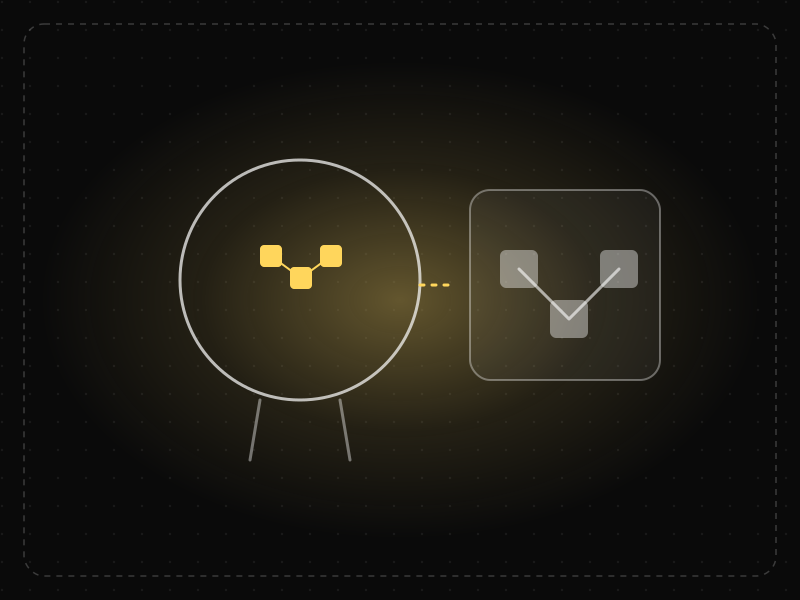
Mental Model
A mental model is a person's internal picture of how a system works; interfaces feel intuitive when they match it and confusing when they don't.
Frequently asked questions
Does Jakob's Law mean every app should look the same?
No. It means interaction patterns should feel familiar; branding, content and visual style can still be distinctive.
How do you research mental models?
Interviews, card sorting, tree testing and asking users to predict what will happen before they act during usability tests.
What happens when a redesign breaks conventions?
Users' existing models stop working, so errors and support requests rise until they learn the new behaviour — which is why gradual rollouts help.
More comparisons
See how these laws play out in your app.
Our behavioural UX audits test products against Jakob's Law, Mental Model and the other principles that shape how users decide and act.