 By
Quick answer: how much does an app cost in India in 2027?
- Simple MVP or utility app — ₹3–8 lakh, 6–10 weeks.
- E-commerce or D2C store app — ₹8–25 lakh, 10–16 weeks.
- On-demand or delivery app — ₹25–80 lakh, 16–28 weeks.
- Fintech app — ₹30 lakh–₹1.5 crore, 20–40 weeks.
- Healthtech or telemedicine app — ₹20–70 lakh, 16–30 weeks.
- Edtech or learning app — ₹15–50 lakh, 14–26 weeks.
- Social, community or chat app — ₹20–60 lakh, 16–28 weeks.
- AI-powered app — ₹12–60 lakh, 10–24 weeks.
Science of Apps estimates for a first version built by an Indian team — research, design, development, testing and launch — before 18% GST. Add 15–25% of the build cost every year to keep it running.
Key takeaways
- App type sets the range; scope sets where you land in it. A delivery app is three products, a fintech app is a compliance project with screens.
- Development is only about half the bill. Research, design, testing, project management and launch make up the rest — and cheap quotes usually leave them out.
- Building once for Android and iOS with Flutter or React Native typically costs 25–40% less than two native apps.
- The build is a down payment. Hosting, maintenance, store fees and per-use services cost 15–25% of the build every year, and AI features add a cost to every request.
- The most expensive app is the one nobody wants. A few weeks of user research before the build is the cheapest insurance in the budget.
Cost by app type at a glance
- Simple MVP₹3–8 lakh
- E-commerce₹8–25 lakh
- On-demand₹25–80 lakh
- Fintech₹30 lakh–₹1.5 crore
- Healthtech₹20–70 lakh
- Edtech₹15–50 lakh
- Social & chat₹20–60 lakh
- AI-powered₹12–60 lakh
| App type | Typical cost | Timeline | Examples |
|---|---|---|---|
| Simple MVP or utility app | ₹3–8 lakh | 6–10 weeks | A booking form, a habit tracker, a catalogue or a single-flow tool |
| E-commerce or D2C store app | ₹8–25 lakh | 10–16 weeks | A D2C brand app, a grocery store app, a marketplace for a single seller |
| On-demand or delivery app | ₹25–80 lakh | 16–28 weeks | Food or grocery delivery, cabs, home services, quick commerce |
| Fintech app | ₹30 lakh–₹1.5 crore | 20–40 weeks | Payments and UPI, lending, investing, insurance, expense management |
| Healthtech or telemedicine app | ₹20–70 lakh | 16–30 weeks | Doctor consultations, diagnostics booking, fitness and wellness, pharmacy |
| Edtech or learning app | ₹15–50 lakh | 14–26 weeks | Courses and test prep, live classes, language learning, school apps |
| Social, community or chat app | ₹20–60 lakh | 16–28 weeks | Community apps, creator platforms, dating, messaging |
| AI-powered app | ₹12–60 lakh | 10–24 weeks | AI assistants, document and image tools, AI features inside an existing app |
How to read these numbers. They are ranges for a sensible first version built by a mid-size Indian agency or an experienced freelance team, using one cross-platform codebase, with custom design. Freelancers can come in lower, premium studios higher. ₹1 lakh is ₹1,00,000 and ₹1 crore is ₹100 lakh.
Estimate your app
Pick what you are building and how. The range updates as you go — it uses the same assumptions as this guide.
- Simple MVPbase range
- ₹3–8 lakh
- Both, cross-platformPlatforms
- ×1.00
- Custom designDesign
- ×1.00
- Mid-size agencyTeam
- ×1.00
- + GST 18%
- ₹0.5–1.5 lakh
- With GST
- ₹3.5–9.5 lakh
Plus store fees, hosting and per-use services. A rough range from our 2027 estimates — your scope, integrations and team decide the real number.
What actually drives the price
Two apps with the same number of screens can differ in cost by ten times. The price follows complexity, not size. These seven factors explain almost every gap between quotes:
Users and roles
Each role — customer, partner, admin, doctor — is close to a separate product, with its own flows and permissions.
Features and logic
Search, recommendations, scheduling, dispatch and pricing rules cost far more than screens that only show data.
Real-time
Live tracking, chat and instant updates need sockets, queues and extra testing under load.
Integrations
UPI and payment gateways, KYC, maps, SMS, ERPs and AI models each bring set-up work, edge cases and running fees.
Platforms
One platform, one cross-platform codebase or two native apps — the single biggest multiplier you control.
Design depth
A UI kit is cheap. Custom flows, tested with real users, cost more and usually save a redesign later.
Security & compliance
Fintech and health apps carry KYC, encryption, audits and data-protection work that other categories do not.
The breakdown by app type
Here is what each type of app costs, what that budget usually covers, what pushes it up, and the mistake we see most often in each category.
Simple MVP or utility app
A booking form, a habit tracker, a catalogue or a single-flow tool
₹3–8 lakh6–10 weeks
A simple MVP or utility app in India costs about ₹3–8 lakh and takes 6–10 weeks, built cross-platform with 5–10 screens, login and a light backend.
What the budget covers
- 5–10 screens on one cross-platform codebase
- Phone OTP or Google login
- A light backend or Firebase
- Basic analytics and push notifications
What moves the price
Every extra user role, integration or offline mode moves it towards the top of the range.
Watch out
Teams cut research to save money here, then pay for a second version when the first one solves the wrong problem.
E-commerce or D2C store app
A D2C brand app, a grocery store app, a marketplace for a single seller
₹8–25 lakh10–16 weeks
An e-commerce or D2C app in India costs about ₹8–25 lakh, depending on whether it sits on an existing platform such as Shopify or needs its own catalogue, cart, payments and order system.
What the budget covers
- Catalogue, search and filters
- Cart, UPI and card checkout through a payment gateway
- Order tracking and returns
- Admin panel for products, offers and orders
What moves the price
A headless build on an existing store sits at the low end; a custom catalogue, inventory and multi-seller logic sits at the top.
Watch out
Checkout is where the money is lost. Budget design time for it — most drop-off happens between cart and payment.
On-demand or delivery app
Food or grocery delivery, cabs, home services, quick commerce
₹25–80 lakh16–28 weeks
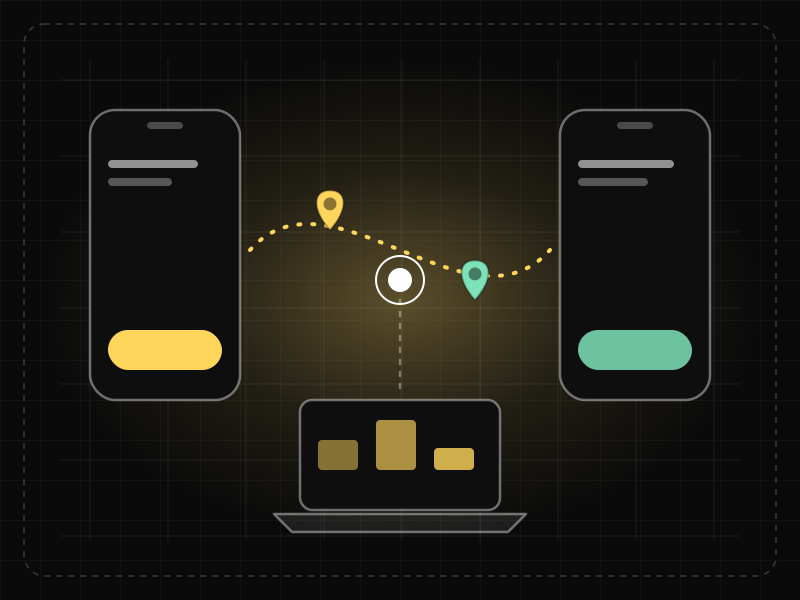
An on-demand or delivery app in India costs about ₹25–80 lakh because it is really three products — a customer app, a partner app and an operations dashboard — joined by real-time location and dispatch.
What the budget covers
- Customer app, partner or driver app and admin dashboard
- Live maps, location tracking and ETAs
- Dispatch or matching logic
- Payments, payouts, ratings and support
What moves the price
Real-time tracking, dispatch rules and payouts to partners are what push the cost up — not the number of screens.
Watch out
Maps and SMS bills scale with every order. Model running costs per order before you launch, not after.
Fintech app
Payments and UPI, lending, investing, insurance, expense management
₹30 lakh–₹1.5 crore20–40 weeks
A fintech app in India costs about ₹30 lakh to ₹1.5 crore because security, KYC, regulatory compliance and audits often cost as much as the features themselves.
What the budget covers
- KYC and onboarding (Aadhaar, PAN, video KYC through a provider)
- UPI, bank and payment-partner integrations
- Encryption, fraud checks and audit logs
- Security testing before launch
What moves the price
Which licence you operate under (or which partner's) decides the compliance scope, and compliance decides the budget.
Watch out
Trust is the product. Fintech onboarding asks for more personal data than any other category, so every unexplained step loses users.
Healthtech or telemedicine app
Doctor consultations, diagnostics booking, fitness and wellness, pharmacy
₹20–70 lakh16–30 weeks
A healthtech or telemedicine app in India costs about ₹20–70 lakh, driven by video consultations, patient records, prescriptions and the care needed around sensitive health data.
What the budget covers
- Doctor and patient apps or roles
- Booking, video consults and e-prescriptions
- Health records and reports
- Consent and data-protection controls
What moves the price
Video, integrations with labs or pharmacies, and ABDM (Ayushman Bharat Digital Mission) linking add scope.
Watch out
Health data is personal data under the DPDP Act. Design consent and deletion into the first version, not a later sprint.

Edtech or learning app
Courses and test prep, live classes, language learning, school apps
₹15–50 lakh14–26 weeks
An edtech or learning app in India costs about ₹15–50 lakh, with video streaming, live classes, quizzes and progress tracking as the main cost drivers.
What the budget covers
- Course catalogue and secure video playback
- Live classes or recorded lessons
- Quizzes, streaks and progress tracking
- Subscriptions and regional-language content
What moves the price
Live classes, DRM-protected video and adaptive practice cost far more than a library of recorded lessons.
Watch out
Learning apps live or die on day-7 retention. Spend on the habit loop before you spend on more content.
AI-powered app
AI assistants, document and image tools, AI features inside an existing app
₹12–60 lakh10–24 weeks
An AI-powered app in India costs about ₹12–60 lakh to build, plus a running cost for every AI request — the one line item that grows with each active user.
What the budget covers
- A model API or hosted model behind your own backend
- Prompting, retrieval over your data and guardrails
- Usage limits, logging and evaluation
- Clear UI for slow, uncertain or wrong answers
What moves the price
Retrieval over your own data, evaluation and safety work cost more than the first demo suggests.
Watch out
Price the AI cost per active user before you set your plan prices. A feature people love can still lose money on every use.
Where the money goes
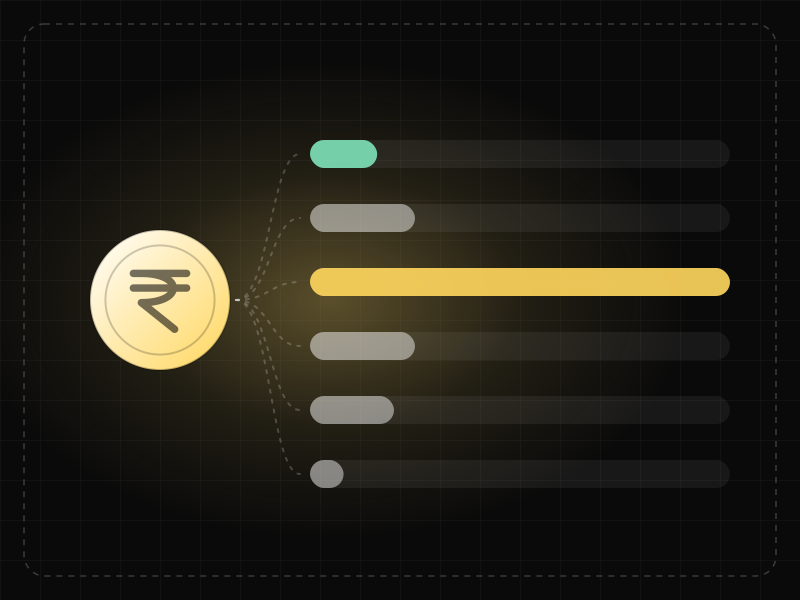
A typical build budget splits roughly like this. When a quote is far below the others, check which of these lines is missing.
Discovery & UX research
5–10%User interviews, competitor review, scope and the riskiest assumptions
UX & UI design
10–15%Flows, wireframes, visual design, prototype and usability tests
Development
45–55%App, backend, admin panel and integrations
Quality assurance
10–15%Manual and automated tests across Android devices and iPhones
Project management
8–12%Planning, sprints, reviews and communication
Launch
3–5%Store listings, release builds, analytics and crash reporting
Freelancer, agency or in-house?
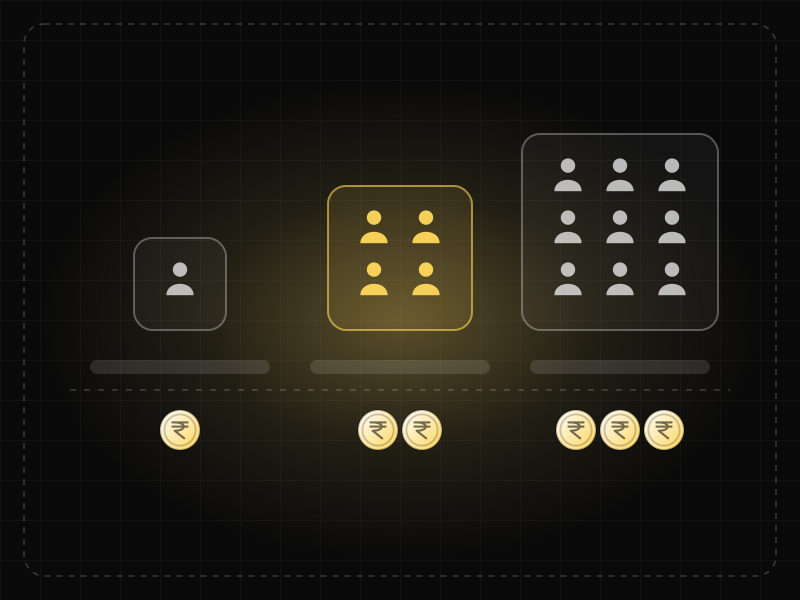
Who builds the app changes the price more than where they are. Clutch puts the typical app development company at $25–49 an hour, and Indian teams list across every band, from under $25 to premium studios. The rupee figures below are rough conversions.
| Team | Rate | In rupees | Best for | Main risk |
|---|---|---|---|---|
| Freelancer | $10–30 / hr | ~₹850–2,500 / hr | A prototype or a small, well-specified app | One person covers design, code and QA; continuity if they leave |
| Small agency (5–20) | under $25 / hr | up to ~₹2,100 / hr | MVPs and first versions with a clear scope | Thin research and design; check who actually works on your app |
| Mid-size agency | $25–49 / hr | ~₹2,100–4,100 / hr | Most funded startups and SMEs | Junior-heavy teams behind senior sales calls |
| Premium studio | $50–99 / hr | ~₹4,200–8,300 / hr | Fintech, health and complex products | You pay for process; make sure you use it |
| In-house team | Salaries + ~30% overhead | ~₹80,000–2 lakh / month per developer | Products that will keep shipping for years | Hiring takes months; you carry the cost between projects |
A cheaper hourly rate does not always mean a cheaper app. A slower or less experienced team can bill more hours for the same scope, and a weak first version costs a rewrite. Judge teams on apps they have shipped in your category and on who will actually work on yours.
Native vs cross-platform
In India, Android has most of the users and iPhone owners often spend more, so most products need both. You can build them three ways:
- One platform first — about 25% less than both. Sensible when your users are clearly on one side, which in India usually means Android.
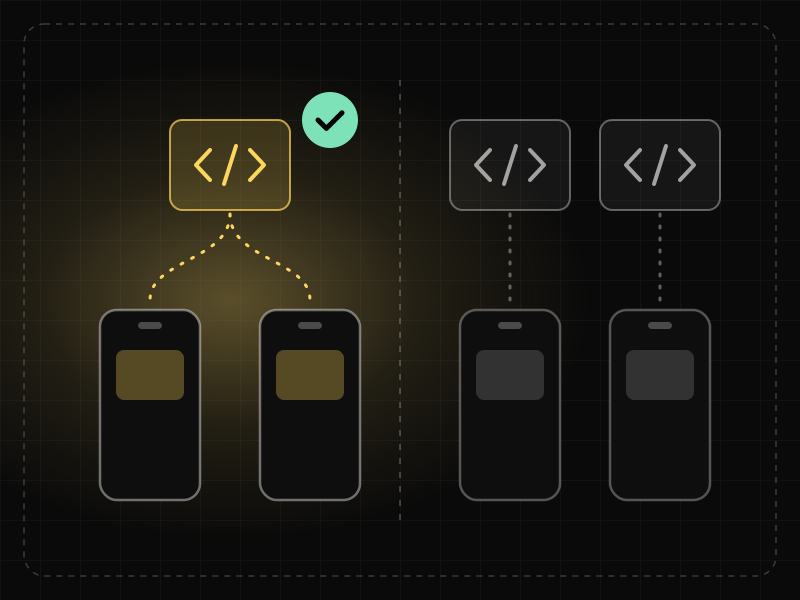
- Cross-platform (Flutter or React Native) — one codebase for both, typically 25–40% cheaper than two native apps and the default for most startups today.
- Two native apps (Kotlin and Swift) — about 1.5 times the cost of cross-platform. Worth it for heavy graphics, advanced camera, AR or deep hardware access, or when you already have native teams.
For a first version, cross-platform is almost always the right trade. You can still write native modules for the few screens that need them.
Hidden and running costs
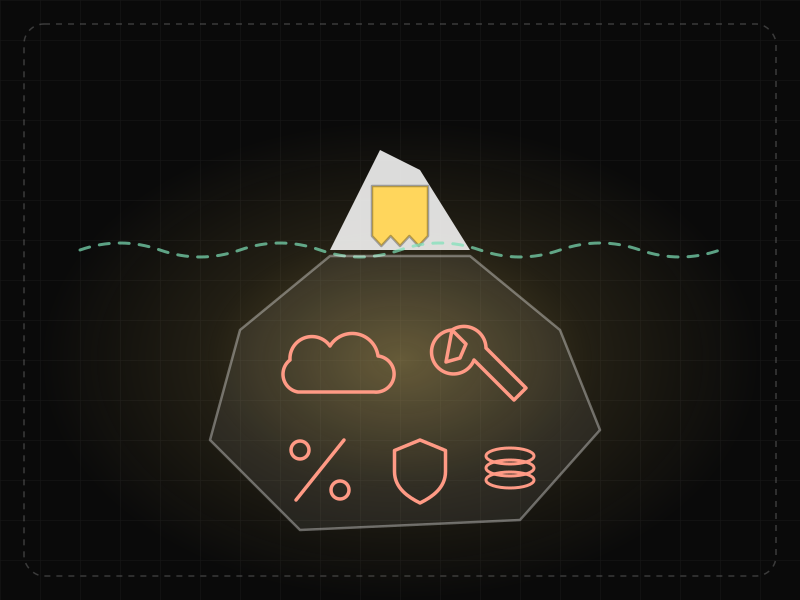
These rarely appear in a build quote, but you pay them from launch day — and many grow with every user.
| Cost | How much | Note |
|---|---|---|
| Apple Developer Program | US$99 a year | Required to publish on the App Store |
| Google Play developer account | US$25 once | One-time registration |
| Store commission on digital sales | 15–30% | 15% under Apple's Small Business Program and on Google Play's first US$1M a year |
| Cloud hosting & database | ₹5,000–2 lakh a month | Grows with users, media and AI usage |
| Maintenance & updates | 15–25% of build a year | OS updates, bug fixes, security patches, small features |
| GST | 18% | On the invoice from an Indian agency or freelancer |
| Third-party services | Per use | SMS OTP, maps, payment gateway fees, email, video, AI models |
| Data protection (DPDP) | Varies | Consent, notices, deletion and breach processes under the DPDP Act and Rules |
Rule of thumb: budget 15–25% of the build cost every year to keep an app healthy.
— Operating systems, devices, libraries and security threats change every year, whether or not you ship new features.
What changes in 2027
Four shifts are changing app budgets in India this year:
- AI-assisted coding lowers some build costs. In our experience, teams that use AI coding tools well write routine code faster. Research, design decisions, testing and integrations do not shrink as much, so expect savings at the margin rather than half-price apps.
- AI features add a running cost. Every request to a model costs money. Price AI usage per active user before you set your plans.
- Data protection becomes mandatory practice. The Digital Personal Data Protection Rules were notified in November 2025 with an 18-month phased timeline, which brings most obligations into force during 2027. Consent screens, privacy notices, deletion and breach response need to be designed in.
- Bharat-first by default. UPI checkout, phone-number login, regional languages and apps that work on low-cost phones and patchy networks are now baseline expectations, not extras — budget design and testing time for them.
How to spend less without building worse
CB Insights lists a lack of market need among the top reasons startups fail. The biggest saving in any app budget is not a lower hourly rate — it is not building the wrong thing.
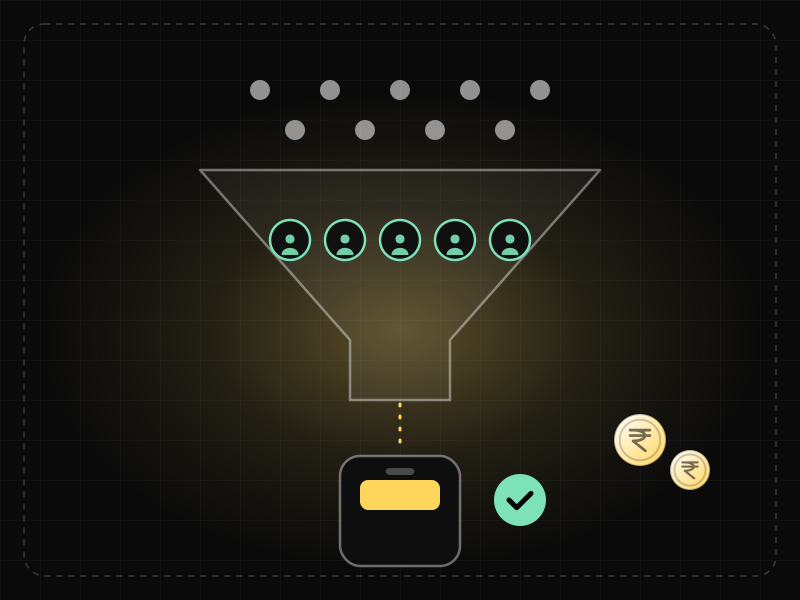
- Talk to users before you write a line of code. Five to ten interviews show which problem is worth solving and which features nobody will use.
- Cut the first version to one job. Pick the single thing users hire your app for and build only what that needs. Everything else goes on a list for version two.
- Test a prototype, not a product. Nielsen Norman Group found that testing with five users uncovers most usability problems. A fix in a clickable prototype takes hours; the same fix after launch takes sprints.
- Build cross-platform. One codebase for Android and iOS unless you have a clear reason not to.
- Buy, don't build, the commodity parts. Use proven services for login, payments, chat, video and analytics. Custom code is for what makes you different.
- Instrument from day one. Analytics and crash reporting in version one tell you where users drop off, so the next rupee goes to the right fix.
How to compare quotes
Ask every team to price the same written scope, then check each quote for these:
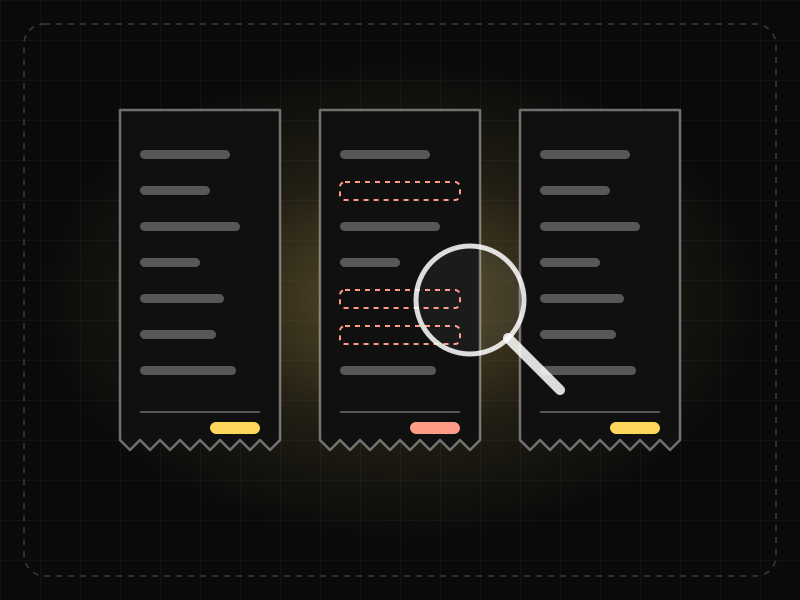
- Are research, UX design, QA, an admin panel and store launch included, or only the app screens?
- Which devices and OS versions will they test on — including low-cost Android phones?
- Who owns the source code, designs and accounts at the end?
- What does support cost after launch, and how fast do they respond to a crash?
- Is the price fixed for a fixed scope, or time and materials? How are changes priced?
- Is 18% GST included or extra?
If two quotes differ by a factor of three, they are almost never pricing the same product. Find the missing lines before you compare the totals.
How we estimated these numbers
The ranges are Science of Apps editorial estimates for a first version built in 2027, not quotes. For each app type we listed the features a sensible first version needs, sized the work for research, design, development, testing, project management and launch, and priced it at the hourly bands Indian teams publish on Clutch and freelance marketplaces. We then checked the totals against the range of quotes founders typically receive for that kind of app.
Store fees and commissions come from Apple, Apple's Small Business Program and Google Play; the data-protection timeline from the Government of India. Figures are in Indian rupees, before 18% GST, with ₹1 lakh = ₹1,00,000 and ₹1 crore = ₹100 lakh. US-dollar rates are converted at roughly ₹84–88 to the dollar.
Last reviewed October 23, 2026. We review the ranges every six months and whenever store fees or the data-protection rules change.
Key terms, defined
MVP (minimum viable product) — the smallest version of an app that delivers its core value to real users, built to learn what to make next. Cross-platform — one codebase, usually Flutter or React Native, that runs on Android and iOS. Native — separate apps written in each platform's own language, Kotlin for Android and Swift for iOS.
Admin panel — the web dashboard your team uses to manage users, content, orders and payouts. Time and materials — billing by hours actually worked, as opposed to a fixed price for a fixed scope.
Frequently asked questions
How much does it cost to build an app in India in 2027?
Most first versions cost between ₹3 lakh and ₹80 lakh. A simple MVP is about ₹3–8 lakh, an e-commerce app ₹8–25 lakh, an edtech, healthtech or social app ₹15–70 lakh, an on-demand delivery app ₹25–80 lakh and a fintech app ₹30 lakh–₹1.5 crore. These are Science of Apps estimates before GST, not quotes.
How much does a simple app cost in India?
A simple app with 5–10 screens, login, a light backend and push notifications costs about ₹3–8 lakh and takes 6–10 weeks when built cross-platform by an Indian agency or an experienced freelance team.
Why do app development quotes in India vary so much?
Quotes differ because teams price different things: some include research, design, QA, an admin panel and launch, others only the app screens. Hourly rates also range from about $10 for freelancers to $99 or more for premium studios. Compare quotes against the same written scope, feature by feature.
Is Flutter or React Native cheaper than native development?
Usually, yes. One cross-platform codebase for Android and iOS typically costs 25–40% less than two native apps. Native still makes sense for heavy graphics, deep hardware access or when you only need one platform.
How much does it cost to maintain an app in India?
Plan for 15–25% of the original build cost every year for updates, bug fixes, OS changes and security patches, plus hosting, third-party services and store fees, which grow with your users.
How long does it take to build an app?
A simple MVP takes about 6–10 weeks, an e-commerce app 10–16 weeks, health, learning and social apps 14–30 weeks, and on-demand or fintech apps 16–40 weeks, including design, testing and launch.
What hidden costs should I budget for?
Apple's developer program (US$99 a year), Google Play registration (US$25 once), store commission of 15–30% on digital sales, cloud hosting, SMS, maps and payment-gateway fees, AI usage, 18% GST on Indian invoices, maintenance and data-protection compliance under the DPDP Act.
How can I reduce app development cost without hurting quality?
Test the idea with users before building, cut the first version to the one job users hire it for, build cross-platform, use proven services for login, payments and chat instead of custom code, and fix usability problems in a prototype, where they cost hours instead of sprints.
Does the DPDP Act affect the cost of building an app?
Yes, a little at build time and more over time. The Digital Personal Data Protection Rules were notified in November 2025 with an 18-month phased timeline, so apps that collect personal data need consent, notices, data deletion and breach-response processes designed in.
How did Science of Apps estimate these app development costs?
They are editorial estimates for a first version built in 2027: the features each app type needs, sized across research, design, development, testing, project management and launch, priced at the hourly bands Indian teams publish on Clutch and freelance marketplaces, and checked against typical quotes. They are before 18% GST and are reviewed every six months.
Sources
- Clutch — Mobile app development pricing guide
- Apple Developer — Membership details and pricing
- Apple Developer — App Store Small Business Program
- Google Play Console Help — Changes to Google Play's service fee
- Press Information Bureau — Government notifies DPDP Rules (2025)
- Nielsen Norman Group — Why you only need to test with 5 users
- CB Insights — Why startups fail: top reasons
- Cost ranges, timelines, budget splits and estimator multipliers are Science of Apps editorial estimates for 2027, not quotes. Fees and rates checked October 23, 2026; they change, so confirm with each provider.
Where to go from here
- Mobile app UX audit — find out why users drop off before you spend on more features.
- Hick's law and the other Laws of UX behind a first version users understand.
- App developmentApp maintenance cost: the hidden 20% nobody warns you aboutPlan 15–25% of your build cost every year to maintain an app — OS updates, store rules, bugs, security, servers. What it covers, what drives it, how to cut it.
- App developmentCost to build a food delivery app like Zomato or SwiggyA Zomato or Swiggy-like app costs ₹35–90 lakh to launch in one city and ₹1–2.5 crore to scale. The four apps, features, timeline and running costs.
- App developmentHow much does it cost to build an app like Instagram?An Instagram-like photo app costs ₹20–60 lakh in India; with Reels, Stories and DMs, ₹70 lakh–₹1.5 crore. The full feature and running-cost math.
- App developmentHow much does it cost to build an app like Uber? We did the mathAn app like Uber costs ₹30–80 lakh to launch in one Indian city and ₹1–2 crore at full scale. Here's the feature-by-feature math, running costs and shortcuts.
- App developmentMVP development cost for startups: how lean is too lean?An MVP costs ₹0–3 lakh as a no-code or manual test and ₹3–15 lakh as a real app in India. What to include, what to cut, and when it's too lean.
- App developmentAI app development cost in 2027: what you'll actually payAn AI app costs ₹12–60 lakh to build in India, ₹5–20 lakh to add AI to an existing app — plus a cost on every request. The full build and per-user running math.






Get the ideas, not the noise.
Sign up with Google and we’ll send you short UX psychology tips by email — why people tap, stall and leave, and what to do about it. Unsubscribe anytime. Prefer something to keep? Get the free Laws of UX guide as a PDF.
Spend your budget on what users want.
We don't build apps — we find out why users hesitate, stall and leave, so the team that builds yours ships the right thing first. Fixed-price diagnosis from , in 2–4 weeks.
Social, community or chat app
Community apps, creator platforms, dating, messaging
₹20–60 lakh16–28 weeks
A social, community or chat app in India costs about ₹20–60 lakh, because feeds, real-time chat, media uploads and moderation all need to work at scale from launch day.
What the budget covers
What moves the price
Real-time chat and media processing are the expensive parts; moderation is the part teams forget.
Watch out
Social apps need other people to be useful. Budget for the empty-room problem — the first-session experience with no friends yet.