 By
Quick answer: What is the best Namecheap alternative?
- Domains, flat price: Porkbun, .com $11.81 a year to register and renew, privacy included.
- Domains, at cost: Cloudflare Registrar, no markup, 430+ extensions, free WHOIS redaction.
- Hosting, cheapest start: Hostinger $1.99 a month for 48 months (renews $10.99); IONOS from $1 a month for a year.
- Namecheap vs GoDaddy: Namecheap's pricing page blocked our checks; GoDaddy's US pages (Wayback Machine, 17–18 Nov 2026) show a $0.01 first-year .com with a 3-year purchase, then $22.99.
- No domain yet: a free Launchpad page with its own link, live in about five minutes.
Key takeaways
- Namecheap's own advantage is free Domain Privacy; Porkbun and Cloudflare match it.
- For domains, compare renewal prices; for hosting, compare the term you must prepay.
- Cloudflare's at-cost pricing is the floor; nobody sells a .com for less at renewal.
- Keeping the domain and the host separate makes every later move easier.
- A product page doesn't need a domain on day one.
"Namecheap alternative" is searched about 590 times a month (Google Keyword Planner, global 12-month average), usually by someone at renewal time, someone who wants their domain and hosting in different places, or someone who just wants their product online without a bill. Namecheap does two jobs, domains and hosting, so the best replacement depends on which one you're replacing. This guide ranks seven sites like Namecheap for each job and answers "Namecheap vs GoDaddy" honestly: both companies' pricing pages blocked our automated checks on 20 November 2026, so we only state what we could confirm. Jump to the comparison, Namecheap vs GoDaddy or which to choose.
7 Namecheap alternatives
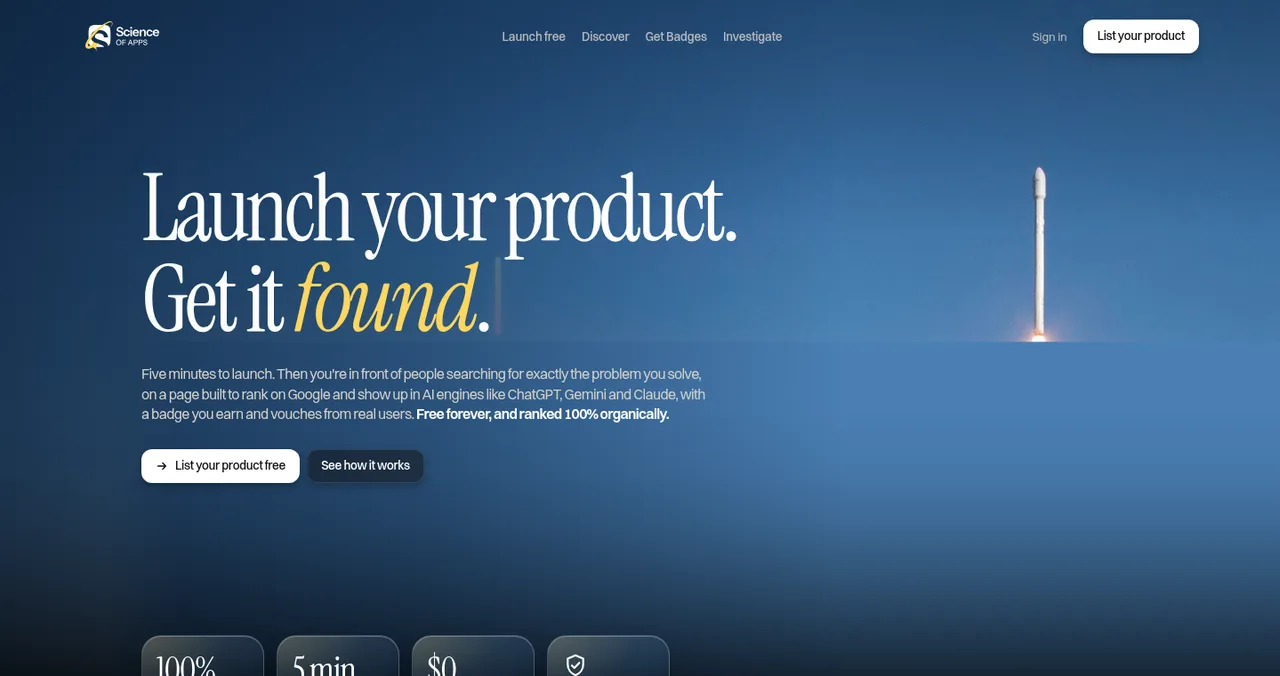 Get a free page
Science of Apps Launchpad Free first step
A free product page with its own link, before you buy a domain.
Free foreverNot a registrar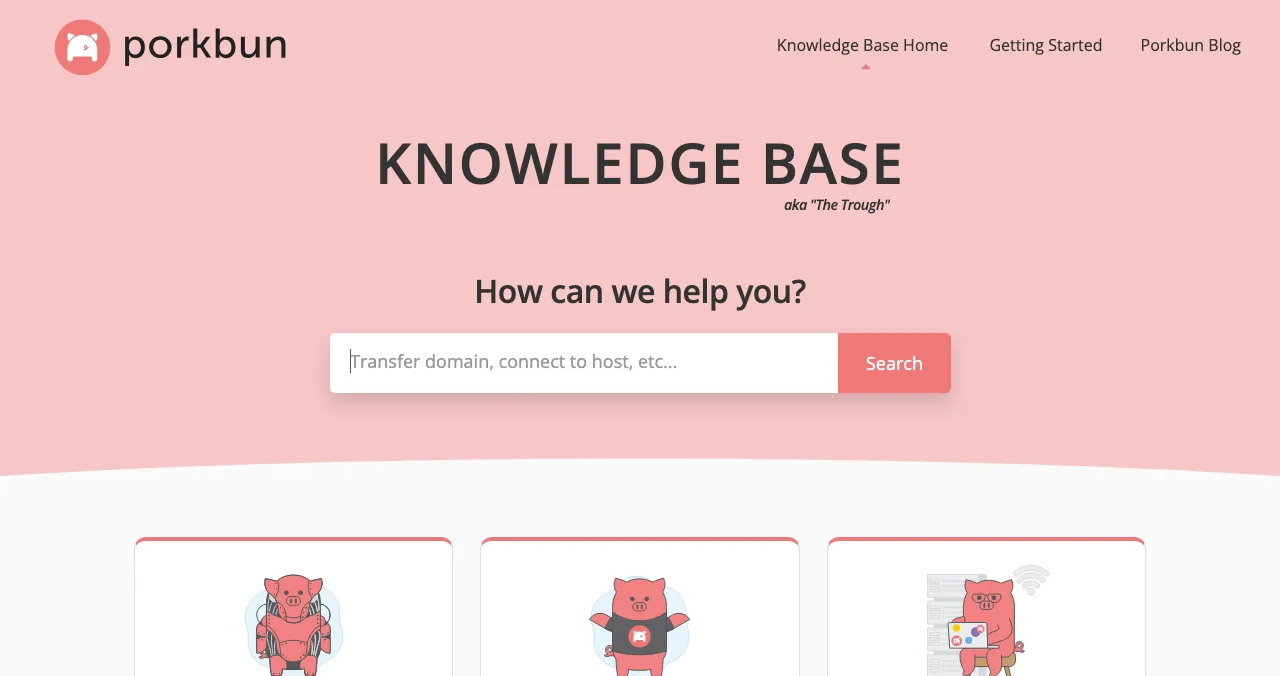
Porkbun
One flat .com price, privacy and SSL included.
.com $11.81/yrSame at renewal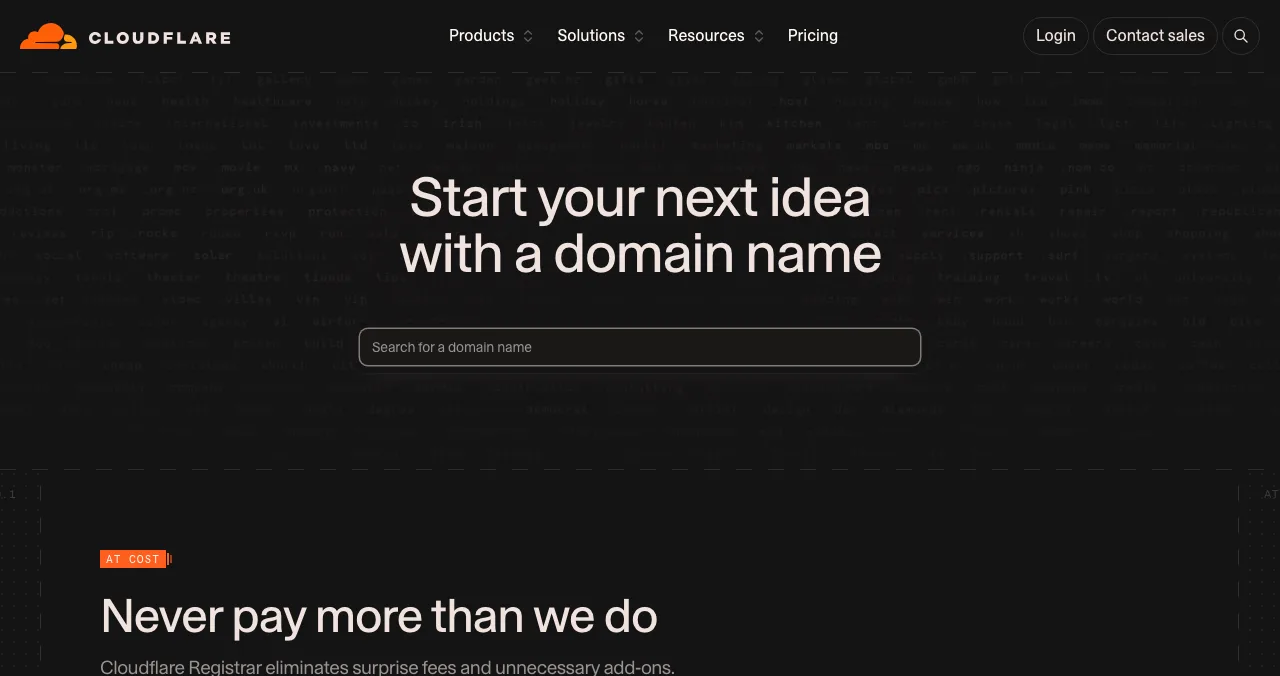
Cloudflare Registrar
Domains at what the registry charges.
At cost430+ TLDs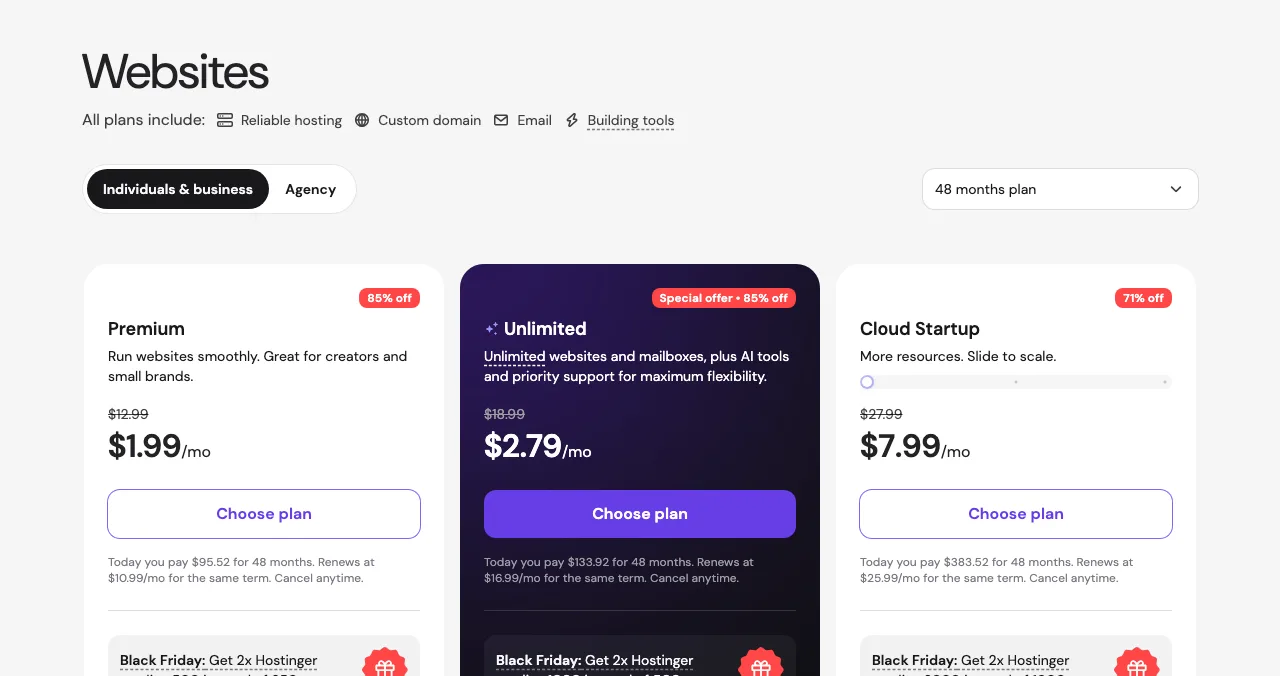
Hostinger
The cheapest hosting start, on a long term.
$1.99/mo for 48 moRenews $10.99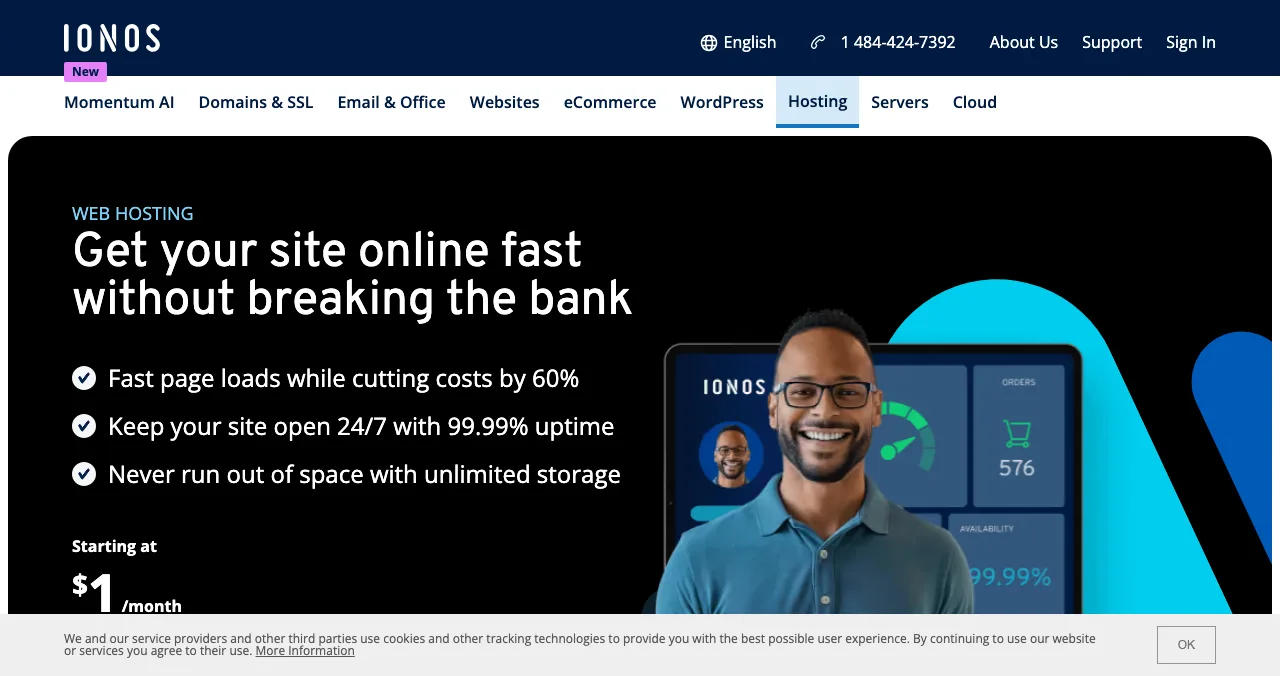
IONOS
Cheap first year without a four-year lock-in.
From $1/mo1-year term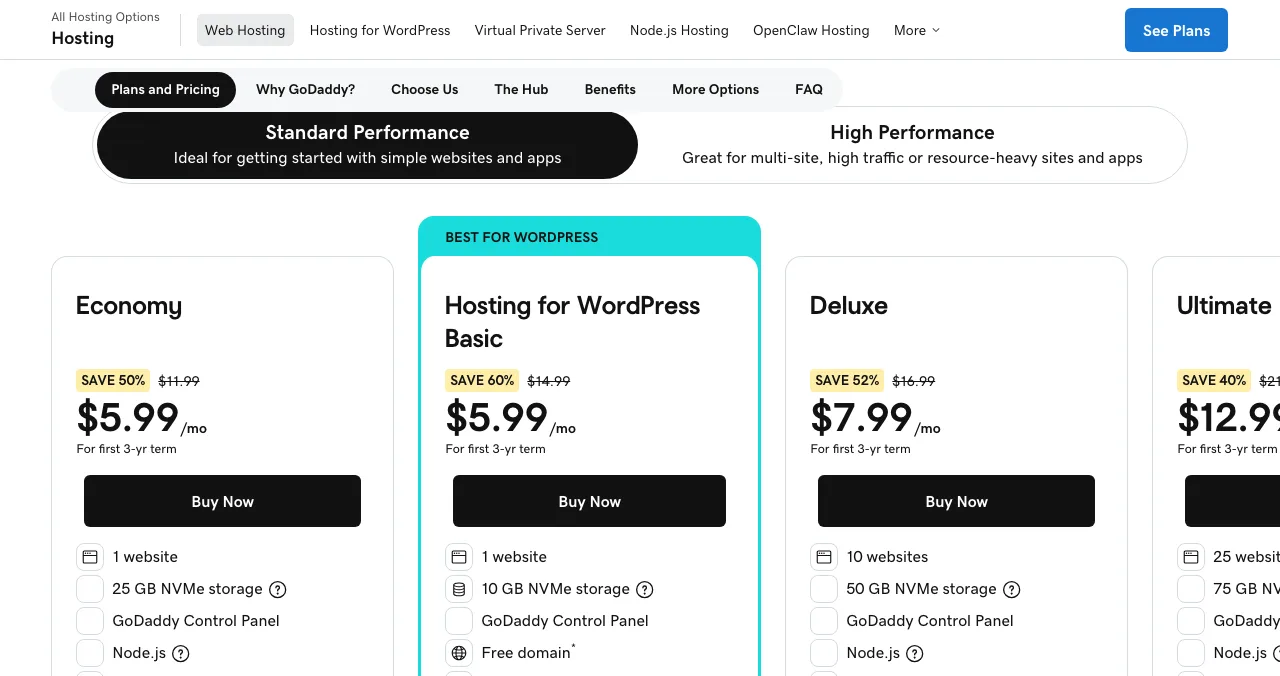
GoDaddy
The biggest one-stop shop, priced by country.
Hosting from $5.99/mo3-year terms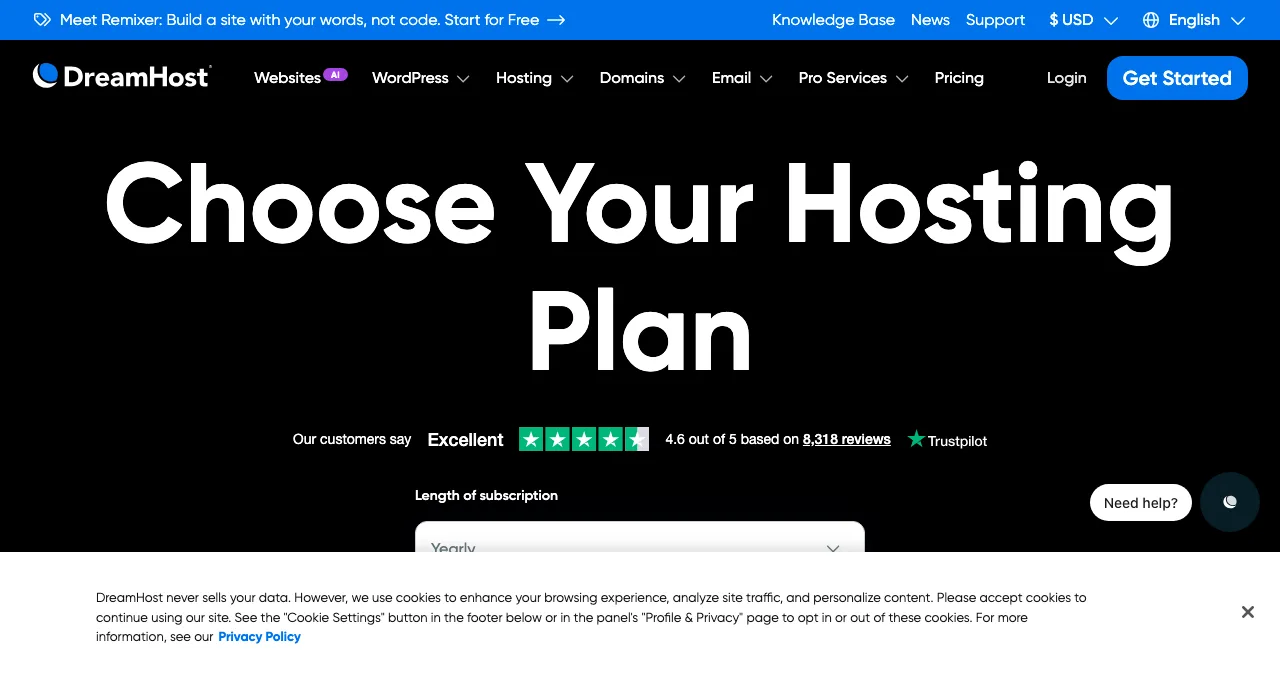
DreamHost
25 sites and a private free domain on its entry plan.
$2.89/mo year 1Renews $10.99
Namecheap alternatives compared
| Alternative | Replaces Namecheap's | Price (checked 20 Nov 2026) | Renewal | Privacy |
|---|---|---|---|---|
| Science of Apps Launchpad | First page for a product | Free | Free, forever | No domain involved |
| Porkbun | Domains | .com $11.81 a year | $11.81 a year | Free WHOIS privacy |
| Cloudflare Registrar | Domains | At cost, no markup | At cost | Free WHOIS redaction |
| Hostinger | Hosting and domains | Hosting $1.99/mo (48 months); .com $19.99 list | Hosting $10.99/mo; .com $19.99 | Free on supported extensions |
| IONOS | Hosting | Plus $1/mo, Essential $4/mo (1 year) | $14/mo, $8/mo | Not stated on the hosting page |
| GoDaddy | Domains and hosting | .com $0.01 year one (3-year purchase); hosting $5.99/mo (3-year term) | .com $22.99/yr; hosting renewal not stated | Free privacy (pricing page) |
| DreamHost | Hosting | $2.89/mo first year | $10.99/mo | Private registration on the free domain |
Table: Namecheap alternatives compared (each company's own page, USD, checked 20 Nov 2026; GoDaddy from US Wayback Machine snapshots of 17–18 Nov 2026)
What Namecheap does well, so you know what to replace
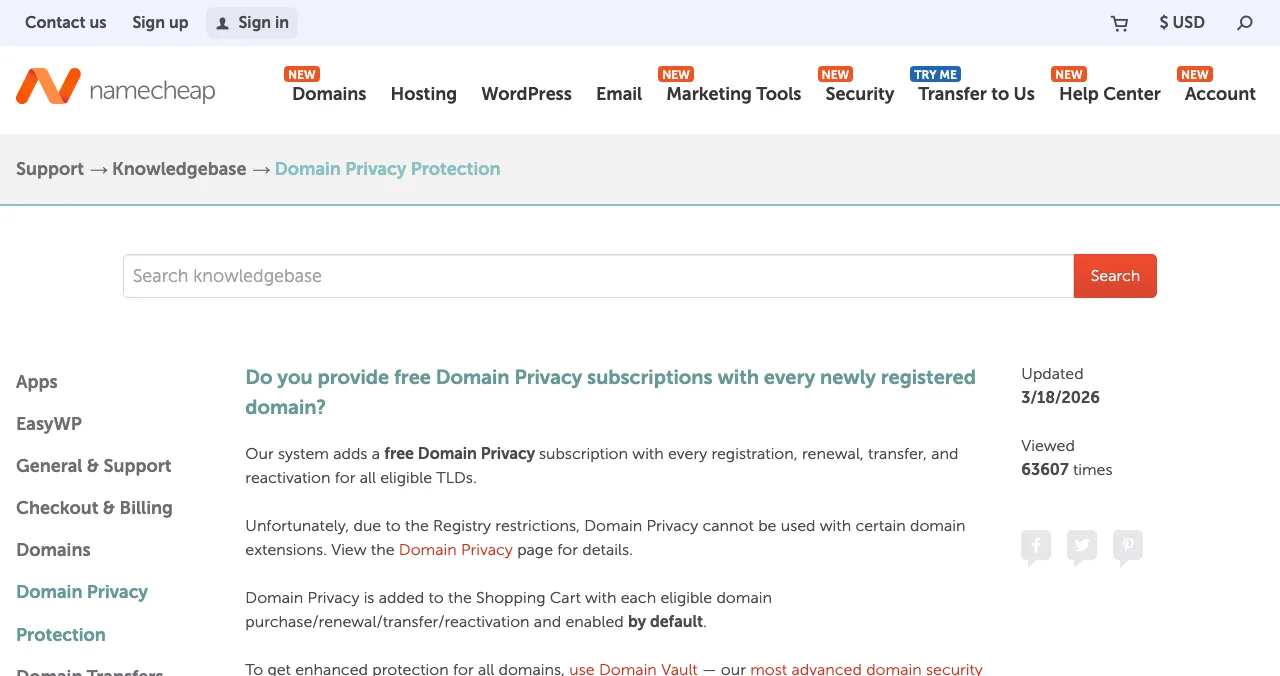
Namecheap's knowledge base (updated 18 March 2026) says it adds a free Domain Privacy subscription with every registration, renewal, transfer and reactivation for all eligible TLDs, enabled by default, though registry rules stop privacy on some extensions. Any Namecheap alternative you move a domain to should match that, and both Porkbun and Cloudflare do. We couldn't confirm Namecheap's current domain or hosting prices: its pricing pages blocked our automated checks.
1. Science of Apps Launchpad: a page before the domain
- Cost
- Free, forever
- Live in
- About five minutes, six steps
- Link
- launchpad.scienceofapps.com/…
- Ranking
- Relevance, editorial picks, community; never payment
- Not
- A domain registrar or host
Before you buy a domain, give the product a free public page with its own link. The Launchpad accepts startups, SaaS, mobile apps, AI products, developer tools, browser extensions, games and open-source projects, and the page stays live permanently.
- Cost: free to list, forever, with "0 paid placements"; an optional Premium listing is labelled as a spotlight and doesn't change organic ranking.
- Found by: the problem you solve, plus badges (Featured on going live, Verified, Community favourite, Editor's pick and more), vouches and followers.
- Checked: automated checks and human moderation; a free baseline diagnosis of your landing page, discoverability and speed runs as you go live.
Best for: a product that needs a link this week and a domain later.
2. Porkbun: the flat-price domain alternative
- .com
- $11.81 a year
- Renewal
- $11.81 a year
- Free
- WHOIS privacy, SSL, forwarding, DNS
- Email forwards
- Up to 20
- Catch
- Hosting priced separately
Porkbun is the closest like-for-like Namecheap alternative for domains. Its domains page listed .com at $11.81 a year for registration and renewal, including ICANN fees, on 20 November 2026.
- Included: WHOIS privacy, auto-renewing Let's Encrypt SSL for supported domains, permanent, temporary and masked URL forwarding, up to 20 email forwards and free DNS management.
- Catch: web hosting and link-in-bio pages are sold as separate products.
Best for: moving a domain to a predictable price. Porkbun vs Namecheap comes down to the renewal line for your extension.
3. Cloudflare Registrar: the at-cost floor
- Pricing
- At or below registry and ICANN cost
- Markup
- None
- Extensions
- 430+
- WHOIS
- Free redaction
- Catch
- Price shown only when you search
Cloudflare Registrar charges registration, transfer and renewal at cost, with no markup, so for most extensions it's the cheapest renewal you'll find. Cloudflare Registrar vs Namecheap is really "wholesale price, Cloudflare's dashboard" against "a retail registrar with hosting and email in one account".
- Included: free WHOIS redaction, and every domain works with Cloudflare's free DNS, CDN and SSL.
Best for: developer founders, and anyone whose site already runs through Cloudflare.
4. Hostinger: hosting and domains, cheapest start
- Premium
- $1.99/mo, 48 months ($95.52)
- Renews at
- $10.99/mo
- Includes
- 3 sites, 20 GB, free domain year 1
- .com
- $19.99 list, renews $19.99
- Refund
- 30 days
If you used Namecheap for hosting as well as domains, Hostinger is the cheapest start. Premium was $1.99 a month for 48 months, paid upfront, renewing at $10.99; Unlimited $2.79 (renews $16.99). Its domain search listed .com at $19.99 a year with first-year promotions for new customers, and says privacy protection is included free for supported extensions.
Best for: a WordPress or small business site when a four-year prepay suits you. More options in Hostinger alternatives.
5. IONOS: a cheap first year, one-year term
- Plus
- $1/mo, renews $14
- Essential
- $4/mo, renews $8
- Storage
- 100–500 GB NVMe
- Included
- Free domain year 1, 30-day refund
- Catch
- Renewal multiplies on the $1 plan
IONOS offers its deals on a one-year term. On 20 November 2026, Plus was $1 a month for the first year (then $14), Essential $4 (then $8), Starter $6 (then $10) and Ultimate $10 (then $18), each with a free domain for the first year from a set list of extensions, a 30-day money-back guarantee and unlimited traffic.
Best for: a cheap first year without committing to four.
6. GoDaddy: the one-stop shop
- Sells
- Domains, hosting, builder, email
- Hosting
- $5.99–$12.99/mo, first 3-year term
- .com
- $0.01 year one with a 3-year purchase, then $22.99/yr
- Limits
- 1–25 sites, 25–75 GB NVMe
- Catch
- Intro prices need a 3-year purchase
GoDaddy is the obvious alternative for people who want everything from one large company. Its US hosting page, as archived by the Wayback Machine on 18 November 2026, priced Economy at $5.99 a month for the first three-year term (struck-through $11.99), Deluxe at $7.99 and Ultimate at $12.99 (struck-through $21.99), with 1 to 25 websites, 25 to 75 GB NVMe storage and the GoDaddy Control Panel. Its US .com page (archived 17 November) priced a .com at $0.01 for the first year with a 3-year purchase required, then $22.99 a year.
Best for: buyers who value one familiar vendor over the lowest price. See GoDaddy alternatives for the reverse move.
7. DreamHost: many sites, private free domain
- Launch
- $2.89/mo first year
- Renews at
- $10.99/mo
- Limits
- 25 sites, 25 GB, about 40k visits a month
- Domain
- Free year 1 with private registration
- Catch
- Refund terms not on the plan page
DreamHost's Web Hosting Launch plan was $2.89 a month for the first year, renewing at $10.99, with 25 websites, 25 GB NVMe storage, unmetered bandwidth and a free first-year domain with private registration on annual and multi-year terms.
Best for: several small sites on one plan.
Namecheap vs GoDaddy: what we could confirm
| Namecheap | GoDaddy | |
|---|---|---|
| Domain privacy | Free with every registration and renewal, eligible TLDs (knowledge base) | "Free privacy forever" (US pricing page) |
| .com price | Couldn't confirm (page blocked checks) | $0.01 year one with a 3-year purchase, then $22.99 a year |
| Hosting prices | Couldn't confirm (page blocked checks) | $5.99–$12.99/mo for the first 3-year term |
| Control panel | Couldn't confirm | GoDaddy Control Panel on the plans shown |
| Our check | Knowledge base readable; pricing blocked | US pages read from Wayback Machine snapshots (17–18 Nov 2026) |
Table: Namecheap vs GoDaddy, limited to facts confirmed on their own pages (GoDaddy via US Wayback Machine snapshots), checked 20 Nov 2026
We'd rather give you a short honest table than a long guessed one. The practical test: put the same domain in both carts, then look past the first-year price to the renewal price and the privacy line. If either is worse than Porkbun's or Cloudflare's, those are the better homes for the domain.
Your product, tested end to end
A cheaper domain doesn't fix a page that doesn't convert. Listing on the Launchpad runs a free baseline check of your landing page, discoverability and speed; a full investigation covers the whole journey.
- Areas of your product tested
- 22
- Automatic measurements, desktop and mobile
- 39
- Expert checks behind your login
- 74
- Verdicts that rank what to fix first
- 5
See what visitors see on your site
List free, then order the report that fits your stage.

 Economy
See what new customers see
- Store listing and homepage, screen by screen
- Scorecard against 60 Laws of UX
- Customers, competitors and the fixes worth most
PremiumThe full diagnosis and the plan
- Every screen, every finding, every flow
- All 60 laws with evidence and fixes
- 8 strategy chapters and a 90-day roadmap
Researched from your live product, private to your team, and never affects ranking.
Which Namecheap alternative should you choose?
| You're replacing | Choose | Because |
|---|---|---|
| Nothing yet: you just need a link | Science of Apps Launchpad | Free, live in about five minutes |
| A domain, at the lowest renewal | Cloudflare Registrar | At cost, no markup |
| A domain, with a simple flat price | Porkbun | $11.81 .com, same at renewal |
| Shared hosting, cheapest start | Hostinger | $1.99/mo on 48 months |
| Shared hosting, short commitment | IONOS | Deals on a 1-year term |
| Everything in one account | GoDaddy or Hostinger | Domains, hosting and email together |
| Many small sites | DreamHost | 25 sites on the entry plan |
Table: Which Namecheap alternative to choose, by what you're replacing
A safe move plan

- Launch the product page first — a free Launchpad profile keeps a public link working throughout.
- Check the renewal date — start a domain transfer well before it, not on the day.
- Unlock the domain and get the auth code — in your current registrar's dashboard.
- Start the transfer at the new registrar — confirm privacy is on after it completes.
- Recreate DNS records — copy every record (website, email, verification) before switching nameservers.
- Move hosting last — test the site on the new host, then point DNS at it.
Mistakes to avoid

- Comparing first-year prices only — a big discount is an anchor; compare renewal
- Forgetting email records — MX and verification records go missing in transfers
- Transferring days before expiry — leave time for the transfer to complete
- Paying for privacy — Namecheap, Porkbun and Cloudflare include it on eligible domains
- Buying a domain before you have a page to point it at — start with a free product page
Ready to launch?
How we chose
We picked the registrars and hosts people most often compare with Namecheap and read each price, renewal, limit and refund term on the company's own page on 20 November 2026, in US dollars unless stated. Namecheap's and GoDaddy's pricing pages blocked our automated checks, so Namecheap's prices are marked "couldn't confirm"; GoDaddy's come from its US pages as archived by the Wayback Machine on 17 and 18 November 2026. Porkbun's domain pages blocked our screenshot tool, so its figure shows its knowledge base. Search volumes are Google Keyword Planner's global 12-month averages. Science of Apps runs the Launchpad and has no commercial relationship with any company listed.
Key terms, defined
- Registrar: a company accredited to register domain names for you.
- At-cost pricing: selling a domain at what the registry and ICANN charge, with no markup.
- Auth code (EPP code): the code that authorises moving a domain to another registrar.
- Domain privacy: keeping your personal details out of the public domain record.
- Nameservers: the servers that tell the internet where your domain's records live.
- Intro term: the discounted first period of a hosting plan, before renewal pricing applies.
Frequently asked questions
What is the best Namecheap alternative?
For domains, Porkbun or Cloudflare Registrar. Porkbun listed .com at $11.81 a year for registration and renewal on 20 November 2026, with WHOIS privacy and SSL free; Cloudflare sells at cost. For hosting, Hostinger and IONOS start cheaper. For a free product page before any domain, the Science of Apps Launchpad.
Who are Namecheap's competitors?
In domains, Namecheap's competitors include Porkbun, Cloudflare Registrar, GoDaddy, IONOS and the registrar services of hosts such as Hostinger and DreamHost. In shared hosting, they include Hostinger, Bluehost, SiteGround, DreamHost and IONOS. In website builders, Wix, Squarespace and WordPress.com, which we cover in separate guides.
Namecheap vs GoDaddy: which is better?
We couldn't make a fair price comparison: Namecheap's pricing page blocked our automated checks on 20 November 2026. Namecheap's knowledge base confirms free Domain Privacy on every eligible registration and renewal. GoDaddy's US pages, as archived by the Wayback Machine on 17–18 November 2026, priced a .com at $0.01 for year one with a 3-year purchase ($22.99 a year after) and hosting from $5.99 a month for the first three-year term. Compare both carts for your extension, including renewal.
Is Porkbun cheaper than Namecheap?
Porkbun's .com price was $11.81 a year for both registration and renewal on 20 November 2026, including ICANN fees. We couldn't confirm Namecheap's current .com price, because its pricing pages blocked our checks. Both include free WHOIS privacy on eligible domains. Search your exact name at both and compare the renewal line.
Are there sites like Namecheap that sell domains at cost?
Yes. Cloudflare Registrar says its registration, transfer and renewal prices are at or below what registries and ICANN charge it, with no markup. It supports over 430 top-level domains and includes free WHOIS redaction. You see the exact price when you search a name, not on the product page.
Do I need a domain before launching my product?
No. You need a link people can visit. A free Science of Apps Launchpad profile gives your product one at launchpad.scienceofapps.com, with your description, screenshots and links, in about five minutes. When you buy a domain and build a site, point the profile at it; the page stays live.
Sources
- Namecheap — Knowledgebase: free Domain Privacy with every registration (checked 20 Nov 2026)
- Porkbun — Domains: included features and .com price (checked 20 Nov 2026)
- Cloudflare — Cloudflare Registrar (checked 20 Nov 2026)
- Hostinger — Web hosting plans (checked 20 Nov 2026)
- Hostinger — Domain name search: .com price (checked 20 Nov 2026)
- IONOS — Web hosting plans (checked 20 Nov 2026)
- DreamHost — Shared hosting (checked 20 Nov 2026)
- GoDaddy — Web hosting plans, US view archived by the Wayback Machine on 18 Nov 2026 (checked 20 Nov 2026)
- GoDaddy — .com domain price, US view archived by the Wayback Machine on 17 Nov 2026 (checked 20 Nov 2026)
- GoDaddy — Plans and pricing overview, US view archived by the Wayback Machine on 18 Nov 2026 (checked 20 Nov 2026)
- Science of Apps — Launchpad: launch your product free (checked 18 Nov 2026)
- Science of Apps — Product investigation (checked 18 Nov 2026)
- Checked November 20, 2026. Figures that change — fees, salaries, prices — are reviewed every six months; if something is out of date, tell us.
Where to go from here
- GoDaddy alternatives — nine cheaper and free options
- Hostinger alternatives — hosting, including free
- GoDaddy vs Hostinger — the two head to head
- Science of Apps - LaunchpadThe best alternative to GoDaddy in 2027: nine GoDaddy competitors and sites like GoDaddy for domains, hosting and a free product page, with prices checked on each company's own pageThe best alternative to GoDaddy for domains, hosting and a free page: Porkbun, Cloudflare, Namecheap, Hostinger and more, with prices checked 20 Nov 2026.
- Science of Apps - LaunchpadThe best Hostinger alternative in 2027: nine Hostinger competitors and sites like Hostinger, from shared hosts to free static hosting, and whether you can get Hostinger for freeThe best Hostinger alternative: IONOS, DreamHost, SiteGround, Bluehost or free Cloudflare Pages. Can you get Hostinger for free? Checked 20 Nov 2026.
- Science of Apps - LaunchpadWix alternatives in 2027: ten free and cheaper website builders and sites like Wix, with each one's free plan, cheapest paid plan and catch, checked on its own pricing pageThe best Wix alternatives and Wix competitors, free and paid: WordPress.com, Squarespace, Webflow, Framer, Carrd and more, with prices checked 20 Nov 2026.
- Science of Apps - LaunchpadFree website hosting in 2027: 10 free hosts compared by storage, bandwidth, ads, custom domains and commercial-use rules, including InfinityFree, GitHub Pages, Cloudflare Pages, Netlify and VercelThe best free website hosting depends on your site: static hosts like GitHub Pages and Cloudflare Pages, or PHP hosts like InfinityFree. Checked 20 Nov 2026.
- Science of Apps - LaunchpadCan you use Hostinger for free? The free trial, the free domain, the 30-day money-back guarantee and the catches, checked on Hostinger's own pagesCan you use Hostinger for free? No free hosting tier, but a 7-day AI Builder trial, a 30-day refund window and a free domain for year one. Checked 20 Nov 2026.
- Science of Apps - LaunchpadBluehost review: Bluehost pricing and hosting plans as its own pages show them, the renewal and refund fine print, and the best Bluehost alternative for each kind of siteBluehost reviews often skip the renewal. Its hosting plans, real pricing, refund fine print and the best Bluehost alternative, checked 20 Nov 2026.






Get the ideas, not the noise.
Sign up with Google and we’ll send you short UX psychology tips by email — why people tap, stall and leave, and what to do about it. Unsubscribe anytime. Prefer something to keep? Get the free Laws of UX guide as a PDF.
Launch day ends. Your listing shouldn't.
Before you pay for a domain, give your product a free public page with its own link on the Science of Apps Launchpad. It's permanent, found by the problem you solve, and your product is tested with a detailed report.