 By
Quick answer: What is the best Bubble io alternative?
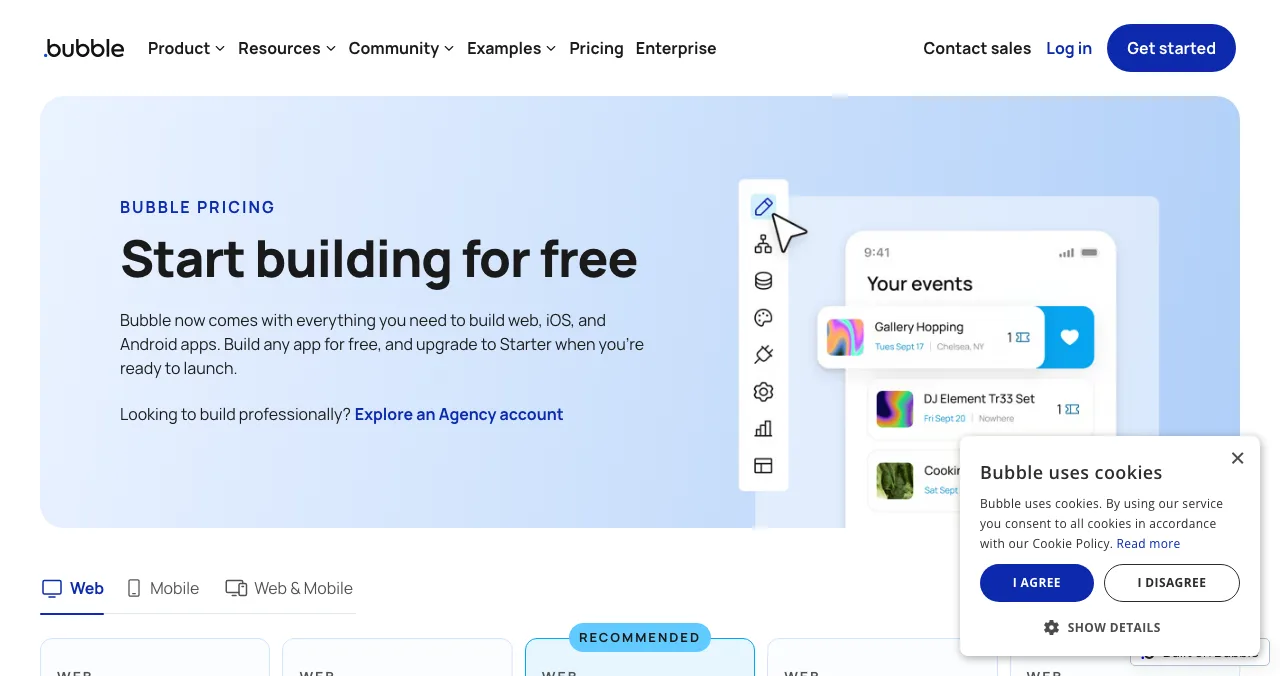
- Bubble io: free to build; paid plans from $32/month billed annually (Starter), with workload units and AI credits metered.
- FlutterFlow: best for polished iOS and Android apps; free plan has 2 projects, code export from $39/month.
- Glide and Softr: best for apps on spreadsheets and databases; Glide from $25/month, Softr from $19/month.
- Adalo, WeWeb, Lovable, Base44: simple store apps, a self-hostable front end, or prompt-built apps.
- After you build: list the app free on the Launchpad and get it tested before real users arrive.
Key takeaways
- Bubble's free plan is for building; a live website and custom domain need a paid plan.
- Most Bubble alternatives meter something: AI credits, workload, records, sessions or published apps.
- Pick by the app you're making (web SaaS, mobile, internal tool), not by the cheapest sticker price.
- Code export matters if you might hand the app to developers later: FlutterFlow and WeWeb offer it.
- No builder tells you what real users will hit on sign-up or checkout; a product test does.
"Bubble io" is searched about 27,100 times a month and "bubble no code" about 2,900 (Google Keyword Planner, global 12-month average). Many of those searchers are deciding whether Bubble is the right home for an app, or whether a cheaper or simpler Bubble alternative fits better. This guide gives Bubble's current pricing, then seven alternatives, each with its free tier and paid prices taken from its own pricing page on 20 November 2026. It ends with the step every builder leaves out: launching the app and finding out what real users will hit. Jump to the comparison table, which to choose or the launch plan.
Bubble io and 7 alternatives
 Launch free
Bubble Benchmark
Complex web apps and native mobile, with a built-in database and visual workflows.
Free to buildFrom $32/mo yearly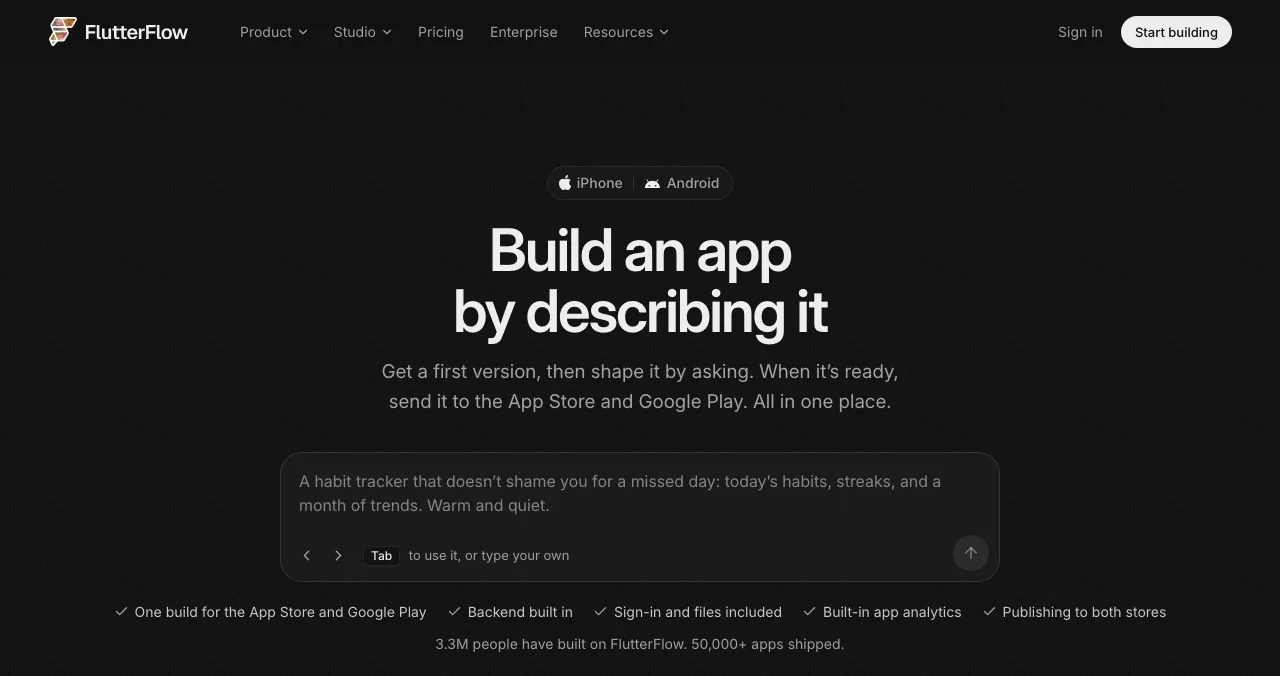
FlutterFlow
Polished iOS and Android apps in Flutter, with code export.
2 free projectsFrom $39/mo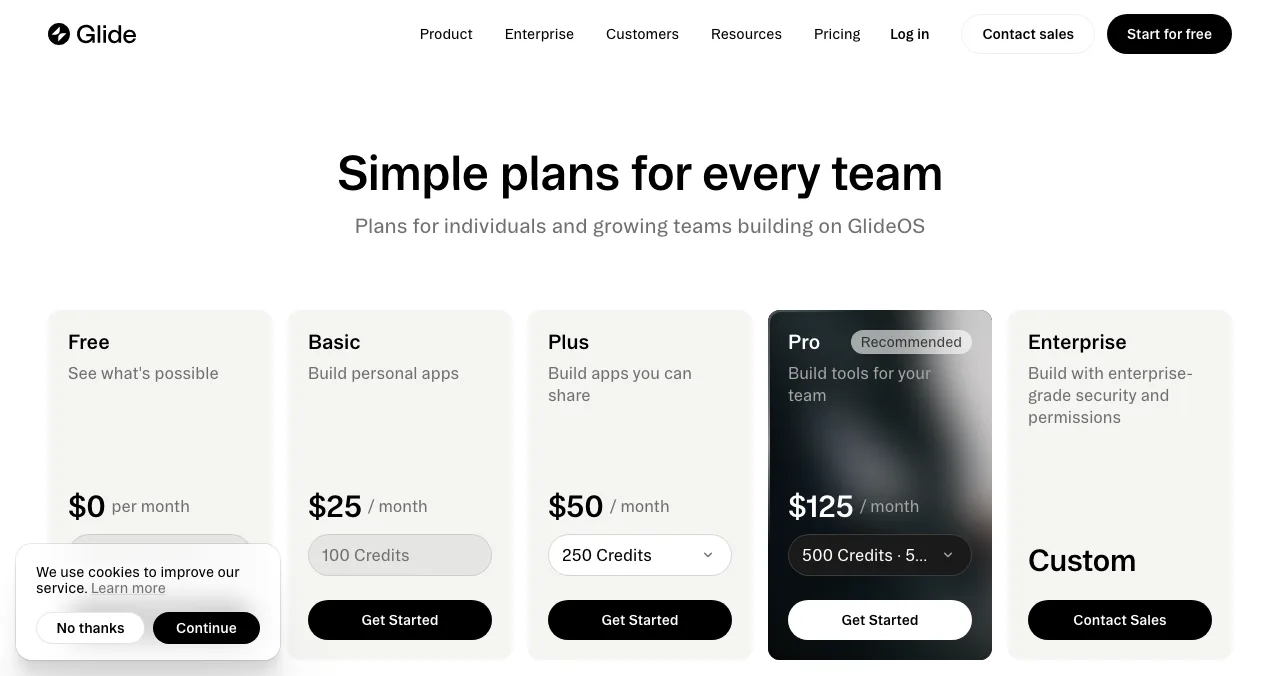
Glide
Business apps on spreadsheets your team already uses.
Free to buildFrom $25/mo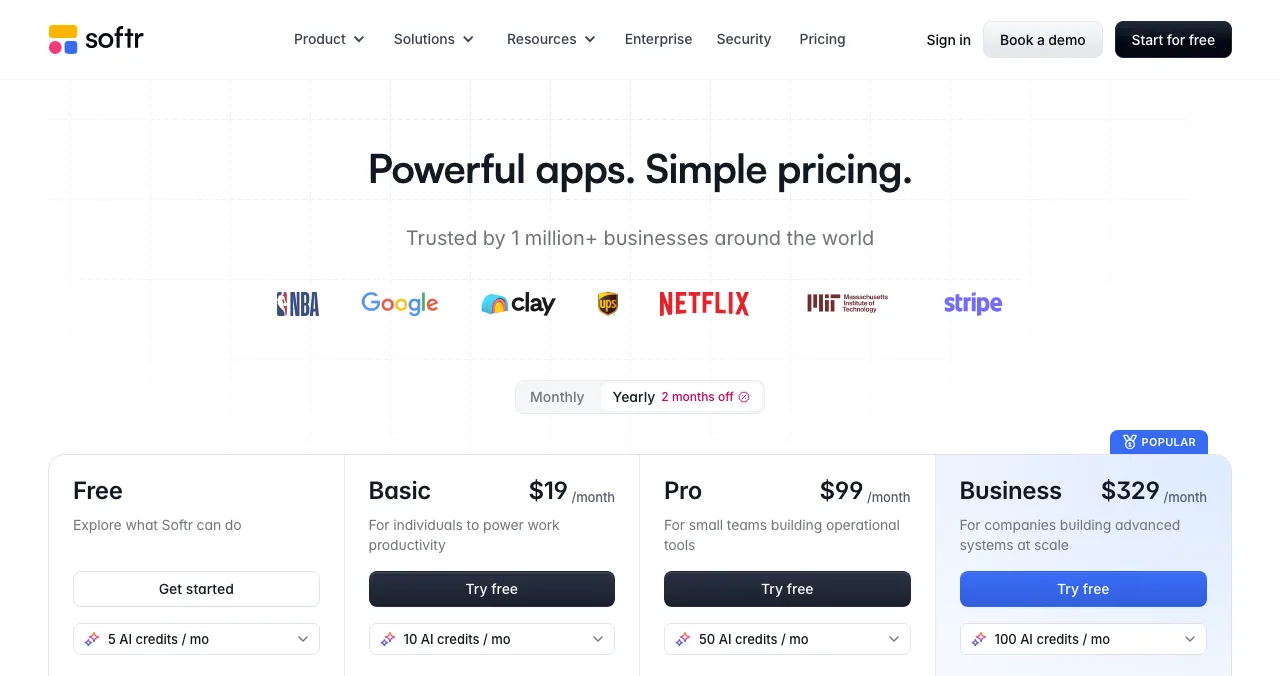
Softr
Portals and internal tools on Airtable, Notion, Sheets and more.
Free: 5 app usersFrom $19/mo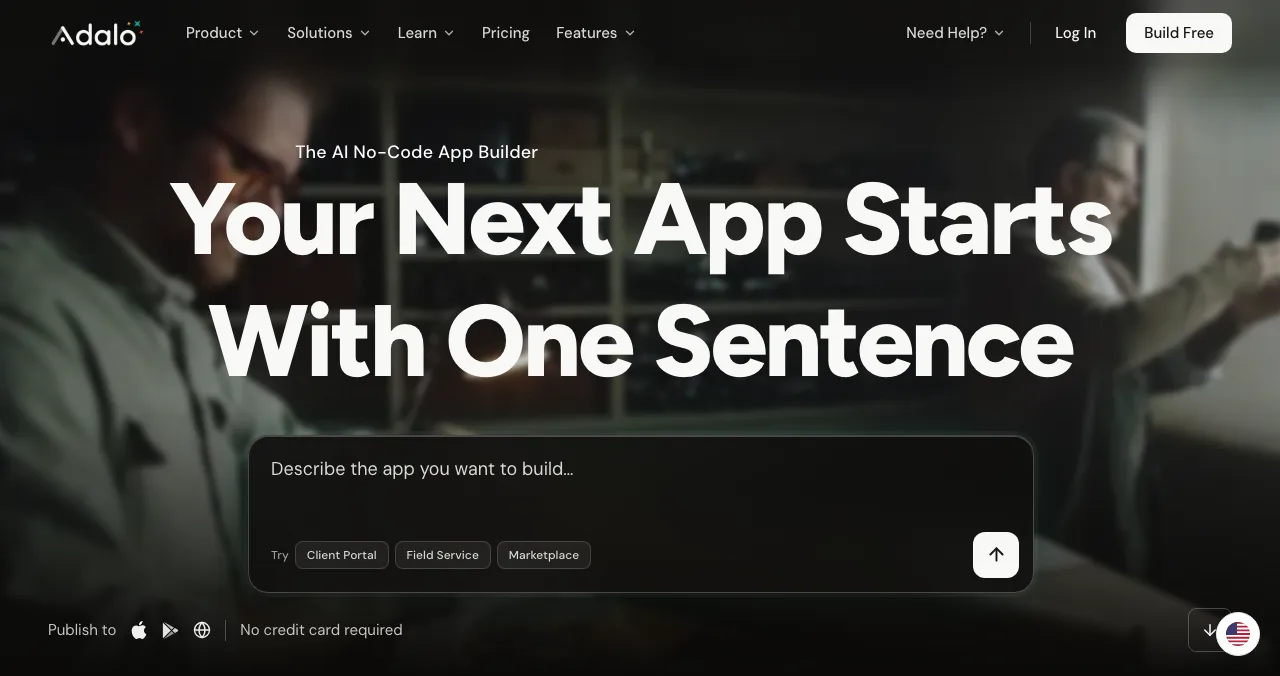
Adalo
Simple native apps for the App Store and Google Play.
500 records freeFrom $65/mo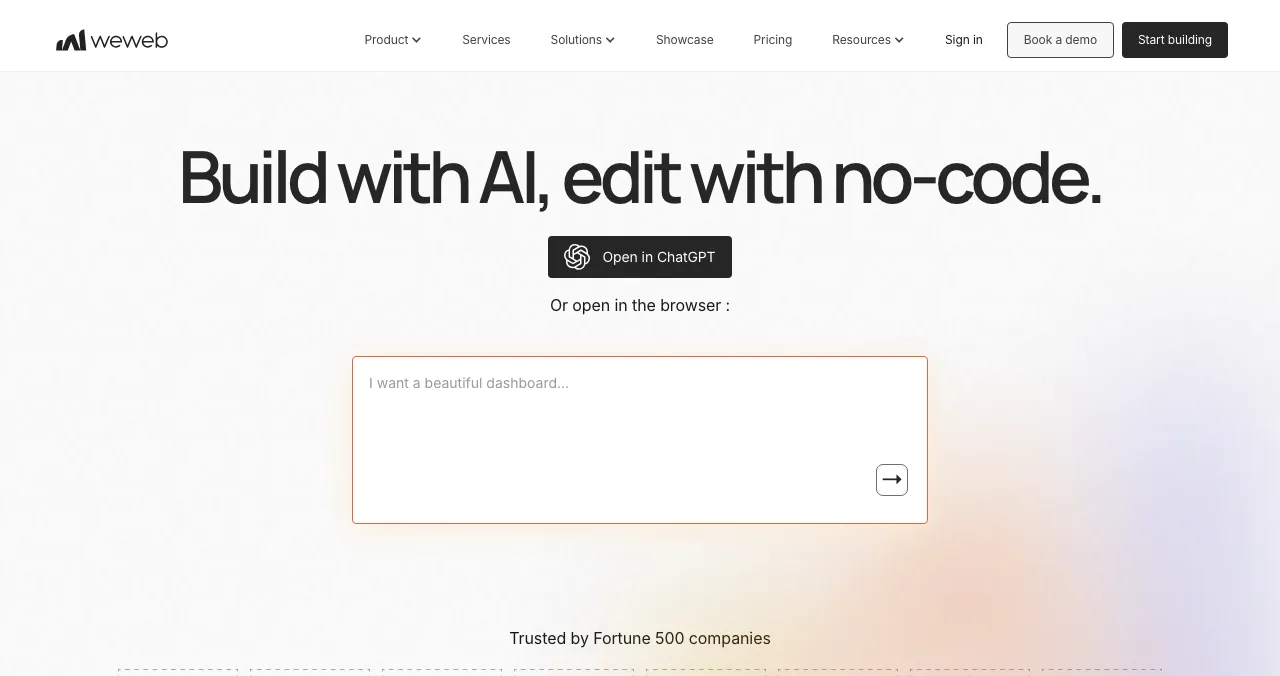
WeWeb
A visual front end you can export and self-host.
Free subdomainFrom $20/mo yearly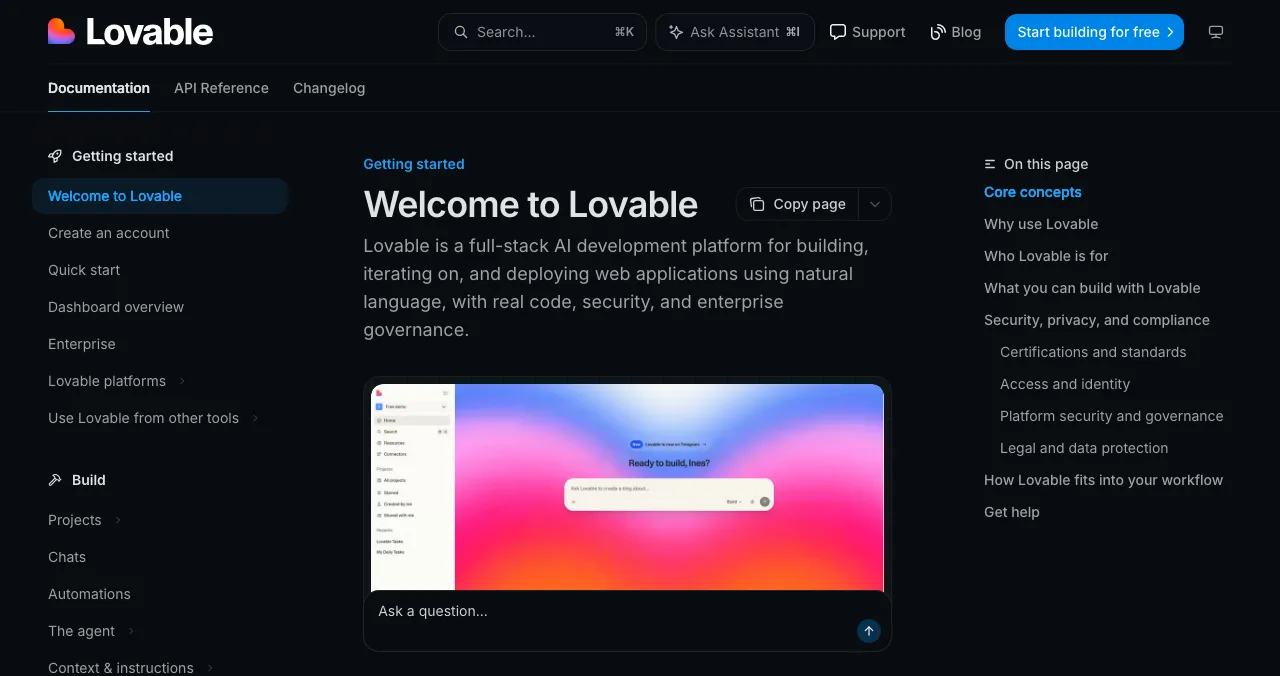
Lovable
Full-stack web apps from a prompt, with Git sync.
5 daily creditsFrom $25/mo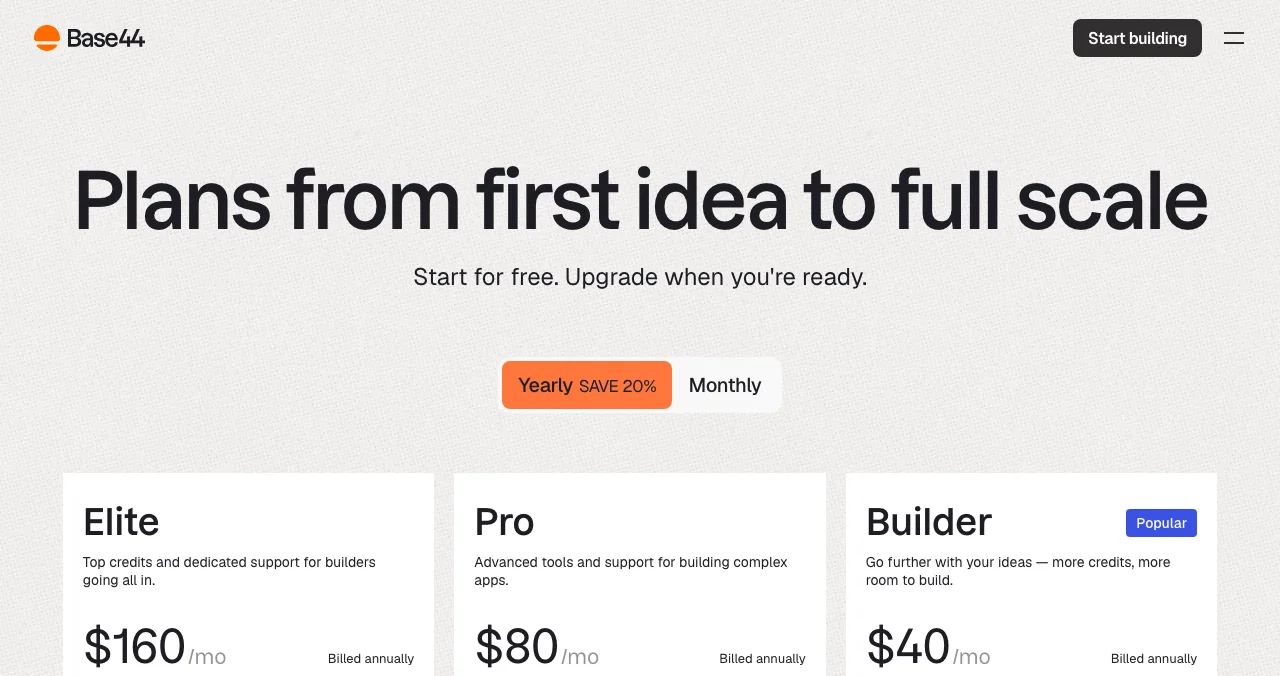
Base44
Prompt-built apps with backend, auth and hosting built in.
25 free creditsFrom $16/mo yearly
Bubble io alternatives compared, with pricing
Every price below is the brand's own figure in US dollars, as shown on its pricing page on 20 November 2026. Some pages showed us local-currency prices in screenshots; the text figures are the USD list prices.
| Builder | Best for | Free plan | Cheapest paid | Code export | Native mobile |
|---|---|---|---|---|---|
| Bubble | Complex web apps, SaaS | Build only; 50K workload units, 500 AI credits | $32/mo, billed annually | Not listed | Yes, paid plan to publish |
| FlutterFlow | Polished mobile apps | 2 projects, no code download | $39/mo ($29/mo yearly) | Yes, paid plans | Yes |
| Glide | Apps on spreadsheets | 10 projects, 0 published apps | $25/mo | Not listed | Web apps |
| Softr | Portals, internal tools | 3 builders, 5 app users, 5K records | $19/mo | Not listed | Web apps |
| Adalo | Simple store apps | 500 records per app, 1 editor | $65/mo monthly ($624/yr) | Not listed | Yes, from Builder |
| WeWeb | Front end you control | WeWeb subdomain, 1,000 sessions total | $20/mo billed annually + hosting | Yes, export and self-host | Web apps |
| Lovable | Prompt-built web apps | 5 daily credits (up to 30/mo) | $25/mo | Git sync | Web apps |
| Base44 | Prompt-built apps, all-in | 25 message credits, up to 5 apps | $16/mo, billed annually | GitHub from Builder | Web apps |

Table: Bubble io vs seven alternatives: free plans, prices and export (each brand's pricing page, checked 20 Nov 2026)
1. Bubble io: the benchmark for complex web apps
- Free
- Build and test; no live site listed
- Starter
- $32/mo billed annually
- Growth / Team
- $119 / $349 per month, yearly
- Metered
- AI credits and workload units
- Catch
- Store publishing needs a paid plan
Bubble calls itself the no-code AI app builder for web and native mobile apps: an AI agent generates the first version, and a visual editor lets you refine it. Hosting, a built-in database, security and auto-scaling are included, and Bubble says it has a community of 6 million builders. It's the tool to beat when your app has real logic: marketplaces, SaaS dashboards, booking systems.
- Bubble pricing: Free $0 (500 AI credits, 50K workload units); Starter $32/month (1,000 AI credits, 175K units); Growth $119/month (2,000 credits, 250K units, 2 editors); Team $349/month (4,000 credits, 500K units, 5 editors); Enterprise on request. All three paid prices are billed annually; annual billing saves up to 20%.
- What workload units mean: server work your app does (searches, workflows, page loads). Free apps can't buy more or enable overages.
- AI credits: included credits don't roll over; purchased credits expire six months after purchase.
- Mobile: a live mobile version for TestFlight, Google Play testing or the stores needs a paid plan.
Best for: web apps with custom logic and data that you'll keep editing visually. Why people look for a Bubble alternative: workload pricing that's hard to predict, no code export, or a mobile-first app.
2. FlutterFlow: polished mobile apps you can export
- Free
- 2 projects, no code download
- Basic
- $39/mo ($29/mo yearly)
- Pro / Max
- $80 / $150 per month
- Exports
- Flutter code on paid plans
- Catch
- App store deploy from Basic
FlutterFlow now leads with "Build an app by describing it": an AI agent plans and builds screens, and the result is a Flutter app, one build for the App Store and Google Play. It promises you can "export clean Flutter whenever you want", which is the strongest answer to Bubble's lock-in.
- Cost: Free $0 (2 projects, a free AI allowance, no code download or store deploy); Basic $39/month or $29/month billed yearly ($351/year); Pro $80/month or $60/month yearly; Max $150/month or $113/month yearly. Yearly saves 25%.
- Exports: code download and app store deploy start on Basic.
Best for: consumer mobile apps you may hand to developers later. Compared on one brief in best no-code app builders.
3. Glide: apps on the spreadsheets you already run
- Free
- 10 projects, 0 published apps
- Basic
- $25/mo, 2 published apps
- Plus / Pro
- $50 / $125 per month
- Annual
- "Coming soon"
- Catch
- Free can't publish
Glide describes itself as the platform that turns the Excel files and Google Sheets a team runs on into apps and AI agents. It's built for operations teams, not consumer launches.
- Cost: Free $0 (2 team members, 10 projects, limited credits, 0 published apps); Basic $25/month (2 published apps, 100 credits); Plus $50/month (5 published apps, 250 credits); Pro $125/month (unlimited published apps). Glide's FAQ says annual plans are coming soon.
Best for: internal tools and field apps on spreadsheet data.
4. Softr: portals and internal tools on your data
- Free
- 3 builders, 5 app users, 5K records
- Basic
- $19/mo
- Pro / Business
- $99 / $329 per month
- Custom domain
- From Basic
- Catch
- App users capped per plan
Softr builds client portals, internal tools and workflows on top of Airtable, Notion, Google Sheets and dozens of other sources, plus its own database.
- Cost: Free (up to 3 builders, 5 app users, 5K database records, 500 workflow actions a month, 5 AI credits a month); Basic $19/month (custom domain, 50K records); Pro $99/month (500K records, 10 team plus 50 client app users); Business $329/month (1M records). Yearly billing gives two months off.
Best for: portals and internal tools where your data already lives in Airtable or a spreadsheet.
5. Adalo: simple apps for the app stores
- Free
- 500 records per app, 1 editor
- Builder
- $65/mo monthly, $624/yr
- Business
- $200/mo, $1,920/yr
- Publishing
- App stores from Builder
- Catch
- 5 AI prompts a month on Free
Adalo's pricing page promises "no usage-based charges", flat, predictable pricing, which is the direct contrast with Bubble's workload units.
- Cost: Free (500 records per app, unlimited test apps, one free app build, 1 editor, 5 Ada AI prompts a month); Builder $65/month billed monthly, $175.50 quarterly or $624 a year; Business $200/month, $540 quarterly or $1,920 a year. Quarterly saves 10%, yearly 20%.
- Publishing: app store publishing and custom domains are Builder features.
Best for: a straightforward mobile app with predictable costs.
6. WeWeb: a front end you can take with you
- Free
- WeWeb subdomain, 1,000 sessions total
- Essential
- $20/mo billed annually
- Pro
- $50/developer/mo, yearly
- Hosting
- Per app, from $13/mo yearly
- Catch
- Hosting is billed separately
WeWeb is a visual front-end builder with AI in the editor. Its pricing separates the workspace plan from hosting, and it lets you export your code and self-host, which Bubble doesn't list.
- Cost: Free $0 (1M AI tokens a month, live on a WeWeb subdomain with 1,000 sessions in total, 500 MB database storage); Essential $20/month billed annually (10M tokens, code export); Pro $50 per developer per month billed annually. WeWeb Cloud hosting is billed per app, from $13/month for front-end only.
Best for: teams that want a visual builder now and the option of their own stack later.
7. Lovable: a prompt-built web app with real code
- Free
- 5 daily credits, up to 30/mo
- Pro
- $25/mo, 100 credits
- Business
- $50/mo
- Code
- Git sync to GitHub, GitLab, Bitbucket
- Catch
- Credits run out on big changes
Lovable's docs call it a full-stack AI development platform for building web apps in natural language, producing frontend, backend, database, authentication and integrations, with Git sync. It's the prompt-first alternative for founders who'd rather describe than drag.
- Cost: Free $0 (5 daily credits up to 30 a month, 5 lovable.app domains); Pro $25/month (100 monthly credits, custom domains); Business $50/month (SSO, team workspace). Yearly billing advertises "2 months free".
Best for: web MVPs you want as real code. More in Lovable vs Bolt vs Replit.
8. Base44: prompt to app with everything built in
- Free
- 25 message credits, up to 5 apps
- Starter
- $16/mo billed annually
- Builder / Pro
- $40 / $80 per month, yearly
- GitHub
- From Builder
- Catch
- Credits cap how much you can change
Base44 calls itself a no-code AI platform for building apps, websites and AI agents, with backend, storage, authentication and hosting built in. Its footer reads "© 2026 Wix.com Ltd."
- Cost: Free (25 message credits and 100 integration credits a month, up to 5 apps); Starter $16/month (100 credits, connect a domain); Builder $40/month (250 credits, GitHub integration); Pro $80/month; Elite $160/month. All billed annually; annual saves 20%.
Best for: a quick, all-in-one app where you don't want to wire up a backend.
The Launchpad: where a finished no-code app goes next
Every tool above ends at "publish". None of them brings visitors or tells you where they'll get stuck. The Science of Apps Launchpad is the free first step after building: a public product page with its own link (launchpad.scienceofapps.com/…), live in about five minutes in six short steps, free forever. It isn't a website builder or host; your app keeps running on Bubble or whichever builder you chose.
- Cost
- Free, forever
- Stage
- Pre-launch to live
- Found by
- The problem your app solves
- Ranking
- Relevance, never payment
- Included
- A product test and detailed report

- Cost: free to list, forever; optional reports and a labelled Premium listing pay for it, and paying never changes organic ranking ("0 paid placements").
- Accepts: startups, SaaS, mobile apps, AI products, developer tools, browser extensions, games and open source, at any stage.
- Proof that builds: a Featured badge when you go live, then earned badges such as Verified (work email on your domain), Community favourite and Editor's pick, seven in all, plus vouches and followers.
- Checked: automated checks and a human review; a free baseline diagnosis of landing page, discoverability and speed runs as you go live.
Your no-code app, tested end to end
- Areas of your product tested
- 22
- Automatic measurements, desktop and mobile
- 39
- Expert checks behind your login
- 74
- Verdicts that rank what to fix first
- 5
Arrive
First impression
Discoverability on Google, AI and social; landing page, pricing, trust and speed.
Join
The first minutes
Sign-up, sign-in, recovery and onboarding.
Use
The everyday job
Home, core flow, dashboards, search, microcopy and error states.
Pay
Value into revenue
Paywall, upgrade, checkout and payments.
Stay
Coming back
Notifications, account, settings and help.
Every screen
Throughout
Accessibility to WCAG 2.2, visual design and consistency.

Evidence for every finding
Each finding is pinned to its screen or backed by a measurement.
Five verdicts
Good, Needs improvement, Needs to be fixed, Critical, Recommendation.
Analyst-reviewed
Findings are approved, edited or rejected by an analyst before you see them.
Private to your team
Reports are private by default and never affect your listing's ranking.
See what new users of your app will hit
List free, then order the report that fits: the first impression, or the full diagnosis with a plan.

 Economy
See what new customers see
- Store listing and homepage, screen by screen
- Scorecard against 60 Laws of UX
- Customers, competitors and the fixes worth most
PremiumThe full diagnosis and the plan
- Every screen, every finding, every flow
- All 60 laws with evidence and fixes
- 8 strategy chapters and a 90-day roadmap
Researched from your live product and fact-checked against the evidence.
Which Bubble alternative should you choose?
| You're building | Choose | Why |
|---|---|---|
| A SaaS or marketplace with complex logic | Bubble | Database, workflows and hosting in one place |
| A consumer iOS and Android app | FlutterFlow | One Flutter build for both stores, code export |
| An internal tool on Google Sheets | Glide | Starts from the spreadsheet you already have |
| A client portal on Airtable | Softr | Portals and permissions on your existing data |
| A simple store app on a fixed budget | Adalo | Flat pricing, no usage charges |
| A front end you may self-host later | WeWeb | Export and self-host from Essential |
| A web MVP from a prompt | Lovable or Base44 | Fastest from idea to working app |
Table: Which Bubble alternative to choose, by the app you're building
From build to launch in two weeks
- Days 1–3
Build the core flow
On your chosen builder's free plan: sign-up, the one job, and the result.
- Days 4–5
Go live
Upgrade to the plan that allows a live app and custom domain.
- Day 6
List on the Launchpad
Six short steps; read the free baseline diagnosis.
- Days 7–10
Fix the first minutes
Sign-up, onboarding and empty states, using the report.
- Days 11–14
Launch outward
Bubble's showcase or your builder's gallery, Product Hunt, communities.
Mistakes to avoid

- Choosing on the free plan alone — check what the cheapest live plan costs, billed the way you'll pay
- Ignoring metered limits — workload units, AI credits, records and sessions decide your real bill
- Assuming you can export later — Bubble doesn't list code export; pick FlutterFlow or WeWeb if you need it
- Launching with an untested sign-up — first-time users judge in seconds; see the aesthetic-usability effect
- Marketing the builder, not the problem — users search for what your app does, not how you made it
Ready to launch?
How we chose and checked
We picked alternatives that cover the main reasons people leave Bubble: mobile-first apps, apps on existing data, predictable pricing, code ownership and prompt-first building. Every price and limit comes from each brand's own pricing page, read on 20 November 2026; where screenshots showed local-currency or regional prices, we quote the USD list prices from the page text. We didn't build test apps for this comparison, so nothing here is a hands-on benchmark. Search volumes are Google Keyword Planner's global 12-month averages. Science of Apps runs the Launchpad and has no relationship with any builder listed.
Key terms, defined
- No-code app builder: a tool for building software visually or by prompt, without writing code.
- Workload units: Bubble's measure of the server work an app does; each plan includes a monthly amount.
- AI credits: a monthly allowance for AI generation in the editor; most builders don't roll them over.
- Code export: downloading your app's source code so it can run without the builder.
- Native mobile app: an app installed from the App Store or Google Play rather than opened in a browser.
- Product page: a permanent public page for one product, separate from the product's own website.
Frequently asked questions
What is the best Bubble io alternative?
It depends on the app. FlutterFlow suits polished native mobile apps and lets paid plans export Flutter code. Glide and Softr suit apps built on spreadsheets or databases. Adalo suits simple apps for the app stores. WeWeb gives you a front end you can export and self-host. Lovable and Base44 build apps from a prompt. Bubble itself stays strongest for complex web apps with custom logic.
How much does Bubble cost? What is Bubble pricing in 2027?
Bubble's pricing page, checked on 20 November 2026, lists Free at $0, Starter at $32 a month, Growth at $119 and Team at $349, each billed annually, plus Enterprise on request. Plans include monthly AI credits and workload units (50K on Free, 175K on Starter). The page says annual billing saves up to 20%.
Is Bubble no code really free?
You can build on Bubble for free, but the Free plan is a development plan. Bubble's pricing page doesn't list a live website or custom domain for Free, and its FAQ says a paid plan is needed for a live mobile version for TestFlight, Google Play testing or store publishing. Free apps also can't buy extra workload units.
Is FlutterFlow better than Bubble?
For native mobile apps, FlutterFlow is often the better fit: it builds one Flutter app for the App Store and Google Play and paid plans can export the code. For complex web apps with a built-in database and workflows, Bubble is stronger. Bubble now builds native mobile apps too, so compare both on your own core flow.
Which Bubble alternative has the best free plan?
Softr's free plan is generous for internal tools: up to 3 builders, 5 app users and 5,000 database records. WeWeb's free tier can go live on a WeWeb subdomain with 1,000 sessions in total. FlutterFlow and Glide let you build for free but not publish: Glide's free plan has no published apps.
Can I export my code from Bubble?
Bubble's pricing page doesn't list code export, and Bubble apps run on Bubble's own hosting and database. If owning the code matters, look at FlutterFlow (Flutter code on paid plans), WeWeb (export and self-host) or prompt builders such as Lovable and Base44, which sync code to GitHub on their paid plans.
Where should I launch an app built on Bubble?
Start with Bubble's own showcase, which invites builders to submit their apps, then the places users look: Product Hunt, relevant communities and a free permanent listing. The Science of Apps Launchpad lists any no-code app free, forever, and tests it end to end with a report, so you fix sign-up and onboarding before launch traffic arrives.
Sources
- Bubble — Pricing: plans, AI credits, workload units (checked 20 Nov 2026)
- Bubble — Homepage: no-code AI app builder for web and native mobile (checked 20 Nov 2026)
- FlutterFlow — Pricing (checked 20 Nov 2026)
- Glide — Pricing (checked 20 Nov 2026)
- Softr — Plans and pricing (checked 20 Nov 2026)
- Adalo — Pricing (checked 20 Nov 2026)
- WeWeb — Pricing (checked 20 Nov 2026)
- Lovable — Pricing (checked 20 Nov 2026)
- Base44 — Pricing (checked 20 Nov 2026)
- Science of Apps — Launchpad: launch your product free (checked 20 Nov 2026)
- Science of Apps — Product investigation (checked 18 Nov 2026)
- Science of Apps — Pricing: free listing, Economy and Premium reports (checked 18 Nov 2026)
- Checked November 20, 2026. Figures that change — fees, salaries, prices — are reviewed every six months; if something is out of date, tell us.
Where to go from here
- Best no-code app builders — compared on one brief
- Where to launch a no-code product — showcases and launch sites
- Best AI app builders for non-coders — prompt-first tools
- Science of Apps - LaunchpadLovable alternatives: 10 AI app builders and no-code tools compared on price, free plan and what they build, plus how to launch what you makeThe best Lovable alternative depends on what you build: Bolt, Replit, v0, Base44 and six more, with prices from each pricing page and how to launch.
- How to make an appBest no-code app builders, compared on a real project briefFlutterFlow, Bubble, Glide, Adalo, Thunkable, Softr and AppSheet compared on one real project brief — what each builds best, its limits and who should pick it.
- Science of Apps - LaunchpadWebsites like Replit: what Replit costs now, what its free plan really includes, and seven alternatives for coding in the browser and building apps with AIReplit pricing (free Starter, Core $20/mo) and 7 websites like Replit: GitHub Codespaces, Cursor, Lovable, Bolt, v0, Base44 and Emergent.
- Science of Apps - LaunchpadBolt new alternatives: what Bolt.new costs, where its tokens run out, and eight AI app builders to try instead, plus how to launch what you shipBolt new pricing explained (free 1M tokens, Pro $25/mo) and the best Bolt new alternative for each job: Lovable, Replit, v0, Base44 and four more.
- Science of Apps - LaunchpadBase44 review: what the AI app builder makes from a prompt, what each plan costs in credits, the alternatives worth comparing, and how to launch and test what you buildBase44 builds apps from a prompt with backend, auth and hosting built in. Base44 pricing, limits, alternatives, and how to launch and test the app you make.
- Science of Apps - LaunchpadDurable AI website builder review: what Durable builds in its claimed 30 seconds, what each plan costs today, who it suits, who should pick an alternative, and how a product site gets foundDurable AI website builder review: what it builds, verified pricing (free, $25 and $49 a month), the CRM and booking tools, the catches and better alternatives.


Get the ideas, not the noise.
Sign up with Google and we’ll send you short UX psychology tips by email — why people tap, stall and leave, and what to do about it. Unsubscribe anytime. Prefer something to keep? Get the free Laws of UX guide as a PDF.
Launch day ends. Your listing shouldn't.
Whichever builder you pick, the app still needs a public page and users. The Science of Apps Launchpad gives your no-code app a free, permanent product page and tests it end to end with a detailed report.