 By
Quick answer: How do I track my startup directory submissions?
- One row per site, one column per fact you'll need again.
- Twelve columns: site, type, cost, link rel, review time, rules, status, submitted, live URL, referrals, next action, notes.
- 24 real rows below, each checked on the site's own page in November 2026.
- Two formulas: days waiting, and live listings count.
- 10–20 directories is enough for most startups.
Key takeaways
- A tracker stops duplicate submissions, missed follow-ups and stale listings.
- Record the facts you checked and the date you checked them; rules change.
- A status dropdown and a days-waiting column show what needs chasing.
- Track referral visits per listing so you know which ones to keep updating.
- Fewer, better directories beat a long list of thin profiles.
By the third week of submitting a startup to directories, most founders have lost track: which sites are still reviewing, which listing has the old logo, which one asked for a link back, which one quietly rejected you. A directory submission tracker fixes that in ten minutes. This guide gives you the columns, 24 real rows to copy (with cost, link type and review time checked on each site's own pages on 17–18 November 2026), two formulas, and a straight answer to how many directories you should submit to. There's no file to download: you build it from the table, so you understand every column. Jump to the columns, the 24 rows or the weekly routine.
- Columns that cover everything
- 12
- Real rows, checked on each site's pages
- 24
- Directories most startups need
- 10–20
- To build it
- 10 min
What columns should a directory submission tracker have?
| Column | What goes in it | Why |
|---|---|---|
| A. Site | Name and submission URL | One click to get back to the form |
| B. Type | Launch, directory, company database, local, review site, press | Shows your mix at a glance |
| C. Cost | Free, paid, or the condition (e.g. "free with link back") | No surprise invoices |
| D. Link rel | Followed, nofollow, ugc, redirect, or "not checked" | What you actually got |
| E. Review / wait | The site's stated review time or queue | Know when to chase |
| F. Rules | What gets rejected (pre-launch, waitlists, subdomains…) | Avoid wasted submissions |
| G. Status | To do, Submitted, Live, Rejected, Update needed | The column you filter by |
| H. Submitted | Date | Feeds the days-waiting formula |
| I. Live URL | Your listing's public address | For updates and link checks |
| J. Referrals | Visits from that site (from your analytics) | Which listings to keep improving |
| K. Next action | One verb: chase, update, relaunch, drop | Turns the sheet into a to-do list |
| L. Checked on | The date you last read the site's rules | Rules change; dates tell you when to recheck |
Table: Directory submission tracker columns (Science of Apps template)
The 24 rows, pre-filled
Copy these into your sheet as rows 2 to 25. Every fact was read on the site's own page on 18 November 2026 unless a different date is shown; "not checked" means we didn't inspect it, not that it's bad.
| # | Site | Type | Cost | Link rel | Review / wait | Rules to know |
|---|---|---|---|---|---|---|
| 1 | Science of Apps Launchpad | Launch + directory | Free, forever | Followed (2 profiles, 18 Nov) | Usually a day or less | Automated checks confirm your link works; then a person reviews |
| 2 | Product Hunt | Launch | Free | ugc (17 Nov) | You schedule: tomorrow to 30 days ahead | Needs a product URL; never pay for upvotes |
| 3 | Peerlist Launchpad | Launch | No fee stated | Not checked | Opens Mondays, weekly | Verified individual profile; project 100% complete |
| 4 | Uneed | Launch | Free line; Skip-the-Line $39.99 | Dofollow kept at 20 upvotes | Free launches queue | Upvote score of 10 on the day to stay published |
| 5 | Hacker News Show HN | Community | Free | Not checked | Post when ready | Must be something people can try; no landing pages |
| 6 | DevHunt | Launch (dev tools) | Free listing; $49 launch | nofollow free, dofollow paid | Paid launches pick their week | Developer tools only |
| 7 | Fazier | Launch | Free with a link back; Lite $29, Premium $49, Super $99 | Dofollow on Super | Free: within 30 days | Free plan needs a backlink to Fazier |
| 8 | BetaList | Curated feature | Paid (price at checkout) | Internal redirect (17 Nov) | Depends on plan | Own domain; refund if not selected |
| 9 | SaaSHub | Software directory | Free | nofollow | Approval queue, no time stated | Rejects unreleased products and waitlists |
| 10 | AlternativeTo | Software directory | Free; optional priority fee | nofollow unless editors decide | Priority usually 1–2 business days | No coming-soon or closed beta |
| 11 | Future Tools | AI directory | No fee shown | Not checked | Not stated | AI tools; reviewed by hand |
| 12 | Crunchbase | Company database | Free profile (17 Nov) | Not checked | Not stated | Registered, socially authenticated user |
| 13 | Tracxn | Company database | Not stated on form | Not checked | "Our analyst will get in touch" | Form-based |
| 14 | G2 | Review site | Free plan; Starter $299/mo | Not checked | Not stated | Seller account; free plan includes a basic profile |
| 15 | Capterra | Review site | Via the G2 seller account (17 Nov) | Not checked | Not stated | Part of the G2 ecosystem |
| 16 | Google Business Profile | Local | Free | Not checked | Verification required | Physical location or service area only |
| 17 | Bing Places for Business | Local | Free (17 Nov) | Not checked | Not checked | Can import listings from Google Business Profile |
| 18 | Yelp for Business | Local | Free page; ads and upgrades paid | Not checked | Not stated | Claim or add your business |
| 19 | Apple Business | Local (Apple Maps) | Not stated for Maps | Not checked | Not stated | Claim your location; logo, hours, images |
| 20 | LinkedIn Page | Company profile | Free | Not checked | Not stated | Needs a LinkedIn account; confirm you can act for the company |
| 21 | GitHub | Open source | Free | Not checked | n/a | For open-source projects |
| 22 | Indie Hackers | Community | Not checked | Not checked | Not checked | Not checked |
| 23 | Microlaunch | Launch | Premium options; check its pricing page | Not checked | "New startups live every month" | Check its rules before submitting |
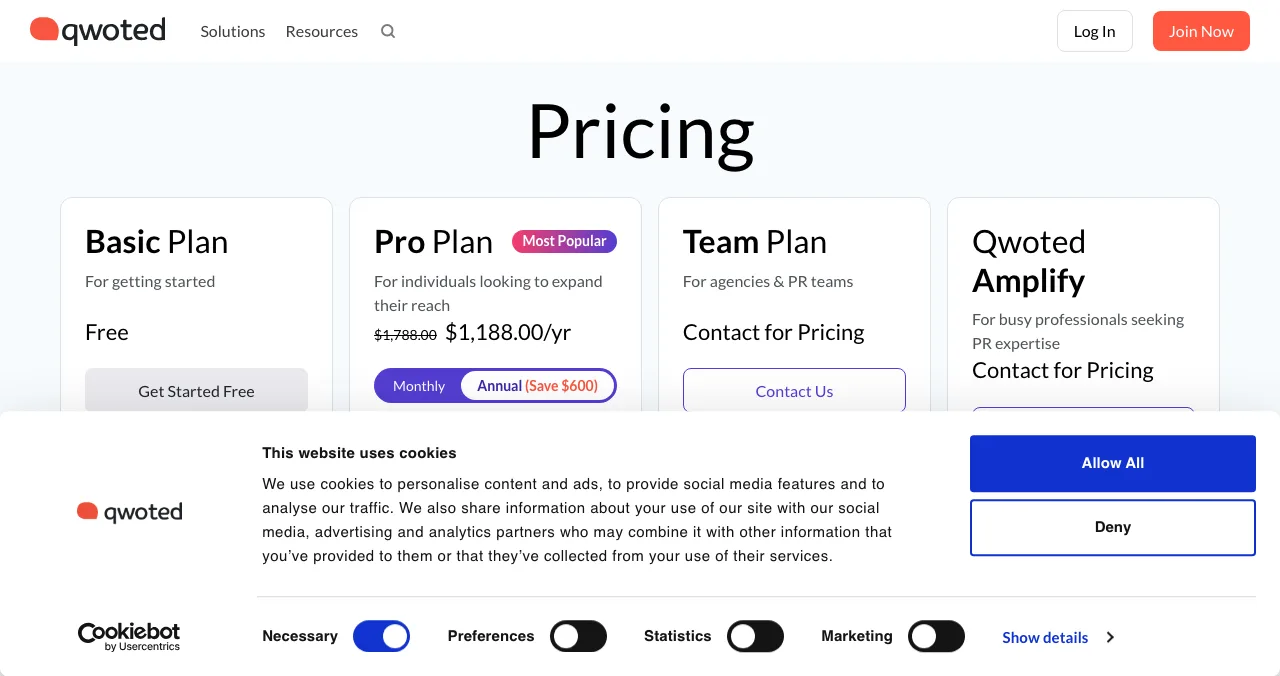
| 24 | Qwoted | Press requests | Free Basic: 2 pitches a month; Pro $149.99/mo | n/a | 2-hour pitch delay on Basic | For founders pitching journalists |
Table: Directory submission tracker, rows 1–24 (each site's own pages, checked 17–18 Nov 2026; link rel from listing pages we inspected or the site's stated policy)
How to build the tracker in 10 minutes

- Create the sheet — a new Google Sheet, Excel workbook or Numbers file named "Directory submissions".
- Paste the headers — columns A to L from the table above into row 1; freeze row 1.
- Paste the rows — the 24 rows into rows 2 to 25; delete the ones that don't fit your product.
- Add a status dropdown — data validation on column G with To do, Submitted, Live, Rejected, Update needed.
- Add days waiting — in a new column M, =IF(G2="Submitted", TODAY()-H2, "") and fill down.
- Highlight the stale ones — conditional formatting on M: fill red when the value is greater than 14.
- Count what's live — anywhere above the table, =COUNTIF(G:G, "Live").
- Filter by next action — every Monday, filter column K and do those first.
Formulas use standard Google Sheets and Excel functions (IF, TODAY, COUNTIF); in Excel, adjust the separator if your locale uses semicolons.
How many directories should you submit to?
Fewer than most lists suggest. For most startups, 10 to 20 well-chosen directories cover every audience that matters:
| Slot | How many | From the rows above |
|---|---|---|
| A permanent profile | 1 | Science of Apps Launchpad |
| Company databases | 1–2 | Crunchbase, Tracxn, LinkedIn Page |
| Launch platforms | 2–4 | Product Hunt, Peerlist, Uneed, Show HN, DevHunt, Fazier |
| Buyer-intent directories | 2–4 | SaaSHub, AlternativeTo, G2, Capterra, Future Tools |
| Local listings (only if you serve a place) | 1–3 | Google Business Profile, Bing Places, Yelp, Apple Business |
| Press | 1 | Qwoted |
Table: How many directories to submit to, by slot (Science of Apps editorial guidance)
Google's spam policies list "low-quality directory or bookmark site links" and "using automated programs or services to create links" as link spam. A row in your tracker should exist because real people browse that site, not to pad a count.
A weekly routine for your startup launch tracker
- Monday
Filter by next action
Chase anything Submitted for more than 14 days; schedule this week's launches.
- Tuesday
Submit two or three
Use the same name, one-liner, description, logo and URL from your listing kit.
- Wednesday
Record what went live
Paste the live URL; inspect the link rel and fill column D.
- Friday
Log referrals
Pull visits per source from analytics into column J.
- Monthly
Update and recheck
Refresh stale listings; reread rules for rows checked more than 3 months ago.
Your listing kit is worth writing once; see how to write a directory listing.
Row 1, and what happens after it
Most rows in the tracker give you a listing. Row 1 also tells you whether the page those listings point to is ready. List on the Launchpad and a free baseline diagnosis of your landing page, discoverability and speed runs as you go live; a full investigation tests 22 areas of your product in a real browser, with every finding backed by evidence and approved by an analyst.
- Areas of your product tested
- 22
- Automatic measurements, desktop and mobile
- 39
- Expert checks behind your login
- 74
- Verdicts, from Good to Critical
- 5
Check the page every listing points to
List free, then order the report that fits: what new customers see first, or the full diagnosis and a plan.

 Economy
See what new customers see
- Store listing and homepage, screen by screen
- Scorecard against 60 Laws of UX
- Customers, competitors and the fixes worth most
PremiumThe full diagnosis and the plan
- Every screen, every finding, every flow
- All 60 laws with evidence and fixes
- 8 strategy chapters and a 90-day roadmap
Researched from your live product and fact-checked against the evidence.
Tracker mistakes

- No "checked on" date — fees and queues change; you won't know which facts are stale
- Tracking submissions but not referrals — you'll keep updating listings nobody visits
- A different description per site — keep one listing kit and reuse it
- Submitting where you're not eligible — read column F first (waitlists, subdomains, closed betas)
- Treating the count as the goal — progress feels good (goal-gradient effect), but ten useful listings beat fifty empty ones
Ready to fill in row 1?
How we built the rows
Each row's cost, review time and rules come from the site's own help, FAQ, pricing or submission page, read on 18 November 2026; rows marked 17 Nov come from our check the day before, when a page blocked our reader on the 18th. Link rel values come from listing pages we inspected (17–18 November 2026) or a site's stated policy. "Not checked" and "Not stated" mean exactly that. Science of Apps runs the Launchpad. There is no downloadable file; the table is the template.
Key terms, defined
- Directory submission tracker: a spreadsheet with one row per directory, recording cost, rules, status and results.
- Status: where a submission stands: to do, submitted, live, rejected or update needed.
- Days waiting: today's date minus the submission date, for submissions not yet live.
- Link rel: the attribute on a listing's link (nofollow, ugc, sponsored, or none).
- Listing kit: the reusable name, one-liner, description, logo, screenshots and URL you paste into every form.
Frequently asked questions
How do I track my startup directory submissions?
Use a spreadsheet with one row per directory and columns for type, cost, link rel, review time, rules, status, date submitted, live URL, referral visits and next action. Add a status dropdown and a formula for days waiting, then review it once a week. Start from the 24 rows in this guide, which were checked on each site's own pages.
Is there a free directory submission tracker template?
This guide gives you the template as a table instead of a download: copy the column headers and rows into Google Sheets, Excel or Numbers, then add the dropdown and formulas described. It takes about ten minutes and you'll understand every column, which makes it easier to keep up to date.
How many directories should a startup submit to?
Usually 10 to 20 well-chosen ones: a permanent profile, a company database, two or three launch platforms, the directories your buyers browse, and local listings if you serve a location. Google's spam policies list low-quality directory links as link spam, so volume for its own sake doesn't help.
What columns should a startup launch tracker have?
At minimum: site, type, cost, link rel, review or wait time, rules, status, date submitted, live URL and next action. Add referral visits from your analytics and a notes column. Record the date you checked each site's rules, because fees, queues and link policies change.
Should I track the link type for each directory?
Yes, but don't choose directories by it. Recording whether a listing is nofollow, ugc or followed tells you what you actually got and lets you recheck after upgrades or votes. Most well-known directories use nofollow or ugc; visitors and credibility are the main reasons to list.
How often should I update my directory listings?
Review the tracker weekly while submissions are pending, then monthly. Update listings when your positioning, pricing, logo or URL changes, and after major releases. Consistent details across directories help people and search engines recognise your startup, and a listing with an old logo or price makes a careful buyer wonder whether you're still around.
Sources
- Science of Apps — Launchpad: launch your product free (checked 18 Nov 2026)
- Science of Apps — Pricing: free listing, Economy and Premium reports (checked 18 Nov 2026)
- Product Hunt Help Center — Launch FAQ and myths (checked 18 Nov 2026)
- Peerlist Help Center — How do I launch a project on Peerlist Launchpad? (checked 18 Nov 2026)
- Uneed — How to launch your product on Uneed (checked 18 Nov 2026)
- DevHunt — FAQ (checked 18 Nov 2026)
- Fazier — Submit: plans (checked 18 Nov 2026)
- BetaList — Help and FAQ (checked 18 Nov 2026)
- SaaSHub — Submit a product: guidelines (checked 18 Nov 2026)
- AlternativeTo — FAQ (checked 18 Nov 2026)
- G2 — Plans (checked 18 Nov 2026)
- Google Business Profile — Get listed on Google (checked 18 Nov 2026)
- Yelp for Business — It's free to be on Yelp (checked 18 Nov 2026)
- LinkedIn Help — Create a LinkedIn Page (checked 18 Nov 2026)
- Qwoted — Pricing (checked 18 Nov 2026)
- Google Search Central — Spam policies for Google web search (checked 18 Nov 2026)
- Checked November 18, 2026. Figures that change — fees, salaries, prices — are reviewed every six months; if something is out of date, tell us.
Where to go from here
- Free startup directories — 16 checked sites
- Write a directory listing — what goes in each row
- Startup submission sites — the 11 worth the form
- Science of Apps - LaunchpadWhere to submit your startup in 2027: 11 startup submission sites checked on their own pages, what each costs, how long review takes and which links they giveWhere to submit your startup free: 11 startup submission sites checked 18 Nov 2026, with cost, review time, link type and which to submit to first.
- Science of Apps - LaunchpadWhich launch sites and startup directories give dofollow backlinks? We inspected the rel attribute on real listing pages: most are nofollow or ugc, and that's fineWhich launch sites give dofollow backlinks? We checked real listings on 17 Nov 2026: Product Hunt is ugc, SaaSHub and AlternativeTo nofollow.
- Science of Apps - LaunchpadFree startup directories in 2027: 16 checked sites to submit your startup to, grouped by what you want (investors, customers, a launch, India) with each one's rules16 free startup directories checked for 2027, grouped by goal: investors, customers, launch day and India, with each site's rules and the ones to skip.
- Science of Apps - LaunchpadCan you list a startup before launch, or without a website? Which platforms accept pre-launch, idea-stage and no-website startups, checked on each site's own rulesCan you submit a startup before launch or without a website? A table of 11 platforms' own rules (checked 18 Nov 2026) and what to do at idea stage.
- Science of Apps - LaunchpadSaaS directories worth your time in 2027: 13 checked places to list a SaaS, labelled buyer-intent or launch, free or paid, with their rules13 SaaS directories worth listing on in 2027, each checked: buyer-intent vs launch sites, free vs paid, the rules, and whether directories help SEO.
- Science of Apps - LaunchpadSoftware listing sites and software directories worth your time: 8 places B2B software should list, which are free, how each ranks products, and the order to list inThe software listing sites and software directories worth it for B2B: 8 checked on 18 Nov 2026, which are free, how each ranks, and the order to list in.


Get the ideas, not the noise.
Sign up with Google and we’ll send you short UX psychology tips by email — why people tap, stall and leave, and what to do about it. Unsubscribe anytime. Prefer something to keep? Get the free Laws of UX guide as a PDF.
Launch day ends. Your listing shouldn't.
Row 1 of the tracker: a free, permanent Launchpad listing that every later submission can link to, plus your product tested end to end with a detailed report.