 By
At a glance: Hagia Sophia
- Location
- Istanbul, Turkey
- Built
- 532–537 CE
- Type
- Cathedral, mosque, museum, mosque again · Sacred
- Style
- Byzantine
- Commissioned by
- Emperor Justinian I
- Architects & builders
- Anthemius of Tralles and Isidore of Miletus
- Materials
- Brick and mortar, with marble cladding and gold mosaics
- Size
- Dome about 31 m across and 55 m above the floor
Hagia Sophia: what it is
Justinian built Hagia Sophia ('Holy Wisdom') after riots in 532 destroyed an earlier church on the site. For nearly a thousand years it was the largest cathedral in the world and the stage for Byzantine imperial ceremony.
After the Ottoman conquest of Constantinople in 1453, Sultan Mehmed II made it a mosque. Its design shaped Ottoman architecture: the great mosques of Mimar Sinan and the nearby Blue Mosque all respond to it.
Hagia Sophia, then and now
Real images only: an earlier view and a recent photograph, each credited and linked to its original file. Switch between them or compare side by side.
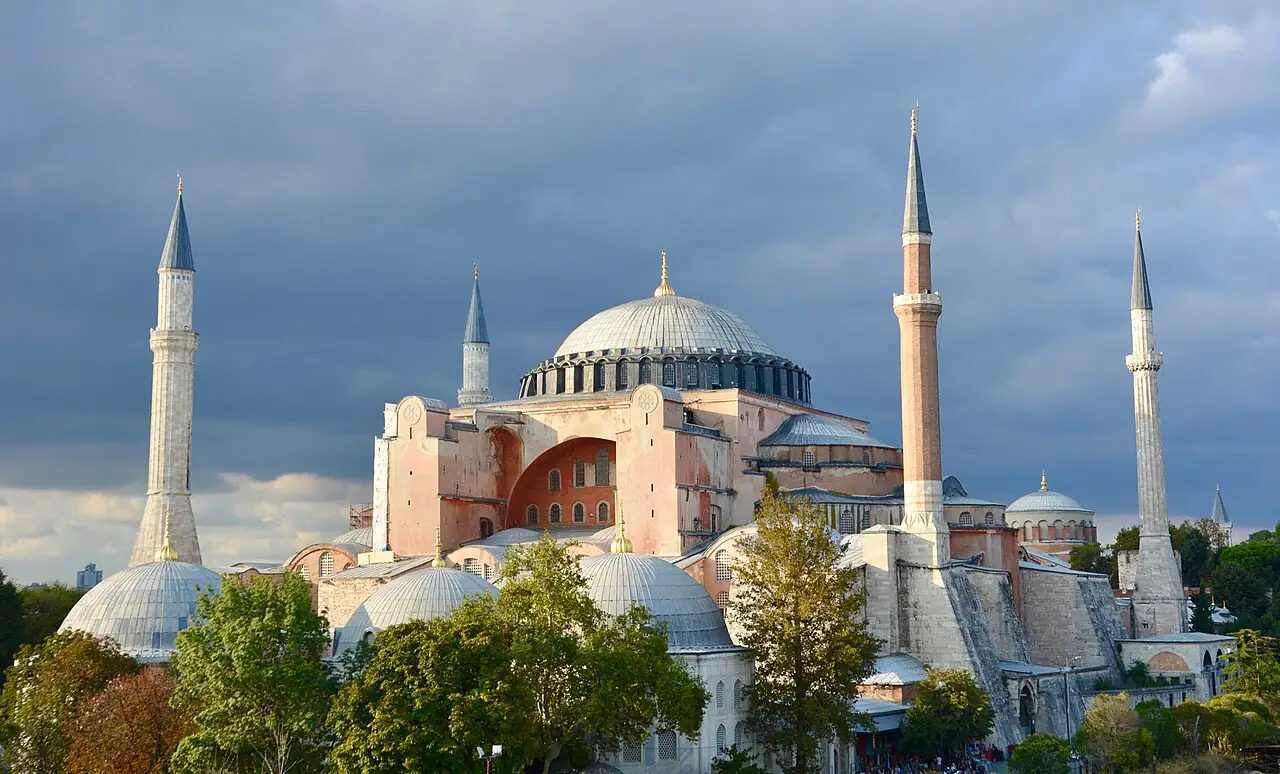
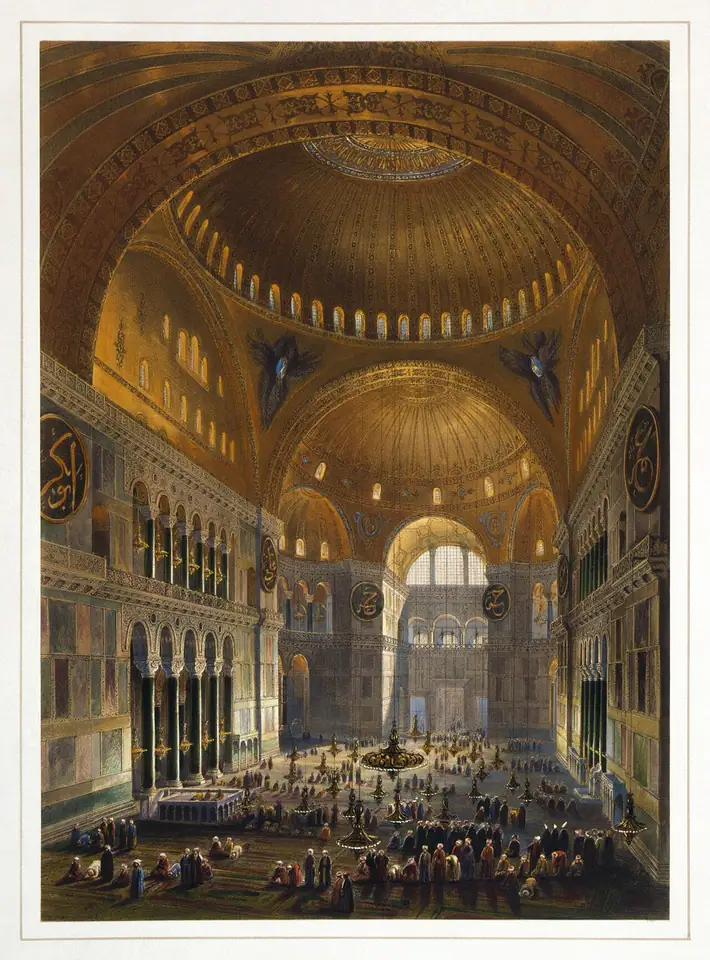 Then · 1852Now · TodayMove across the image to compare
Hagia Sophia: how it was designed
- 01
A circle on a square
The dome rests on four great arches. Between them, curved triangular surfaces called pendentives carry the dome's round base down to the square of four piers — the first time this was done at such a scale.
- 02
A dome that floats
Forty windows pierce the dome's base. Light pouring through them hides the supports, which led the historian Procopius to write that the dome seemed to hang from heaven on a golden chain.
- 03
Space that unfolds
Half-domes to east and west extend the central space, and smaller semi-domes open off them, so the nave grows outward in a cascade of curves.
- 04
Built by mathematicians
Anthemius and Isidore were scholars of geometry and mechanics rather than master builders, which may explain both the daring design and its structural problems.
Construction timeline
Built for Justinian; dedicated on 27 December 537.
After earthquakes the first dome collapses; Isidore the Younger rebuilds it about 6 metres higher.
Partial collapses of the dome are repaired, the first by the Armenian architect Trdat.
Mehmed II converts it into a mosque; minarets are added over the following century, and Mimar Sinan adds buttresses.
The Swiss-Italian Fossati brothers restore the building for Sultan Abdulmejid.
Opened as a museum in 1935; reclassified as a mosque in July 2020.
How the design changed
A steeper dome
The rebuilt dome of 562 is taller and more steeply curved than the original, which reduced the outward thrust that had brought the first one down.
Two faiths in one interior
Ottoman additions include the mihrab, minbar, huge calligraphic roundels and four minarets. Many Byzantine mosaics were plastered over, then uncovered during the museum era.
Who built it
Anthemius of Tralles and Isidore of Miletus designed it; later Byzantine accounts say some 10,000 workers built it. Justinian's treasury paid for marble brought from across the empire — green from Thessaly, purple porphyry from Egypt, yellow from North Africa.
Where it is
Istanbul, Turkey · 41.0083° N, 28.9800° E · Open in OpenStreetMap. Nearest in this guide: Parthenon (563 km), Göbekli Tepe (955 km), Great Pyramid (1,242 km).
 563 km955 km1,242 kmHagia Sophia
Drag to pan, use + and − or double-click to zoom, and tap any pin for a preview.
Built around the same time
| Monument | Country | Built | Gap |
|---|---|---|---|
| Shwedagon Pagoda | Myanmar | Founded c. 6th–10th century CE; present form 1775 | 68 years later |
| Mont-Saint-Michel | France | 708–1521; spire 1897 | 176 years later |
| Tōdai-ji Great Buddha Hall | Japan | 752 CE; hall rebuilt 1195 and 1709 | 213 years later |
| Kailasa Temple, Ellora | India | 8th century CE (mainly under Krishna I, r. c. 756–773) | 224 years later |
Hagia Sophia: questions people ask
How long did it take to build Hagia Sophia?
Less than six years: work began in February 532 and the church was dedicated on 27 December 537.
Who designed Hagia Sophia?
Anthemius of Tralles and Isidore of Miletus, two mathematicians and engineers, designed it for Emperor Justinian I.
Is Hagia Sophia a church or a mosque?
It was a cathedral from 537, a mosque from 1453, a museum from 1935 and has been a mosque again since July 2020. Visitors are admitted outside prayer times.
Why does the Hagia Sophia dome look like it floats?
A ring of 40 windows at the dome's base floods it with light and visually separates it from its supports.
Sources & image credits
- UNESCO World Heritage Centre — Historic Areas of Istanbul
- Wikipedia — Hagia Sophia
- Encyclopaedia Britannica — Hagia Sophia summary
- Current photograph: Hagia Sophia (228968325).jpeg by Adli Wahid, CC BY-SA 3.0 — original on Wikimedia Commons · licence.
- Historic image: Gaspare Fossati - Louis Haghe - Vue générale de la grande nef, en regardant l'occident (Hagia Sophia - Ayasofya Mosque nave).jpg by Gaspare Fossati (artist, 1809-1883) Louis Haghe (lithographer, 1806-1885) Adam Cuerden (restoration), Public domain — original on Wikimedia Commons.
- Coordinates from Wikidata. Images resized and converted to WebP; otherwise unaltered. Checked October 25, 2026.
More to wander into
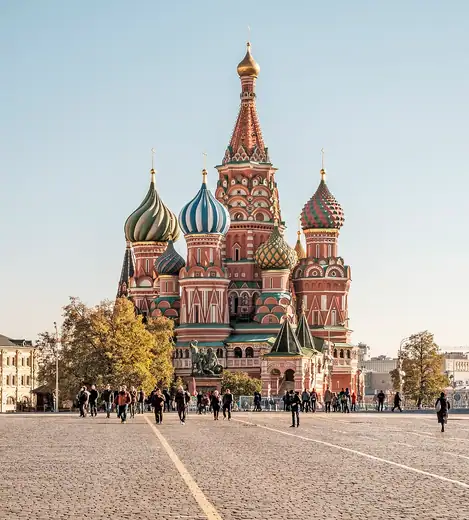
- World monument · 1555–1561Saint Basil's CathedralNine chapels in one, painted into a riot of colour a century after it was built.
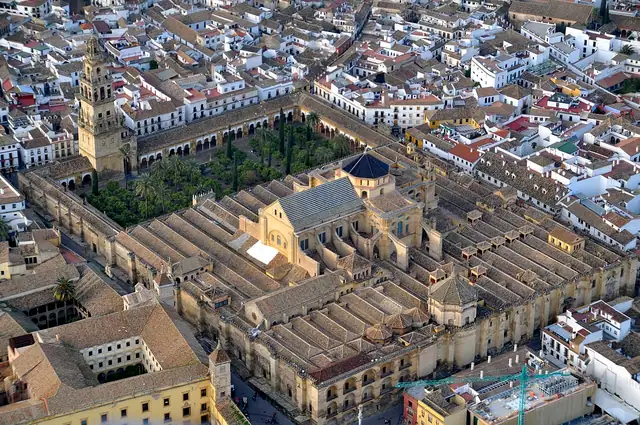
- World monument · 785–988 (mosque); cathedral nave from 1523Mosque–Cathedral of CórdobaA forest of striped double arches, with a cathedral built in its middle.
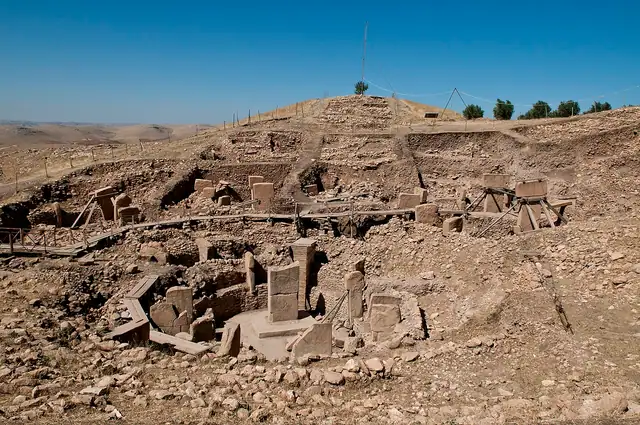
- World monument · c. 9600–8200 BCEGöbekli TepeThe oldest known monument: carved stone pillars raised 11,600 years ago by hunter-gatherers.
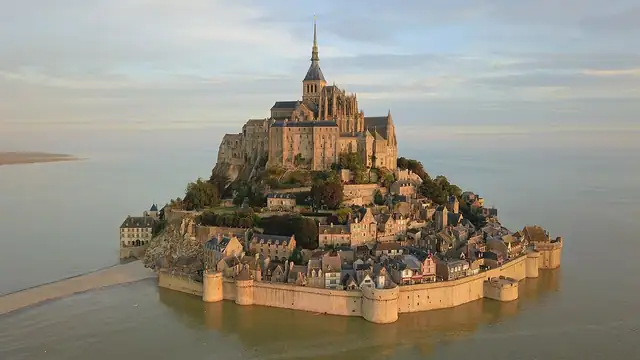
- World monument · 708–1521; spire 1897Mont-Saint-MichelAn abbey stacked on a rock in the sea, made an island again in 2014.
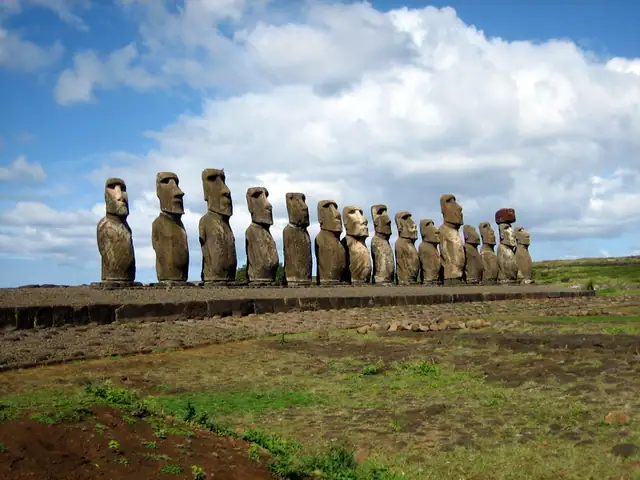
- World monument · c. 1250–1500 CE (most statues)Moai of Rapa NuiAncestor statues carved from a volcano, toppled, then raised again by cranes.
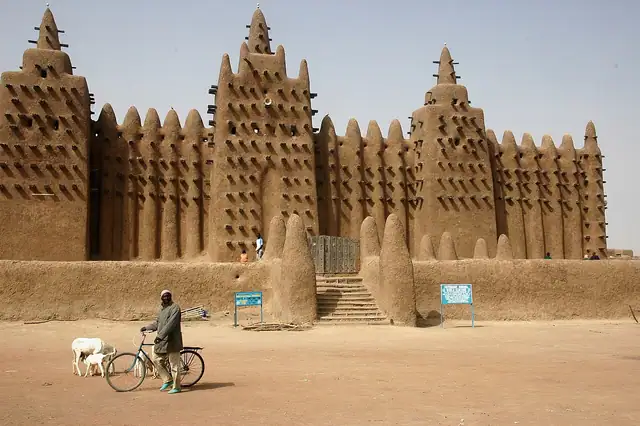
- World monument · 1906–1907 (first mosque on the site 13th century)Great Mosque of DjennéThe world's largest mud building, replastered by the whole town every year.
Get the ideas, not the noise.
Sign up with Google and we’ll send you short UX psychology tips by email — why people tap, stall and leave, and what to do about it. Unsubscribe anytime. Prefer something to keep? Get the free Laws of UX guide as a PDF.