 By
At a glance: Shwedagon Pagoda
- Location
- Singuttara Hill, Yangon, Myanmar
- Built
- Founded c. 6th–10th century CE; present form 1775
- Type
- Buddhist stupa (zedi) · Sacred
- Style
- Burmese (Mon and Konbaung traditions)
- Commissioned by
- Mon rulers; rebuilt by Queen Shin Sawbu and King Hsinbyushin
- Architects & builders
- Not recorded
- Materials
- Brick core covered in gold plate and gold leaf
- Size
- About 99 m tall
- UNESCO
- Not a World Heritage Site
Shwedagon: what it is
Shwedagon is Myanmar's most sacred Buddhist site, believed to enshrine relics of four Buddhas, including eight hairs of Gautama Buddha. It dominates Yangon's skyline from its hilltop terrace.
Around the main stupa stand dozens of smaller stupas, shrines, pavilions and planetary posts, making the platform a city of gilded spires that pilgrims circle clockwise.
Shwedagon, then and now
Real images only: an earlier view and a recent photograph, each credited and linked to its original file. Switch between them or compare side by side.
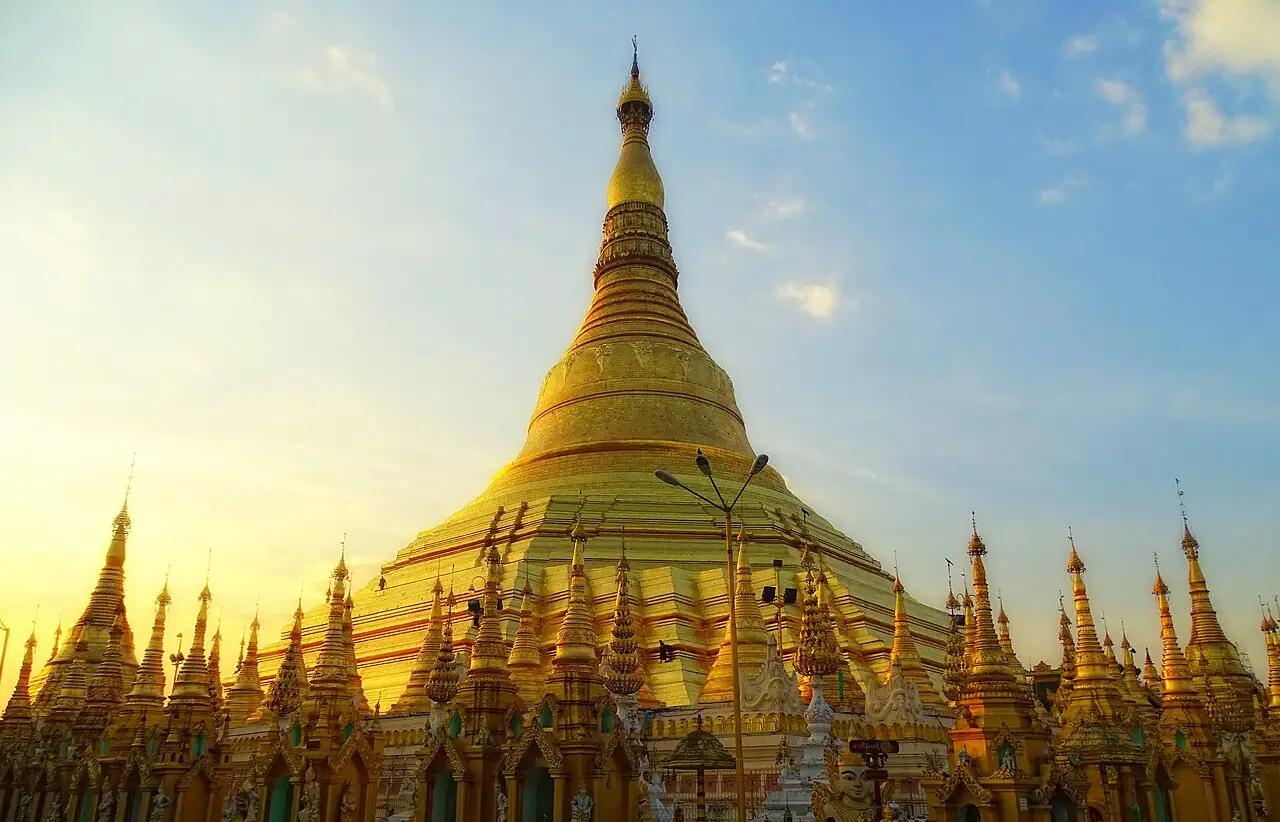
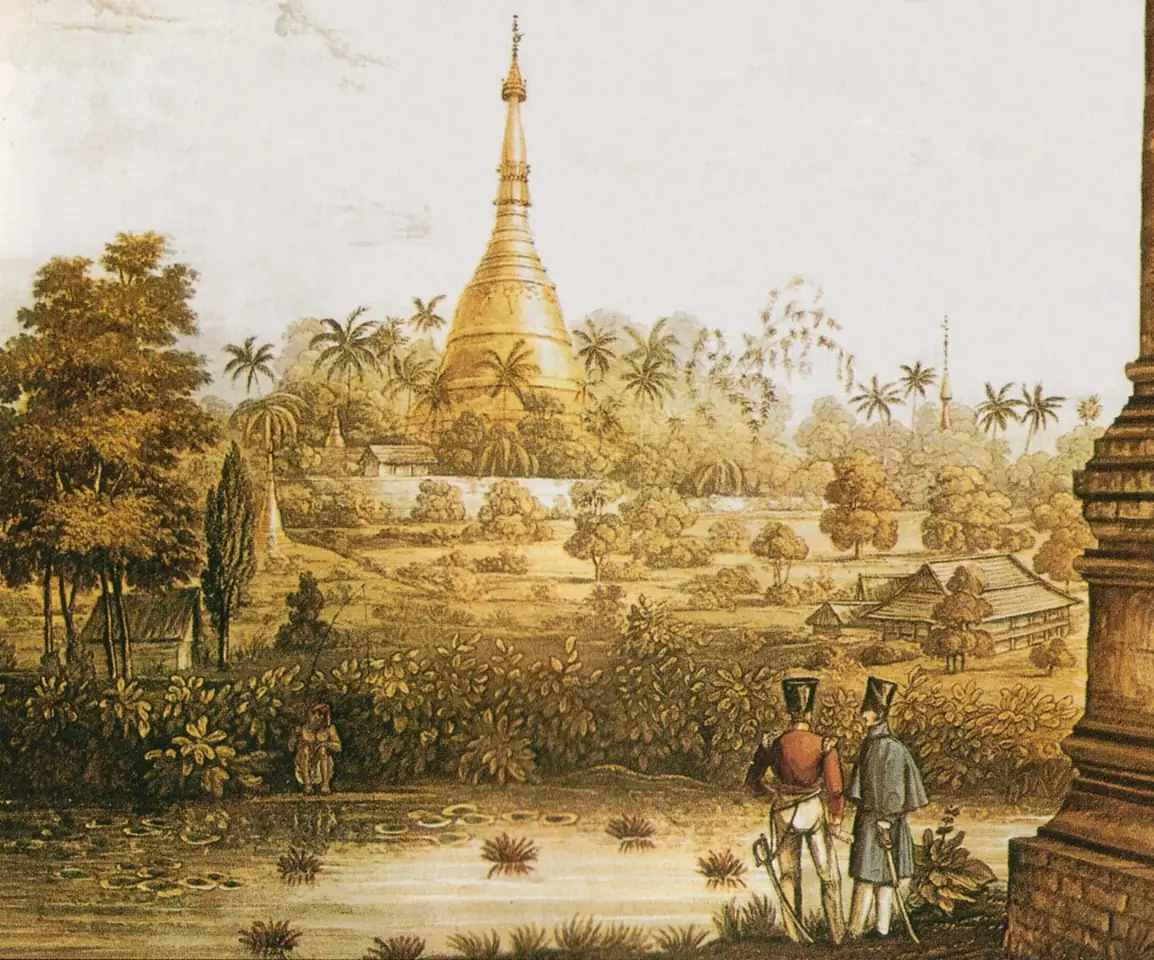 Then · 1825Now · TodayMove across the image to compare
Shwedagon: how it was designed
- 01
A bell that becomes a spire
The stupa rises from square terraces through an octagonal base and a bell-shaped body, then through bands of moulding, an inverted bowl, lotus petals and a banana-bud shape to the crown. Each element has symbolic meaning.
- 02
Covered in gold
The upper parts are covered with gold plates, the rest with gold leaf, renewed regularly through donations from the faithful.
- 03
A crown of jewels
The hti (umbrella crown) and the diamond orb at the very top are set with thousands of diamonds and other gems, catching the sun at sunrise and sunset.
- 04
Days of the week in the plan
Eight planetary posts around the base correspond to the days of the Burmese week (Wednesday is split in two). Pilgrims pray at the post for the day they were born.
Construction timeline
Archaeologists date the first stupa on the hill to this period; tradition places it in the Buddha's lifetime.
Queen Shin Sawbu of Hanthawaddy raises the stupa to about 40 m and, by tradition, gives her body weight in gold to gild it.
An earthquake brings down the top of the stupa.
King Hsinbyushin rebuilds it to its present height and installs a new crown.
British troops occupy the pagoda platform as a fortress during the Anglo-Burmese wars.
A new hti is installed after the old one is lowered for regilding and new gems.
How the design changed
Grown by encasing
Like many stupas, Shwedagon grew by being encased in new, larger layers, so earlier stupas are believed to lie inside the present one.
Gold renewed, never finished
Gilding and repairs are continuous, funded by donations, so the stupa's surface is always partly new.
Who built it
Its earliest builders were probably Mon people of Lower Burma. Queen Shin Sawbu and King Hsinbyushin led the best-documented rebuildings. Kings and ordinary donors alike have added gold and jewels, so the stupa is a collective work spanning many centuries.
Where it is
Singuttara Hill, Yangon, Myanmar · 16.7983° N, 96.1494° E · Open in OpenStreetMap. Nearest in this guide: Angkor Wat (910 km), Konark (1,115 km), Potala Palace (1,519 km).
 910 km1,115 km1,519 kmShwedagon
Drag to pan, use + and − or double-click to zoom, and tap any pin for a preview.
Built around the same time
| Monument | Country | Built | Gap |
|---|---|---|---|
| Hagia Sophia | Turkey | 532–537 CE | 68 years earlier |
| Mont-Saint-Michel | France | 708–1521; spire 1897 | 108 years later |
| Tōdai-ji Great Buddha Hall | Japan | 752 CE; hall rebuilt 1195 and 1709 | 145 years later |
| Kailasa Temple, Ellora | India | 8th century CE (mainly under Krishna I, r. c. 756–773) | 156 years later |
Shwedagon: questions people ask
How old is Shwedagon Pagoda?
Tradition says over 2,500 years. Archaeologists date its founding to between the 6th and 10th centuries CE; its present height dates from 1775.
How tall is Shwedagon Pagoda?
About 99 metres (325 feet), standing on a hill that raises it well above the city of Yangon.
Is Shwedagon Pagoda covered in real gold?
Yes. Its upper sections are covered with gold plates and the rest with gold leaf, donated and renewed by worshippers.
What are the planetary posts at Shwedagon?
Eight shrines around the base represent the days of the Burmese week, with Wednesday split in two. People pray at the post for their day of birth.
Sources & image credits
- Wikipedia — Shwedagon Pagoda
- Encyclopaedia Britannica — Shwedagon Pagoda
- Current photograph: Shwedagon Pagoda 2017.jpg by Bjørn Christian Tørrissen, CC BY-SA 4.0 — original on Wikimedia Commons · licence.
- Historic image: Shwedagon pagoda.jpg by Joseph Moore (Engraved by T. Fielding, G. Hunt, H. Pyall), Public domain — original on Wikimedia Commons.
- Coordinates from Wikidata. Images resized and converted to WebP; otherwise unaltered. Checked October 25, 2026.
More to wander into
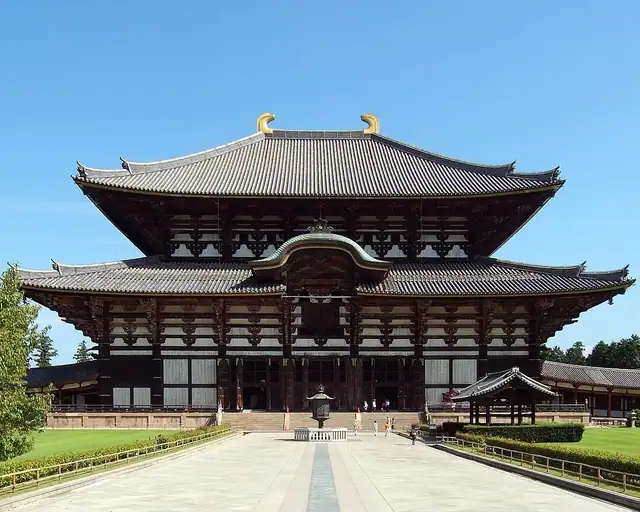
- World monument · 752 CE; hall rebuilt 1195 and 1709Tōdai-ji Great Buddha HallA giant bronze Buddha in a wooden hall rebuilt smaller after two fires.
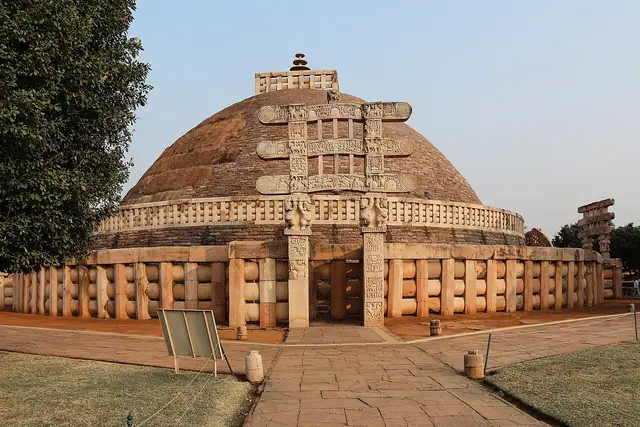
- World monument · 3rd century BCE – 1st century CEGreat Stupa at SanchiAshoka's stupa, with four gateways that tell the Buddha's story without showing him.
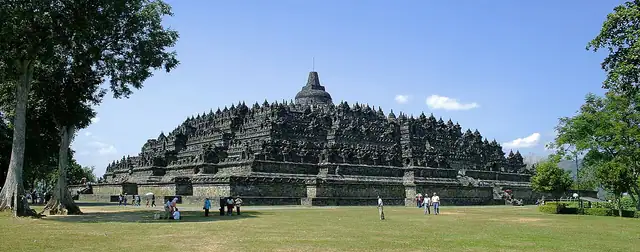
- World monument · c. late 8th – early 9th centuryBorobudurA Buddhist mandala in stone, climbed as a 5-km path to enlightenment.
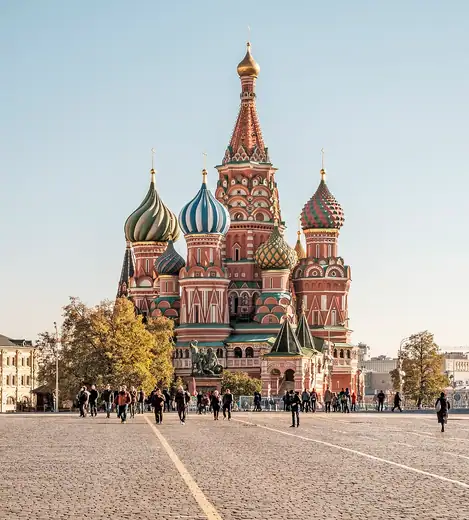
- World monument · 1555–1561Saint Basil's CathedralNine chapels in one, painted into a riot of colour a century after it was built.
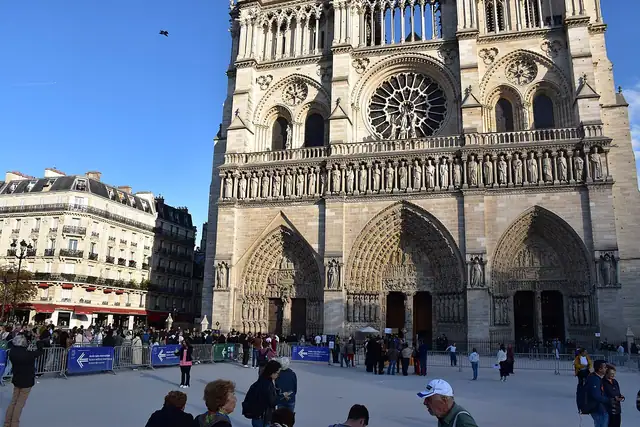
- World monument · 1163–c. 1345; restored 1845–1864 and 2019–2024Notre-Dame de ParisA Gothic cathedral restored in the 1800s and rebuilt after the 2019 fire.
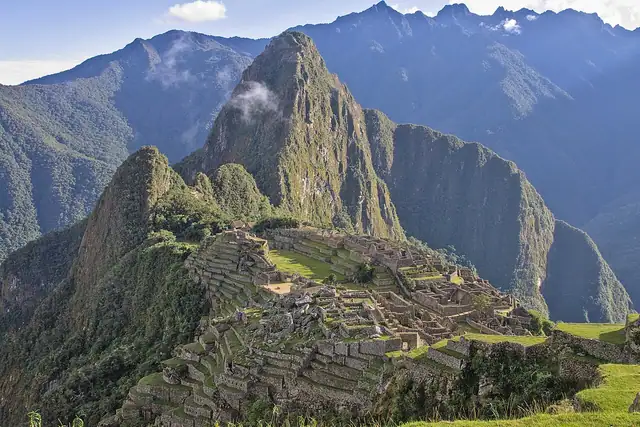
- World monument · c. 1450 – early 16th centuryMachu PicchuPachacuti's mountain estate, built to flex in earthquakes and shed tropical rain.
Get the ideas, not the noise.
Sign up with Google and we’ll send you short UX psychology tips by email — why people tap, stall and leave, and what to do about it. Unsubscribe anytime. Prefer something to keep? Get the free Laws of UX guide as a PDF.