 By
At a glance: Machu Picchu
- Location
- Cusco Region, Peru
- Built
- c. 1450 – early 16th century
- Type
- Royal estate in the mountains · Royal
- Style
- Inca imperial
- Commissioned by
- Inca emperor Pachacuti
- Architects & builders
- Not recorded
- Materials
- Granite, cut on site
- Size
- About 2,430 m above sea level; some 200 structures
Machu Picchu: what it is
Machu Picchu was probably a royal retreat for Pachacuti, the ruler who expanded the Inca state into an empire. It held temples, residences for the elite and their servants, storehouses and agricultural terraces, all fitted to a narrow saddle between two peaks.
The Spanish never found it, so it escaped the destruction that befell other Inca sites. Local farmers knew it well; the American explorer Hiram Bingham, guided by them in 1911, publicised it worldwide.
Machu Picchu, then and now
Real images only: an earlier view and a recent photograph, each credited and linked to its original file. Switch between them or compare side by side.
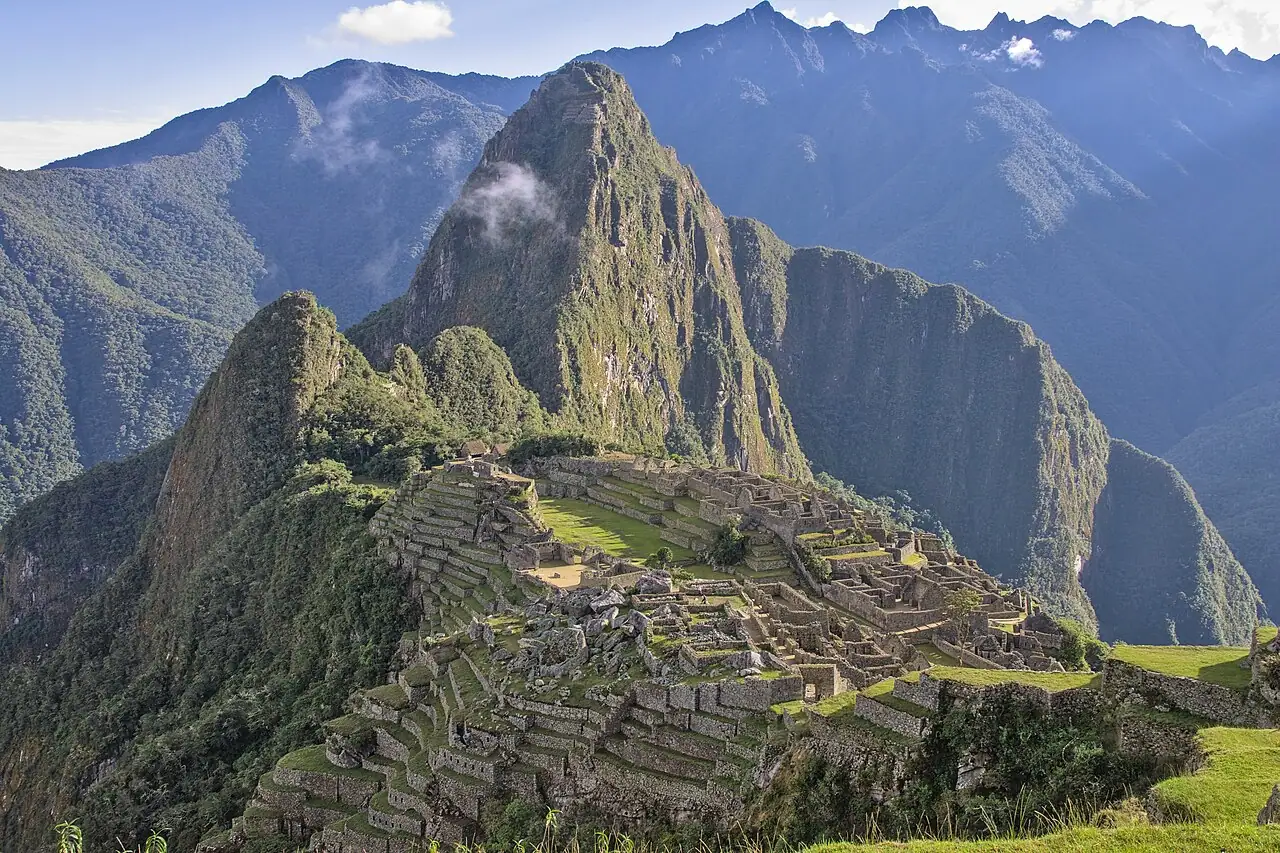
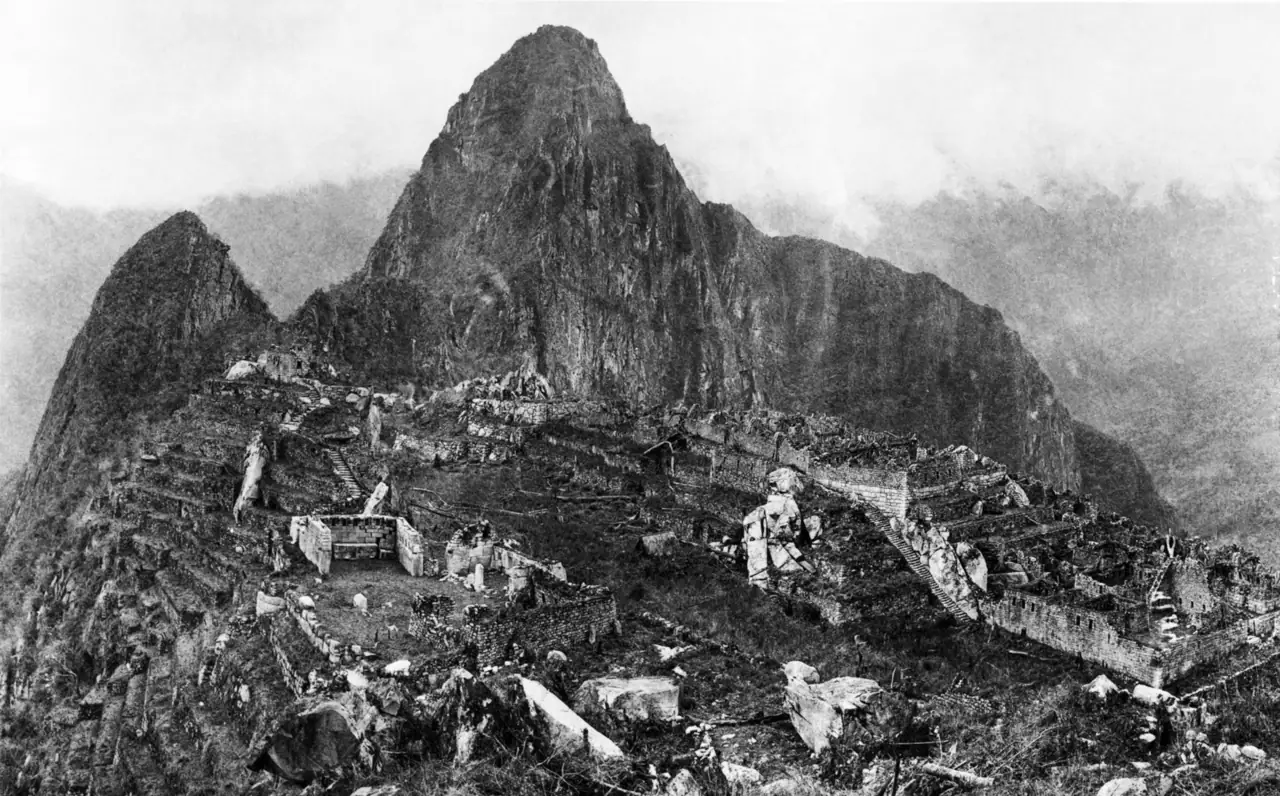 Then · 1912Now · TodayMove across the image to compare
Machu Picchu: how it was designed
- 01
Stones that dance
The finest buildings use ashlar blocks cut to fit so tightly that no mortar is needed. In an earthquake the stones shift and settle back, which Peruvians describe as the stones 'dancing'.
- 02
Trapezoids everywhere
Doors, windows and niches narrow toward the top, and walls lean inward slightly. The shape is stable and became a signature of Inca architecture.
- 03
Most of it is underground
Engineers estimate that about 60% of the construction is below the surface: deep foundations and layers of crushed stone that drain the heavy rainfall.
- 04
Shaped by the mountain
Buildings follow the rock: the Temple of the Sun curves around a granite outcrop, and the Intihuatana stone is carved from the peak's bedrock.
Construction timeline
Construction begins for Pachacuti.
The estate is occupied by a small population, estimated at around 750 people.
Machu Picchu is abandoned during the upheaval of the Spanish conquest.
Agustín Lizárraga, a local farmer, writes his name on a wall of the Temple of the Three Windows.
Hiram Bingham's Yale expeditions clear and photograph the site and take artefacts to Yale, returned to Peru in 2011–2012.
Inscribed on the UNESCO World Heritage List.
How the design changed
Cleared of the forest
When Bingham arrived, the ruins were covered in vegetation and parts were farmed. Clearing it created the open, green-terraced image now familiar worldwide.
Managing the crowds
Peru now limits daily tickets, sets timed entry and fixed circuits to protect the stonework from wear.
Who built it
Inca stonemasons, working with stone and bronze tools, built Machu Picchu as part of the labour tax (mit'a) owed to the state. Its residents came from many parts of the empire, as shown by DNA and isotope studies of burials published in 2023.
Where it is
Cusco Region, Peru · 13.1633° S, 72.5456° W · Open in OpenStreetMap. Nearest in this guide: Christ the Redeemer (3,279 km), Moai (4,125 km), Chichen Itza (4,151 km).
 3,279 km4,125 km4,151 kmMachu Picchu
Drag to pan, use + and − or double-click to zoom, and tap any pin for a preview.
Built around the same time
| Monument | Country | Built | Gap |
|---|---|---|---|
| Forbidden City | China | 1406–1420 | 44 years earlier |
| St Peter's Basilica | Vatican City | 1506–1626 (square completed 1667) | 56 years later |
| Saint Basil's Cathedral | Russia | 1555–1561 | 105 years later |
| Hampi (Group of Monuments) | India | Mainly 14th–16th century (Vijayanagara Empire, 1336–1565) | 114 years earlier |
Machu Picchu: questions people ask
Who built Machu Picchu?
The Inca built it around 1450 as an estate for the emperor Pachacuti, using labour owed to the state.
Why was Machu Picchu abandoned?
It was abandoned during the 16th-century collapse of the Inca Empire after the Spanish conquest, possibly also because of epidemics. The Spanish never found it.
How was Machu Picchu built without mortar?
Masons cut granite blocks so precisely that they fit together without mortar, with slight inward leaning and trapezoidal openings that help the walls survive earthquakes.
Who discovered Machu Picchu?
Local farmers always knew it. Hiram Bingham, guided by them in 1911, brought it to international attention.
Sources & image credits
- UNESCO World Heritage Centre — Historic Sanctuary of Machu Picchu
- Wikipedia — Machu Picchu
- Ministerio de Cultura del Perú — Machu Picchu
- Current photograph: Machu Picchu, 2023 (012).jpg by Draceane, CC BY-SA 4.0 — original on Wikimedia Commons · licence.
- Historic image: Machu Picchu.png by Hiram Bingham III, Public domain — original on Wikimedia Commons.
- Coordinates from Wikidata. Images resized and converted to WebP; otherwise unaltered. Checked October 25, 2026.
More to wander into
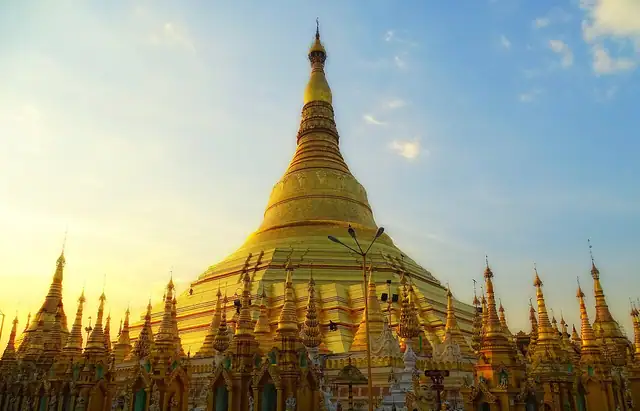
- World monument · Founded c. 6th–10th century CE; present form 1775Shwedagon PagodaA 99-metre stupa wrapped in gold, rebuilt after every earthquake.
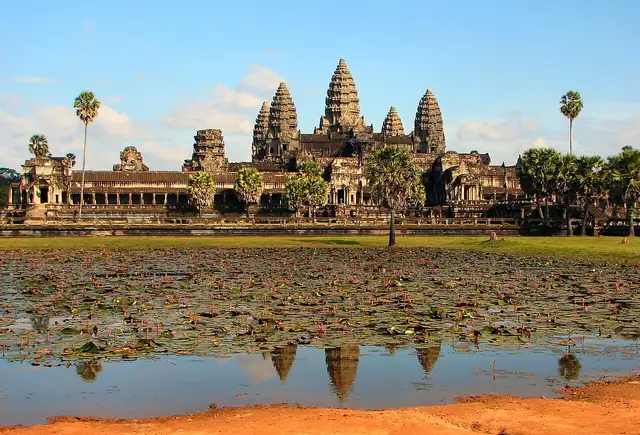
- World monument · c. 1113–1150 CEAngkor WatA model of the Hindu cosmos in stone, surrounded by a 190-metre moat.
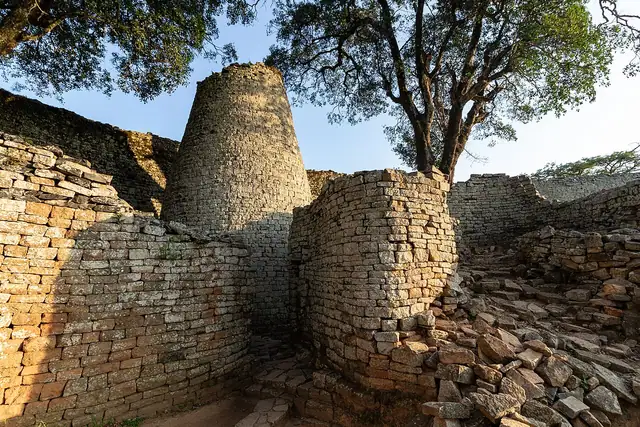
- World monument · c. 11th–15th century CEGreat ZimbabweMortarless granite walls of an African kingdom, once falsely credited to outsiders.
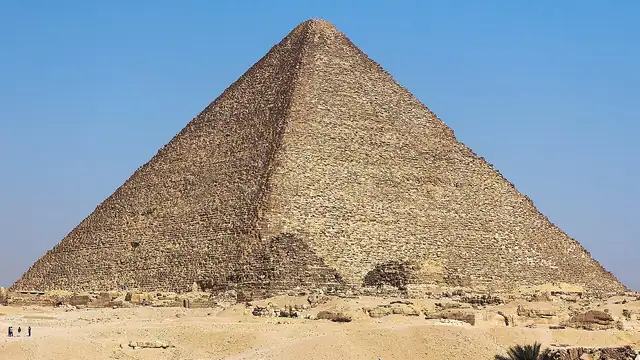
- World monument · c. 2600–2560 BCEGreat Pyramid of GizaKhufu's tomb, the tallest structure on Earth for almost 4,000 years.
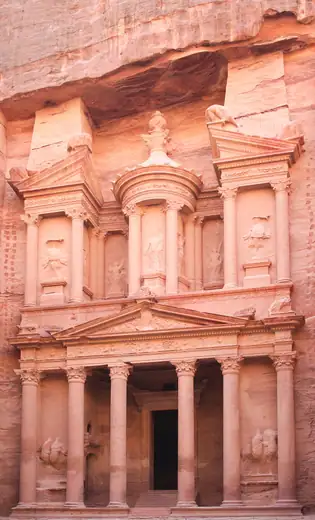
- World monument · Al-Khazneh: about the 1st century CEPetra — Al-Khazneh (the Treasury)A royal tomb carved top-down into a rose-red cliff, at the end of a narrow gorge.
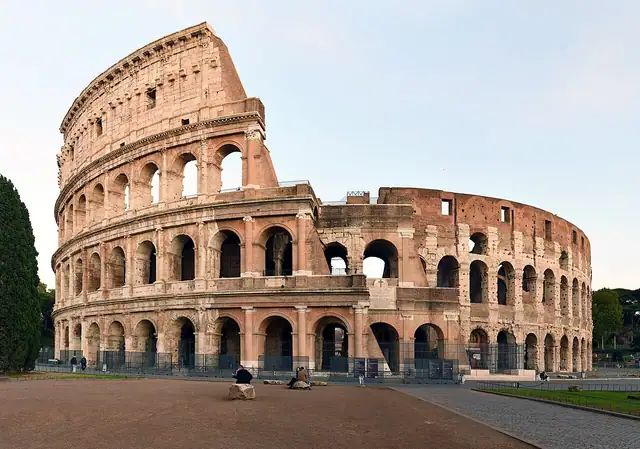
- World monument · c. 70–80 CEColosseumRome's 50,000-seat arena, designed to fill and empty fast.
Get the ideas, not the noise.
Sign up with Google and we’ll send you short UX psychology tips by email — why people tap, stall and leave, and what to do about it. Unsubscribe anytime. Prefer something to keep? Get the free Laws of UX guide as a PDF.