 By
At a glance: St Peter's Basilica
- Location
- Vatican City, Vatican City
- Built
- 1506–1626 (square completed 1667)
- Type
- Basilica · Sacred
- Style
- Renaissance and Baroque
- Commissioned by
- Popes from Julius II to Urban VIII
- Architects & builders
- Bramante, Raphael, Antonio da Sangallo the Younger, Michelangelo, Giacomo della Porta, Carlo Maderno, Gian Lorenzo Bernini
- Materials
- Travertine, brick, marble, bronze
- Size
- Dome about 136.6 m to the top of the cross; interior dome about 42 m across
- UNESCO
- Vatican City (1984)
St Peter's: what it is
Old St Peter's, built under Emperor Constantine in the 4th century, was crumbling by the 1400s. Pope Julius II laid the foundation stone of a new church on 18 April 1506.
The cost was enormous. Funding it through the sale of indulgences provoked Martin Luther's protests in 1517, so the building is tied to the start of the Protestant Reformation.
St Peter's, then and now
Real images only: an earlier view and a recent photograph, each credited and linked to its original file. Switch between them or compare side by side.
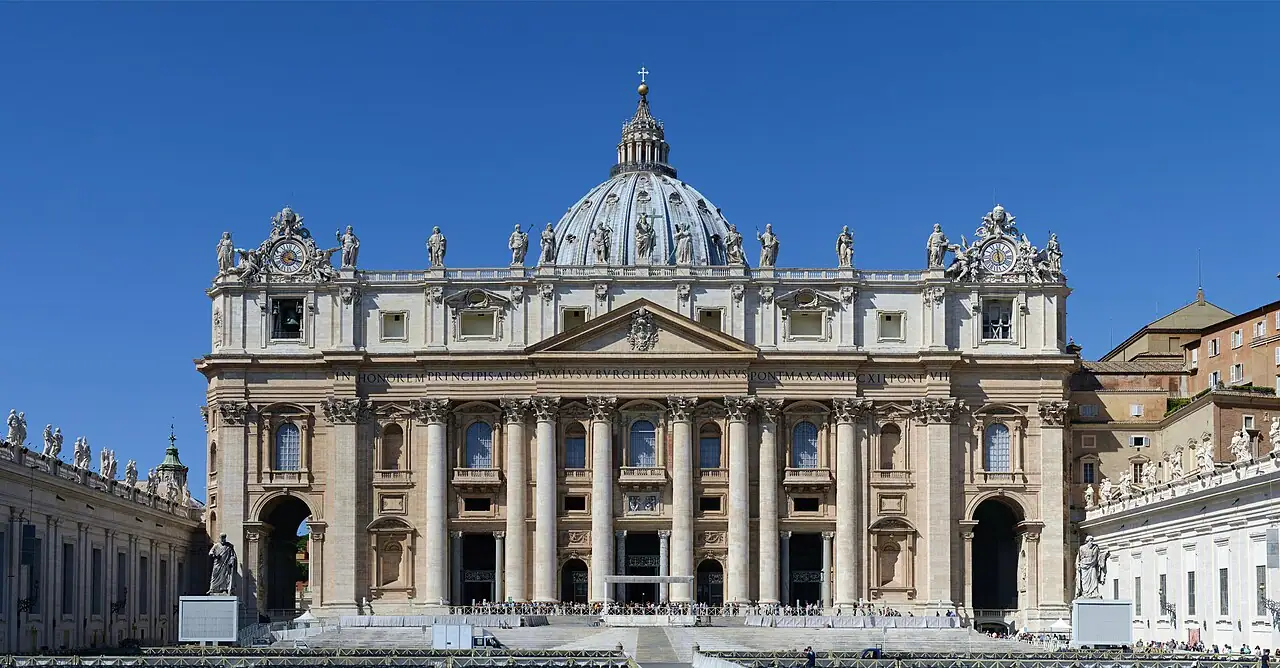
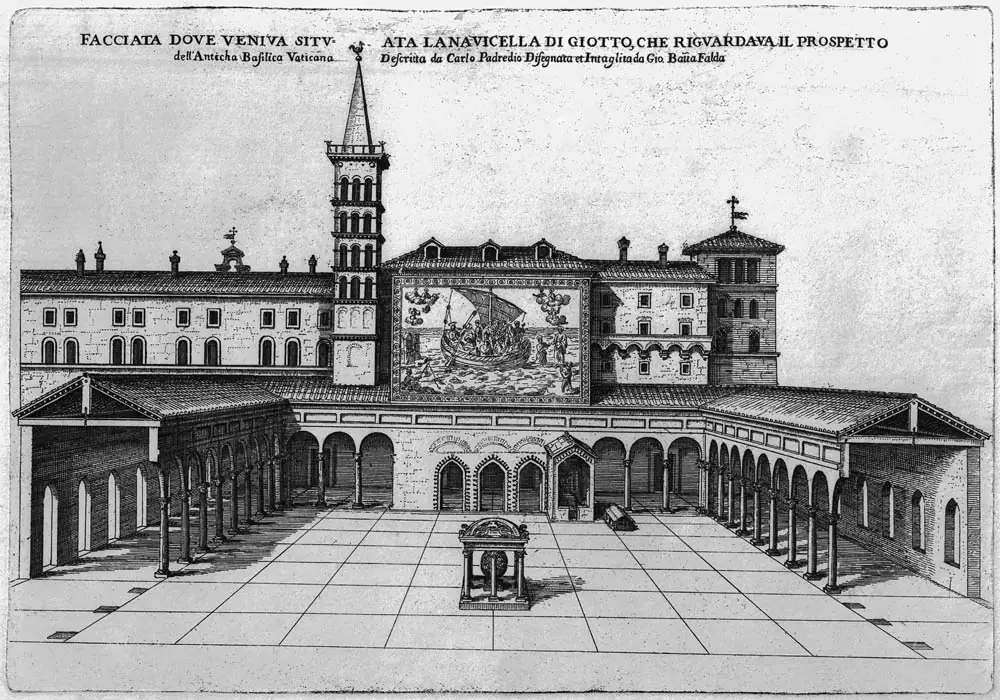 Then · Old basilicaNow · TodayMove across the image to compare
St Peter's: how it was designed
- 01
Greek cross vs Latin cross
Bramante and Michelangelo wanted a centralised Greek-cross plan with the dome at the heart. Maderno extended the nave into a Latin cross for processions and more worshippers, changing the building's balance.
- 02
Michelangelo's dome
Michelangelo designed the drum and dome, a double shell braced by ribs. Giacomo della Porta built it in 1588–1590 with a slightly taller profile than Michelangelo's model.
- 03
Bernini's arms
Bernini's oval piazza, enclosed by two curving colonnades of 284 columns, was designed as the arms of the Church embracing the faithful.
Construction timeline
Julius II lays the foundation stone of Bramante's design.
Michelangelo, aged 71, takes charge and redesigns the dome and the east end.
Giacomo della Porta and Domenico Fontana build the dome.
Carlo Maderno extends the nave and builds the façade.
Pope Urban VIII consecrates the basilica.
Bernini builds St Peter's Square.
How the design changed
A façade that hides the dome
Maderno's long nave and wide façade mean that from much of the square the dome is partly hidden — the trade-off of turning a centralised plan into a longitudinal one.
Bell towers that failed
Bernini began bell towers on the façade in the 1630s, but cracks appeared and one was demolished in 1646. The arches at either end of the façade are what remain of the scheme.
Who built it
The basilica was directed by a sequence of architects: Donato Bramante, Raphael, Baldassare Peruzzi, Antonio da Sangallo the Younger, Michelangelo, Giacomo della Porta, Carlo Maderno and Gian Lorenzo Bernini. Each pope who funded it pushed his own priorities.
Where it is
Vatican City, Vatican City · 41.9022° N, 12.4534° E · Open in OpenStreetMap. Nearest in this guide: Pantheon (2 km), Colosseum (3 km), Tower of Pisa (263 km).
 2 km3 km263 kmSt Peter's
Drag to pan, use + and − or double-click to zoom, and tap any pin for a preview.
Built around the same time
| Monument | Country | Built | Gap |
|---|---|---|---|
| Saint Basil's Cathedral | Russia | 1555–1561 | 49 years later |
| Machu Picchu | Peru | c. 1450 – early 16th century | 56 years earlier |
| Golden Temple (Harmandir Sahib) | India | 1581–1604; rebuilt 1764; gilded early 19th century | 75 years later |
| Himeji Castle | Japan | 1601–1609 (earlier fort from 1346) | 95 years later |
St Peter's: questions people ask
Who designed St Peter's Basilica?
Many architects did. Bramante made the first design in 1506; Michelangelo designed the dome; Maderno added the nave and façade; Bernini designed the square and much of the interior.
How long did it take to build St Peter's Basilica?
About 120 years, from 1506 to its consecration in 1626, with Bernini's square completed in 1667.
How tall is St Peter's dome?
About 136.6 metres from the floor to the top of the cross, with an interior diameter of about 42 metres.
Is St Peter's the largest church in the world?
It has one of the largest interiors of any Christian church and was long the largest; a few modern churches now rival it in area.
Sources & image credits
- UNESCO World Heritage Centre — Vatican City
- Wikipedia — St. Peter's Basilica
- Basilica Papale di San Pietro — official site
- Current photograph: Basilica di San Pietro in Vaticano September 2015-1a.jpg by Alvesgaspar, CC BY-SA 4.0 — original on Wikimedia Commons · licence.
- Historic image: Engraving of the portico of Old St. Peter's Basilica.jpg by Giovanni Battista Falda, Public domain — original on Wikimedia Commons.
- Coordinates from Wikidata. Images resized and converted to WebP; otherwise unaltered. Checked October 25, 2026.
More to wander into
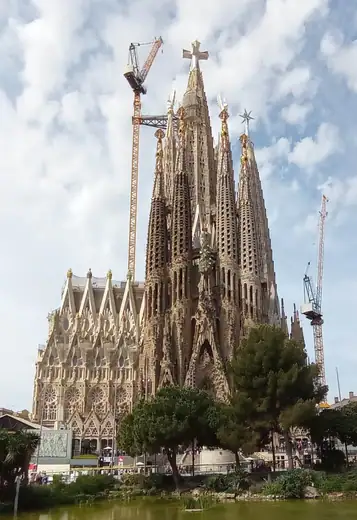
- World monument · 1882 – ongoing (central tower finished 2026)Sagrada FamíliaGaudí's unfinished basilica, now the world's tallest church after 144 years.
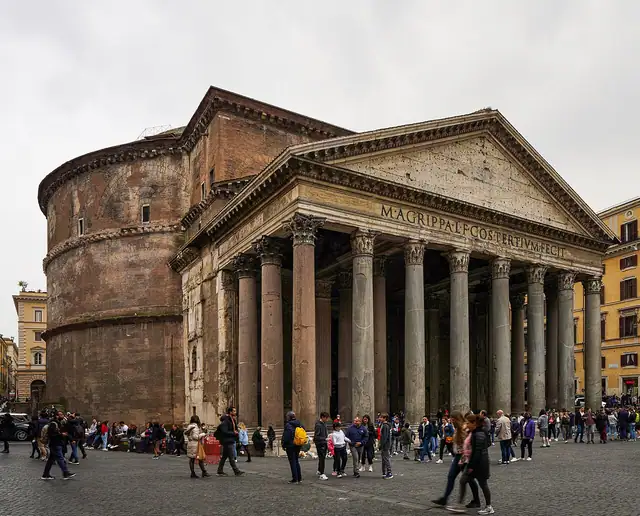
- World monument · c. 113–125 CEPantheonThe largest unreinforced concrete dome on Earth, open to the sky for 1,900 years.
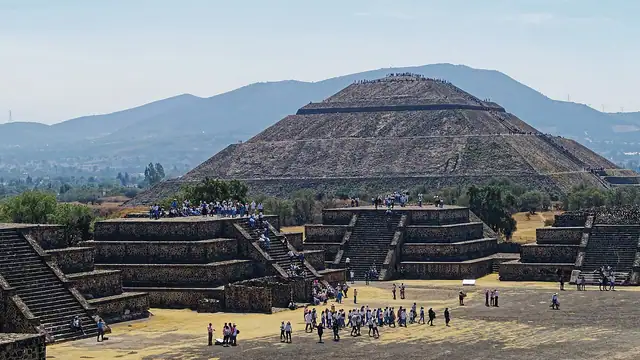
- World monument · c. 100–250 CEPyramid of the Sun, TeotihuacanThe great pyramid of a planned grid city, reshaped by a 1900s restoration.
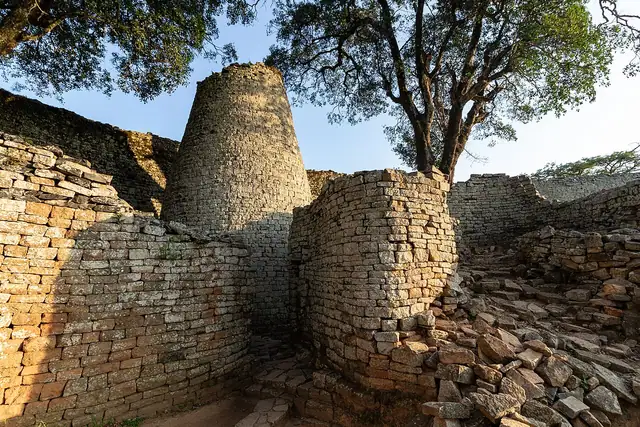
- World monument · c. 11th–15th century CEGreat ZimbabweMortarless granite walls of an African kingdom, once falsely credited to outsiders.
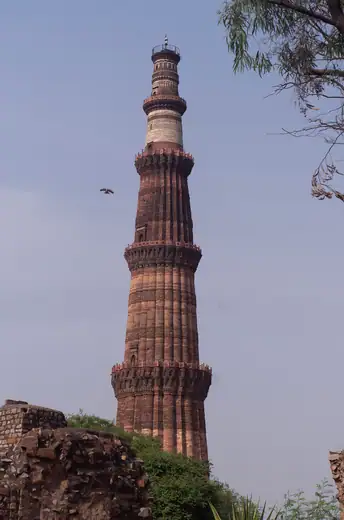
- World monument · c. 1199–1220; top rebuilt 1369Qutub MinarDelhi's fluted 72.5-metre tower, finished by three sultans over 170 years.
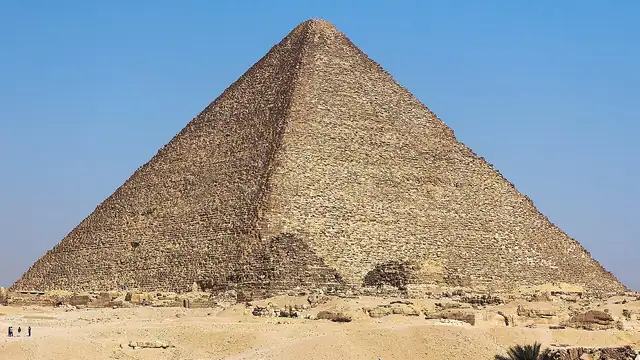
- World monument · c. 2600–2560 BCEGreat Pyramid of GizaKhufu's tomb, the tallest structure on Earth for almost 4,000 years.
Get the ideas, not the noise.
Sign up with Google and we’ll send you short UX psychology tips by email — why people tap, stall and leave, and what to do about it. Unsubscribe anytime. Prefer something to keep? Get the free Laws of UX guide as a PDF.