 By
At a glance: Sagrada Família
- Location
- Barcelona, Catalonia, Spain
- Built
- 1882 – ongoing (central tower finished 2026)
- Type
- Basilica (still under construction) · Sacred
- Style
- Catalan Modernisme; Gaudí's organic geometry
- Commissioned by
- Funded by private donations and visitor tickets
- Architects & builders
- Antoni Gaudí (from 1883), after Francisco de Paula del Villar; continued by successor architects
- Materials
- Stone, reinforced concrete, steel
- Size
- Tower of Jesus Christ 172.5 m, the tallest church tower in the world
Sagrada Família: what it is
The project began as a conventional neo-Gothic church by architect Francisco de Paula del Villar. When he resigned, the young Gaudí took over and transformed it into a design of 18 towers and three monumental façades, each telling part of Christ's story.
When Gaudí died after being hit by a tram in June 1926, less than a quarter of the project was complete. Builders have since worked from his surviving models and principles, and from 2010 the basilica has been consecrated and in use.
Sagrada Família, then and now
Real images only: an earlier view and a recent photograph, each credited and linked to its original file. Switch between them or compare side by side.
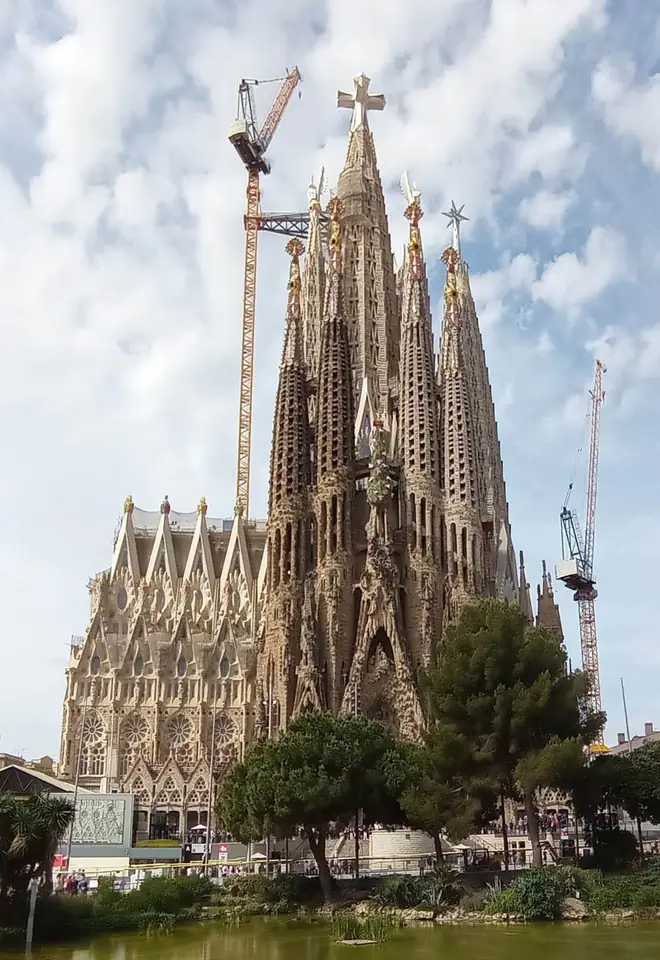
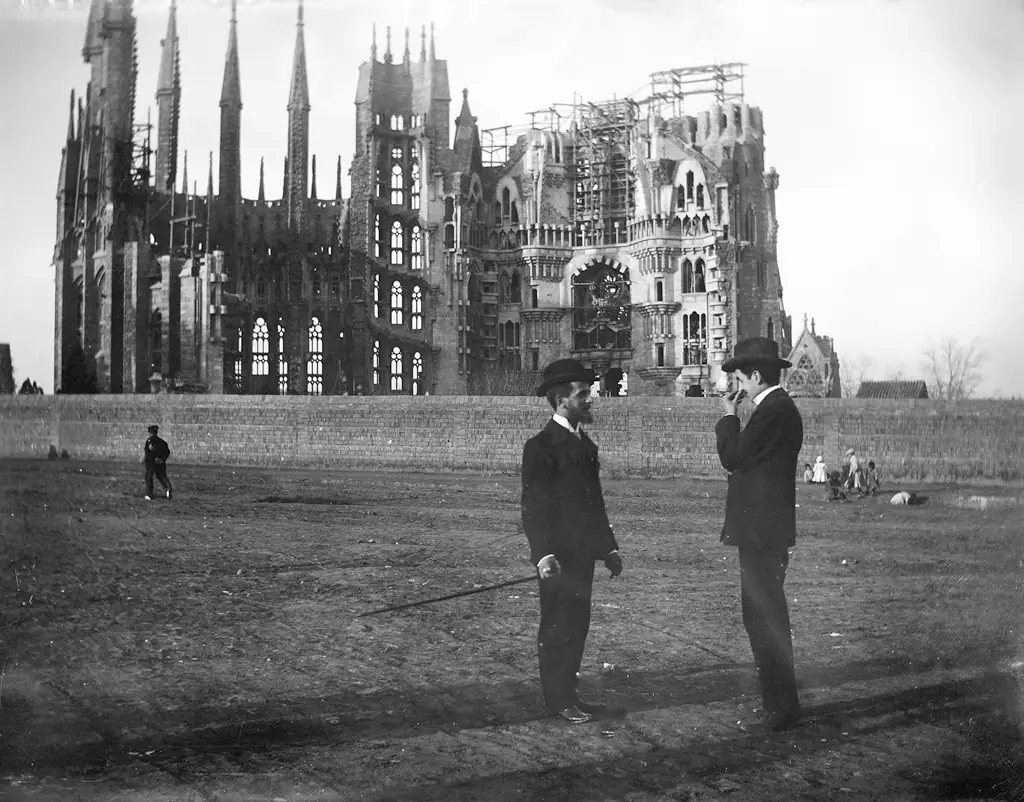 Then · 1905Now · TodayMove across the image to compare
Sagrada Família: how it was designed
- 01
Shapes from hanging chains
Gaudí designed arches and vaults by hanging weighted chains and strings and photographing them upside down. A hanging chain forms a curve in pure tension; inverted, it makes an arch in pure compression.
- 02
A stone forest
Inside, columns branch like trees to carry the vaults, spreading loads without the flying buttresses of Gothic cathedrals and filtering coloured light from the windows.
- 03
Geometry of nature
Gaudí's late designs use ruled surfaces — hyperboloids, paraboloids and helicoids — that can be built from straight lines yet look organic.
- 04
A height chosen on purpose
The Tower of Jesus Christ was set at 172.5 metres, said to be just below the height of Barcelona's Montjuïc hill, because Gaudí believed his work should not surpass God's.
Construction timeline
The foundation stone is laid under Francisco de Paula del Villar.
Antoni Gaudí takes over as architect.
The first bell tower, of St Barnabas, is completed; Gaudí dies on 10 June 1926.
During the Spanish Civil War, the crypt is set on fire and Gaudí's workshop, plans and models are damaged.
Pope Benedict XVI consecrates the basilica.
The cross tops the Tower of Jesus Christ at 172.5 m; it is blessed on 10 June 2026, the centenary of Gaudí's death.
How the design changed
Rebuilt from broken models
The plaster models smashed in 1936 were pieced back together. Successor architects have used them, along with photographs, to interpret Gaudí's intentions — a process critics argue involves much reinterpretation.
From hand to computer
Since the 1990s the team has used 3D modelling and CNC stone cutting to work out and build Gaudí's complex surfaces, greatly speeding up construction.
Who built it
Gaudí worked on it from 1883 until his death, living on site in his last years. Successors included Domènec Sugrañes and later Jordi Bonet i Armengol and Jordi Faulí. The sculptor Josep Maria Subirachs created the Passion façade sculpture from 1987. The basilica received its first building licence from the city only in 2019.
Where it is
Barcelona, Catalonia, Spain · 41.4037° N, 2.1743° E · Open in OpenStreetMap. Nearest in this guide: Alhambra (683 km), Córdoba Mezquita (712 km), Tower of Pisa (721 km).
 683 km712 km721 kmSagrada Família
Drag to pan, use + and − or double-click to zoom, and tap any pin for a preview.
Built around the same time
| Monument | Country | Built | Gap |
|---|---|---|---|
| Eiffel Tower | France | 28 January 1887 – 31 March 1889 | 5 years later |
| Statue of Liberty | United States | 1876–1886 (dedicated 28 October 1886) | 6 years earlier |
| Neuschwanstein Castle | Germany | 1869–1886 (never completed) | 13 years earlier |
| Great Mosque of Djenné | Mali | 1906–1907 (first mosque on the site 13th century) | 24 years later |
Sagrada Família: questions people ask
Is the Sagrada Família finished?
Not entirely. Its central Tower of Jesus Christ was completed in February 2026, giving the basilica its full height of 172.5 metres, but the Glory façade and other elements are still under construction.
How tall is the Sagrada Família?
Its Tower of Jesus Christ reaches 172.5 metres, making it the tallest church in the world as of 2026.
Why has the Sagrada Família taken so long to build?
It depends on private donations and ticket income, its design is extremely complex, the Spanish Civil War destroyed plans and models, and Gaudí left much undrawn at his death in 1926.
Is the Sagrada Família a UNESCO site?
Its Nativity façade and crypt, both built in Gaudí's lifetime, are part of the UNESCO site 'Works of Antoni Gaudí', listed in 2005.
Sources & image credits
- UNESCO World Heritage Centre — Works of Antoni Gaudí
- Wikipedia — Sagrada Família
- Catalan News — Sagrada Família reaches final height of 172.5 metres (2026)
- Vatican News — Central tower of the Sagrada Família completed (2026)
- Current photograph: SF maig 2 cropped.jpg by Canaan, CC BY-SA 4.0 — original on Wikimedia Commons · licence.
- Historic image: Baldomer Gili Roig. La Sagrada Família, 1905 Copia moderna del negatiu original de vidre.jpg by Baldomer Gili i Roig, Public domain — original on Wikimedia Commons.
- Coordinates from Wikidata. Images resized and converted to WebP; otherwise unaltered. Checked October 25, 2026.
More to wander into
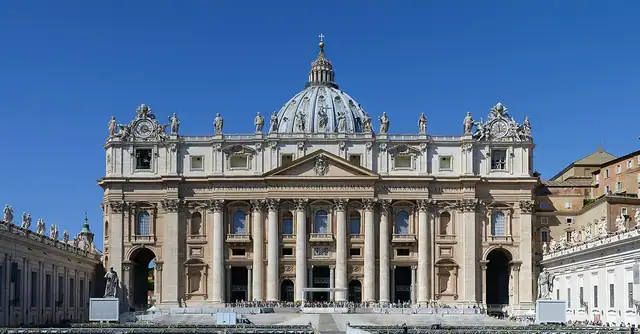
- World monument · 1506–1626 (square completed 1667)St Peter's BasilicaA church redesigned by six great architects over 120 years.
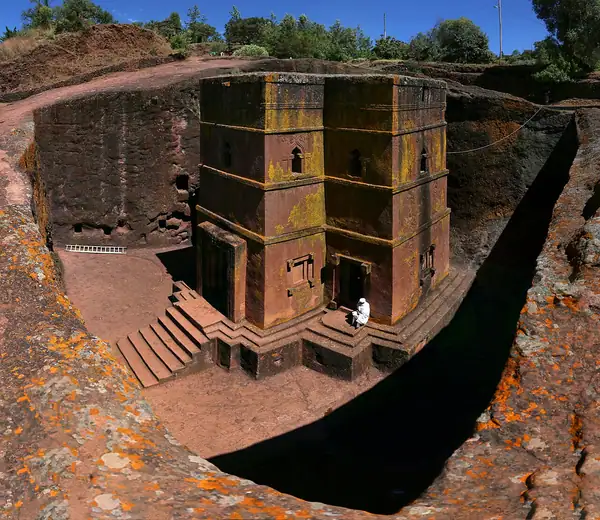
- World monument · Late 12th – early 13th century (traditional dating)Rock-Hewn Churches of LalibelaChurches carved down into the ground, still in daily use after 800 years.
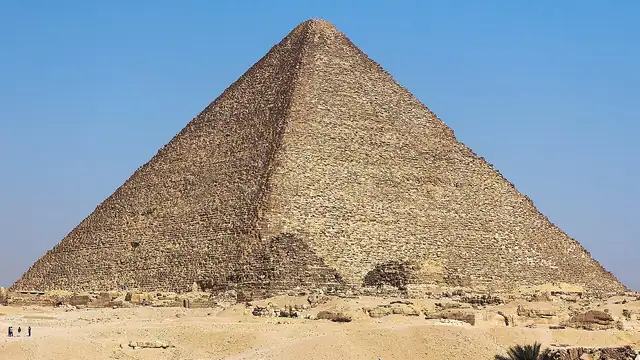
- World monument · c. 2600–2560 BCEGreat Pyramid of GizaKhufu's tomb, the tallest structure on Earth for almost 4,000 years.
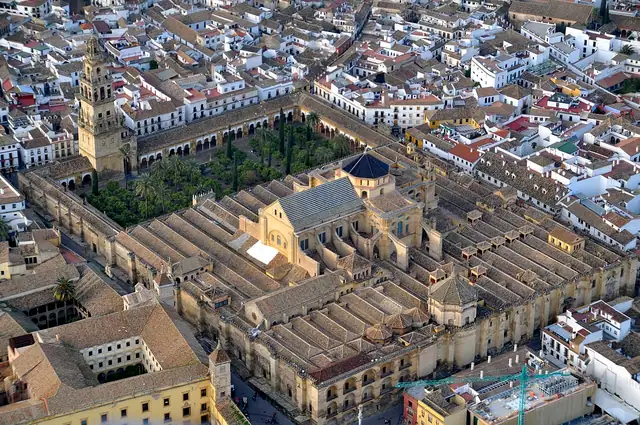
- World monument · 785–988 (mosque); cathedral nave from 1523Mosque–Cathedral of CórdobaA forest of striped double arches, with a cathedral built in its middle.
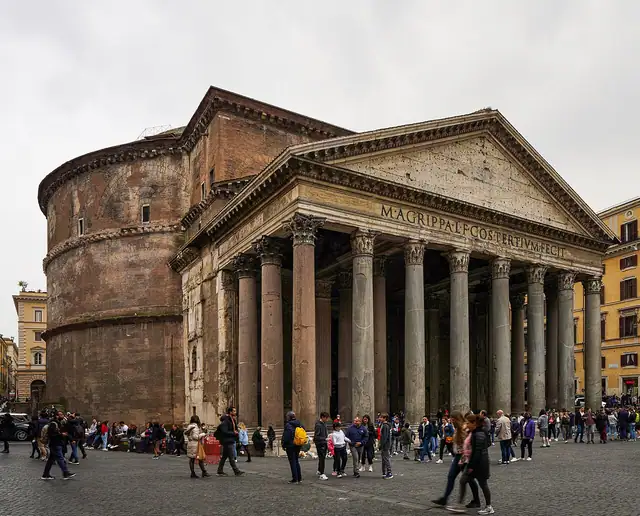
- World monument · c. 113–125 CEPantheonThe largest unreinforced concrete dome on Earth, open to the sky for 1,900 years.
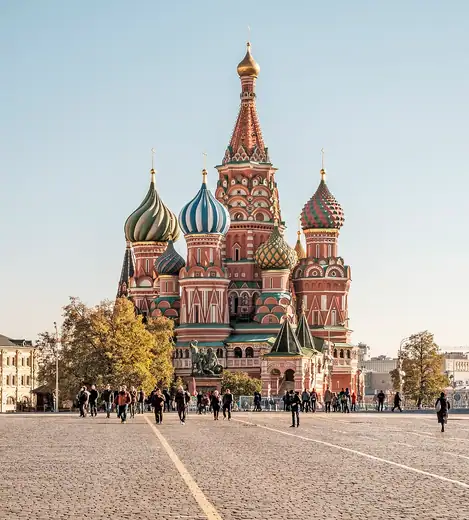
- World monument · 1555–1561Saint Basil's CathedralNine chapels in one, painted into a riot of colour a century after it was built.
Get the ideas, not the noise.
Sign up with Google and we’ll send you short UX psychology tips by email — why people tap, stall and leave, and what to do about it. Unsubscribe anytime. Prefer something to keep? Get the free Laws of UX guide as a PDF.