Zeigarnik Effect
People remember unfinished or interrupted tasks better than completed ones, and feel a pull to return and complete them.
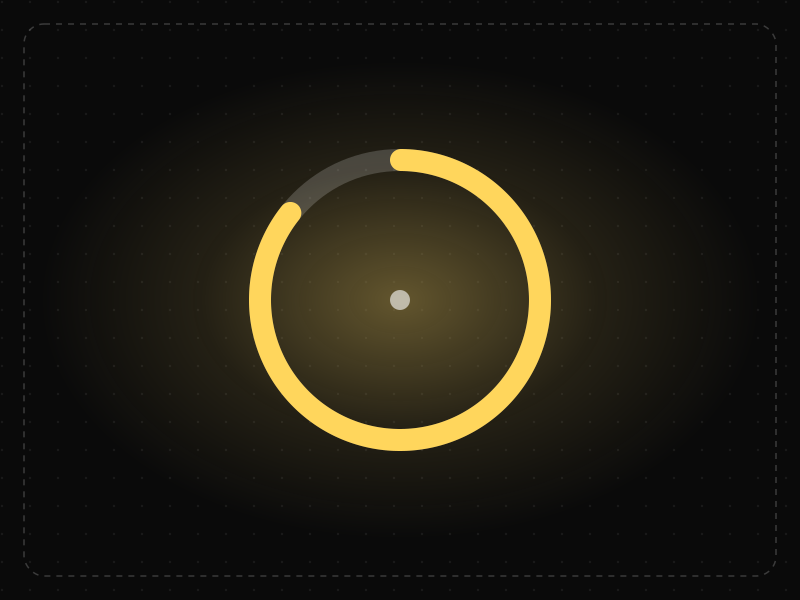
See it in action
The same screen without and with Zeigarnik Effect. Watch both sides play out, then compare the outcome.
With no visible open loop, an unfinished profile is quickly forgotten.
“3 of 5 done” keeps the unfinished task on people's minds, and they return to complete it.
What to watch: the incomplete ring and the two open items — unfinished tasks nag at memory.
Show what's left (checklists, progress rings, saved drafts) so people can resume easily.
Create artificial unfinished loops or nag with endless reminders.
Key takeaways
- Show incomplete progress to invite users back.
- Make it easy to resume exactly where they left off.
- Use it gently — too many open loops create stress rather than motivation.
Quick facts
- Also known as
- —
- Described by
- Bluma Zeigarnik
- Year
- 1927
- Category
- Motivation & emotion
- Related laws
- Goal-Gradient Effect, Peak-End Rule, Working Memory, Curiosity Gap
Zeigarnik Effect explained
The Zeigarnik effect describes the tendency to remember unfinished or interrupted tasks better than completed ones. An open task creates a kind of mental tension that keeps it in mind until it is resolved.
Products use this when they show incomplete progress, unfinished profiles or partially watched content: the open loop invites people to come back and finish.
Used responsibly, the effect helps users complete tasks that benefit them. Overused, it becomes a source of anxiety and notification fatigue.
Where it comes from
Named after Soviet psychologist Bluma Zeigarnik, who in 1927 reported that people recalled interrupted tasks better than completed ones, reportedly after noticing that waiters remembered unpaid orders better than settled ones.
How it shows up in apps
Incomplete profile meters, 'continue where you left off' cards and partially completed courses all use open loops to bring users back.
Zeigarnik Effect examples
A learning app's home screen shows 'Lesson 3 — 70% complete' with a Continue button, which is more compelling than a generic 'Start learning'.
Continue watching
Streaming services show partly watched episodes with a progress bar, prompting viewers to return and finish what they started.
Unfinished setup
Business tools show a setup checklist with remaining items, reminding new users of the steps still needed to get full value.
Saved drafts
Writing and email apps keep drafts visible, so people remember unfinished messages and return to send them.
How to apply Zeigarnik Effect
- Show clear progress and what remains in multi-step tasks.
- Save progress automatically so users can return to unfinished tasks.
- Remind users of meaningful unfinished tasks at appropriate times.
- Make it easy to resume exactly where they left off.
- Let users dismiss or complete loops so they do not become a constant source of tension.
Want Zeigarnik Effect checked in your own product? Our onboarding & activation audit evaluates it alongside the other principles that shape how users decide, onboard and stay.
Common mistakes
- Creating artificial unfinished tasks to drive engagement.
- Overwhelming users with reminders and badges.
- Losing user progress, which turns an open loop into frustration.
How to measure it
Measure return rates and completion rates for tasks with visible progress or saved state. Compare resumption rates with and without reminders, while monitoring notification opt-outs.
Frequently asked questions
What is Zeigarnik Effect?
People remember unfinished or interrupted tasks better than completed ones, and feel a pull to return and complete them.
Where does Zeigarnik Effect come from?
Named after Soviet psychologist Bluma Zeigarnik, who in 1927 reported that people recalled interrupted tasks better than completed ones, reportedly after noticing that waiters remembered unpaid orders better than settled ones.
How does Zeigarnik Effect apply to app design?
Incomplete profile meters, 'continue where you left off' cards and partially completed courses all use open loops to bring users back.
Who discovered the Zeigarnik effect?
Psychologist Bluma Zeigarnik described it in 1927 after observing that waiters remembered unpaid orders better than paid ones.
Is the Zeigarnik effect always reliable?
Replication studies have produced mixed results, but the broader idea that unfinished goals stay mentally active is well supported and widely useful in design.
How do you measure Zeigarnik Effect in a product?
Measure return rates and completion rates for tasks with visible progress or saved state. Compare resumption rates with and without reminders, while monitoring notification opt-outs.
Sources
- Zeigarnik, B. (1927). Das Behalten erledigter und unerledigter Handlungen. Psychologische Forschung, 9. Find on Google Scholar ↗
Related laws
 Motivation & emotion
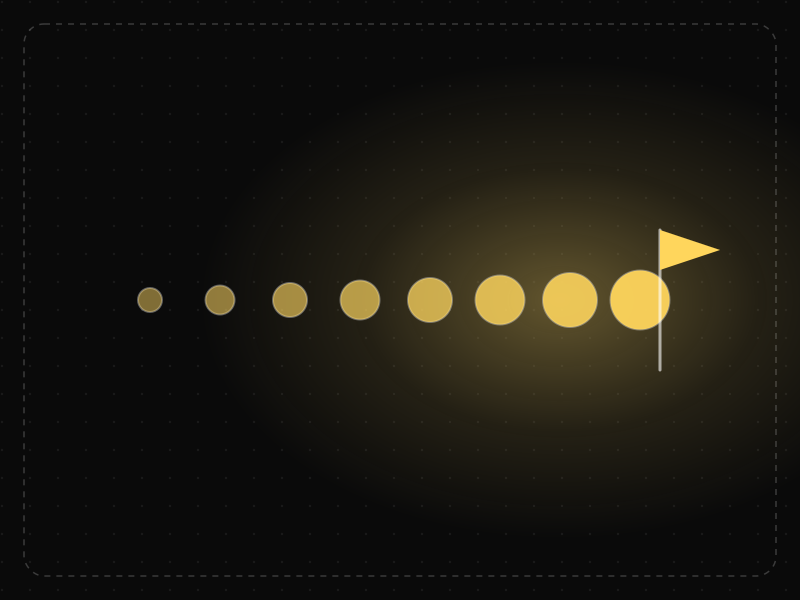
Goal-Gradient Effect
People speed up their effort as they get closer to a goal, so visible progress — even artificial head starts — increases completion.
 Motivation & emotion
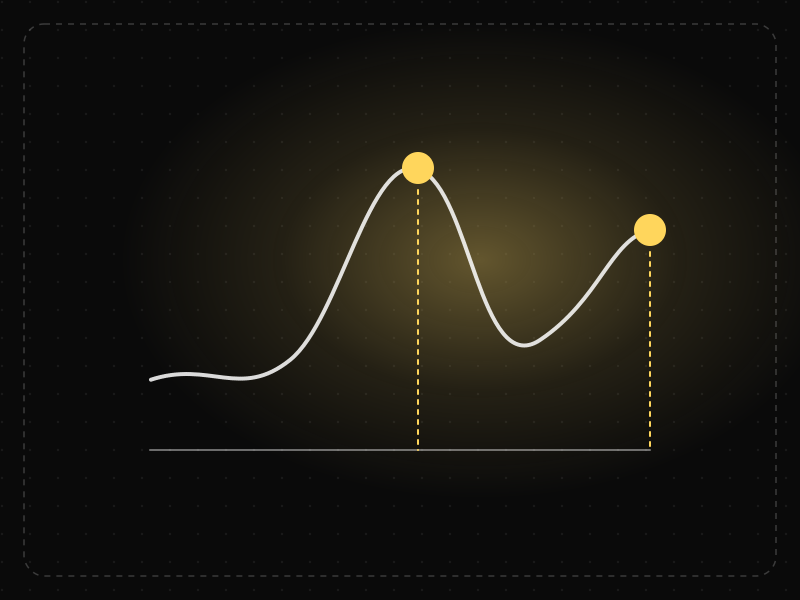
Peak-End Rule
People judge an experience mostly by how they felt at its most intense moment and at its end, not by the average of every moment.
 Memory & attention
Working Memory
Working memory is the limited mental workspace that temporarily holds and manipulates information while we complete a task.
 Motivation & emotion
Curiosity Gap
When people notice a gap between what they know and what they want to know, curiosity motivates them to close it.
Zeigarnik Effect in practice
- App marketing & ASO50 push notification examples that actually get clicked — and why they work50 push notification examples for onboarding, habits, commerce, money, social, learning and win-back — with the principle behind each one.
- Career guidesCode review skills in 2027: what senior engineers and tech leads are judged on, and how to get betterCode review and code quality skills for senior engineers and tech leads in 2027: what to look for, giving feedback, review speed, tests and debt, with examples.
- Everyday design scienceWho invented infinite scroll? Aza Raskin built it in 2006, and has spent years warning about itAza Raskin invented infinite scroll in 2006 to save clicks, and now regrets it. How it works on the brain, what research shows and how regulators are acting.
- Career guidesProduct design science in 2027: how designers, PMs and founders use the laws of UX and behavioural science to make product decisions employers trustProduct design science in 2027: how designers, PMs, founders and marketers use the laws of UX and behavioural science to make better product decisions.
- Career guidesHow to get a behavioral design job in 2027: applying behavioural science to products ethically — friction, defaults, motivation and testingHow to get a behavioral design job in 2027: behavioural science for products, friction, defaults, motivation, ethics, dark pattern rules and testing.
- ComparisonsMiro vs FigJam: which online whiteboard is better for workshops, product and design teams?Miro vs FigJam for workshops, brainstorming and product teams: templates, facilitation, diagramming, integrations, AI and pricing models compared.


Certifications that test it
- Free certification · UX/UI, Design, Research & CreativeProduct Design CertificationCertifies end-to-end product design: framing problems against business goals, designing and shipping solutions with engineering, and measuring their impact.
- Free certification · UX/UI, Design, Research & CreativeBehavioral Design CertificationCertifies that you can apply behavioral psychology and behavioral economics to product design ethically — motivation, decision architecture, habits and the laws of UX.
- Free certification · UX/UI, Design, Research & CreativeInteraction Design CertificationCertifies that you can design how interfaces behave — usability principles and mental models, feedback and states, forms and input, and motion and timing.
- Free certification · Data Analytics & Business IntelligenceProduct Analytics CertificationCertifies that you can turn product data into decisions — metrics and instrumentation, funnels and conversion, retention and cohorts, and A/B testing and statistics.
- Free certification · Product, Project Management & Business AnalysisUser Onboarding & Retention CertificationCertifies that you can turn sign-ups into retained users — activation and aha moments, onboarding patterns, habit and engagement design, and churn reduction and win-back.


Get the ideas, not the noise.
Sign up with Google and we’ll send you short UX psychology tips by email — why people tap, stall and leave, and what to do about it. Unsubscribe anytime. Prefer something to keep? Get the free Laws of UX guide as a PDF.