 By
At a glance: Eiffel Tower
- Location
- Champ de Mars, Paris, France
- Built
- 28 January 1887 – 31 March 1889
- Type
- Lattice tower · Engineering
- Style
- Industrial wrought-iron engineering
- Commissioned by
- French government, for the 1889 Exposition Universelle
- Architects & builders
- Engineers Maurice Koechlin and Émile Nouguier; architect Stephen Sauvestre; built by Gustave Eiffel's company
- Materials
- Puddled (wrought) iron
- Size
- 330 m with antennas; originally 300 m
Eiffel Tower: what it is
The tower was built for the Exposition Universelle marking the centenary of the French Revolution. It was meant to stand for 20 years.
Many artists signed a protest against the 'useless and monstrous' tower in 1887. It survived because Eiffel promoted its scientific uses, especially as a radio antenna, which made it valuable to the military.
Eiffel Tower, then and now
Real images only: an earlier view and a recent photograph, each credited and linked to its original file. Switch between them or compare side by side.
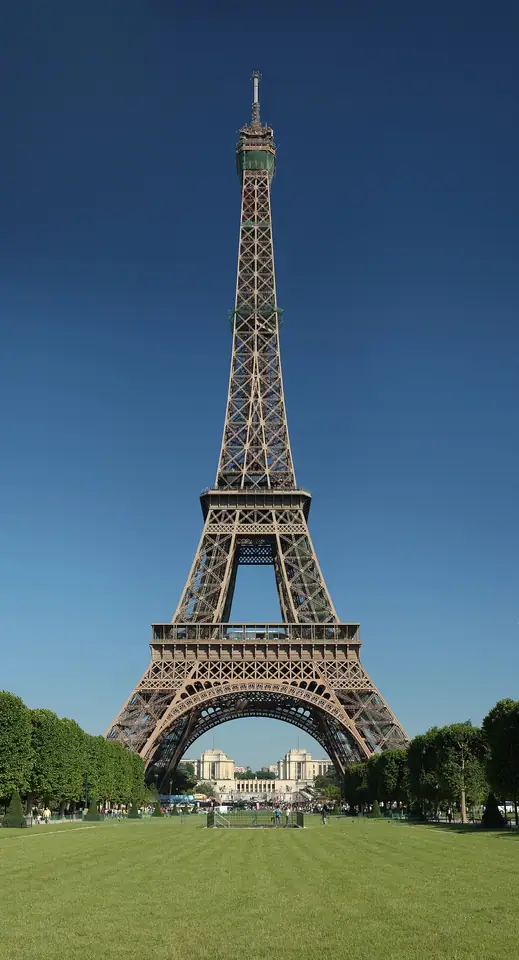
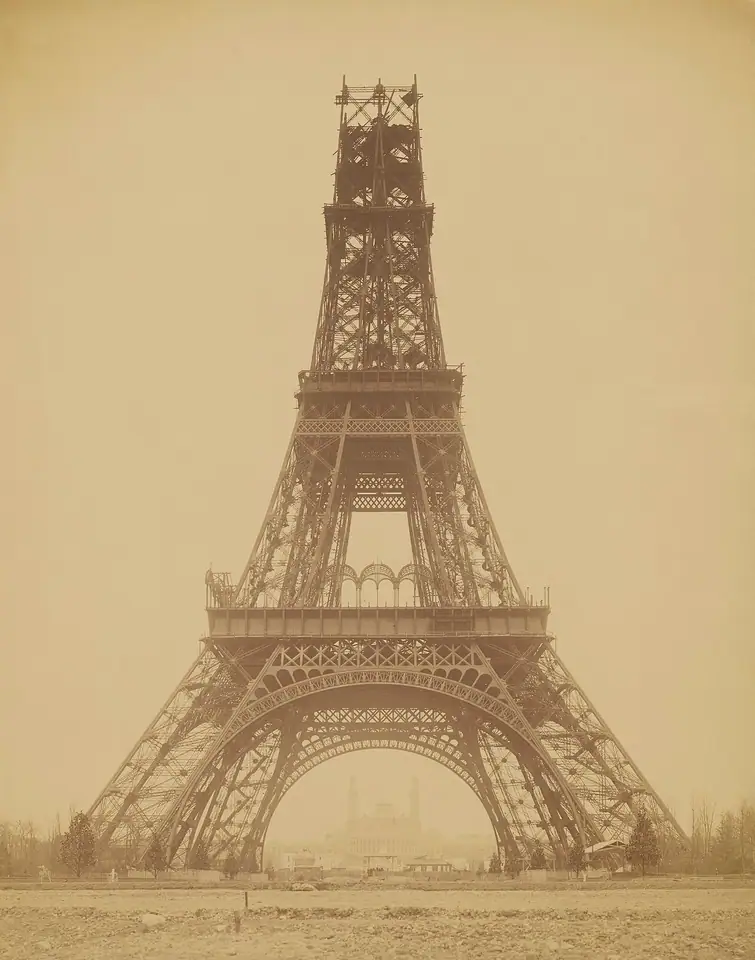 Then · 1888Now · TodayMove across the image to compare
Eiffel Tower: how it was designed
- 01
Shaped by the wind
The curve of the legs follows calculations of wind pressure: the tower's profile was designed so that the wind's force is carried down through the legs to the foundations.
- 02
Prefabricated precision
Every part was drawn in detail and made in Eiffel's workshop at Levallois-Perret, then assembled on site. The drawings covered 5,300 sheets; holes were pre-drilled to a tenth of a millimetre.
- 03
Arches that do nothing structural
The decorative arches between the legs, added by Sauvestre, carry no real load. They were added to make the engineering acceptable as architecture.
- 04
Light for its size
The iron structure weighs about 7,300 tonnes. If it were melted down into a block covering its base, the metal would form a layer only a few centimetres deep.
Construction timeline
Koechlin and Nouguier sketch a 300-metre tower; Eiffel buys the patent rights.
Construction begins.
Eiffel climbs to the top to raise the French flag; the fair opens in May.
The tower is saved from demolition by its value as a radio-telegraph station.
New York's Chrysler Building overtakes it as the world's tallest structure.
A new antenna brings it to 330 m; a gold-brown repainting is finished for the 2024 Paris Olympics.
How the design changed
Five colours
The tower was first painted Venetian red, then shades of ochre and yellow-brown, and since 1968 a bronze called 'Eiffel Tower Brown'. It needs repainting about every seven years.
Lifts and lights
The original lifts have been replaced several times, and since 1985 the tower has been lit from inside its structure, with sparkling lights added in 2000.
Who built it
Maurice Koechlin and Émile Nouguier, engineers at Eiffel's company, conceived it; Stephen Sauvestre refined its look; Gustave Eiffel bought the rights, promoted it and took responsibility for building it. About 300 workers assembled it on site.
Where it is
Champ de Mars, Paris, France · 48.8583° N, 2.2945° E · Open in OpenStreetMap. Nearest in this guide: Notre-Dame (4 km), Mont-Saint-Michel (280 km), Stonehenge (391 km).
 4 km280 km391 kmEiffel Tower
Drag to pan, use + and − or double-click to zoom, and tap any pin for a preview.
Built around the same time
| Monument | Country | Built | Gap |
|---|---|---|---|
| Sagrada Família | Spain | 1882 – ongoing (central tower finished 2026) | 5 years earlier |
| Statue of Liberty | United States | 1876–1886 (dedicated 28 October 1886) | 11 years earlier |
| Neuschwanstein Castle | Germany | 1869–1886 (never completed) | 18 years earlier |
| Great Mosque of Djenné | Mali | 1906–1907 (first mosque on the site 13th century) | 19 years later |
Eiffel Tower: questions people ask
Who designed the Eiffel Tower?
Engineers Maurice Koechlin and Émile Nouguier conceived it in 1884, with architect Stephen Sauvestre. Gustave Eiffel's company built it and his name became attached to it.
How long did it take to build the Eiffel Tower?
Two years, two months and five days, from 28 January 1887 to 31 March 1889.
How tall is the Eiffel Tower?
About 330 metres including antennas, after a new antenna was added in 2022. The original tower was 300 metres.
Why was the Eiffel Tower not demolished?
It was meant to last 20 years, but its use for radio and military communication made it too useful to remove.
Sources & image credits
- UNESCO World Heritage Centre — Paris, Banks of the Seine
- Wikipedia — Eiffel Tower
- Société d'Exploitation de la Tour Eiffel — official site
- Current photograph: Tour Eiffel Wikimedia Commons.jpg by Benh LIEU SONG, Public domain — original on Wikimedia Commons.
- Historic image: Louis-Emile Durandelle, The Eiffel Tower - State of the Construction, 1888.jpg by Louis-Emile Durandelle, Public domain — original on Wikimedia Commons.
- Coordinates from Wikidata. Images resized and converted to WebP; otherwise unaltered. Checked October 25, 2026.
More to wander into
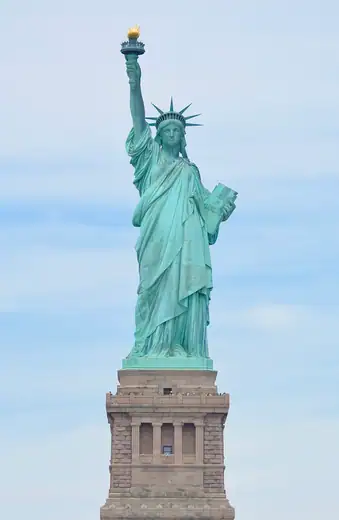
- World monument · 1876–1886 (dedicated 28 October 1886)Statue of LibertyA copper skin on Eiffel's iron skeleton, turned green by the sea air.
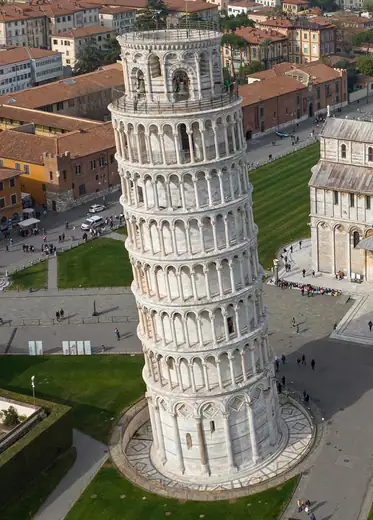
- World monument · 1173–1372Leaning Tower of PisaA bell tower that began to lean in 1178 and was built curved to compensate.
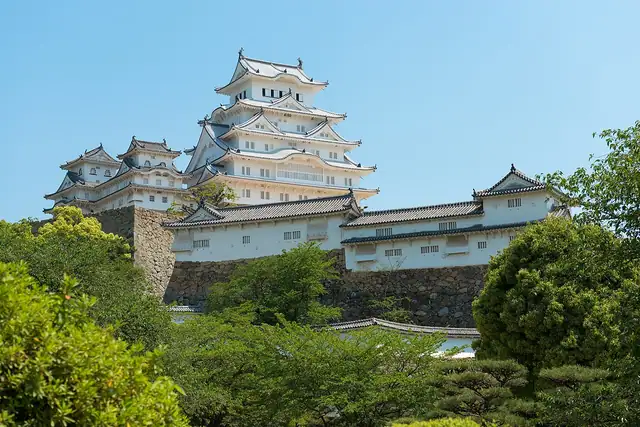
- World monument · 1601–1609 (earlier fort from 1346)Himeji CastleJapan's 'White Heron', a maze of gates around a timber keep that survived everything.
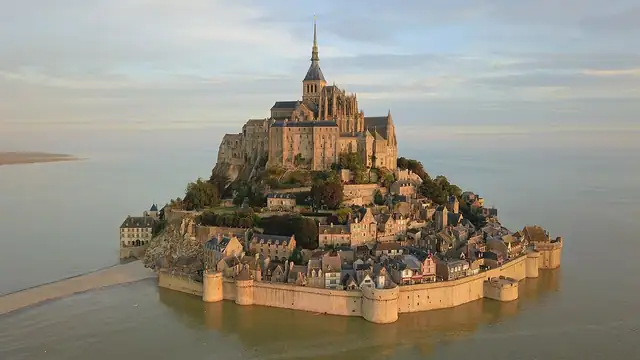
- World monument · 708–1521; spire 1897Mont-Saint-MichelAn abbey stacked on a rock in the sea, made an island again in 2014.
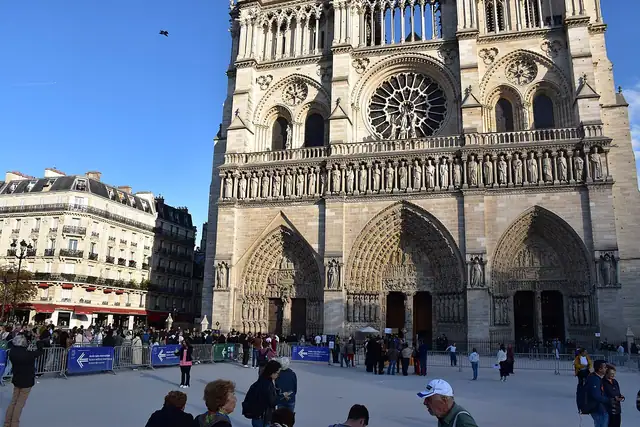
- World monument · 1163–c. 1345; restored 1845–1864 and 2019–2024Notre-Dame de ParisA Gothic cathedral restored in the 1800s and rebuilt after the 2019 fire.
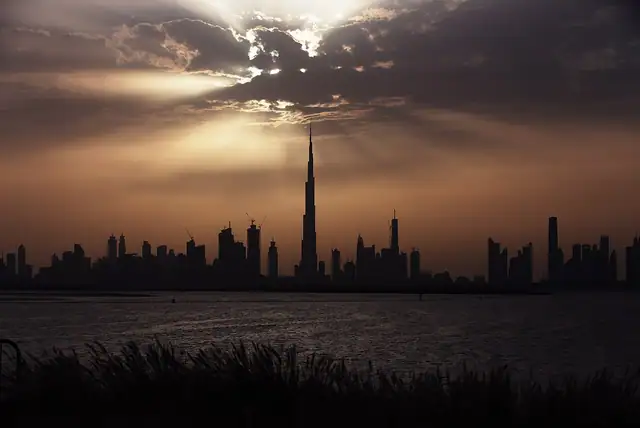
- World monument · 2004–2010 (opened 4 January 2010)Burj KhalifaAn 828-metre tower shaped to confuse the wind.
Get the ideas, not the noise.
Sign up with Google and we’ll send you short UX psychology tips by email — why people tap, stall and leave, and what to do about it. Unsubscribe anytime. Prefer something to keep? Get the free Laws of UX guide as a PDF.