 By
At a glance: Great Mosque of Djenné
- Location
- Djenné, Mopti Region, Mali
- Built
- 1906–1907 (first mosque on the site 13th century)
- Type
- Mosque · Sacred
- Style
- Sudano-Sahelian
- Commissioned by
- Djenné community, under French colonial administration
- Architects & builders
- Master mason Ismaila Traoré, head of the Djenné masons' guild
- Materials
- Sun-dried mud brick (banco) with mud plaster; palm-wood beams
- Size
- Platform about 75 × 75 m; minarets about 16 m
Djenné Mosque: what it is
Djenné was a centre of trade and Islamic scholarship on the inland delta of the Niger river. Tradition says its first great mosque was built in the 13th century when the ruler Koi Konboro converted to Islam.
That mosque was allowed to decay in the 1830s under the reformist ruler Seku Amadu, who built a plainer one. The present building, on the old site and plan, was raised in 1906–1907, during French colonial rule.
Djenné Mosque, then and now
Real images only: an earlier view and a recent photograph, each credited and linked to its original file. Switch between them or compare side by side.
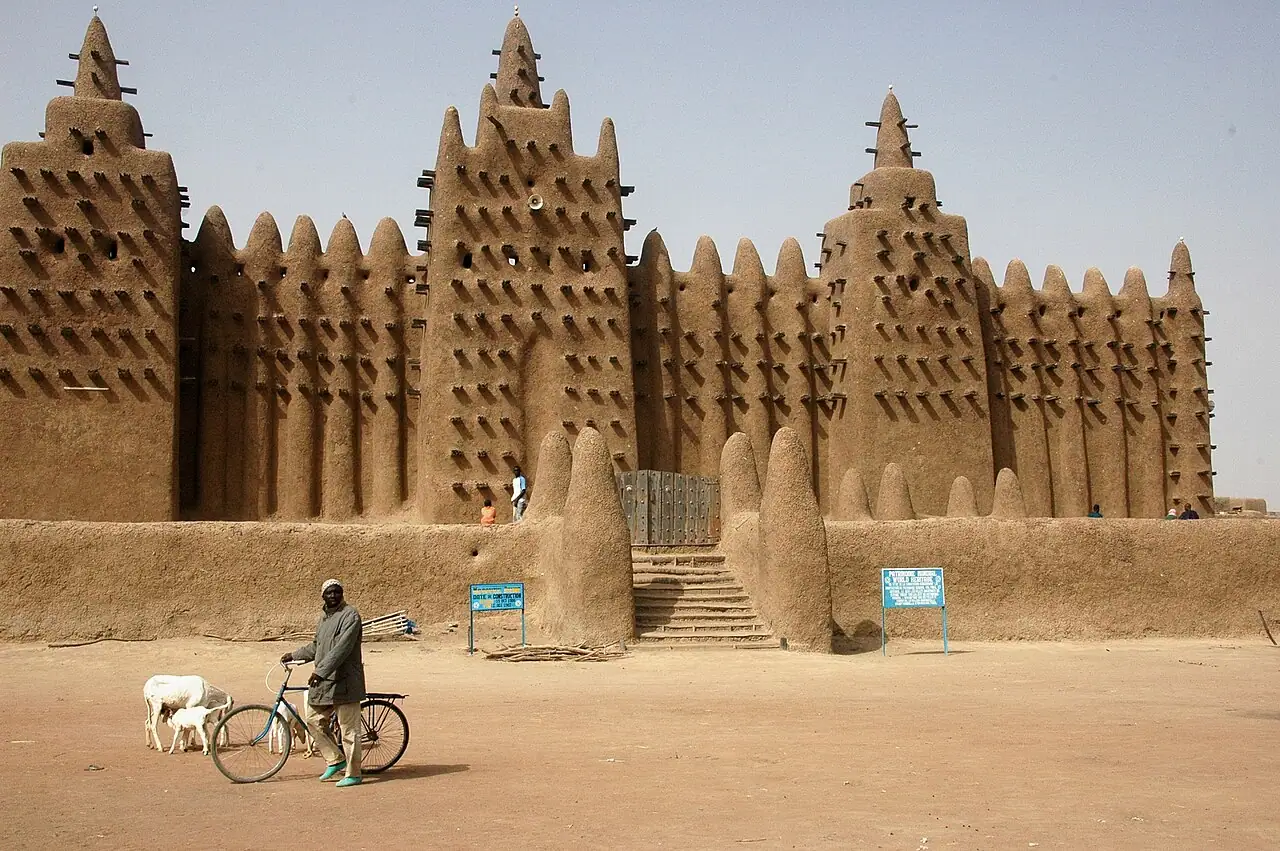
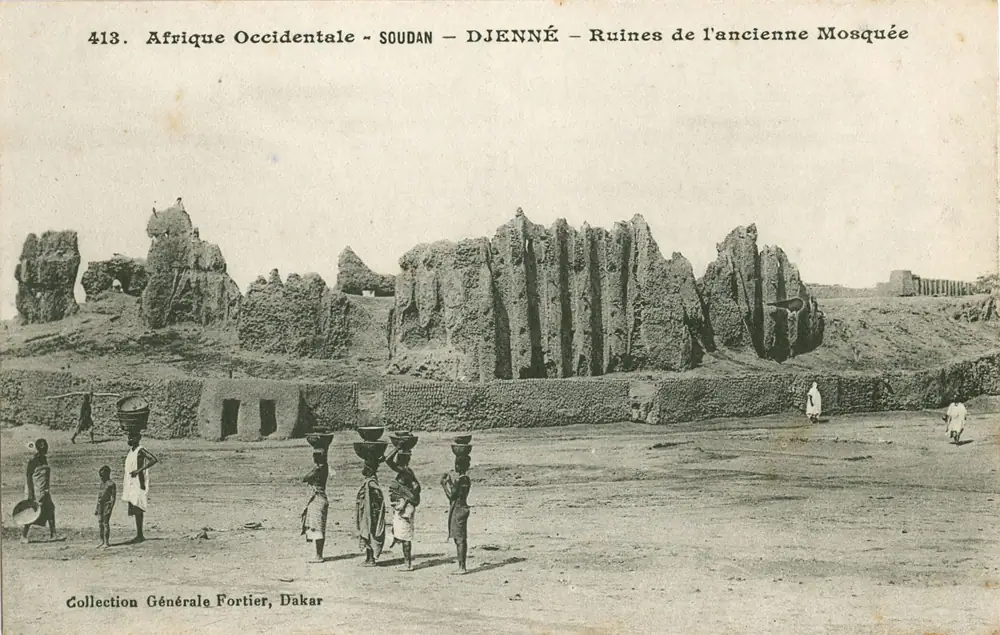 Then · 1906Now · TodayMove across the image to compare
Djenné Mosque: how it was designed
- 01
Built of the ground it stands on
The walls are banco: sun-dried bricks of river mud mixed with rice husks, laid in mud mortar and coated in smooth mud plaster. Thick walls keep the prayer hall cool.
- 02
Scaffolding as ornament
Bundles of palm-wood sticks (toron) project from the walls. They give masons footholds during replastering and create the mosque's distinctive bristling texture.
- 03
Three towers to the market
The east (qibla) wall facing the market has three tall box-like towers topped with ostrich eggs, a symbol of fertility and purity.
- 04
Raised above the floods
The mosque stands on a platform about 3 metres high, protecting it when the Bani river floods the town.
Construction timeline
Tradition dates the first mosque on the site to the conversion of Koi Konboro.
Seku Amadu lets the old mosque fall into ruin and builds a new, plain mosque elsewhere.
Edmond Fortier photographs the ruins of the old mosque.
The present mosque is built under Ismaila Traoré.
The Old Towns of Djenné are inscribed by UNESCO.
Djenné is placed on the List of World Heritage in Danger because of insecurity and erosion.
How the design changed
A building that is never finished
The annual Crépissage festival, when residents mix and apply fresh mud, is part of the design: without it the rains would wash the mosque away within a few years.
Roof repairs in 2009–2010
Restoration in 2009–2010, supported by the Aga Khan Trust for Culture, repaired the roof and removed unsuitable layers added over earlier decades.
Who built it
Ismaila Traoré, head of Djenné's masons' guild (barey ton), led construction. The guild still oversees the mosque's upkeep, and every year thousands of residents supply mud, water and labour for the replastering.
Where it is
Djenné, Mopti Region, Mali · 13.9053° N, 4.5556° W · Open in OpenStreetMap. Nearest in this guide: Alhambra (2,589 km), Córdoba Mezquita (2,666 km), Sagrada Família (3,126 km).
 2,589 km2,666 km3,126 kmDjenné Mosque
Drag to pan, use + and − or double-click to zoom, and tap any pin for a preview.
Built around the same time
| Monument | Country | Built | Gap |
|---|---|---|---|
| Christ the Redeemer | Brazil | 1922–1931 | 16 years later |
| Eiffel Tower | France | 28 January 1887 – 31 March 1889 | 19 years earlier |
| Sagrada Família | Spain | 1882 – ongoing (central tower finished 2026) | 24 years earlier |
| Statue of Liberty | United States | 1876–1886 (dedicated 28 October 1886) | 30 years earlier |
Djenné Mosque: questions people ask
Is the Great Mosque of Djenné made of mud?
Yes. It is built of sun-dried mud bricks with mud mortar and mud plaster, making it the largest mud-brick building in the world.
When was the Great Mosque of Djenné built?
The present mosque was built in 1906–1907. A mosque stood on the site from the 13th century until it decayed in the 19th century.
Why does the Djenné mosque have sticks in its walls?
The palm-wood sticks, called toron, act as permanent scaffolding for the annual replastering and are also decorative.
What is the Crépissage festival?
An annual community event, usually held before the rainy season, when Djenné's residents replaster the mosque with fresh mud.
Sources & image credits
- UNESCO World Heritage Centre — Old Towns of Djenné
- Wikipedia — Great Mosque of Djenné
- Archnet — Djenné Great Mosque Restoration (Aga Khan Trust for Culture)
- Current photograph: Djenne great mud mosque.jpg by Ruud Zwart, CC BY-SA 3.0 — original on Wikimedia Commons · licence.
- Historic image: Djenne Fortier 413 - Ruines de l'ancienne Mosquée.jpg by Edmond Fortier (1862-1928), Public domain — original on Wikimedia Commons.
- Coordinates from Wikidata. Images resized and converted to WebP; otherwise unaltered. Checked October 25, 2026.
More to wander into
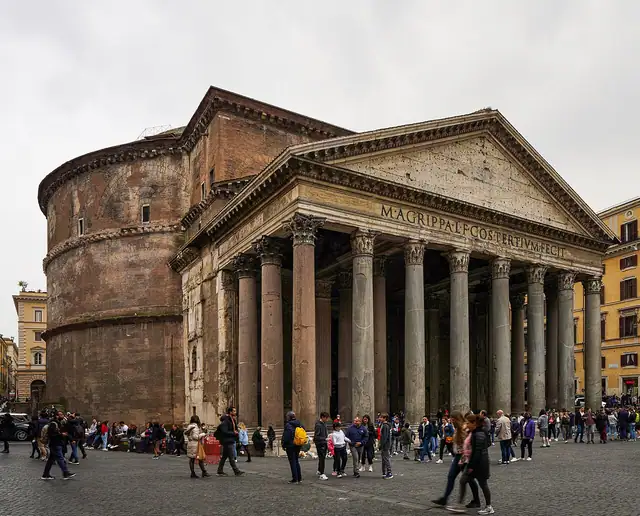
- World monument · c. 113–125 CEPantheonThe largest unreinforced concrete dome on Earth, open to the sky for 1,900 years.
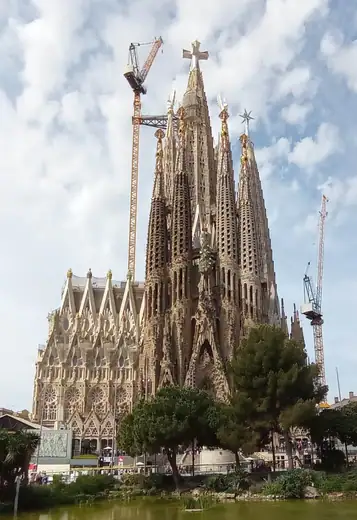
- World monument · 1882 – ongoing (central tower finished 2026)Sagrada FamíliaGaudí's unfinished basilica, now the world's tallest church after 144 years.
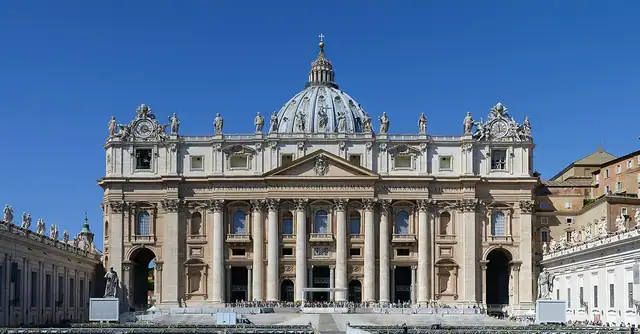
- World monument · 1506–1626 (square completed 1667)St Peter's BasilicaA church redesigned by six great architects over 120 years.
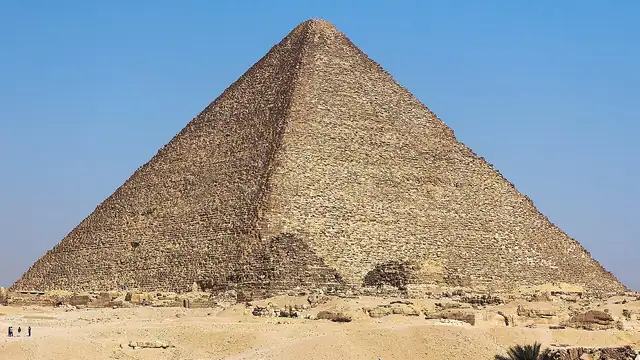
- World monument · c. 2600–2560 BCEGreat Pyramid of GizaKhufu's tomb, the tallest structure on Earth for almost 4,000 years.
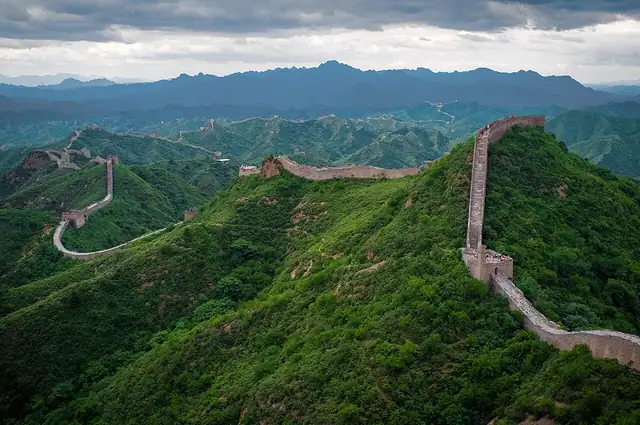
- World monument · 7th century BCE – 1644 CE (most visible parts Ming, 1368–1644)Great Wall of ChinaTwo thousand years of walls, from rammed earth to Ming brick.
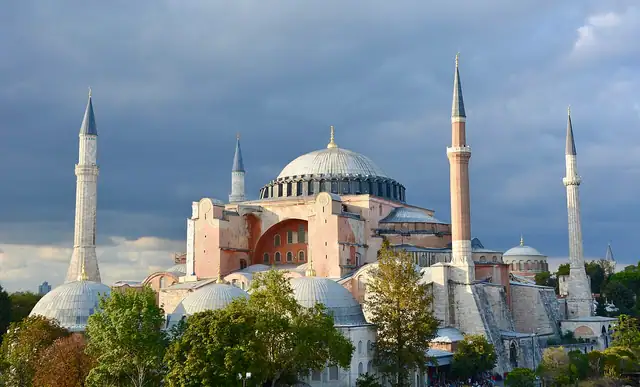
- World monument · 532–537 CEHagia SophiaJustinian's cathedral whose dome seems to float on a ring of light.
Get the ideas, not the noise.
Sign up with Google and we’ll send you short UX psychology tips by email — why people tap, stall and leave, and what to do about it. Unsubscribe anytime. Prefer something to keep? Get the free Laws of UX guide as a PDF.