 By
At a glance: Himeji Castle
- Location
- Himeji, Hyōgo Prefecture, Japan
- Built
- 1601–1609 (earlier fort from 1346)
- Type
- Castle · Defence
- Style
- Japanese castle (hirayama-jiro, on a hill in a plain)
- Commissioned by
- Ikeda Terumasa; earlier Toyotomi Hideyoshi
- Architects & builders
- Not recorded
- Materials
- Timber frame, white plaster, clay tile roofs on a stone base
- Size
- Main keep about 46 m including its stone base; 83 buildings
- UNESCO
- Himeji-jo (1993)
Himeji Castle: what it is
Himeji sits on a low hill above the plain of Harima. Toyotomi Hideyoshi rebuilt an earlier fortress here in the 1580s; after the Battle of Sekigahara, Tokugawa Ieyasu's son-in-law Ikeda Terumasa built the castle we see today.
It is a complex of 83 buildings, including the main keep linked to three smaller keeps, with storehouses, gates and turrets, surrounded by moats and walls.
Himeji Castle, then and now
Real images only: an earlier view and a recent photograph, each credited and linked to its original file. Switch between them or compare side by side.
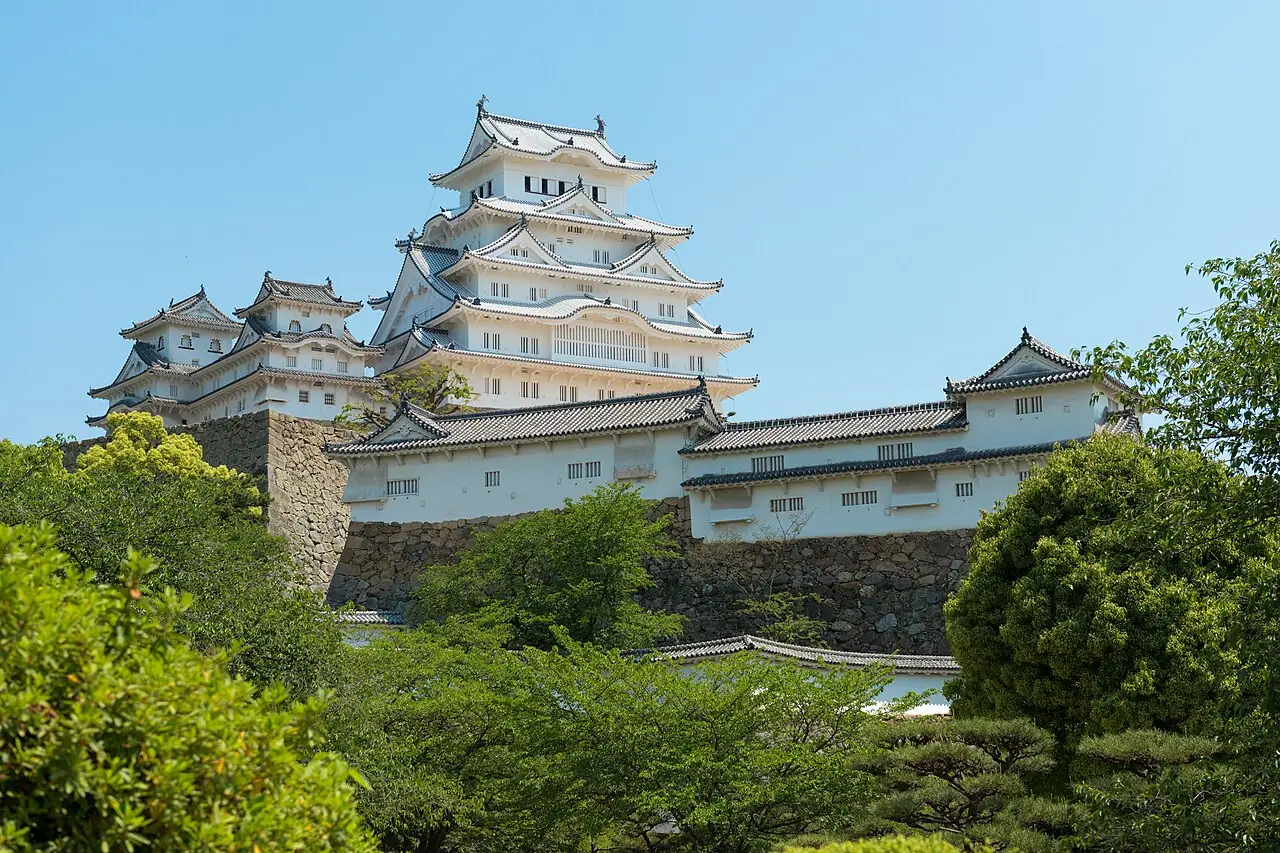
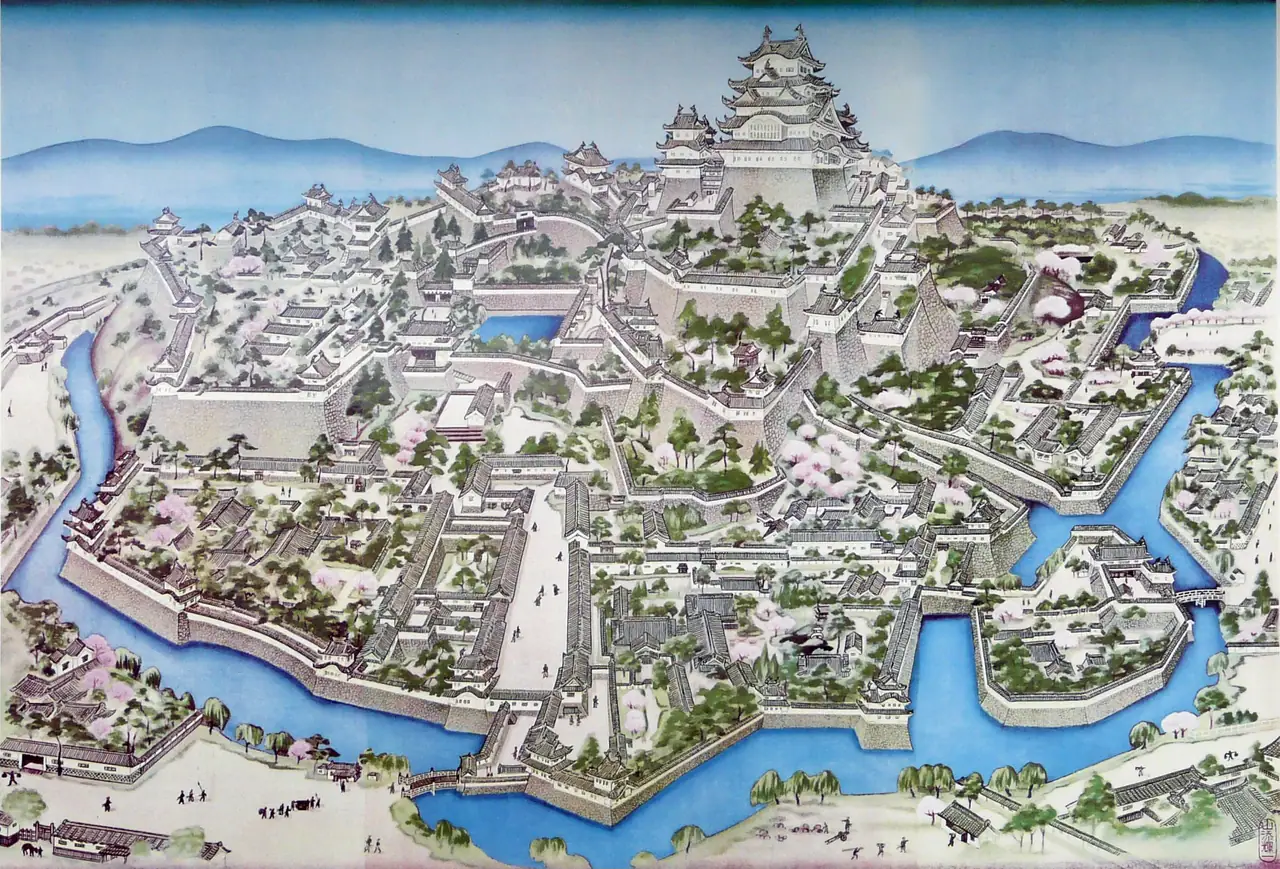 Then · c. 1870Now · TodayMove across the image to compare
Himeji Castle: how it was designed
- 01
Plaster as armour
The white plaster over the timber frame is fireproof, protecting the castle from flaming arrows and later from guns. It also makes the castle glow against the sky.
- 02
A path designed to confuse
The route to the keep winds through gates, dead ends and switchbacks, sometimes leading away from the keep, exposing attackers to fire from above.
- 03
Defence in the details
Walls carry circular, triangular and rectangular loopholes for guns and bows, and overhanging 'stone-drop' windows let defenders attack climbers.
- 04
Built on a giant post
The keep is held up by two huge central pillars rising through its floors; one was replaced in the 1950s restoration.
Construction timeline
Akamatsu Sadanori builds a fort on the hill.
Toyotomi Hideyoshi builds a three-storey keep.
Ikeda Terumasa rebuilds and greatly enlarges the castle.
After the abolition of the feudal domains, many Japanese castles are demolished; Himeji survives.
Bombing destroys much of Himeji city, but the castle is left almost unscathed.
Two major restorations; the first fully dismantles and rebuilds the keep. UNESCO inscription comes in 1993.
How the design changed
Whiter than ever
The 2009–2015 restoration replastered the roofs and walls. At first the castle looked startlingly white, but the plaster darkens gradually with time.
Taken apart and put back
In 1956–1964 the main keep was entirely dismantled, repaired and reassembled, replacing the rotted western main pillar.
Who built it
Ikeda Terumasa commissioned the present castle with the support of the Tokugawa shogunate. Thousands of labourers worked on it; the stones of its base include reused grave markers and a millstone, suggesting stone was scarce.
Where it is
Himeji, Hyōgo Prefecture, Japan · 34.8394° N, 134.6936° E · Open in OpenStreetMap. Nearest in this guide: Tōdai-ji (106 km), Great Wall (1,709 km), Forbidden City (1,709 km).
 106 km1,709 km1,709 kmHimeji Castle
Drag to pan, use + and − or double-click to zoom, and tap any pin for a preview.
Built around the same time
| Monument | Country | Built | Gap |
|---|---|---|---|
| Golden Temple (Harmandir Sahib) | India | 1581–1604; rebuilt 1764; gilded early 19th century | 20 years earlier |
| Taj Mahal | India | 1632–1653 (mausoleum c. 1643) | 31 years later |
| Potala Palace | China | 1645–1694 (site used from the 7th century) | 44 years later |
| Saint Basil's Cathedral | Russia | 1555–1561 | 46 years earlier |
Himeji Castle: questions people ask
Why is Himeji Castle called the White Heron Castle?
Its brilliant white plaster walls and the way its roofs rise like wings are said to resemble a white heron taking flight.
When was Himeji Castle built?
A fort stood there from 1346, but the castle seen today was built by Ikeda Terumasa between 1601 and 1609.
Is Himeji Castle original?
Yes. It is one of twelve Japanese castles with an original keep. It has been restored, including a full dismantling in 1956–1964, but not rebuilt from scratch.
How did Himeji Castle survive World War II?
Bombing in 1945 destroyed much of the city, but the castle was barely damaged; an incendiary bomb that hit the top floor reportedly failed to ignite.
Sources & image credits
- UNESCO World Heritage Centre — Himeji-jo
- Wikipedia — Himeji Castle
- Himeji Castle — official site
- Current photograph: Himeji castle in may 2015.jpg by Nikos Kitsakis, CC BY-SA 4.0 — original on Wikimedia Commons · licence.
- Historic image: Himeji-Castle-Painting-Early-Meiji-Period.png by Unknown author, Public domain — original on Wikimedia Commons.
- Coordinates from Wikidata. Images resized and converted to WebP; otherwise unaltered. Checked October 25, 2026.
More to wander into
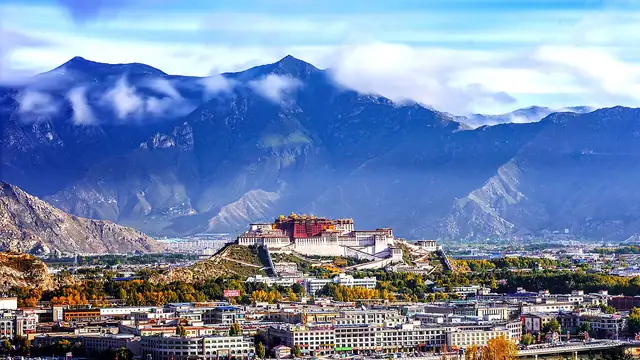
- World monument · 1645–1694 (site used from the 7th century)Potala PalaceA 13-storey palace that grows out of its hill, in white for government and red for religion.
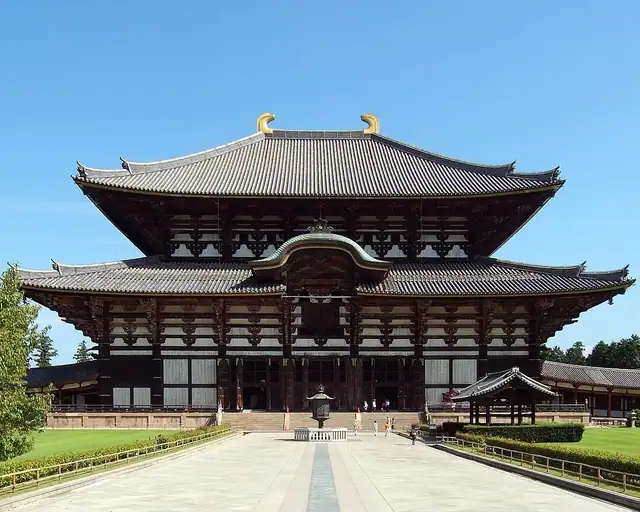
- World monument · 752 CE; hall rebuilt 1195 and 1709Tōdai-ji Great Buddha HallA giant bronze Buddha in a wooden hall rebuilt smaller after two fires.
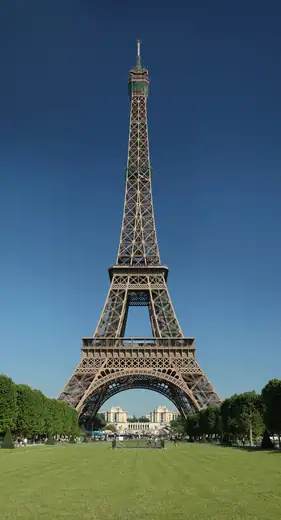
- World monument · 28 January 1887 – 31 March 1889Eiffel TowerA temporary 1889 iron tower that radio and Parisians decided to keep.
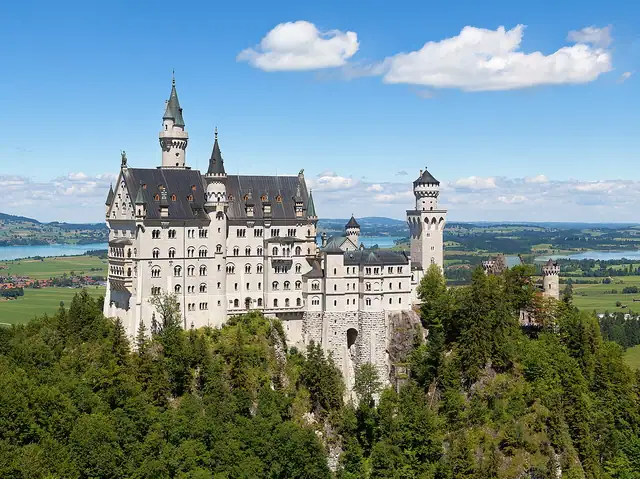
- World monument · 1869–1886 (never completed)Neuschwanstein CastleA king's medieval fantasy with central heating, designed by a stage painter.
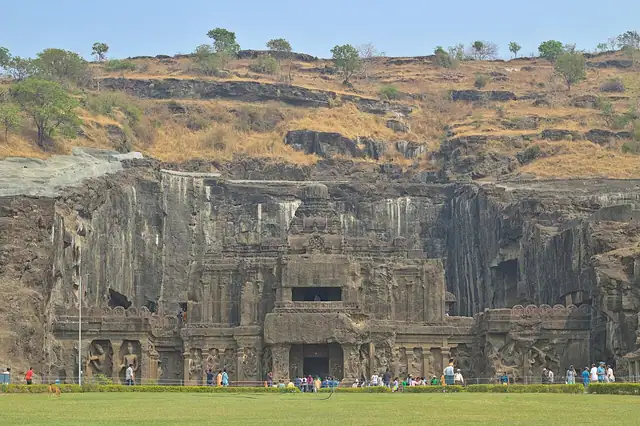
- World monument · 8th century CE (mainly under Krishna I, r. c. 756–773)Kailasa Temple, ElloraA complete temple carved downward out of one basalt hill.
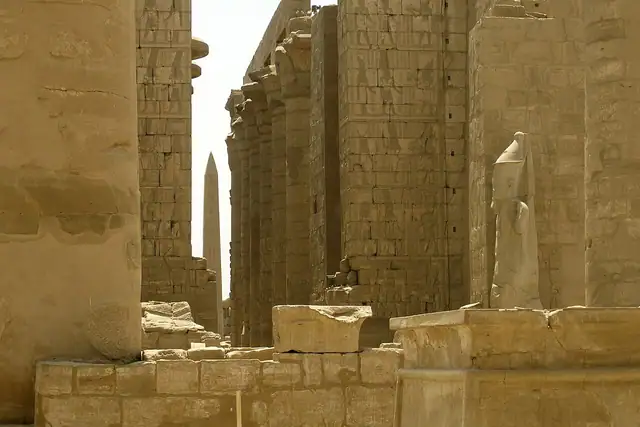
- World monument · c. 1971 BCE – 1st century BCEKarnak Temple ComplexA temple that grew for 2,000 years, with a forest of 134 stone columns.
Get the ideas, not the noise.
Sign up with Google and we’ll send you short UX psychology tips by email — why people tap, stall and leave, and what to do about it. Unsubscribe anytime. Prefer something to keep? Get the free Laws of UX guide as a PDF.