 By
At a glance: Taj Mahal
- Location
- Agra, Uttar Pradesh, India
- Built
- 1632–1653 (mausoleum c. 1643)
- Type
- Mausoleum and garden · Royal
- Style
- Mughal
- Commissioned by
- Emperor Shah Jahan, for his wife Mumtaz Mahal
- Architects & builders
- Attributed to Ustad Ahmad Lahauri
- Materials
- White Makrana marble with inlaid semi-precious stones; red sandstone
- Size
- About 73 m to the top of the finial
- UNESCO
- Taj Mahal (1983)
Taj Mahal: what it is
Mumtaz Mahal died in childbirth in 1631 at Burhanpur. Shah Jahan chose a site on the Yamuna river at Agra and began work the next year. The complex includes the tomb, a mosque, a matching guest hall, gardens and a great gateway.
The Taj sits at the river end of its garden rather than in the centre, so it is seen against open sky. Across the river is the Mehtab Bagh, a moonlight garden aligned with it.
Taj Mahal, then and now
Real images only: an earlier view and a recent photograph, each credited and linked to its original file. Switch between them or compare side by side.
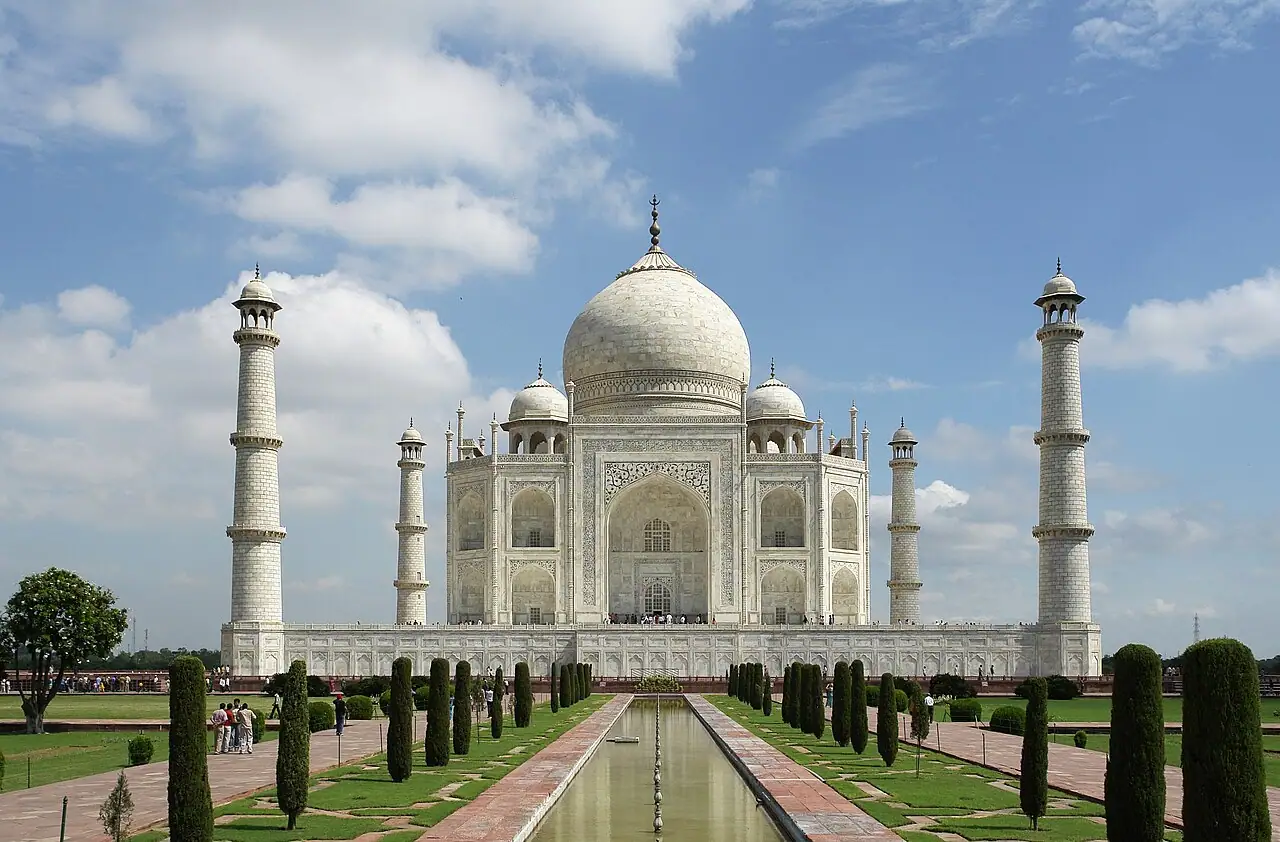
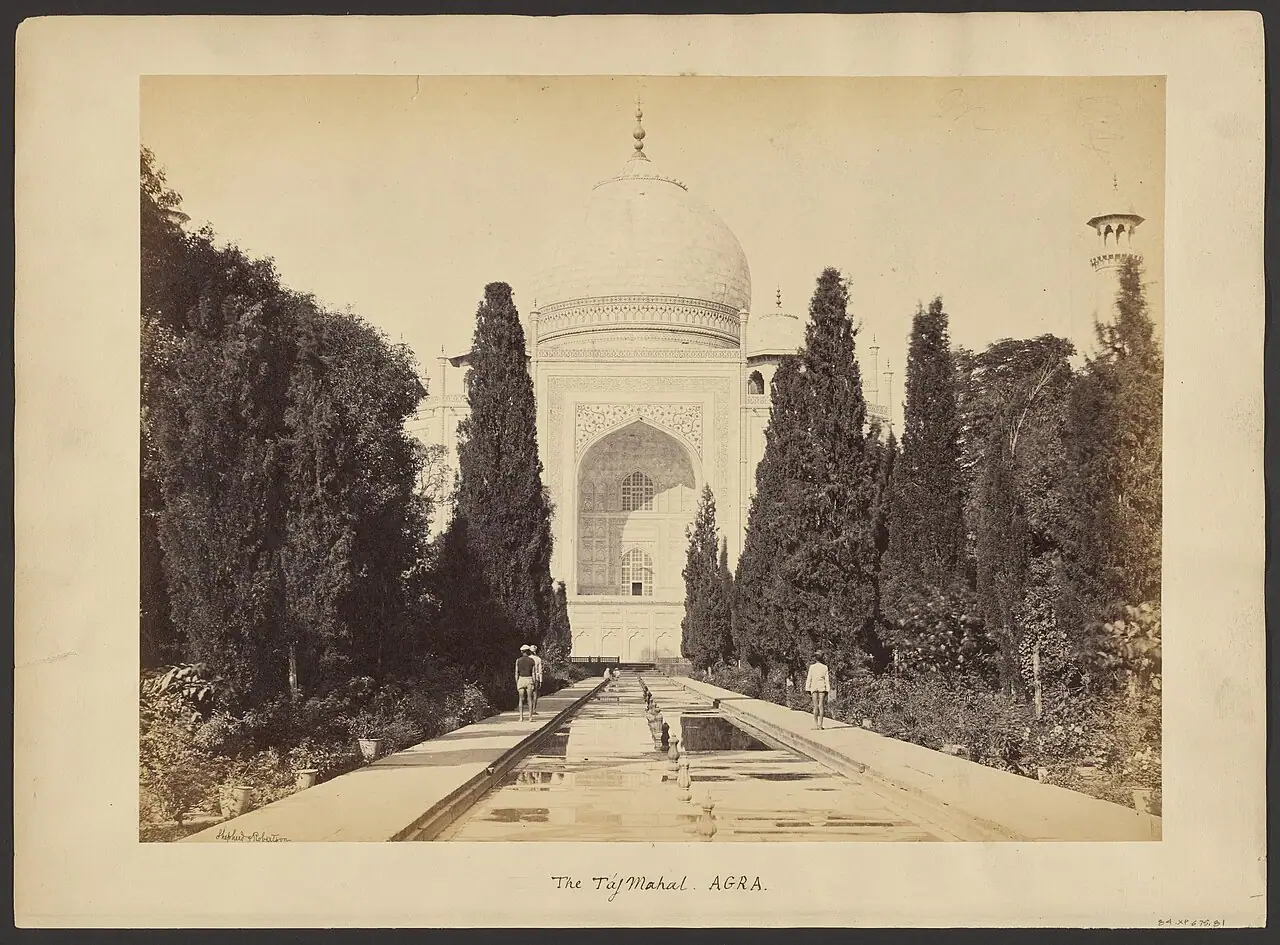 Then · 1859Now · TodayMove across the image to compare
Taj Mahal: how it was designed
- 01
Symmetry everywhere
The tomb is the same on all four sides, flanked by four minarets, a mosque on the west and an identical building on the east purely for balance. The only asymmetry is Shah Jahan's own cenotaph, placed beside his wife's after his death.
- 02
Minarets that lean out
The four minarets tilt slightly outward, a common explanation being that if they ever fell they would fall away from the tomb.
- 03
Stone flowers
Pietra dura (parchin kari) inlay sets carnelian, jasper, lapis lazuli and other stones into the marble as flowers and calligraphy. The lettering grows larger higher up so it looks even from below.
- 04
A garden of paradise
The charbagh garden is divided into four by water channels, an image of the gardens of paradise in Islamic tradition, with the central pool reflecting the tomb.
Construction timeline
Mumtaz Mahal dies; her body is later moved to Agra.
Construction begins.
The main mausoleum is largely complete.
The surrounding buildings and gardens are finished.
Shah Jahan dies and is buried beside Mumtaz Mahal.
Inscribed by UNESCO in 1983; in 1996 India's Supreme Court restricts polluting industry in the Taj Trapezium Zone.
How the design changed
Lawns instead of orchards
The original garden was planted with fruit trees and flowers. Under British rule it was replanted with English-style lawns, the look visitors know today.
Fighting the yellowing
Air pollution has stained the marble. The Archaeological Survey of India periodically applies a clay pack (multani mitti) that draws out the dirt.
Who built it
Ustad Ahmad Lahauri is generally named as chief architect. Contemporary accounts say about 20,000 workers built the complex, including masons, inlay craftsmen and calligraphers — the calligrapher Amanat Khan signed his work on the tomb. Marble came from Makrana in Rajasthan.
Where it is
Agra, Uttar Pradesh, India · 27.1750° N, 78.0419° E · Open in OpenStreetMap. Nearest in this guide: Qutub Minar (172 km), Sanchi Stupa (412 km), Golden Temple (582 km).
 172 km412 km582 kmTaj Mahal
Drag to pan, use + and − or double-click to zoom, and tap any pin for a preview.
Built around the same time
| Monument | Country | Built | Gap |
|---|---|---|---|
| Potala Palace | China | 1645–1694 (site used from the 7th century) | 13 years later |
| Himeji Castle | Japan | 1601–1609 (earlier fort from 1346) | 31 years earlier |
| Golden Temple (Harmandir Sahib) | India | 1581–1604; rebuilt 1764; gilded early 19th century | 51 years earlier |
| Saint Basil's Cathedral | Russia | 1555–1561 | 77 years earlier |
Taj Mahal: questions people ask
Who built the Taj Mahal and why?
Mughal emperor Shah Jahan built it as a tomb for his wife Mumtaz Mahal, who died in 1631. He was later buried there too.
How long did it take to build the Taj Mahal?
About 21 years: work began in 1632, the mausoleum was largely complete around 1643 and the whole complex by about 1653.
Who was the architect of the Taj Mahal?
Ustad Ahmad Lahauri is traditionally named as the chief architect, leading a large team of designers and craftsmen.
Why do the Taj Mahal's minarets lean?
They tilt slightly outward, commonly explained as a safeguard so that in an earthquake they would fall away from the tomb.
Sources & image credits
- UNESCO World Heritage Centre — Taj Mahal
- Wikipedia — Taj Mahal
- Archaeological Survey of India — Taj Mahal
- Current photograph: Taj Mahal (Edited).jpeg by Yann; edited by Jim Carter, CC BY-SA 4.0 — original on Wikimedia Commons · licence.
- Historic image: Taj Mahal, Agra 1859–1860.jpg by The J. Paul Getty Museum, Los Angeles, CC0 — original on Wikimedia Commons · licence.
- Coordinates from Wikidata. Images resized and converted to WebP; otherwise unaltered. Checked October 25, 2026.
More to wander into
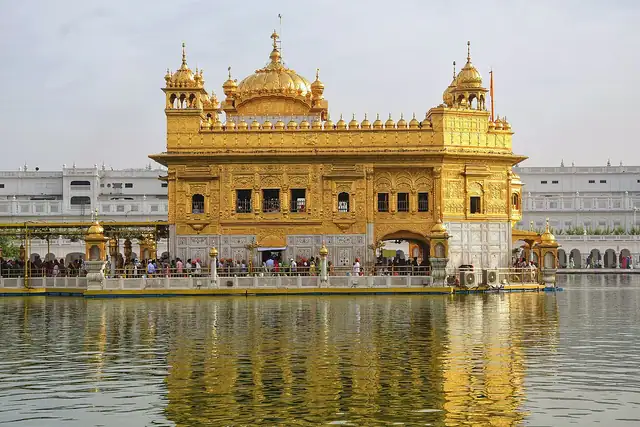
- World monument · 1581–1604; rebuilt 1764; gilded early 19th centuryGolden Temple (Harmandir Sahib)A temple in a pool, with four open doors and steps that lead down, not up.
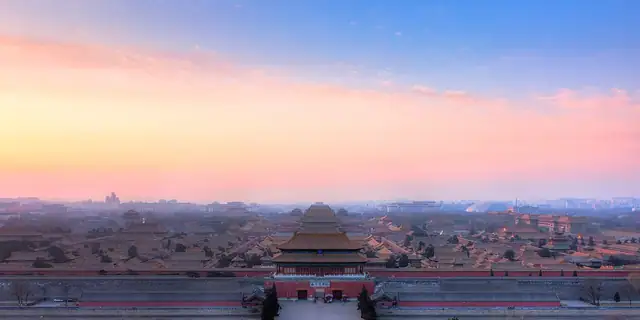
- World monument · 1406–1420Forbidden CityTwenty-four emperors' palace, built on one perfect north–south axis.
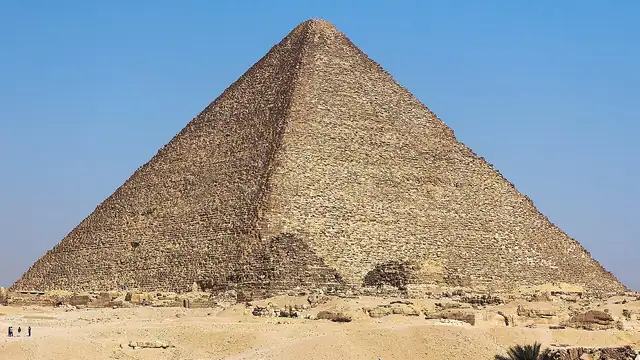
- World monument · c. 2600–2560 BCEGreat Pyramid of GizaKhufu's tomb, the tallest structure on Earth for almost 4,000 years.
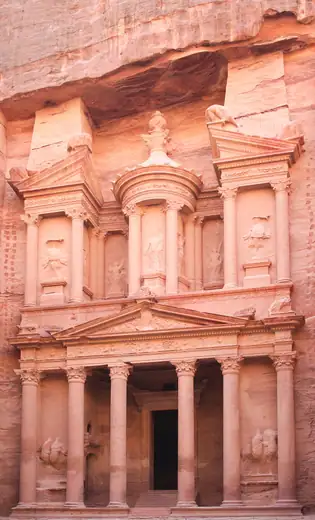
- World monument · Al-Khazneh: about the 1st century CEPetra — Al-Khazneh (the Treasury)A royal tomb carved top-down into a rose-red cliff, at the end of a narrow gorge.
- Architecture & engineeringThe Seven Wonders of the World, ancient and new: who built them, how, and what is leftThe Seven Wonders of the World, ancient and new: who built each, when, how they were engineered, and why only the Great Pyramid of the first seven survives.
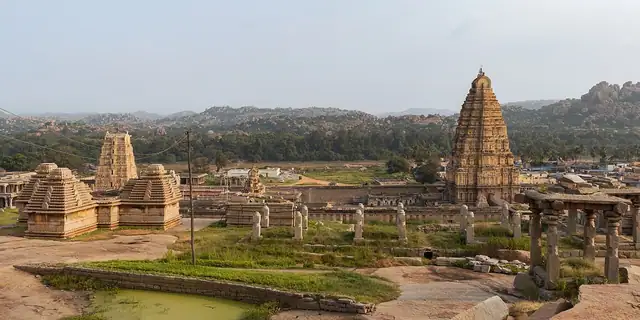
- World monument · Mainly 14th–16th century (Vijayanagara Empire, 1336–1565)Hampi (Group of Monuments)A sacked imperial capital of granite temples, stone chariots and singing pillars.

Get the ideas, not the noise.
Sign up with Google and we’ll send you short UX psychology tips by email — why people tap, stall and leave, and what to do about it. Unsubscribe anytime. Prefer something to keep? Get the free Laws of UX guide as a PDF.