 By
At a glance: Petra — Al-Khazneh (the Treasury)
- Location
- Ma'an Governorate, Jordan
- Built
- Al-Khazneh: about the 1st century CE
- Type
- Rock-cut tomb façade in a caravan city · Royal
- Style
- Nabataean with Hellenistic influence
- Commissioned by
- Nabataean kings, probably Aretas IV for Al-Khazneh
- Architects & builders
- Not recorded
- Materials
- Carved into rose-red sandstone
- Size
- Al-Khazneh façade about 39 m high and 25 m wide
- UNESCO
- Petra (1985)
Petra: what it is
Petra grew rich on the incense and spice trade between Arabia and the Mediterranean. The Nabataeans carved hundreds of tombs, temples and houses into the surrounding cliffs, and built free-standing temples, theatres and colonnaded streets in the valley.
Visitors reach Al-Khazneh through the Siq, a winding gorge about 1.2 km long. The façade appears suddenly through a slit in the rock — an entrance experience that its designers may well have intended.
Petra, then and now
Real images only: an earlier view and a recent photograph, each credited and linked to its original file. Switch between them or compare side by side.
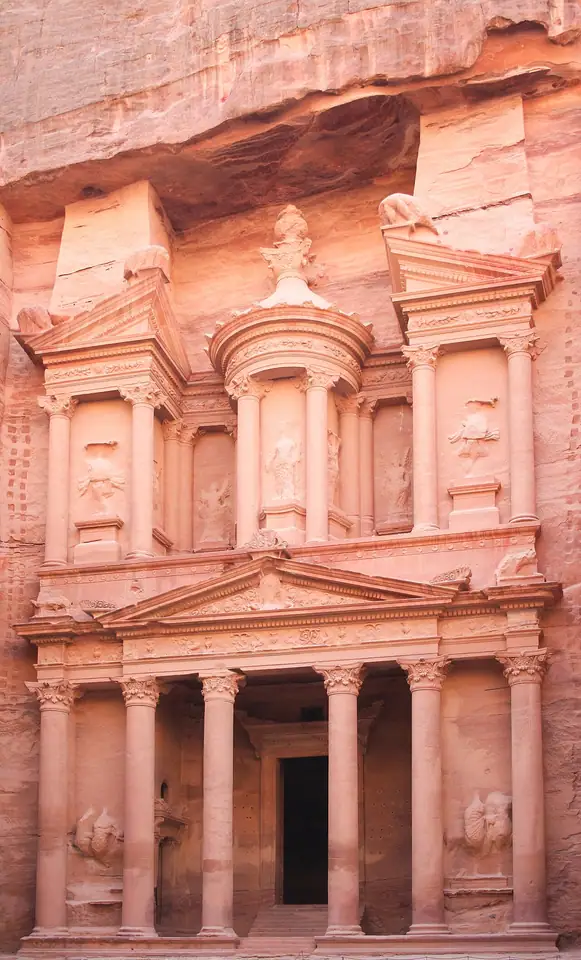
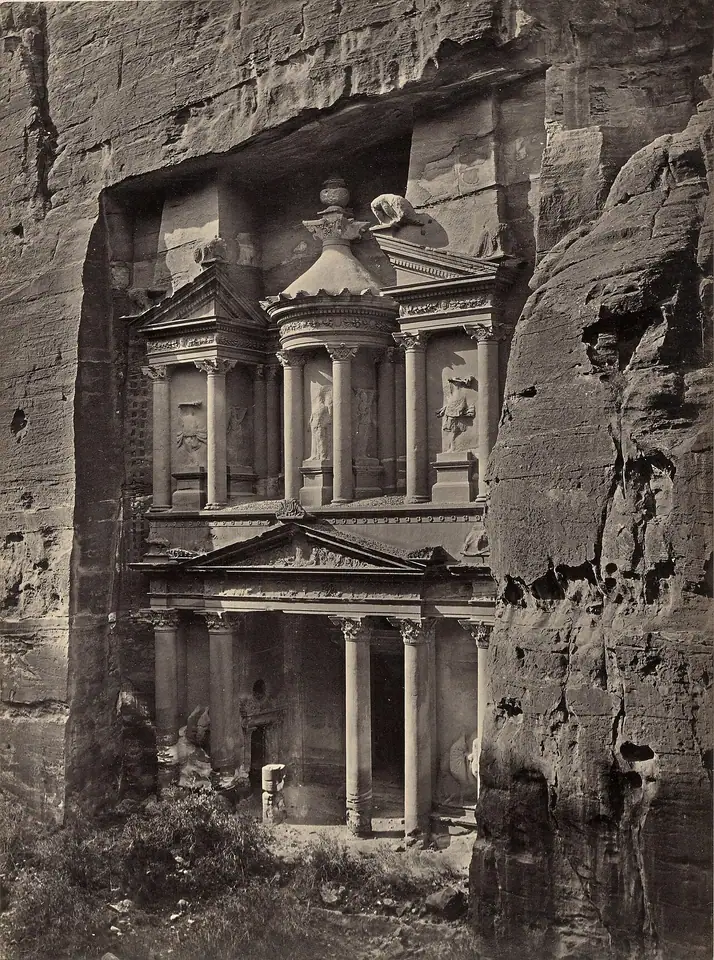 Then · 1860sNow · TodayMove across the image to compare
Petra: how it was designed
- 01
Carved from the top down
Masons cut a sheer face into the cliff, then carved the façade from the top, standing on the uncut rock below, so no scaffolding was needed. The interior is a plain square chamber.
- 02
Two storeys of borrowed classicism
The lower storey is a columned portico with a pediment; the upper storey has a round tholos flanked by broken pediments. These are Hellenistic forms from Alexandria, adapted by Nabataean taste.
- 03
A city designed around water
Petra gets very little rain but sudden floods. The Nabataeans diverted floodwater with a dam and tunnel at the Siq entrance and cut channels and cisterns into the rock to store water year-round.
Construction timeline
Nabataeans are recorded in the region; Petra becomes their capital.
Al-Khazneh is carved, most likely under King Aretas IV (9 BCE – 40 CE).
Rome annexes the Nabataean kingdom as the province of Arabia Petraea.
A major earthquake damages much of the city.
Swiss explorer Johann Ludwig Burckhardt reaches Petra in disguise, the first European known to do so in centuries.
Inscribed by UNESCO in 1985; in 2003 excavation reveals tombs beneath the Treasury's forecourt.
How the design changed
Bullet holes in the urn
Local legend held that the stone urn on top was full of treasure, which gave the building its name. The urn is pitted with bullet marks from people trying to break it open.
Buried and revealed
Floods and sediment raised the ground in front of the Treasury by several metres over the centuries; excavation lowered it again and uncovered the tombs below.
Who built it
Petra was carved by Nabataean masons for their kings and leading families. The Nabataeans wrote in an Aramaic script that developed into Arabic script, but no inscription names the Treasury's designer or confirms whose tomb it was.
Where it is
Ma'an Governorate, Jordan · 30.3289° N, 35.4403° E · Open in OpenStreetMap. Nearest in this guide: Great Pyramid (416 km), Karnak (581 km), Göbekli Tepe (831 km).
 416 km581 km831 kmPetra
Drag to pan, use + and − or double-click to zoom, and tap any pin for a preview.
Built around the same time
| Monument | Country | Built | Gap |
|---|---|---|---|
| Colosseum | Italy | c. 70–80 CE | 120 years later |
| Pyramid of the Sun, Teotihuacan | Mexico | c. 100–250 CE | 150 years later |
| Pantheon | Italy | c. 113–125 CE | 163 years later |
| Terracotta Army | China | c. 246–208 BCE; found 1974 | 196 years earlier |
Petra: questions people ask
Who built Petra's Treasury?
Nabataean masons carved it, most likely for King Aretas IV around the 1st century CE. No inscription names its designer or its owner.
Is the Treasury at Petra really a treasury?
No. Despite its name, which comes from a legend about treasure in the urn on top, it was probably a royal tomb or memorial temple.
How was Petra's Treasury carved?
From the top down: masons smoothed the cliff face and carved downward, standing on the rock beneath, so they did not need scaffolding.
When was Petra rediscovered?
Local Bedouin always knew it. For Europeans, Johann Ludwig Burckhardt reached Petra in 1812 and published his account.
Sources & image credits
- UNESCO World Heritage Centre — Petra
- Wikipedia — Petra
- Petra Development and Tourism Region Authority — Visit Petra
- Current photograph: The Treasury, Petra, Jordan5.jpg by Diego Delso, CC BY-SA 3.0 — original on Wikimedia Commons · licence.
- Historic image: Jordan Иордания. Петра. Храм-Мавзолей Эль-Хазне 1865 4436 t3e1fW.jpg by Francis Frith, Public domain — original on Wikimedia Commons.
- Coordinates from Wikidata. Images resized and converted to WebP; otherwise unaltered. Checked October 25, 2026.
More to wander into
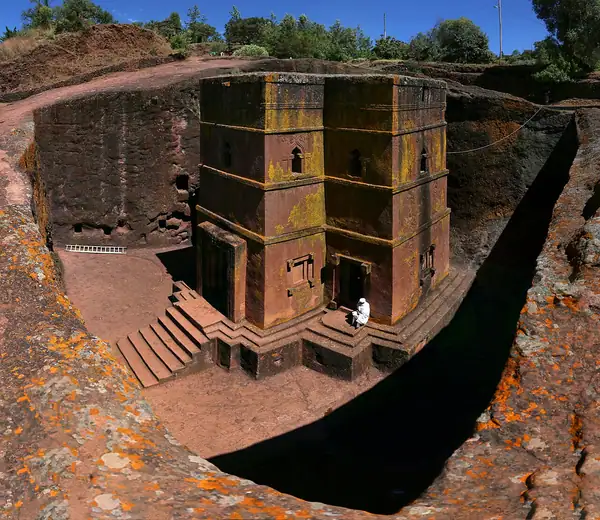
- World monument · Late 12th – early 13th century (traditional dating)Rock-Hewn Churches of LalibelaChurches carved down into the ground, still in daily use after 800 years.
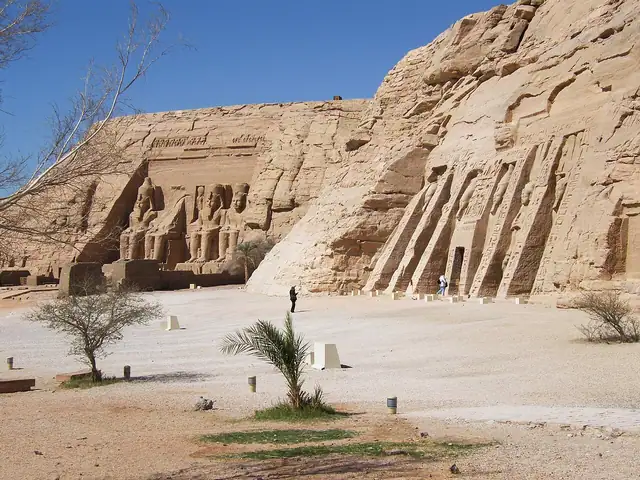
- World monument · c. 1264–1244 BCE; moved 1964–1968Abu Simbel TemplesRamesses II's cliff temples, sawn into blocks and rebuilt on higher ground in the 1960s.
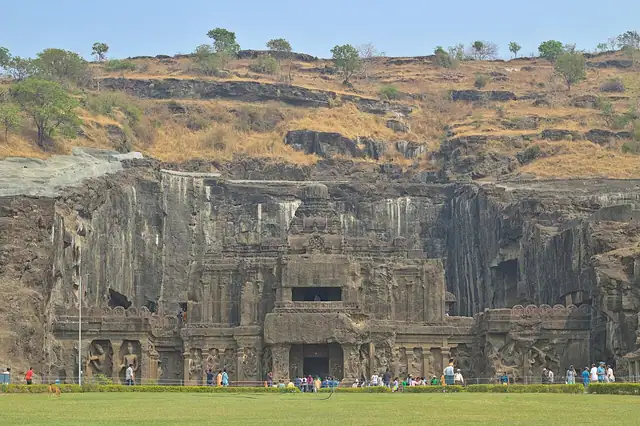
- World monument · 8th century CE (mainly under Krishna I, r. c. 756–773)Kailasa Temple, ElloraA complete temple carved downward out of one basalt hill.
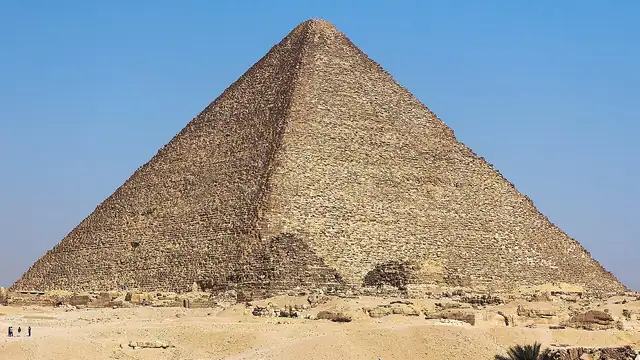
- World monument · c. 2600–2560 BCEGreat Pyramid of GizaKhufu's tomb, the tallest structure on Earth for almost 4,000 years.
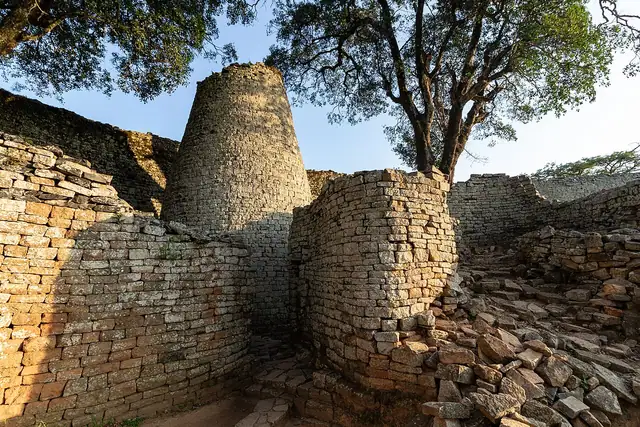
- World monument · c. 11th–15th century CEGreat ZimbabweMortarless granite walls of an African kingdom, once falsely credited to outsiders.
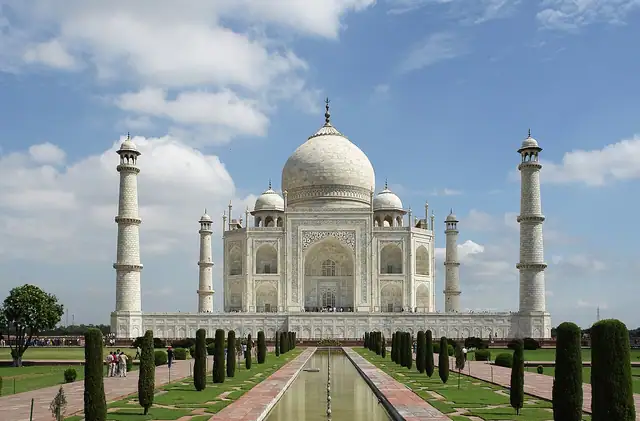
- World monument · 1632–1653 (mausoleum c. 1643)Taj MahalShah Jahan's marble tomb for Mumtaz Mahal, ruled by perfect symmetry.
Get the ideas, not the noise.
Sign up with Google and we’ll send you short UX psychology tips by email — why people tap, stall and leave, and what to do about it. Unsubscribe anytime. Prefer something to keep? Get the free Laws of UX guide as a PDF.