 By
At a glance: Pyramid of the Sun, Teotihuacan
- Location
- State of Mexico, north-east of Mexico City, Mexico
- Built
- c. 100–250 CE
- Type
- Stepped pyramid in a planned city · Sacred
- Style
- Teotihuacan (Classic Mesoamerican)
- Commissioned by
- Rulers of Teotihuacan (names unknown)
- Architects & builders
- Not recorded
- Materials
- Rubble and adobe core faced with stone, originally plastered and painted
- Size
- About 65 m tall; base about 225 m a side
Teotihuacan: what it is
Teotihuacan was laid out along a north–south axis, the Avenue of the Dead, running about 15 degrees east of north. The Pyramid of the Sun sits on its east side; the Pyramid of the Moon closes the avenue's northern end.
The city was already in ruins when the Aztecs found it centuries later and named it 'the place where the gods were created'. The names of the pyramids are Aztec; what its builders called them is unknown.
Teotihuacan, then and now
Real images only: an earlier view and a recent photograph, each credited and linked to its original file. Switch between them or compare side by side.
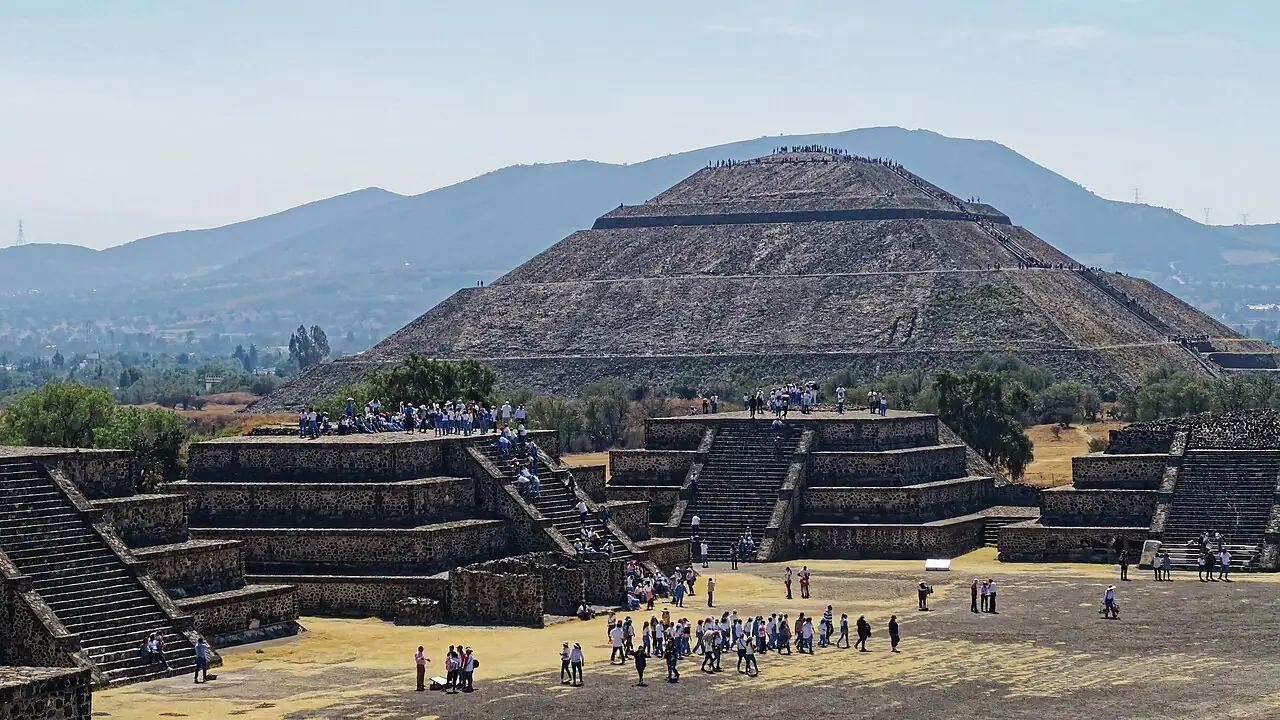
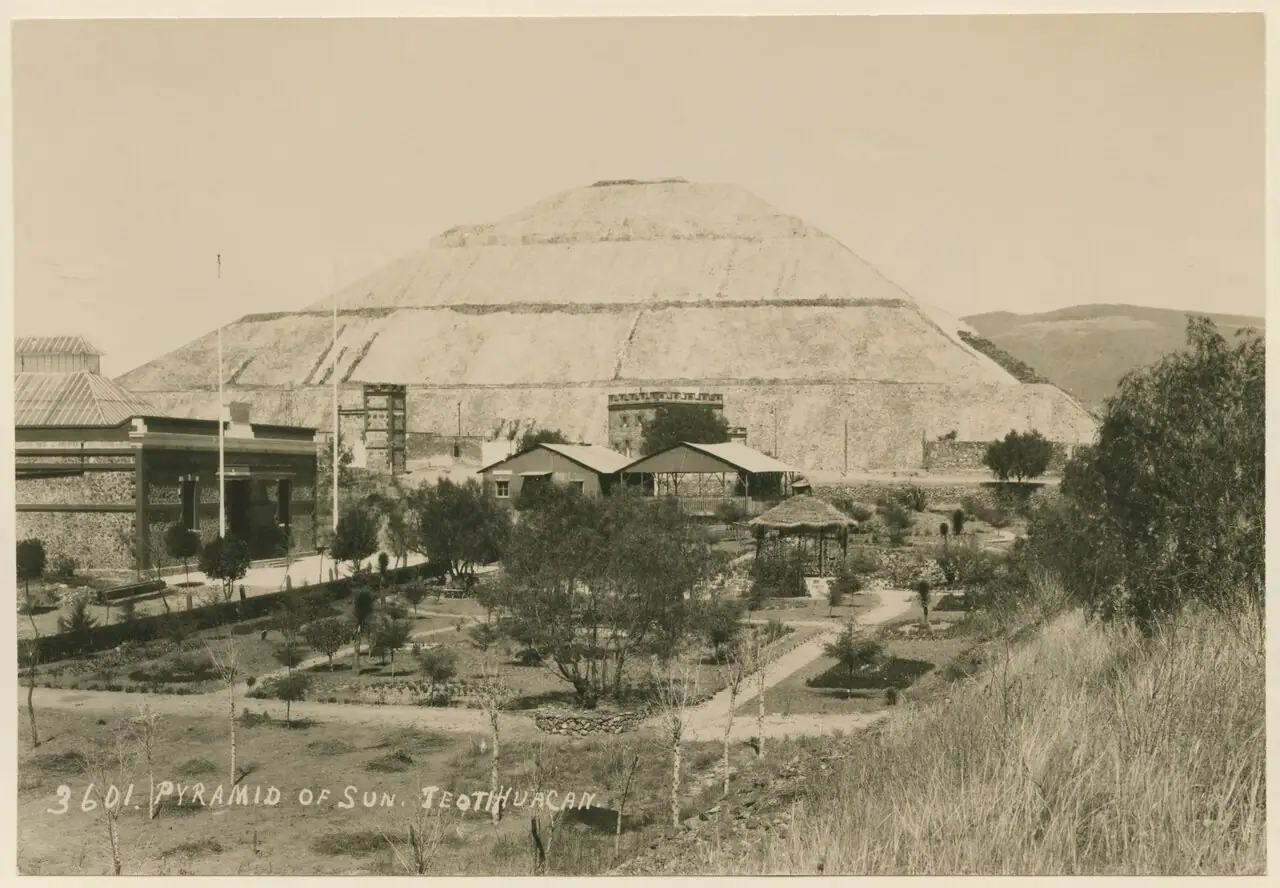 Then · c. 1900Now · TodayMove across the image to compare
Teotihuacan: how it was designed
- 01
A mountain echoed
Seen along the avenue, the pyramid's stepped profile echoes the mountain Cerro Gordo behind it, tying the built city to its landscape.
- 02
Built over a cave
In 1971 archaeologists found a tunnel under the pyramid leading to chambers, likely a sacred cave. The pyramid was placed deliberately on top of it.
- 03
A city on a grid
Streets, apartment compounds and even the San Juan River's channel follow the same orientation as the pyramids — one of the earliest large-scale urban plans in the Americas.
Construction timeline
The Pyramid of the Sun is built in at least two major phases.
Central Teotihuacan is burned and the city declines.
The Aztecs revere the ruins and give the city and pyramids their names.
Leopoldo Batres restores the pyramid for the centenary of Mexican independence, removing much of the outer fill.
A tunnel and chambers are discovered beneath the pyramid.
Inscribed on the UNESCO World Heritage List.
How the design changed
Too much removed
Batres's crews stripped several metres of material from three faces to reveal what he believed was the original surface. Most archaeologists now see this as over-restoration that altered the pyramid's original profile.
Lost colour
Like the rest of the city, the pyramid was once covered in lime plaster and painted, likely red. Today's bare stone face is the result of erosion and restoration.
Who built it
Teotihuacan's builders left no readable written records, and their ethnic identity is still debated. The city housed perhaps 100,000 people at its height, including neighbourhoods of migrants from Oaxaca and the Maya region, and its rulers organised huge public works.
Where it is
State of Mexico, north-east of Mexico City, Mexico · 19.6925° N, 98.8438° W · Open in OpenStreetMap. Nearest in this guide: Chichen Itza (1,078 km), Statue of Liberty (3,314 km), Machu Picchu (4,651 km).
 1,078 km3,314 km4,651 kmTeotihuacan
Drag to pan, use + and − or double-click to zoom, and tap any pin for a preview.
Built around the same time
| Monument | Country | Built | Gap |
|---|---|---|---|
| Pantheon | Italy | c. 113–125 CE | 13 years later |
| Colosseum | Italy | c. 70–80 CE | 30 years earlier |
| Petra — Al-Khazneh (the Treasury) | Jordan | Al-Khazneh: about the 1st century CE | 150 years earlier |
Teotihuacan: questions people ask
How tall is the Pyramid of the Sun?
It is about 65 metres tall today, with a base about 225 metres on each side, making it one of the largest pyramids in the Americas.
Who built Teotihuacan?
The city was built by a people whose own name for themselves is unknown. The Aztecs, who arrived centuries after its fall, named it Teotihuacan.
Was the Pyramid of the Sun restored incorrectly?
The 1905–1910 restoration by Leopoldo Batres removed several metres of outer material from three sides, which most archaeologists regard as over-restoration.
Can you climb the Pyramid of the Sun?
Climbing has been restricted in recent years for conservation; check the site's current rules with Mexico's INAH before visiting.
Sources & image credits
- UNESCO World Heritage Centre — Pre-Hispanic City of Teotihuacan
- Wikipedia — Pyramid of the Sun
- Current photograph: 2020-02-11 Teotihuacan la Avenida de los Muertos y la Pirámide del Sol.jpg by Burkhard Mücke, CC BY-SA 4.0 — original on Wikimedia Commons · licence.
- Historic image: 3601 Pyramid of sun, 0098.a.0001.tif by C. B. Waite, Charles Betts Waite (December 19, 1861 – March 22, 1927), Public domain — original on Wikimedia Commons.
- Coordinates from Wikidata. Images resized and converted to WebP; otherwise unaltered. Checked October 25, 2026.
More to wander into
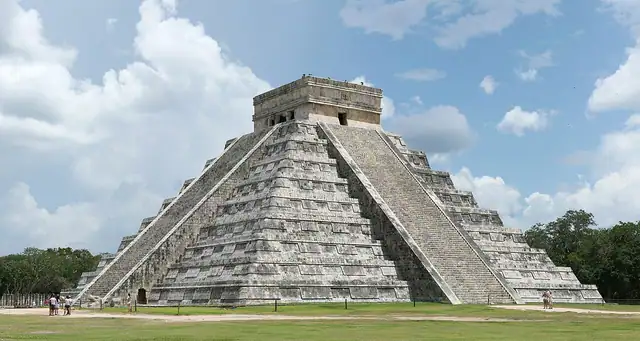
- World monument · c. 9th–11th century CE (outer pyramid)El Castillo, Chichen ItzaA Maya pyramid that counts the year and casts a serpent shadow at the equinox.
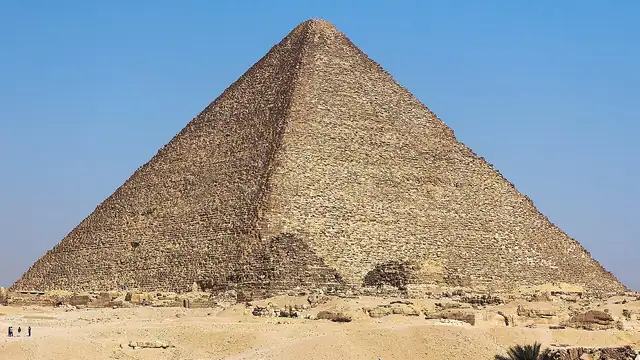
- World monument · c. 2600–2560 BCEGreat Pyramid of GizaKhufu's tomb, the tallest structure on Earth for almost 4,000 years.
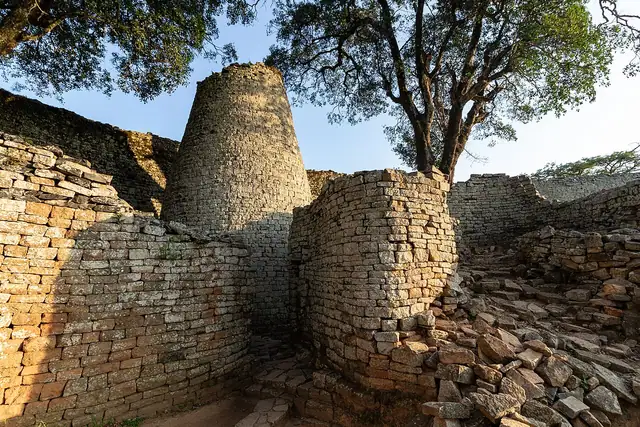
- World monument · c. 11th–15th century CEGreat ZimbabweMortarless granite walls of an African kingdom, once falsely credited to outsiders.
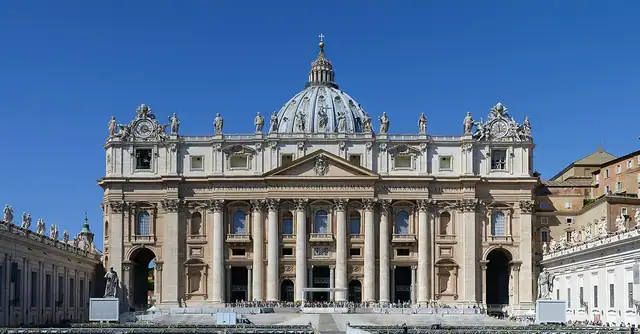
- World monument · 1506–1626 (square completed 1667)St Peter's BasilicaA church redesigned by six great architects over 120 years.
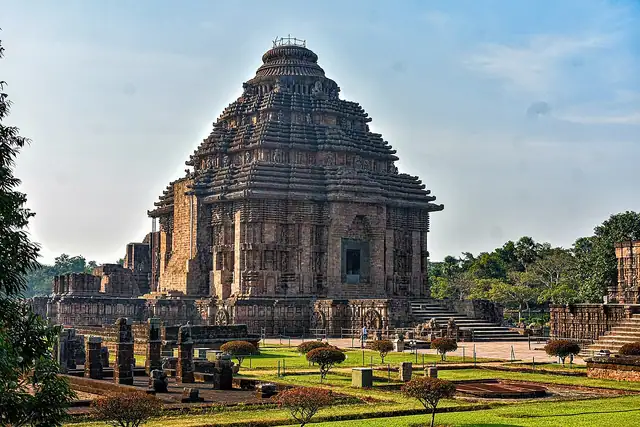
- World monument · c. 1250 CE (reign of Narasimhadeva I, 1238–1264)Konark Sun TempleThe sun god's chariot in stone, with wheels that work as sundials.
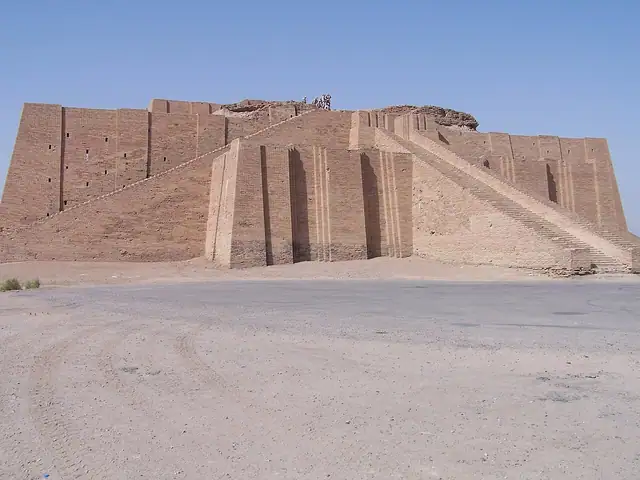
- World monument · c. 21st century BCEZiggurat of UrA 4,100-year-old Sumerian stepped platform for the moon god, rebuilt in parts in the 1980s.
Get the ideas, not the noise.
Sign up with Google and we’ll send you short UX psychology tips by email — why people tap, stall and leave, and what to do about it. Unsubscribe anytime. Prefer something to keep? Get the free Laws of UX guide as a PDF.