 By
At a glance: Colosseum
- Location
- Rome, Italy
- Built
- c. 70–80 CE
- Type
- Amphitheatre · Engineering
- Style
- Imperial Roman
- Commissioned by
- Emperors Vespasian, Titus and Domitian (Flavian dynasty)
- Architects & builders
- Not recorded
- Materials
- Travertine, tuff, brick-faced Roman concrete
- Size
- Ellipse 189 × 156 m; about 48 m tall
Colosseum: what it is
Vespasian began the amphitheatre on the site of Nero's private lake, turning a symbol of imperial excess into public entertainment. His son Titus opened it with 100 days of games; his other son Domitian completed the upper level and the underground hypogeum.
The Colosseum hosted gladiator fights and animal hunts for about four centuries. Later it served as housing, workshops, a fortress and a quarry, before becoming a protected monument in the 18th and 19th centuries.
Colosseum, then and now
Real images only: an earlier view and a recent photograph, each credited and linked to its original file. Switch between them or compare side by side.
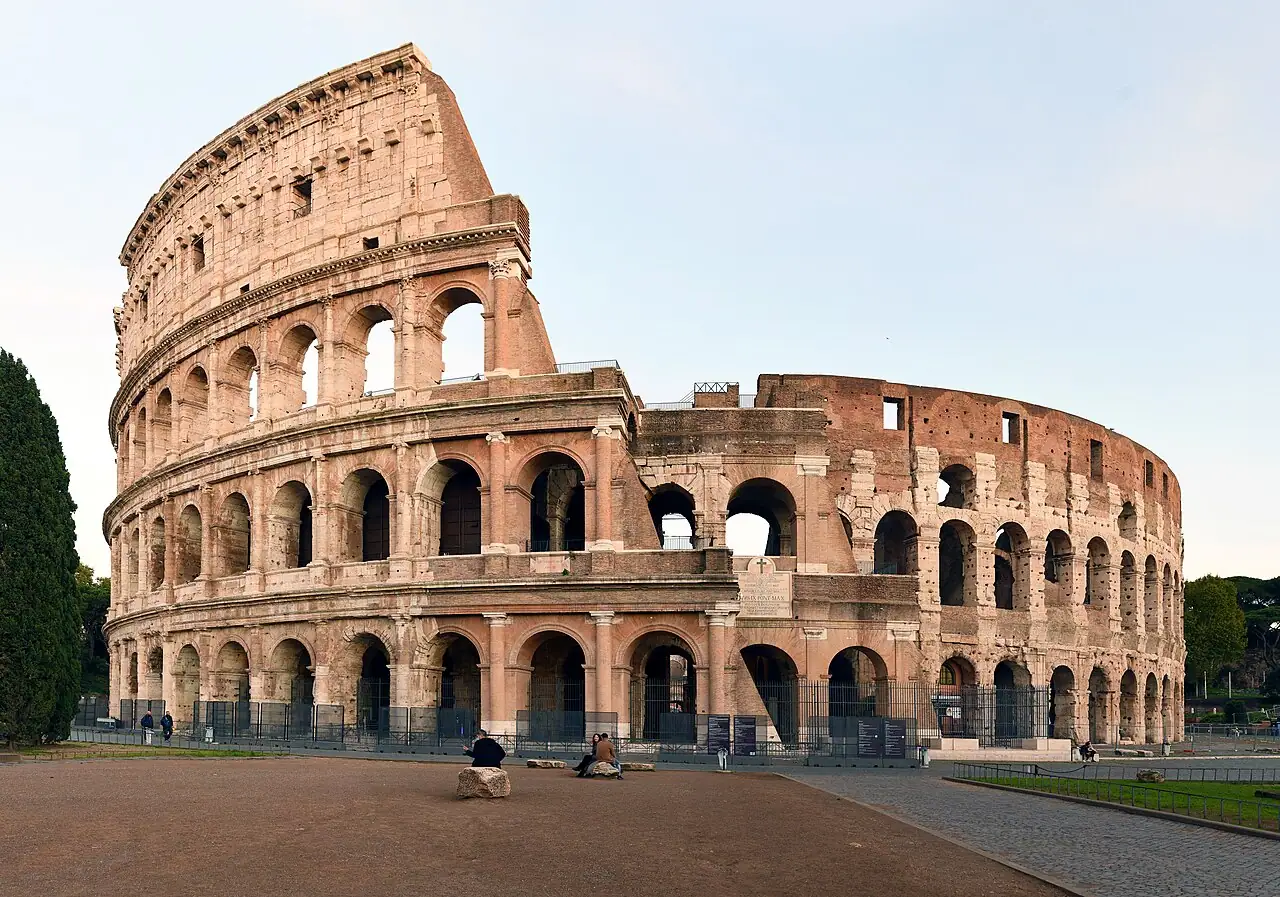
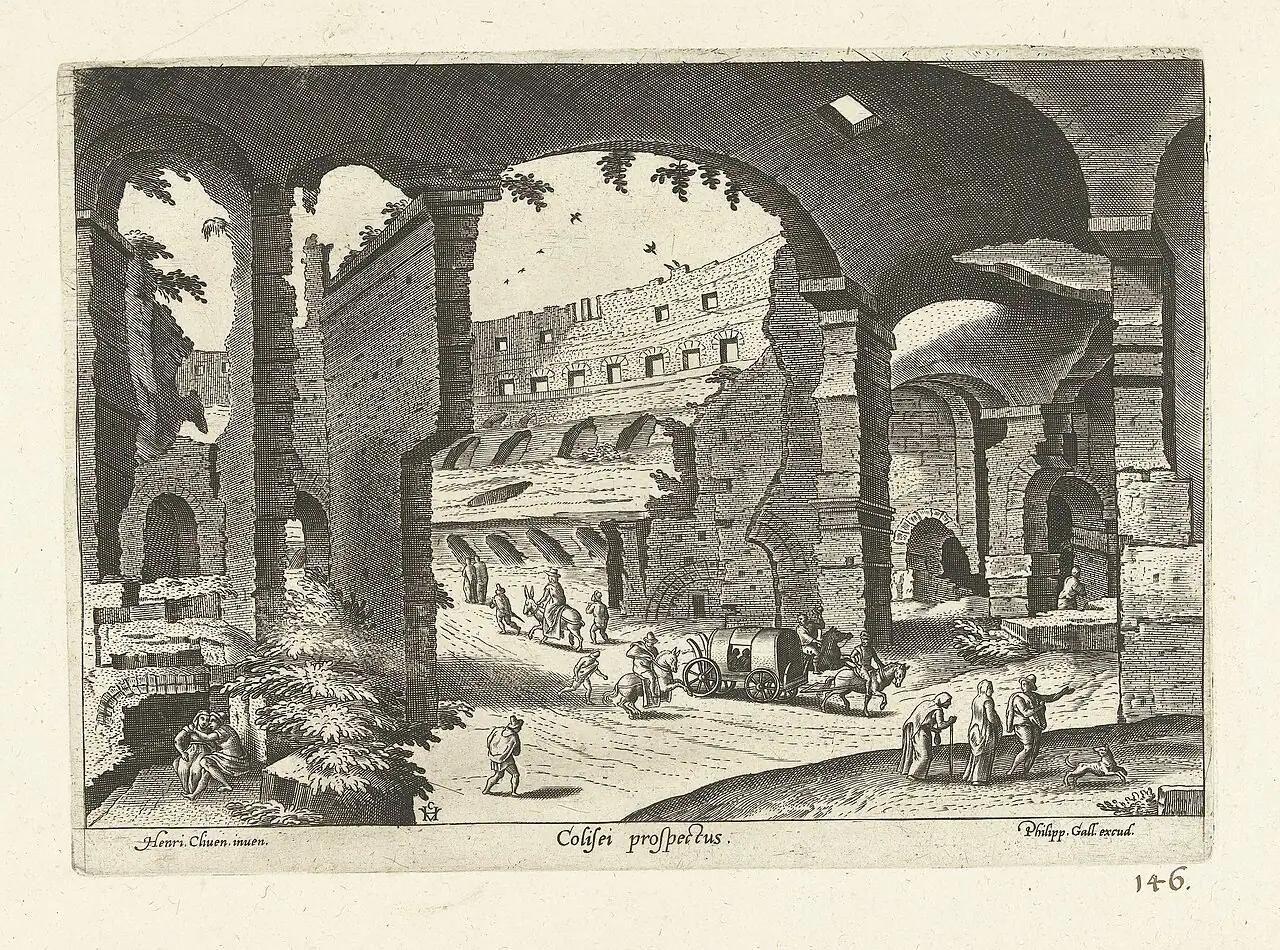 Then · 1585Now · TodayMove across the image to compare
Colosseum: how it was designed
- 01
Arches that move crowds
The outer wall is a grid of arches on three levels, with an attic above. Behind them run vaulted corridors and staircases. Entrances were numbered and seats ticketed, so tens of thousands could find their place and leave quickly.
- 02
The orders stacked in sequence
Half-columns frame the arches: Tuscan at the bottom, Ionic in the middle and Corinthian on top, with Corinthian pilasters on the attic. The sequence became a rule for Renaissance architects.
- 03
A retractable roof of cloth
Sockets and corbels around the top held about 240 masts for the velarium, an awning that sailors rigged to shade the crowd.
- 04
A machine under the floor
The hypogeum, a two-level network of tunnels and cages under the arena, had lifts and trapdoors that raised animals and scenery into the arena mid-show.
Construction timeline
Vespasian begins construction, reportedly funded with spoils from the sack of Jerusalem.
Titus inaugurates the amphitheatre with 100 days of games.
Domitian adds the hypogeum and completes the top level.
A major earthquake brings down much of the southern outer wall; its stone is later reused across Rome.
Brick buttresses by Raffaele Stern and Giuseppe Valadier stabilise the broken ends of the outer ring.
The restored hypogeum opens to visitors after a multi-year restoration.
How the design changed
Half a ring
Only the northern side keeps all four storeys of the outer wall. On the south the inner ring is exposed, giving the Colosseum its familiar broken silhouette.
Holes all over
The pockmarks across the stone are where medieval scavengers dug out iron clamps that once held the travertine blocks together.
Who built it
No architect is named in ancient sources. The work was organised by the Flavian emperors and carried out by teams of builders, many of them enslaved, quarrying travertine at Tivoli about 30 km away. Four separate construction teams appear to have built different sectors at the same time to finish quickly.
Where it is
Rome, Italy · 41.8903° N, 12.4922° E · Open in OpenStreetMap. Nearest in this guide: Pantheon (2 km), St Peter's (3 km), Tower of Pisa (266 km).
 2 km3 km266 kmColosseum
Drag to pan, use + and − or double-click to zoom, and tap any pin for a preview.
Built around the same time
| Monument | Country | Built | Gap |
|---|---|---|---|
| Pyramid of the Sun, Teotihuacan | Mexico | c. 100–250 CE | 30 years later |
| Pantheon | Italy | c. 113–125 CE | 43 years later |
| Petra — Al-Khazneh (the Treasury) | Jordan | Al-Khazneh: about the 1st century CE | 120 years earlier |
Colosseum: questions people ask
How long did it take to build the Colosseum?
About ten years. Construction began around 70–72 CE under Vespasian, and Titus opened it in 80 CE, with Domitian finishing details by the 90s.
How many people did the Colosseum hold?
Estimates range from about 50,000 to 80,000; most scholars favour around 50,000 spectators.
Why is part of the Colosseum missing?
Earthquakes, especially in 1349, toppled much of the southern outer wall, and the fallen stone was carted away for building elsewhere in Rome.
What was under the Colosseum floor?
The hypogeum, a two-level maze of tunnels, cages and lifts used to raise animals, gladiators and scenery into the arena.
Sources & image credits
- UNESCO World Heritage Centre — Historic Centre of Rome
- Wikipedia — Colosseum
- Parco archeologico del Colosseo — The Colosseum
- Current photograph: Colosseo 2020.jpg by FeaturedPics, CC BY-SA 4.0 — original on Wikimedia Commons · licence.
- Historic image: Gezicht op de ruïnes van het Colosseum Colisei prospectus (titel op object) Ruinarum varii prospectus (serietitel), RP-P-1904-1831.jpg by Rijksmuseum, CC0 — original on Wikimedia Commons · licence.
- Coordinates from Wikidata. Images resized and converted to WebP; otherwise unaltered. Checked October 25, 2026.
More to wander into
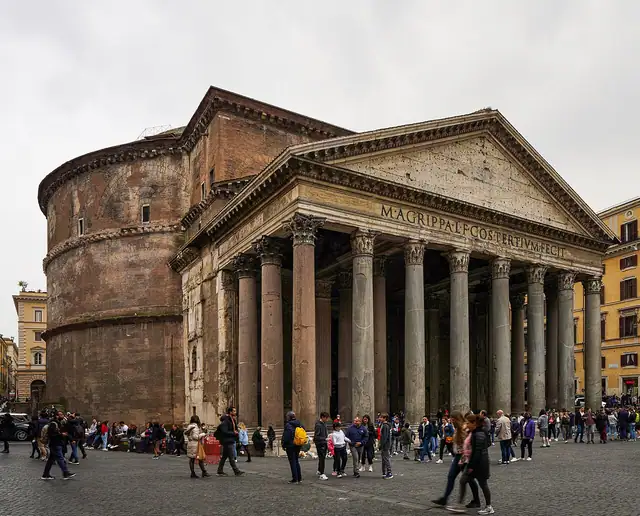
- World monument · c. 113–125 CEPantheonThe largest unreinforced concrete dome on Earth, open to the sky for 1,900 years.
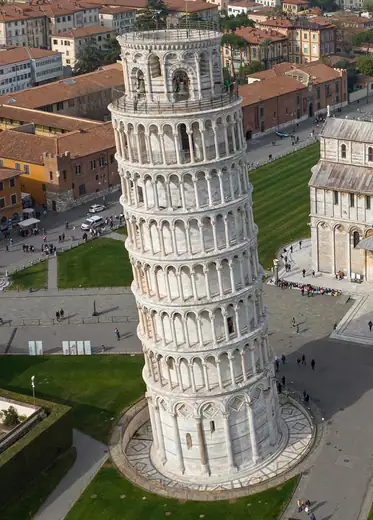
- World monument · 1173–1372Leaning Tower of PisaA bell tower that began to lean in 1178 and was built curved to compensate.
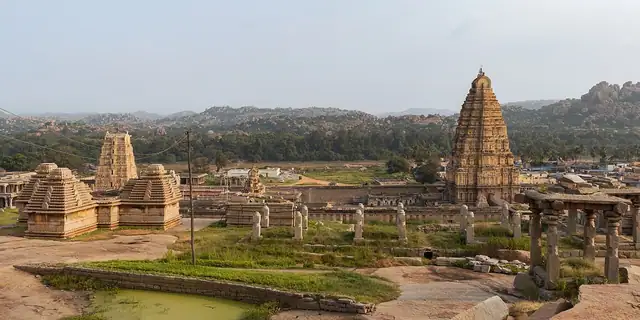
- World monument · Mainly 14th–16th century (Vijayanagara Empire, 1336–1565)Hampi (Group of Monuments)A sacked imperial capital of granite temples, stone chariots and singing pillars.
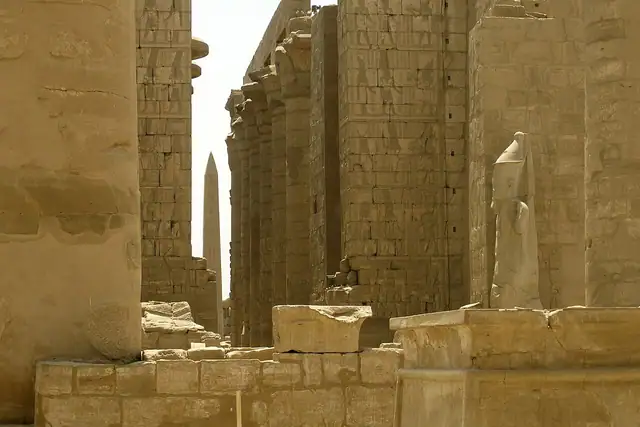
- World monument · c. 1971 BCE – 1st century BCEKarnak Temple ComplexA temple that grew for 2,000 years, with a forest of 134 stone columns.
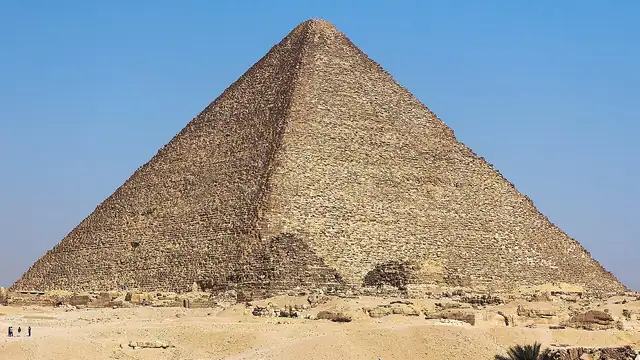
- World monument · c. 2600–2560 BCEGreat Pyramid of GizaKhufu's tomb, the tallest structure on Earth for almost 4,000 years.
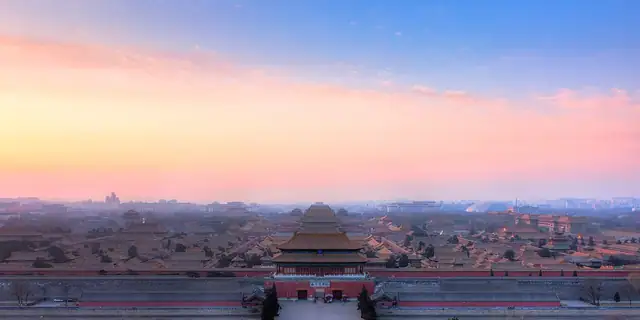
- World monument · 1406–1420Forbidden CityTwenty-four emperors' palace, built on one perfect north–south axis.
Get the ideas, not the noise.
Sign up with Google and we’ll send you short UX psychology tips by email — why people tap, stall and leave, and what to do about it. Unsubscribe anytime. Prefer something to keep? Get the free Laws of UX guide as a PDF.