 By
At a glance: Hampi (Group of Monuments)
- Location
- Vijayanagara district, Karnataka, India
- Built
- Mainly 14th–16th century (Vijayanagara Empire, 1336–1565)
- Type
- Ruined imperial capital with temples · Royal
- Style
- Vijayanagara (Dravidian with Indo-Islamic elements)
- Commissioned by
- Vijayanagara emperors, notably Krishnadevaraya (r. 1509–1529)
- Architects & builders
- Not recorded
- Materials
- Local granite
- Size
- Over 1,600 surviving remains across about 41 km²
Hampi: what it is
The brothers Harihara I and Bukka Raya I founded the Vijayanagara Empire in 1336. Their capital grew around the sacred site of Hampi, already linked with the goddess Pampa and the Ramayana.
Portuguese visitors such as Domingo Paes in the 1520s compared it to Rome. After the defeat at Talikota in 1565, the city was looted for months and abandoned, leaving one of the largest ruined cities in the world.
Hampi, then and now
Real images only: an earlier view and a recent photograph, each credited and linked to its original file. Switch between them or compare side by side.
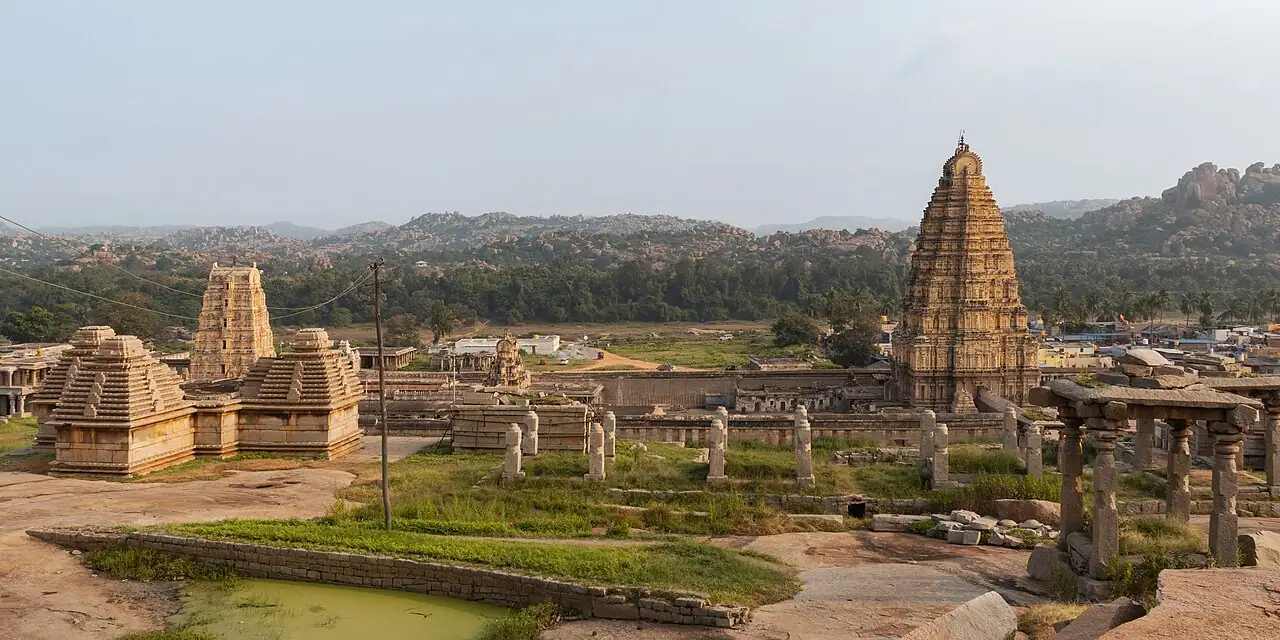
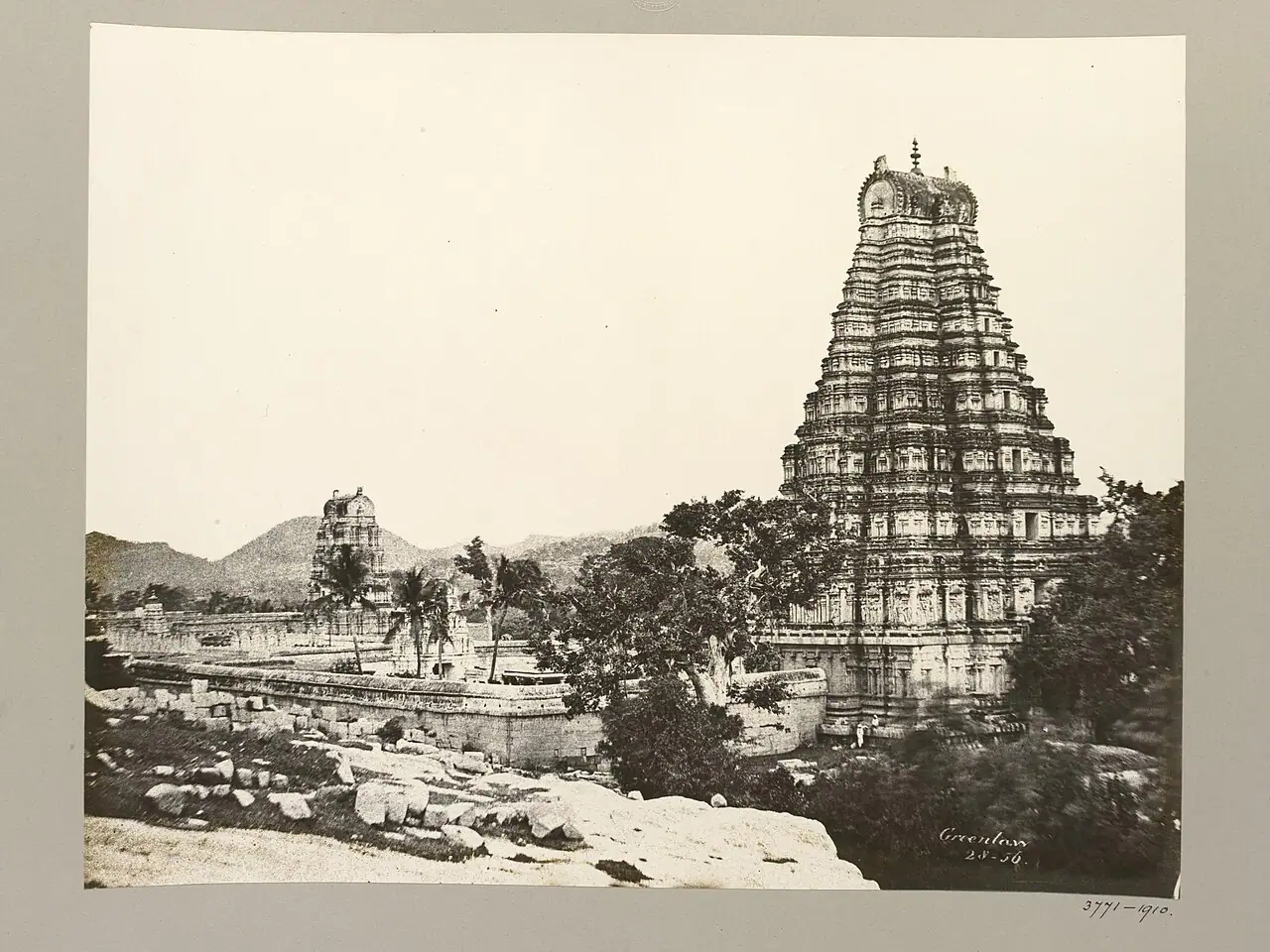 Then · 1856Now · TodayMove across the image to compare
Hampi: how it was designed
- 01
Built from the landscape
The builders quarried the granite boulders around them; split marks are still visible on rocks. Temples, wells and walls rise from the same stone as the hills.
- 02
A stone chariot
The shrine to Garuda in front of the Vittala temple is carved as a temple car with stone wheels, built under Krishnadevaraya in the early 16th century. It appears on India's ₹50 note issued in 2018.
- 03
Pillars that ring
Slender granite columns in the Vittala temple's main hall produce musical tones when tapped, giving them the name 'SaReGaMa pillars'.
- 04
Two traditions mixed
The Lotus Mahal and the Elephant Stables combine Hindu-style tiered roofs with Islamic arches and domes, showing the court's openness to Deccan Sultanate design.
Construction timeline
Small shrines at the Virupaksha site predate the empire.
Harihara I and Bukka Raya I found the Vijayanagara Empire.
Krishnadevaraya's reign; major additions to the Virupaksha and Vittala temples.
After the Battle of Talikota the city is sacked and abandoned.
Alexander Greenlaw makes the first detailed photographic survey of the ruins.
Inscribed on the UNESCO World Heritage List; on the danger list 1999–2006.
How the design changed
A city frozen by a single defeat
Because the capital was abandoned so suddenly, many buildings were never finished or repaired, and Hampi preserves 16th-century urban design largely unaltered by later rebuilding.
A temple that never stopped
The Virupaksha temple continued as a working temple after the sack, so its gopuram and halls have been repaired and repainted over the centuries, unlike the abandoned Vittala temple.
Who built it
The Sangama, Saluva and Tuluva dynasties of the Vijayanagara Empire built the city. Krishnadevaraya, the empire's best-known ruler, commissioned many of its finest works. Inscriptions record donors, but the architects and master masons are mostly unnamed.
Where it is
Vijayanagara district, Karnataka, India · 15.3345° N, 76.4622° E · Open in OpenStreetMap. Nearest in this guide: Kailasa Temple (539 km), Brihadeeswarar (583 km), Sanchi Stupa (916 km).
 539 km583 km916 kmHampi
Drag to pan, use + and − or double-click to zoom, and tap any pin for a preview.
Built around the same time
| Monument | Country | Built | Gap |
|---|---|---|---|
| Forbidden City | China | 1406–1420 | 70 years later |
| Moai of Rapa Nui | Chile | c. 1250–1500 CE (most statues) | 86 years earlier |
| Konark Sun Temple | India | c. 1250 CE (reign of Narasimhadeva I, 1238–1264) | 98 years earlier |
| Alhambra | Spain | 1238 – late 14th century (Nasrid palaces) | 98 years earlier |
Hampi: questions people ask
Who built Hampi?
The rulers of the Vijayanagara Empire, founded in 1336 by Harihara I and Bukka Raya I. Krishnadevaraya (r. 1509–1529) added many of its best-known monuments.
Why was Hampi destroyed?
After the Vijayanagara army lost the Battle of Talikota in 1565 to an alliance of Deccan sultanates, the capital was plundered for months and abandoned.
Do the musical pillars at Hampi really make sounds?
Yes. Some slender pillars in the Vittala temple's main hall produce distinct tones when tapped. Tapping is now discouraged to protect them.
Which currency note has the Hampi stone chariot?
The stone chariot appears on the reverse of the ₹50 banknote issued by the Reserve Bank of India in 2018.
Sources & image credits
- UNESCO World Heritage Centre — Group of Monuments at Hampi
- Wikipedia — Hampi
- Archaeological Survey of India — Hampi
- Current photograph: Wide angle of Galigopuram of Virupaksha Temple, Hampi (04) (cropped).jpg by iMahesh, CC BY-SA 4.0 — original on Wikimedia Commons · licence.
- Historic image: Virupaksha Temple Complex 1856 photo.jpg by Greenlaw, Alexander John Colonel, born 1818 - died 1870 (photographer), Public domain — original on Wikimedia Commons.
- Coordinates from Wikidata. Images resized and converted to WebP; otherwise unaltered. Checked October 25, 2026.
More to wander into
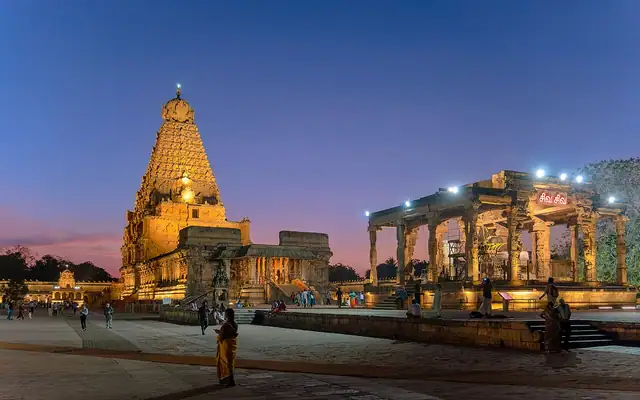
- World monument · c. 1003–1010 CEBrihadeeswarar Temple, ThanjavurRajaraja Chola's 66-metre granite tower, signed by its architect.
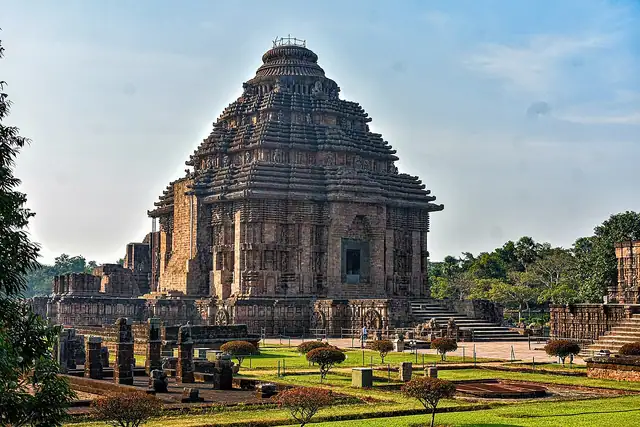
- World monument · c. 1250 CE (reign of Narasimhadeva I, 1238–1264)Konark Sun TempleThe sun god's chariot in stone, with wheels that work as sundials.
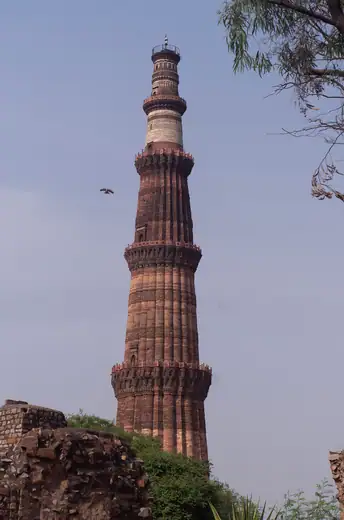
- World monument · c. 1199–1220; top rebuilt 1369Qutub MinarDelhi's fluted 72.5-metre tower, finished by three sultans over 170 years.
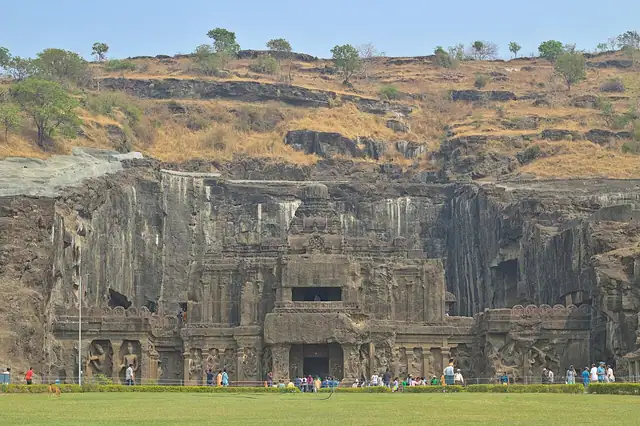
- World monument · 8th century CE (mainly under Krishna I, r. c. 756–773)Kailasa Temple, ElloraA complete temple carved downward out of one basalt hill.
- World monument · 1581–1604; rebuilt 1764; gilded early 19th centuryGolden Temple (Harmandir Sahib)A temple in a pool, with four open doors and steps that lead down, not up.
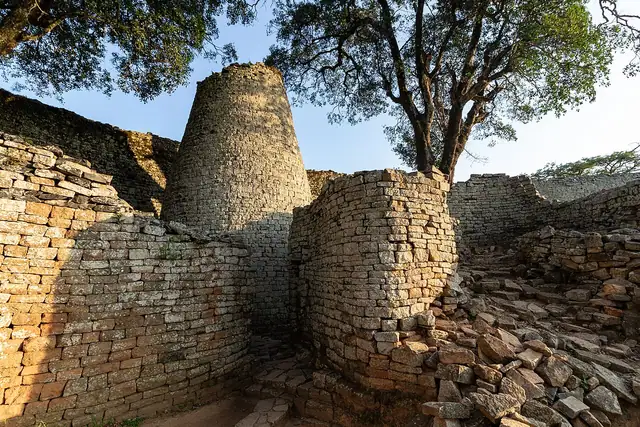
- World monument · c. 11th–15th century CEGreat ZimbabweMortarless granite walls of an African kingdom, once falsely credited to outsiders.

Get the ideas, not the noise.
Sign up with Google and we’ll send you short UX psychology tips by email — why people tap, stall and leave, and what to do about it. Unsubscribe anytime. Prefer something to keep? Get the free Laws of UX guide as a PDF.