 By
At a glance: Moai of Rapa Nui
- Location
- Rapa Nui (Easter Island), Chile
- Built
- c. 1250–1500 CE (most statues)
- Type
- Monolithic statues on stone platforms (ahu) · Statue
- Style
- Polynesian, Rapa Nui
- Commissioned by
- Rapa Nui clans
- Architects & builders
- Not recorded
- Materials
- Volcanic tuff from Rano Raraku; red scoria topknots
- Size
- Nearly 1,000 statues; average about 4 m tall
Moai: what it is
Rapa Nui is one of the most remote inhabited islands on Earth, about 3,700 km from Chile. Polynesian voyagers settled it around 1200 CE and created one of the most distinctive monumental traditions in the Pacific.
Most moai stand on ahu, stone platforms along the coast, with their backs to the sea. About half of all moai are still at or near the quarry, some unfinished in the rock.
Moai, then and now
Real images only: an earlier view and a recent photograph, each credited and linked to its original file. Switch between them or compare side by side.
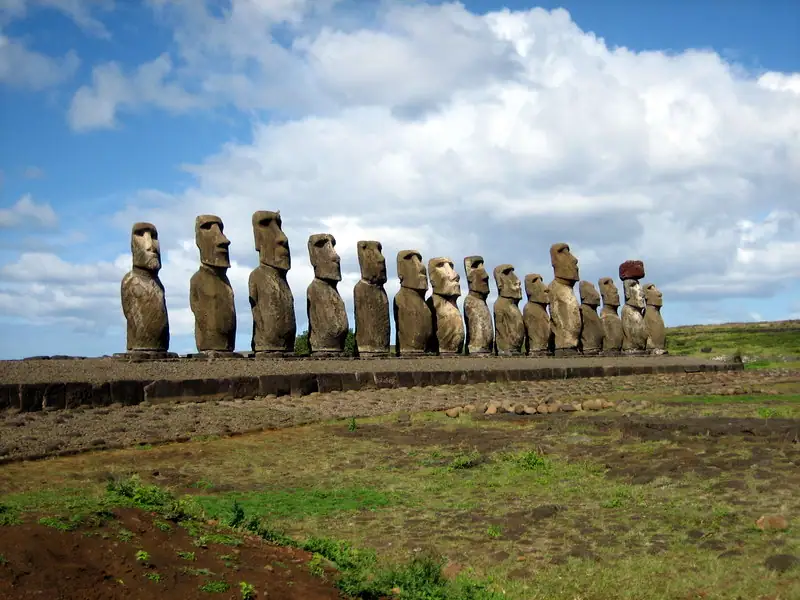
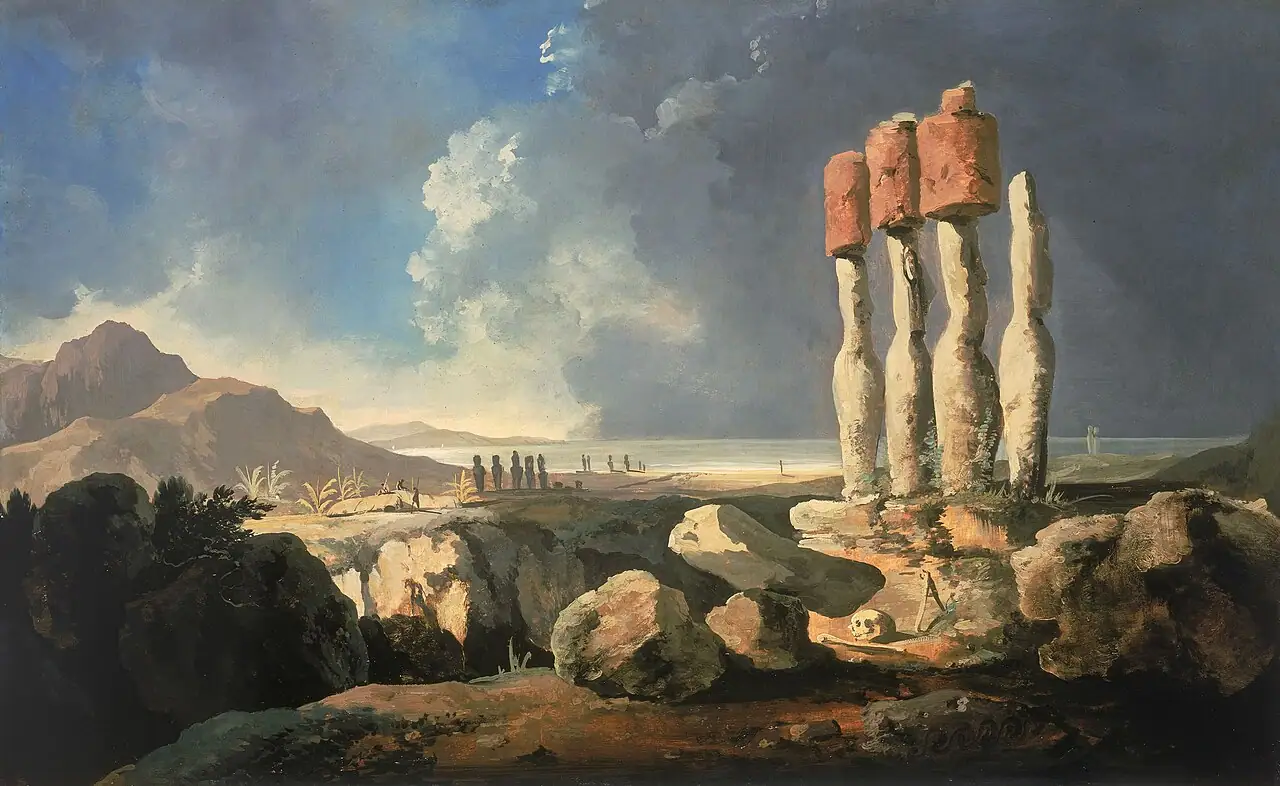 Then · 1774–77Now · TodayMove across the image to compare
Moai: how it was designed
- 01
A head-heavy form
The figures have oversized heads, long ears, heavy brows and arms carved close to the body, with hands meeting over the stomach. Many are torsos only; the bodies continue below ground at the quarry.
- 02
Eyes that brought them to life
A coral-and-stone eye found at Anakena in 1978 showed that erected moai once had inlaid white eyes, which may have marked the moment a statue became sacred.
- 03
Hats of a different stone
Some moai carry pukao, cylinders of red scoria from a separate quarry at Puna Pau, placed on top after erection.
- 04
Shaped to be moved
Experiments published in 2012 showed a replica moai could be 'walked' upright by teams rocking it with ropes, which matches oral traditions that the statues walked to their platforms.
Construction timeline
Polynesian settlers arrive on Rapa Nui.
Most moai are carved and erected.
Dutch navigator Jacob Roggeveen reaches the island and sees standing statues.
James Cook's expedition visits; William Hodges paints the moai.
All moai on the ahu have been pulled down.
A Chilean-Japanese project re-erects the 15 moai of Ahu Tongariki, scattered by a 1960 tsunami; UNESCO inscription follows in 1995.
How the design changed
Toppled
Moai were deliberately pulled down during a period of social conflict and change in the 18th and 19th centuries, often face down to break their necks.
Raised again
From the 1950s archaeologists re-erected statues at several sites. Ahu Tongariki, now the largest standing group, was restored with a crane donated by the Japanese company Tadano.
Who built it
The moai were carved by skilled specialists for Rapa Nui lineages, using basalt hand tools found still lying in the quarry. Each statue honoured an important ancestor. The Rapa Nui people still live on the island and play a central role in managing the park.
Where it is
Rapa Nui (Easter Island), Chile · 27.1142° S, 109.3640° W · Open in OpenStreetMap. Nearest in this guide: Machu Picchu (4,125 km), Teotihuacan (5,327 km), Chichen Itza (5,767 km).
 4,125 km5,327 km5,767 kmMoai
Drag to pan, use + and − or double-click to zoom, and tap any pin for a preview.
Built around the same time
| Monument | Country | Built | Gap |
|---|---|---|---|
| Konark Sun Temple | India | c. 1250 CE (reign of Narasimhadeva I, 1238–1264) | 12 years earlier |
| Alhambra | Spain | 1238 – late 14th century (Nasrid palaces) | 12 years earlier |
| Qutub Minar | India | c. 1199–1220; top rebuilt 1369 | 51 years earlier |
| Rock-Hewn Churches of Lalibela | Ethiopia | Late 12th – early 13th century (traditional dating) | 69 years earlier |
Moai: questions people ask
How many moai are there on Easter Island?
Close to 1,000 moai have been recorded. About half remain at or near the Rano Raraku quarry.
How were the moai moved?
Research published in 2012 showed that moai could be 'walked' upright by teams rocking them with ropes, matching Rapa Nui oral tradition.
Why were the moai built?
They represent deified ancestors who were believed to protect their descendants, which is why most face inland toward the villages.
Do the moai have bodies?
Yes. All moai have torsos; the famous 'heads' on the slopes of Rano Raraku are statues buried up to their shoulders by sediment.
Sources & image credits
- UNESCO World Heritage Centre — Rapa Nui National Park
- Wikipedia — Moai
- Lipo, Hunt & Haoa — The 'walking' megalithic statues (moai) of Easter Island, Journal of Archaeological Science (2013)
- Current photograph: AhuTongariki.JPG by Ian Sewell, CC BY 2.5 — original on Wikimedia Commons · licence.
- Historic image: Hodges easter-island.jpg by William Hodges, Public domain — original on Wikimedia Commons.
- Coordinates from Wikidata. Images resized and converted to WebP; otherwise unaltered. Checked October 25, 2026.
More to wander into
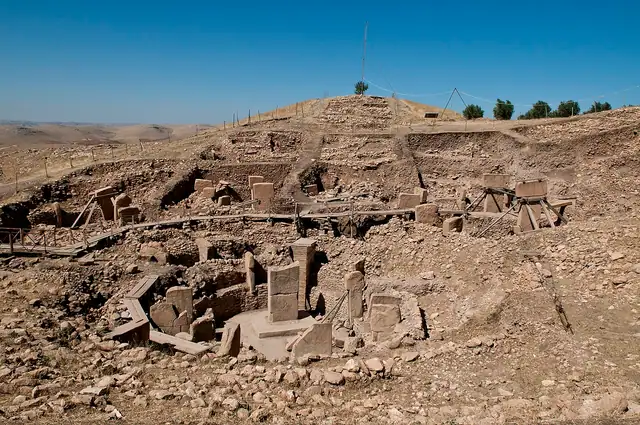
- World monument · c. 9600–8200 BCEGöbekli TepeThe oldest known monument: carved stone pillars raised 11,600 years ago by hunter-gatherers.
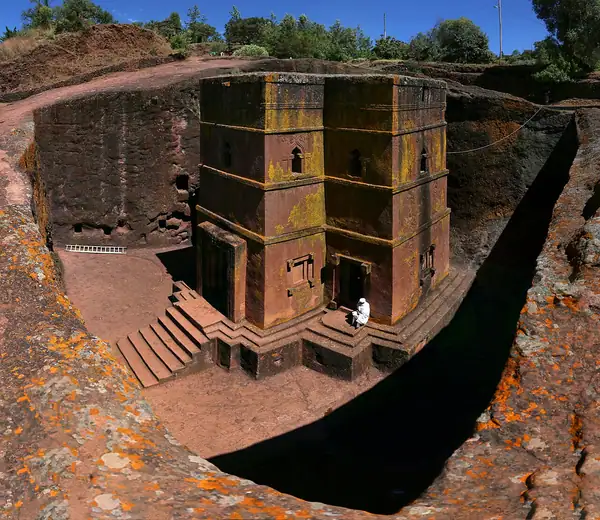
- World monument · Late 12th – early 13th century (traditional dating)Rock-Hewn Churches of LalibelaChurches carved down into the ground, still in daily use after 800 years.
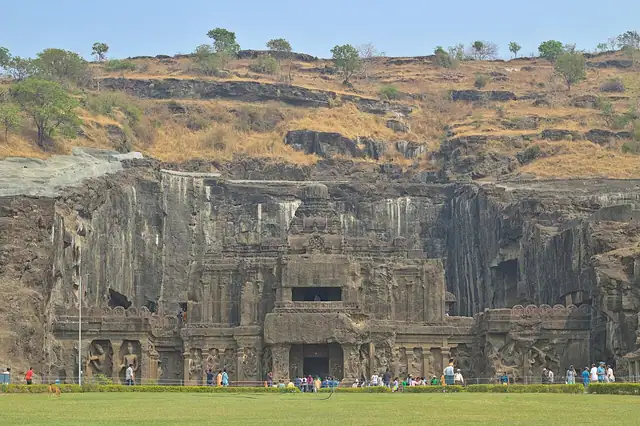
- World monument · 8th century CE (mainly under Krishna I, r. c. 756–773)Kailasa Temple, ElloraA complete temple carved downward out of one basalt hill.
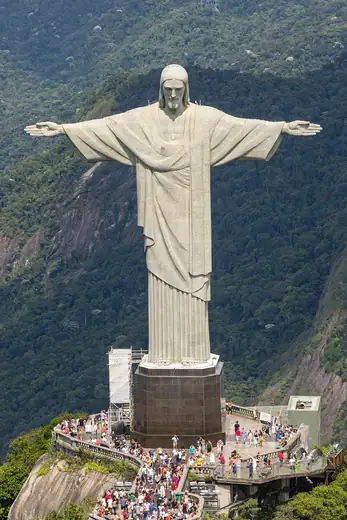
- World monument · 1922–1931Christ the RedeemerA concrete Christ in a coat of soapstone tiles, arms open 700 metres above Rio.
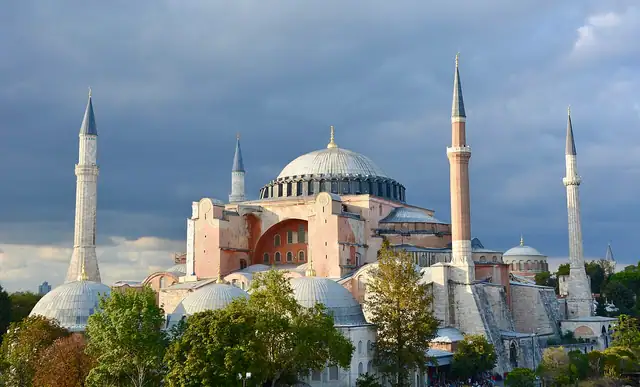
- World monument · 532–537 CEHagia SophiaJustinian's cathedral whose dome seems to float on a ring of light.
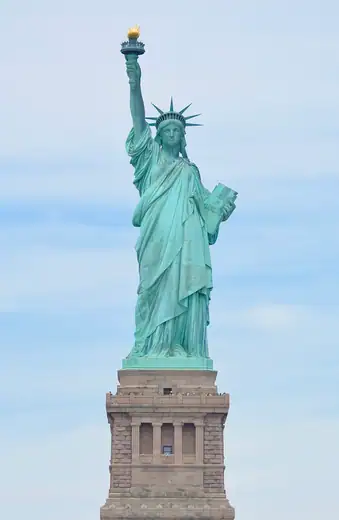
- World monument · 1876–1886 (dedicated 28 October 1886)Statue of LibertyA copper skin on Eiffel's iron skeleton, turned green by the sea air.
Get the ideas, not the noise.
Sign up with Google and we’ll send you short UX psychology tips by email — why people tap, stall and leave, and what to do about it. Unsubscribe anytime. Prefer something to keep? Get the free Laws of UX guide as a PDF.