 By
At a glance: Saint Basil's Cathedral
- Location
- Red Square, Moscow, Russia
- Built
- 1555–1561
- Type
- Cathedral (now a museum) · Sacred
- Style
- Russian, tented-roof tradition
- Commissioned by
- Tsar Ivan IV ('the Terrible')
- Architects & builders
- Barma and Postnik Yakovlev (possibly one person)
- Materials
- Red brick, white stone, painted iron domes
- Size
- Central tower about 47.5 m tall
St Basil's: what it is
Ivan IV vowed a church for each victory in his campaign against the Khanate of Kazan, which fell in 1552. The result is not one church but nine, each dedicated to a saint or feast linked to a day of the campaign, joined on a common base.
The popular name comes from Basil the Blessed, a holy fool buried beside it, whose chapel was added in 1588.
St Basil's, then and now
Real images only: an earlier view and a recent photograph, each credited and linked to its original file. Switch between them or compare side by side.
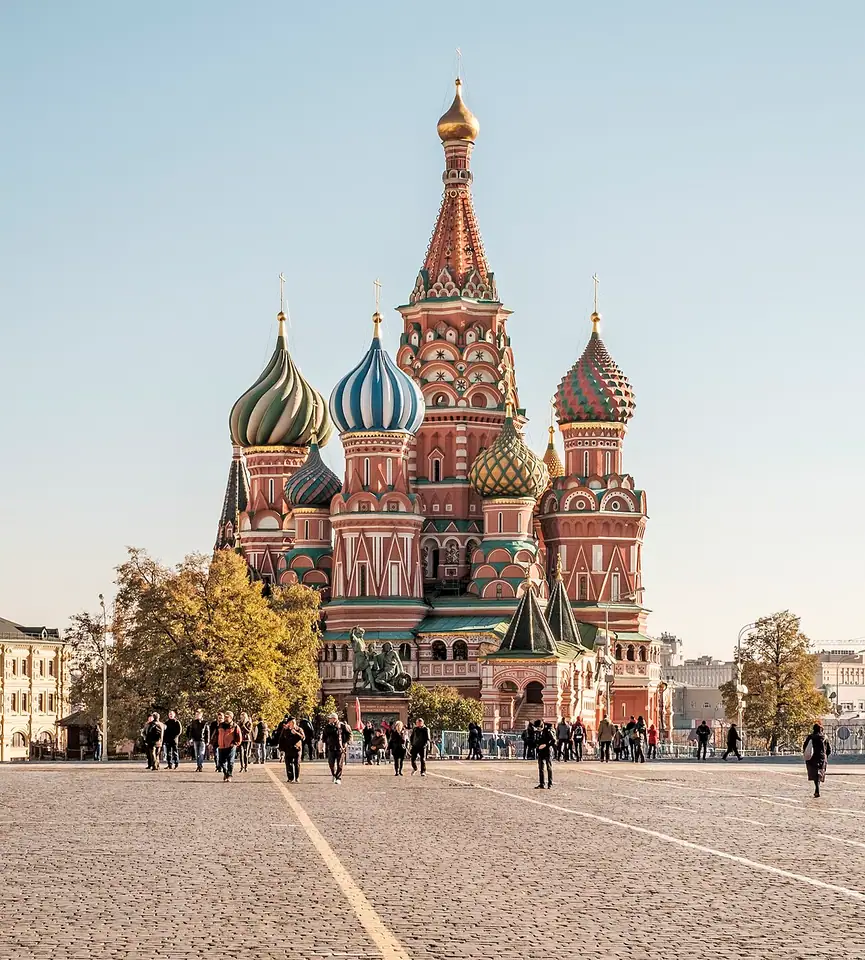
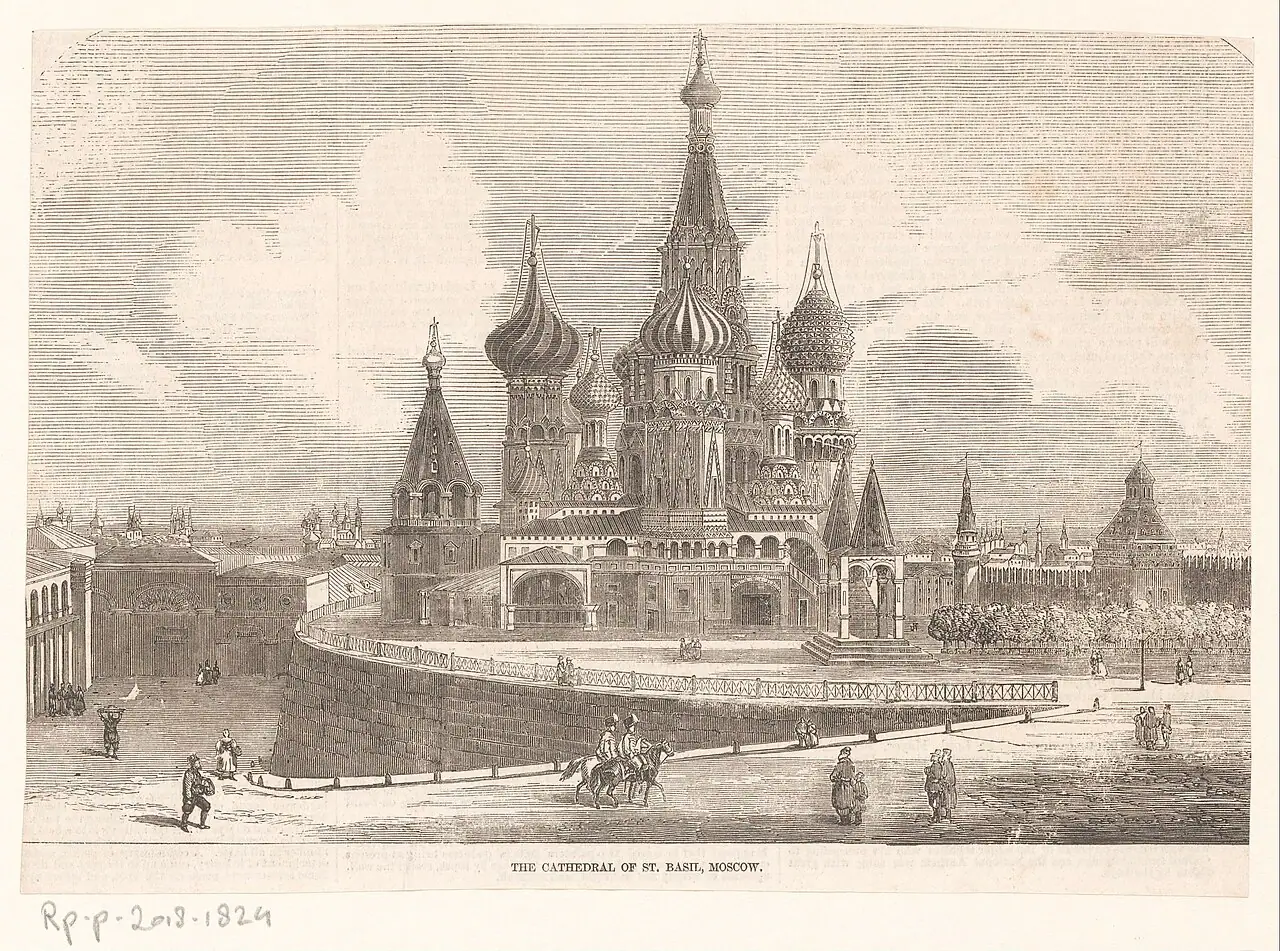 Then · 1856Now · TodayMove across the image to compare
St Basil's: how it was designed
- 01
A plan like a star
Four large chapels on the cardinal points and four smaller ones between them surround the central tower. From above the plan forms an eight-pointed star.
- 02
Stone translated from wood
The tall central 'tent' roof copies the tented roofs of Russian timber churches, rendered in brick.
- 03
Every dome different
The onion domes are each patterned differently — twisted, faceted, ribbed — so the building reads as a deliberately varied composition rather than a symmetrical one.
Construction timeline
Ivan IV captures Kazan.
The cathedral is built.
A chapel over the grave of Basil the Blessed is added.
The domes take their onion form and the building is painted in bright colours.
Napoleon's troops use it as stables; it survives the French retreat.
It becomes a branch of the State Historical Museum.
How the design changed
Colour came later
Contemporary sources describe a red and white building with gold domes. The multicoloured paintwork developed from the 17th century into the 19th.
Saved from demolition
In the 1930s Soviet planners clearing Red Square for parades considered removing it. The restorer Pyotr Baranovsky is credited with defending it.
Who built it
Chronicles name the architects as Barma and Postnik Yakovlev; some historians think they were the same person. The story that Ivan blinded them so they could never build anything as beautiful is a legend, unsupported by records — Postnik is documented working later.
Where it is
Red Square, Moscow, Russia · 55.7525° N, 37.6231° E · Open in OpenStreetMap. Nearest in this guide: Hagia Sophia (1,756 km), Neuschwanstein (2,048 km), Göbekli Tepe (2,063 km).
 1,756 km2,048 km2,063 kmSt Basil's
Drag to pan, use + and − or double-click to zoom, and tap any pin for a preview.
Built around the same time
| Monument | Country | Built | Gap |
|---|---|---|---|
| Golden Temple (Harmandir Sahib) | India | 1581–1604; rebuilt 1764; gilded early 19th century | 26 years later |
| Himeji Castle | Japan | 1601–1609 (earlier fort from 1346) | 46 years later |
| St Peter's Basilica | Vatican City | 1506–1626 (square completed 1667) | 49 years earlier |
| Taj Mahal | India | 1632–1653 (mausoleum c. 1643) | 77 years later |
St Basil's: questions people ask
Who built Saint Basil's Cathedral?
Tsar Ivan IV commissioned it in 1555; chronicles name the architects as Barma and Postnik Yakovlev, possibly one person.
Were the architects of St Basil's blinded?
That is a legend. There is no evidence for it, and Postnik Yakovlev appears in records working on later buildings.
Why is St Basil's so colourful?
It was originally mostly red brick and white stone with gold domes. The bright patterns were painted from the 17th century onward.
Is Saint Basil's a church or a museum?
It is mainly a museum, part of the State Historical Museum since 1928, with occasional services held in it.
Sources & image credits
- UNESCO World Heritage Centre — Kremlin and Red Square, Moscow
- Wikipedia — Saint Basil's Cathedral
- State Historical Museum — St Basil's Cathedral
- Current photograph: Saint Basil's Cathedral in Moscow.jpg by Tsy1980, CC BY-SA 4.0 — original on Wikimedia Commons · licence.
- Historic image: Kathedraal van de Voorbede van de Moeder Gods, te Moskou The Cathedral of St. Basil, Moscow (titel op object), RP-P-2018-1824.jpg by Rijksmuseum, CC0 — original on Wikimedia Commons · licence.
- Coordinates from Wikidata. Images resized and converted to WebP; otherwise unaltered. Checked October 25, 2026.
More to wander into
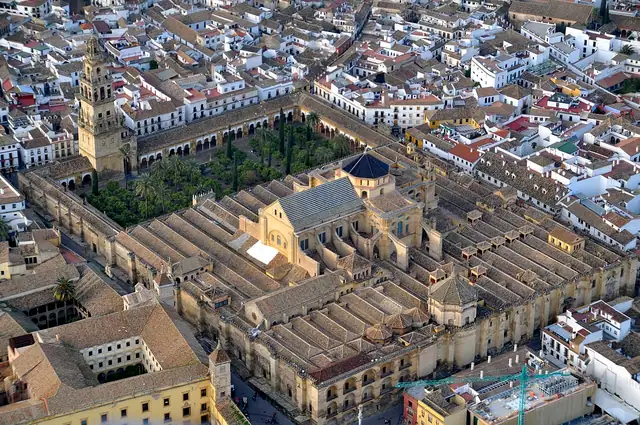
- World monument · 785–988 (mosque); cathedral nave from 1523Mosque–Cathedral of CórdobaA forest of striped double arches, with a cathedral built in its middle.
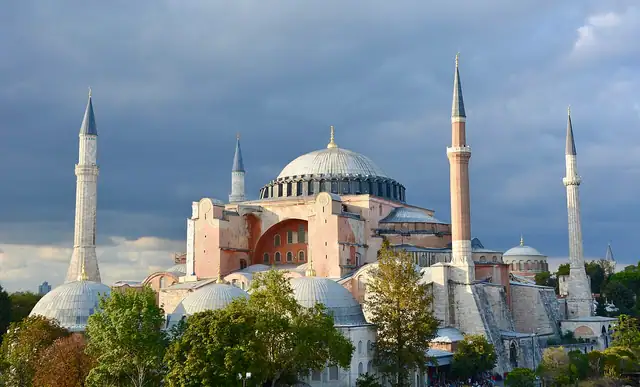
- World monument · 532–537 CEHagia SophiaJustinian's cathedral whose dome seems to float on a ring of light.
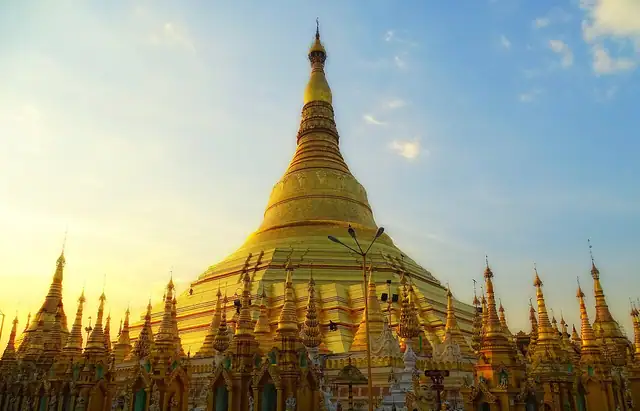
- World monument · Founded c. 6th–10th century CE; present form 1775Shwedagon PagodaA 99-metre stupa wrapped in gold, rebuilt after every earthquake.
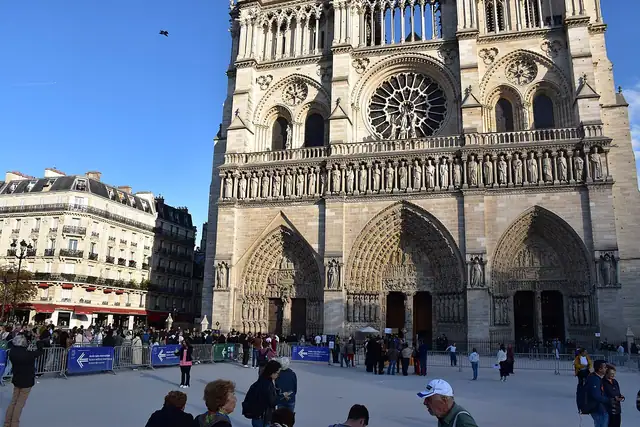
- World monument · 1163–c. 1345; restored 1845–1864 and 2019–2024Notre-Dame de ParisA Gothic cathedral restored in the 1800s and rebuilt after the 2019 fire.
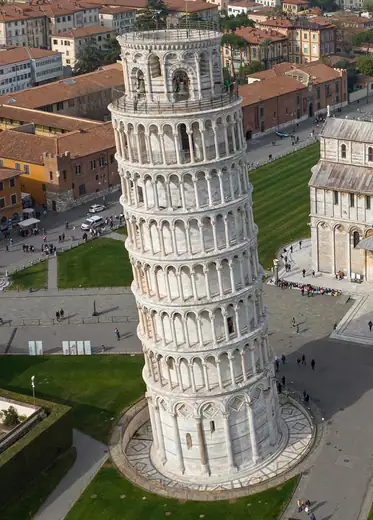
- World monument · 1173–1372Leaning Tower of PisaA bell tower that began to lean in 1178 and was built curved to compensate.
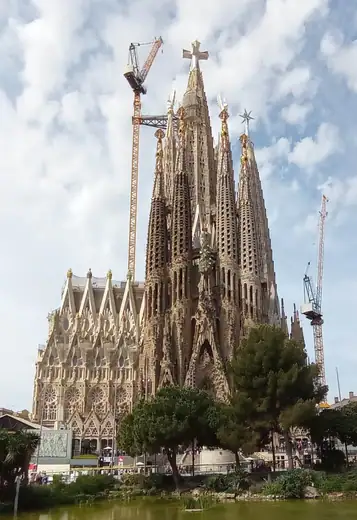
- World monument · 1882 – ongoing (central tower finished 2026)Sagrada FamíliaGaudí's unfinished basilica, now the world's tallest church after 144 years.
Get the ideas, not the noise.
Sign up with Google and we’ll send you short UX psychology tips by email — why people tap, stall and leave, and what to do about it. Unsubscribe anytime. Prefer something to keep? Get the free Laws of UX guide as a PDF.