 By
At a glance: Neuschwanstein Castle
- Location
- Schwangau, Bavaria, Germany
- Built
- 1869–1886 (never completed)
- Type
- Palace in the form of a castle · Royal
- Style
- Romanesque Revival (historicism)
- Commissioned by
- King Ludwig II of Bavaria
- Architects & builders
- Eduard Riedel, Georg von Dollmann, Julius Hofmann; designs by stage designer Christian Jank
- Materials
- Brick structure clad in limestone; steel in the throne room
- Size
- Highest tower about 65 m; around 15 rooms completed
Neuschwanstein: what it is
Ludwig II admired the operas of Richard Wagner and the medieval legends behind them. He wanted a 'new castle' as a stage for that world — not a fortress but a private retreat on a rock above the gorge of the Pöllat.
The castle was never completed. A tall keep and a chapel planned in the courtyard were never built, and of more than 200 planned rooms only about 15 were finished.
Neuschwanstein, then and now
Real images only: an earlier view and a recent photograph, each credited and linked to its original file. Switch between them or compare side by side.
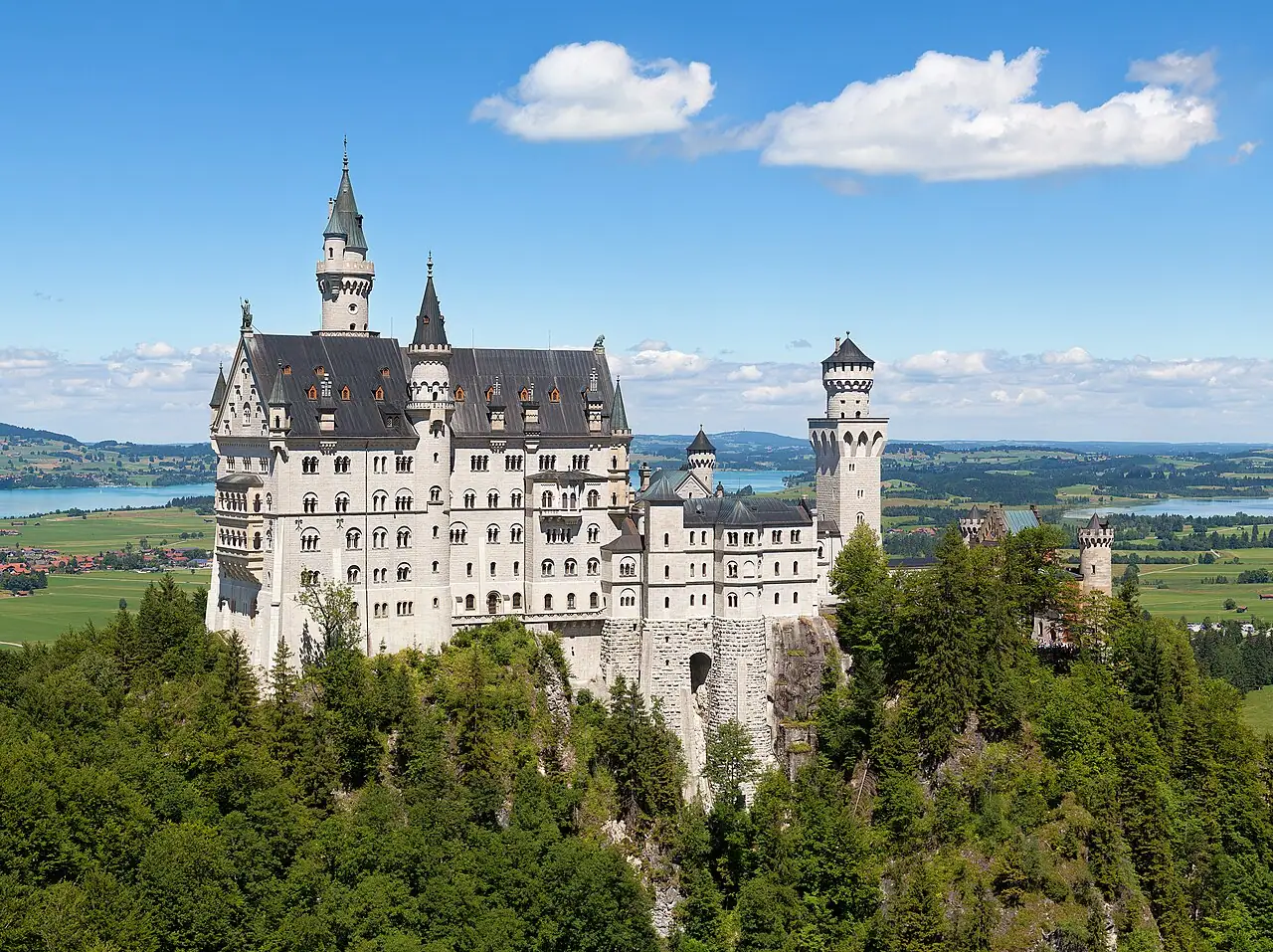
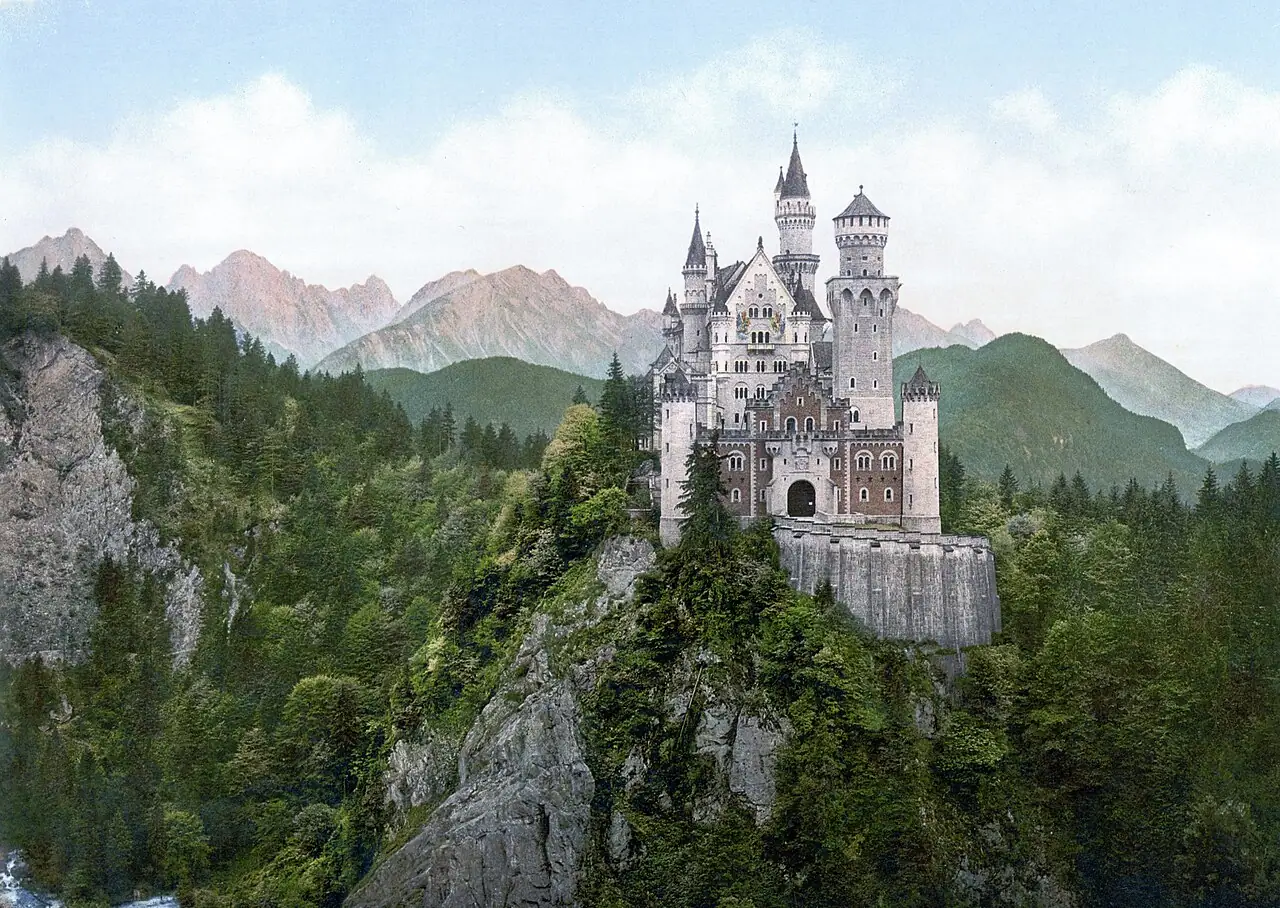 Then · c. 1900Now · TodayMove across the image to compare
Neuschwanstein: how it was designed
- 01
Designed like a stage set
Christian Jank, a set painter for the Munich court theatre, drew the first images of the castle. Architects then turned his picturesque views into buildable plans.
- 02
Medieval outside, modern inside
Behind the stone are a steel frame for the throne room, hot-air central heating, running water on every floor, flush toilets and battery-powered bells to call servants.
- 03
Rooms as operas
The Singers' Hall and the king's apartments are painted with scenes from the legends behind Wagner's Lohengrin, Tannhäuser and Parsifal.
Construction timeline
The foundation stone is laid.
The gatehouse is finished; Ludwig lives there while work continues.
Ludwig moves into the palace building.
Ludwig, declared unfit to rule, dies at Lake Starnberg.
The castle opens to paying visitors.
Inscribed by UNESCO with Linderhof, Schachen and Herrenchiemsee as 'The Palaces of King Ludwig II of Bavaria'.
How the design changed
A design left unfinished
The courtyard where the keep was to stand was left with only its foundations. The castle we see is the incomplete version of Ludwig's plan.
From private retreat to icon
Built so the king could escape people, it now receives well over a million visitors a year and inspired Disney's Sleeping Beauty Castle.
Who built it
Ludwig II paid for it from his personal funds and loans, not the state treasury, leaving huge debts. The architect Eduard Riedel led the first phase, then Georg von Dollmann and Julius Hofmann; the king closely supervised every design decision.
Where it is
Schwangau, Bavaria, Germany · 47.5575° N, 10.7494° E · Open in OpenStreetMap. Nearest in this guide: Tower of Pisa (427 km), Notre-Dame (639 km), St Peter's (643 km).
 427 km639 km643 kmNeuschwanstein
Drag to pan, use + and − or double-click to zoom, and tap any pin for a preview.
Built around the same time
| Monument | Country | Built | Gap |
|---|---|---|---|
| Statue of Liberty | United States | 1876–1886 (dedicated 28 October 1886) | 7 years later |
| Sagrada Família | Spain | 1882 – ongoing (central tower finished 2026) | 13 years later |
| Eiffel Tower | France | 28 January 1887 – 31 March 1889 | 18 years later |
| Great Mosque of Djenné | Mali | 1906–1907 (first mosque on the site 13th century) | 37 years later |
Neuschwanstein: questions people ask
Who built Neuschwanstein Castle?
King Ludwig II of Bavaria commissioned it in 1869; architects Eduard Riedel, Georg von Dollmann and Julius Hofmann built it from designs by stage designer Christian Jank.
Was Neuschwanstein ever finished?
No. Construction stopped after Ludwig's death in 1886; a planned keep and chapel were never built and only about 15 rooms were finished.
Is Neuschwanstein a UNESCO World Heritage Site?
Yes. It was inscribed on 12 July 2025 with Ludwig II's other palaces as 'The Palaces of King Ludwig II of Bavaria'.
Did Neuschwanstein inspire Disney?
Yes. It is widely cited as the inspiration for Sleeping Beauty Castle at Disneyland.
Sources & image credits
- UNESCO World Heritage Centre — The Palaces of King Ludwig II of Bavaria
- Wikipedia — Neuschwanstein Castle
- Bavarian Palace Administration — Neuschwanstein Castle
- Current photograph: Schloss Neuschwanstein 2013.jpg by Thomas Wolf, www.foto-tw.de, CC BY-SA 3.0 de — original on Wikimedia Commons · licence.
- Historic image: Neuschwanstein Castle LOC print.jpg by Unknown author, Public domain — original on Wikimedia Commons.
- Coordinates from Wikidata. Images resized and converted to WebP; otherwise unaltered. Checked October 25, 2026.
More to wander into
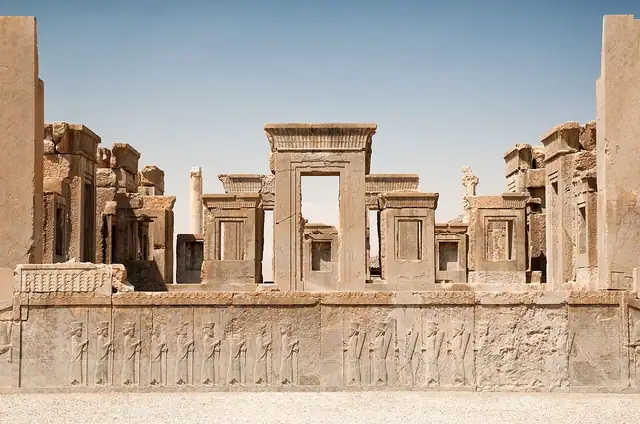
- World monument · c. 518 BCE – 330 BCEPersepolisThe Persian kings' terrace of columned halls, burned by Alexander in 330 BCE.
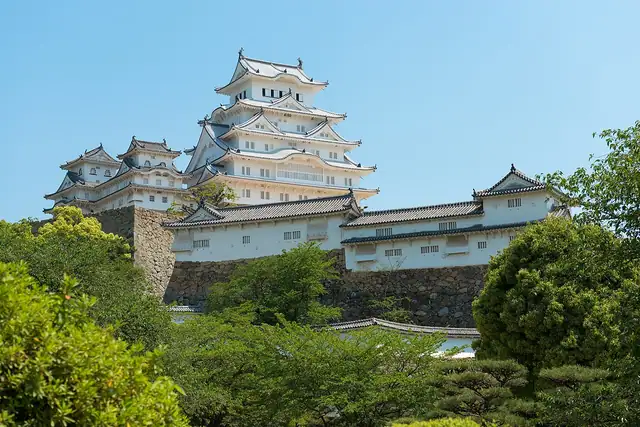
- World monument · 1601–1609 (earlier fort from 1346)Himeji CastleJapan's 'White Heron', a maze of gates around a timber keep that survived everything.
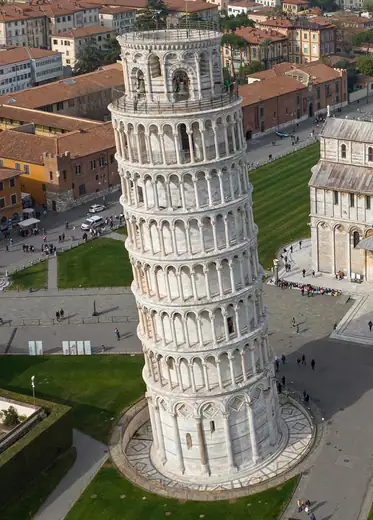
- World monument · 1173–1372Leaning Tower of PisaA bell tower that began to lean in 1178 and was built curved to compensate.
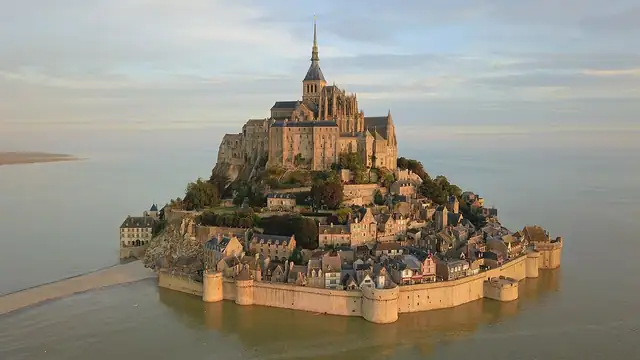
- World monument · 708–1521; spire 1897Mont-Saint-MichelAn abbey stacked on a rock in the sea, made an island again in 2014.
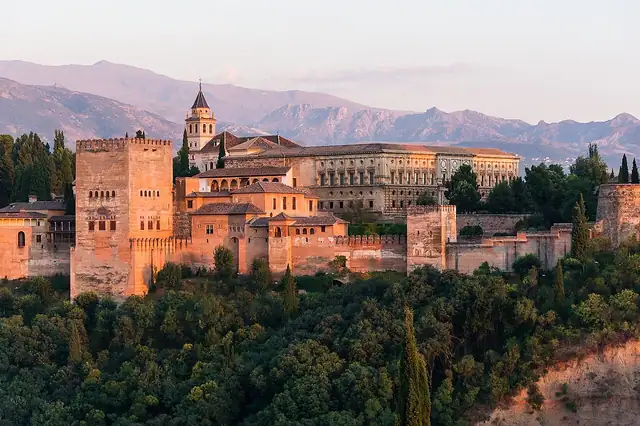
- World monument · 1238 – late 14th century (Nasrid palaces)AlhambraThe Nasrid palace where plaster, tile and water become poetry.
- World monument · 1406–1420Forbidden CityTwenty-four emperors' palace, built on one perfect north–south axis.

Get the ideas, not the noise.
Sign up with Google and we’ll send you short UX psychology tips by email — why people tap, stall and leave, and what to do about it. Unsubscribe anytime. Prefer something to keep? Get the free Laws of UX guide as a PDF.