 By
Quick answer: How do I list my startup in India?
- DPIIT recognition (Startup India): free; apply on NSWS; under 10 years old (20 for deep tech), turnover under ₹200 crore (₹300 crore for deep tech).
- Startup databases: Tracxn (free Lite plan; strong India coverage) and a free Crunchbase profile.
- Local presence: Google Business Profile and Bing Places, both free.
- Product discovery: a permanent Science of Apps Launchpad profile; Product Hunt and Peerlist launches.
- Media: YourStory has a 'Submit a story' route for founders.
Key takeaways
- DPIIT recognition is the official listing for Indian startups, and the government says it charges no fee for it.
- Apply on NSWS yourself: DPIIT says it hasn't appointed any agency or representative for recognition certificates.
- Recognition can unlock the 80-IAC tax holiday for eligible private limited companies and LLPs incorporated after 1 April 2016.
- Investors and partners check Tracxn and Crunchbase; customers search for products; you need both kinds of listing.
- Use one name, one description and one link across every Indian and global listing.
An Indian startup needs two kinds of listing. One is official and institutional: DPIIT recognition under Startup India, and the databases investors and partners check. The other is for customers: places people find products by the problem they have. Most founders do one and forget the other. This guide covers both, with eligibility and rules read on the Startup India portal (updated 30 October 2026) and each platform's own pages, checked on 17 November 2026. Jump to DPIIT recognition, startup databases or product listings.
- DPIIT recognition fee, per the Startup India portal
- ₹0
- Startup status window from incorporation (20 for deep tech)
- 10 yrs
- Turnover ceiling (₹300 crore for deep tech)
- ₹200 cr
- Years of 80-IAC tax holiday, if approved
- 3 of 10
Indian startup listings at a glance
| Listing | Who checks it | Cost | Notes |
|---|---|---|---|
| DPIIT recognition (Startup India) | Government, banks, investors | Free | Apply on NSWS yourself |
| Tracxn | Investors, corporates | Free Lite plan | Strong Indian and emerging-market coverage |
| Crunchbase | Global investors, press | Free profile | Register and connect a social account |
| Google Business Profile | Local customers | Free | For businesses serving a location or area |
| Science of Apps Launchpad | Customers searching by problem | Free, forever | Product tested with a detailed report |
| Product Hunt, Peerlist | Early adopters, builders | Free | Launch days |
| YourStory | Readers, investors | Story submission | Editorial decision |
Table: Where to list an Indian startup (official and platform pages, checked 17 Nov 2026)
1. DPIIT recognition: the official listing
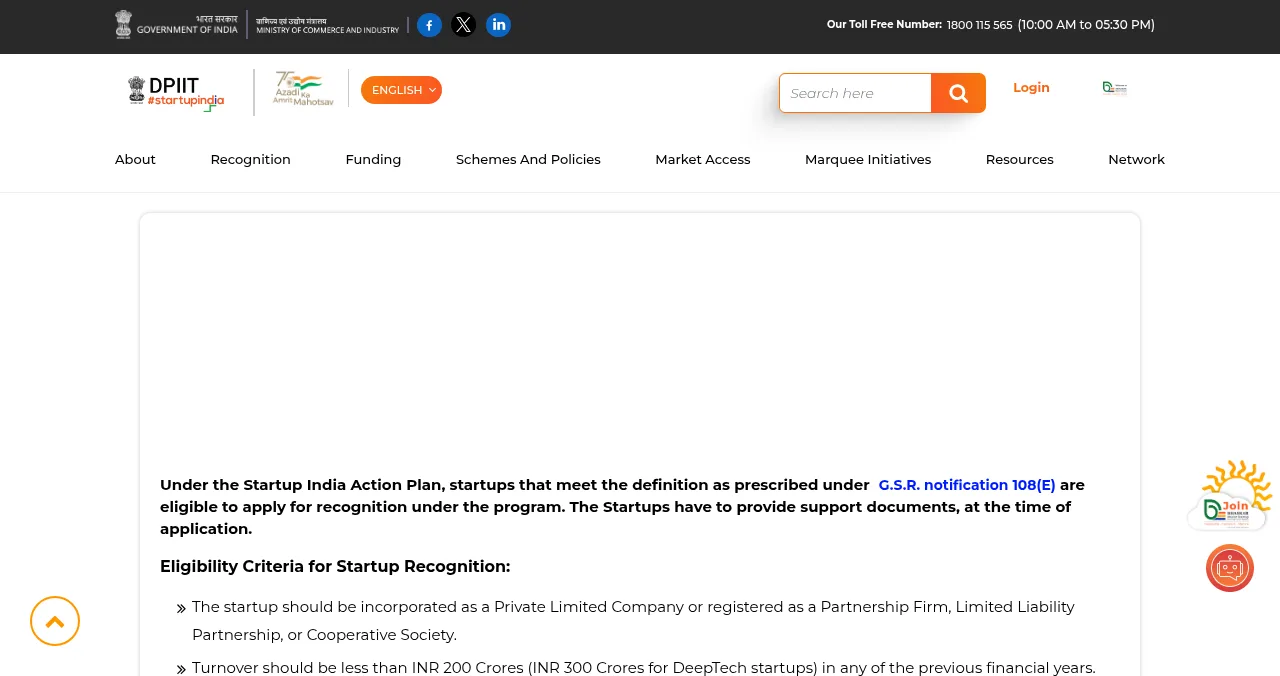
Under the Startup India Action Plan, eligible startups can apply for recognition by the Department for Promotion of Industry and Internal Trade (DPIIT). The portal's criteria:

- Entity type — private limited company, partnership firm, LLP or cooperative society
- Turnover — under ₹200 crore (₹300 crore for deep tech) in every previous financial year
- Age — a startup for up to 10 years from incorporation (20 for deep tech)
- Purpose — working on innovation or improvement of products, services or processes, with potential for jobs or wealth creation
- Not a split-off — entities formed by splitting or reconstructing an existing business don't qualify
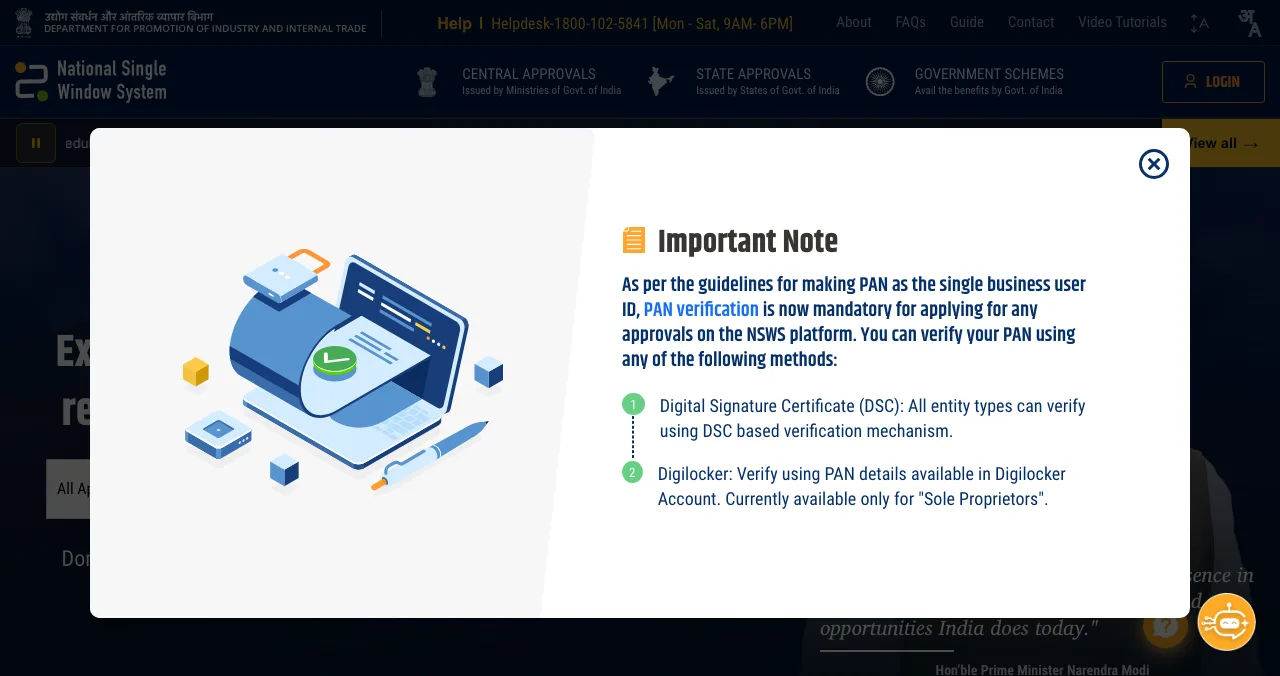
How to apply: recognition is available through the National Single Window System (nsws.gov.in): create an account and add the form "Registration as a Startup". Step-by-step in our Startup India registration guide.
Tax benefit: once recognised, eligible startups can apply for the Section 80-IAC exemption, a tax holiday for three consecutive financial years out of the first ten, for private limited companies and LLPs incorporated after 1 April 2016.
2. Startup databases investors check
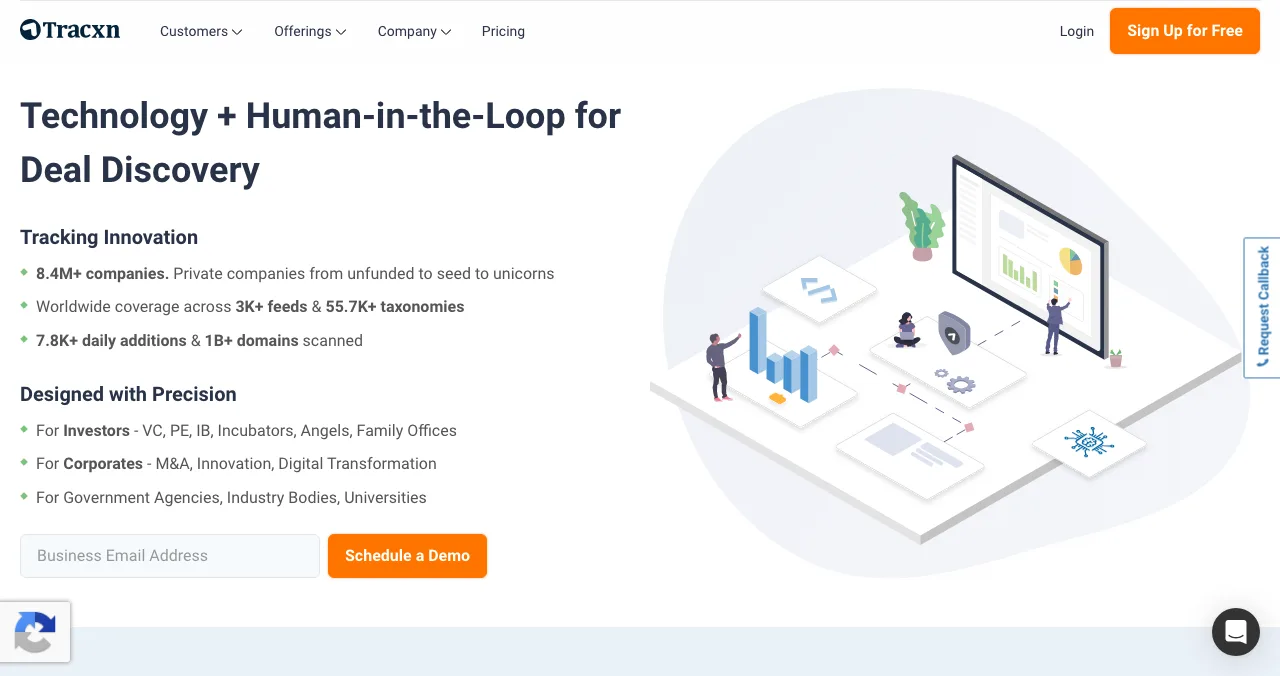
- Tracxn: tracks private companies by sector and business model, with a free Lite plan for lookups. Investors and corporates in India use it widely; make sure your company's details are right.
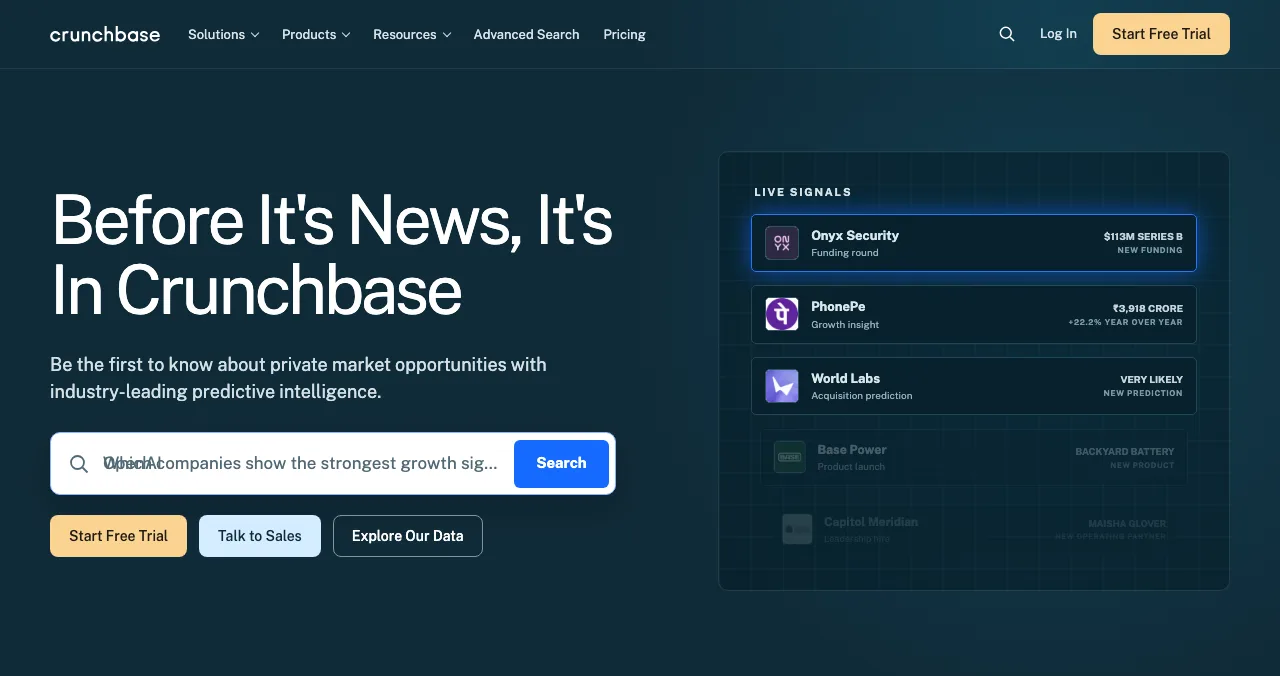
- Crunchbase: any registered, socially authenticated user can create a company profile free. See how to get listed on Crunchbase.
3. Local presence
If you serve customers at a location or in an area (clinics, retail, services, offices), a Google Business Profile is free and appears on Search and Maps. Add Bing Places for Business too, also free.
4. Product listings customers find
Government and investor listings don't bring customers. Product listings do:
- Science of Apps Launchpad: a permanent, free profile found by the problem your product solves, on Google and in AI answers, for Indian and global users. Once it's live, your product is tested end to end with a detailed report.
- Product Hunt and Peerlist: free launch days in front of early adopters and builders. See top websites to launch a startup.
5. Media
YourStory has a "Submit a story" page and a section to browse startups. Coverage is an editorial decision; pitch a real milestone or insight, not a product announcement.
A one-week listing plan for Indian startups
- Day 1
NSWS account
Create your NSWS account and start the "Registration as a Startup" form; gather incorporation documents.
- Day 2
Databases
Free Crunchbase profile; check and correct your Tracxn details.
- Day 3
Product listing
Publish your permanent Launchpad profile with the same one-line description.
- Day 4
Local
Google Business Profile and Bing Places if you serve a location.
- Day 5–7
Launch and media
Plan a Peerlist or Product Hunt launch; prepare a YourStory pitch around a real milestone.
Mistakes Indian founders make with listings

- Paying an agent for DPIIT recognition — it's free and the government has appointed no agents
- Different names across listings — use your registered name and one product description
- Only institutional listings — investors check databases; customers search for products
- Outdated database profiles — update funding, team and links as they change
- Pitching media without news — lead with a milestone or insight
Ready to list?
How we know
DPIIT eligibility, the NSWS route, the fee and agent notices and the 80-IAC criteria come from the Startup India portal's recognition page (last updated 30 October 2026), read on 17 November 2026; platform details from each platform's own pages the same day. Government rules change; check the portal and the current notification before applying. Science of Apps runs the Launchpad mentioned above.
Key terms, defined
- DPIIT recognition: official recognition as a startup by India's Department for Promotion of Industry and Internal Trade.
- NSWS: the National Single Window System, the government portal for business approvals, including startup recognition.
- Section 80-IAC: the income tax exemption recognised startups can apply for.
- Deep tech startup: a category with longer age and higher turnover limits under the current rules.
- Startup database: a service such as Tracxn or Crunchbase that profiles private companies.
Frequently asked questions
How do I list my startup in India?
Apply for DPIIT recognition under Startup India through the National Single Window System (NSWS), then create free profiles on Tracxn and Crunchbase, add a Google Business Profile if you serve customers locally, publish a permanent product profile such as a Science of Apps Launchpad listing, and launch on Product Hunt or Peerlist.
Is Startup India registration free?
Yes. The Startup India portal says the Ministry of Commerce and Industry does not charge any fee for the DPIIT Certificate of Recognition or Certificate of Eligibility, and that applications should be filed by the startup itself, as no agency or representative has been appointed.
Who is eligible for DPIIT startup recognition?
A private limited company, partnership firm, LLP or cooperative society, up to 10 years from incorporation (20 for deep tech), with turnover under ₹200 crore (₹300 crore for deep tech) in every previous financial year, working on innovation or improvement with potential for jobs or wealth creation. Businesses formed by splitting or reconstructing an existing business don't qualify.
Where do I apply for DPIIT recognition?
On the National Single Window System (nsws.gov.in): create an account and add the form 'Registration as a Startup'. The Startup India portal links to NSWS and to quick guides.
What are the best Indian startup directories?
For investors and partners: Tracxn (free Lite plan, strong Indian coverage) and Crunchbase. For official status: the Startup India portal. For customers: Google Business Profile for local businesses, a permanent Launchpad profile and launch platforms for products. For media visibility: YourStory's story submission.
What tax benefits come with DPIIT recognition?
A recognised startup can apply for the Section 80-IAC income tax exemption: if approved, a tax holiday for three consecutive financial years out of its first ten. Only private limited companies and LLPs incorporated after 1 April 2016 are eligible. Check the current notification on the portal before applying.
Sources
- Startup India (DPIIT) — Startup recognition and tax exemption (updated 30 Oct 2026; checked 17 Nov 2026)
- National Single Window System (NSWS)
- Tracxn — Pricing: Lite and Premium (checked 17 Nov 2026)
- Crunchbase Knowledge Center — How do I create a Crunchbase profile?
- Google Business Profile — Get listed on Google (checked 17 Nov 2026)
- YourStory — Submit a story
- Science of Apps — Launchpad: launch your product free
- Checked November 17, 2026. Figures that change — fees, salaries, prices — are reviewed every six months; if something is out of date, tell us.
Where to go from here
- How to start a startup in India — incorporation to first customers
- Angel investors in India — who checks your listings
- How to get listed on Crunchbase — step by step
- Science of Apps - LaunchpadStartup India registration in 2027: who's eligible for DPIIT recognition, how to apply on NSWS, and what comes afterHow to register on Startup India in 2027: DPIIT recognition eligibility, applying on NSWS, PAN verification, the no-fee rule, and the 80-IAC tax exemption.
- Science of Apps - LaunchpadStartup databases compared: Crunchbase, Tracxn, PitchBook, Dealroom, Owler, SEC EDGAR, Apollo and Wellfound, with free tiers, prices and who each suits8 startup databases compared for 2027: Crunchbase, Tracxn, PitchBook, Dealroom, Owler, SEC EDGAR, Apollo, Wellfound, with free tiers and prices.
- Science of Apps - LaunchpadHow to get your startup listed on Crunchbase: register, authenticate, create the profile and make it completeHow to add your company to Crunchbase in 2027: register free, connect a social account, create the profile, verify you work there and fill in every field.
- Science of Apps - LaunchpadFree startup directories in 2027: 16 checked sites to submit your startup to, grouped by what you want (investors, customers, a launch, India) with each one's rules16 free startup directories checked for 2027, grouped by goal: investors, customers, launch day and India, with each site's rules and the ones to skip.
- Science of Apps - LaunchpadFree directory submission sites in 2027: a quality-checked list, and the directory links Google calls spamA quality-checked list of free directory submission sites for 2027, from Google Business Profile to SaaSHub, plus the low-quality directories to avoid.
- Science of Apps - LaunchpadHow to launch and promote a Chrome extension: the Chrome Web Store listing, the free launch sites that take extensions, and where users look for themHow to launch and promote a Chrome extension: the Web Store's one-time fee and listing, then Product Hunt, Show HN, DevHunt, AlternativeTo and a free profile.


Get the ideas, not the noise.
Sign up with Google and we’ll send you short UX psychology tips by email — why people tap, stall and leave, and what to do about it. Unsubscribe anytime. Prefer something to keep? Get the free Laws of UX guide as a PDF.
Launch day ends. Your listing shouldn't.
A permanent, free profile for your product, found by the problem it solves in India and worldwide, plus your product tested end to end with a detailed report on what to fix.