 By
Quick answer: What startup can I start with little money?
- 35 low cost startup ideas in five groups, each startable by hand.
- Free today: unlimited forms on Tally, no Stripe set-up or monthly fee, a Launchpad listing.
- Where money goes: a domain, any registration, optional trademark ($350 per class at the USPTO).
- Rule: sell the result manually before paying for software.
- $0 launch: a permanent listing plus a baseline check of your page.
Key takeaways
- The cheapest startups sell expertise and time first, software second.
- Most launch tools have a genuinely free tier; spend only when a customer needs it.
- Audits, reports and curated data are fast to start and easy to price.
- Keep a written budget; most first-month spend is optional.
- Launch where it's free first, then pay for channels that prove themselves.
You don't need investors to start a startup. You need a problem someone will pay to have solved, a way to solve it by hand, and a page people can find. Most of the money first-time founders spend in month one is optional. This guide gives 35 low cost startup ideas you can launch for under $500, each one startable as a manual service, plus an honest look at what's free in a startup budget today, checked on each provider's own page on 18 November 2026. Our online business ideas with low investment cover freelance and service income; this list is about ideas that can grow into products. Jump to the free stack, the 35 ideas or the $0 launch.
- Low cost startup ideas
- 35
- Forms, payment set-up and a listing
- $0
- USPTO trademark base fee per class, if you file
- $350
- US business applications in October 2026 (Census, seasonally adjusted)
- 501,609
What's free when you start a low cost startup?
| Item | Cost | Note |
|---|---|---|
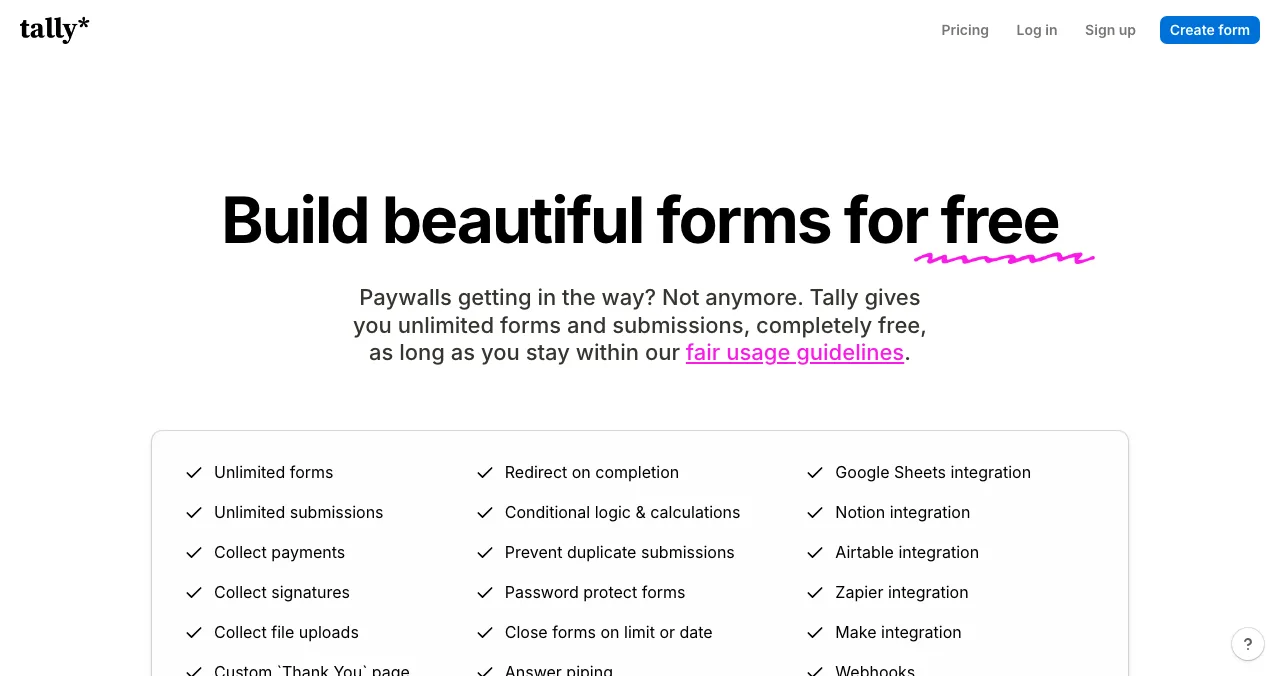
| Forms, waitlists, surveys | $0 | Tally's free plan: unlimited forms and submissions, fair use |
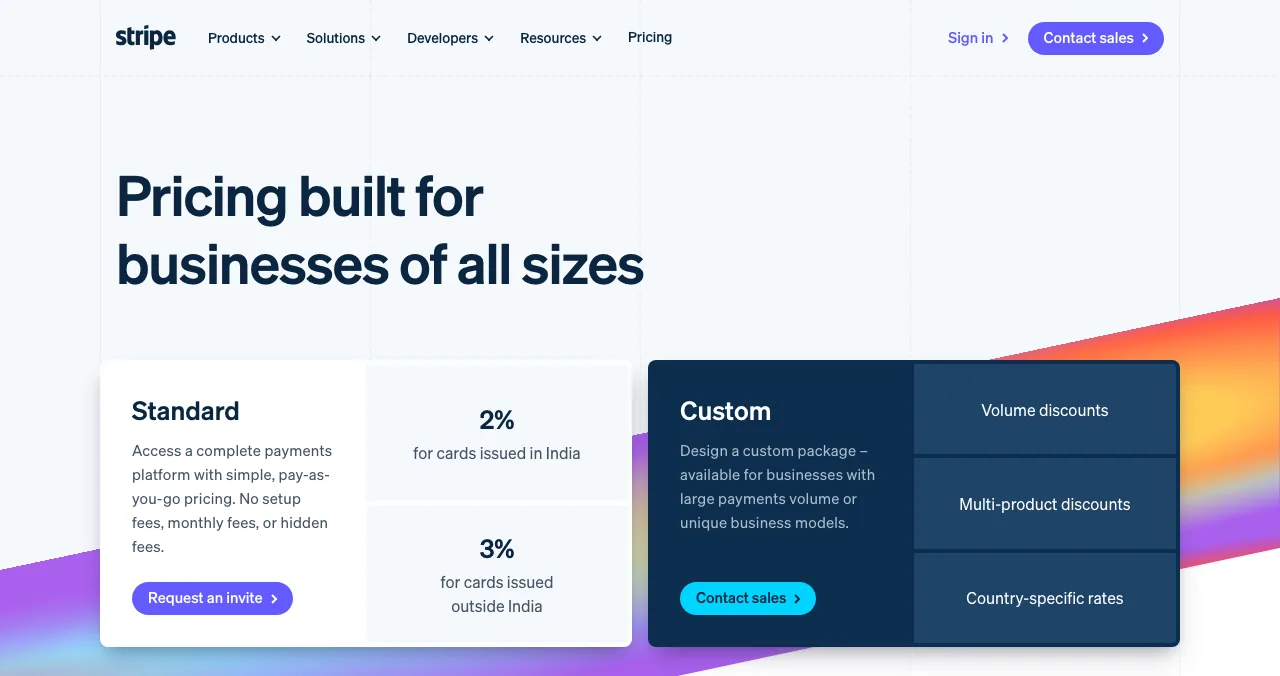
| Taking payments | $0 to set up | Stripe says no set-up or monthly fees; you pay per transaction |
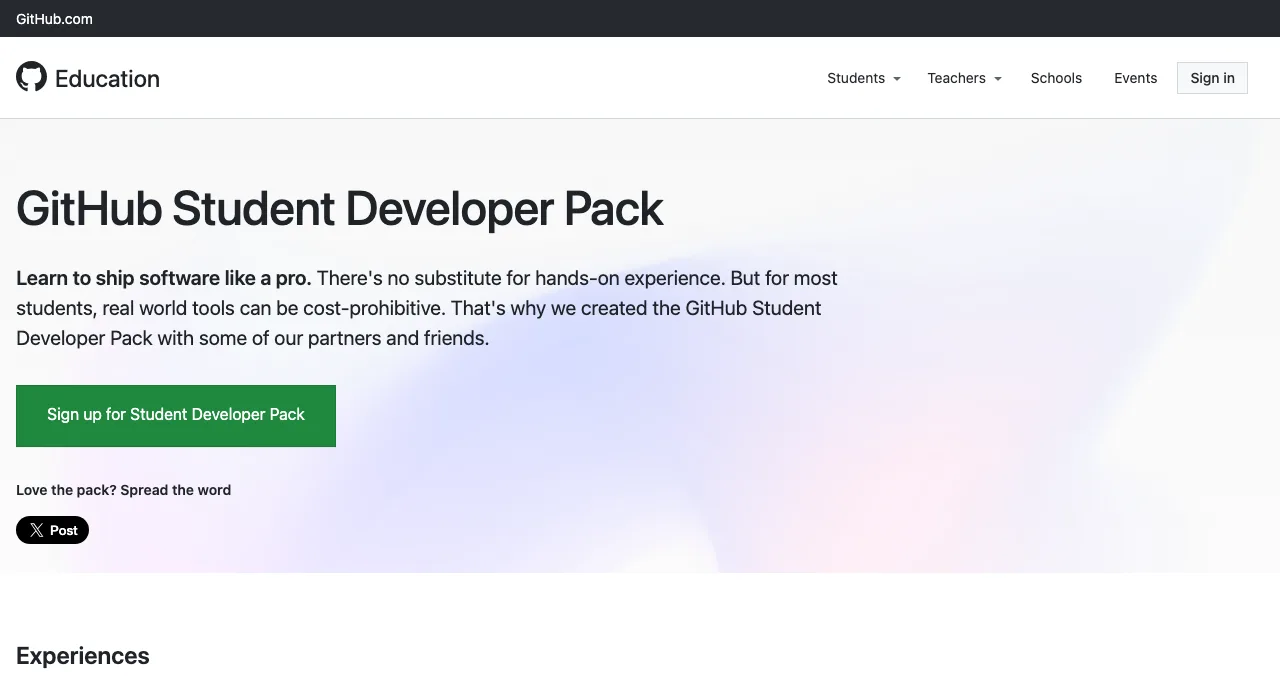
| Code and developer tools | $0 for students | GitHub Student Developer Pack, including free GitHub Pro |
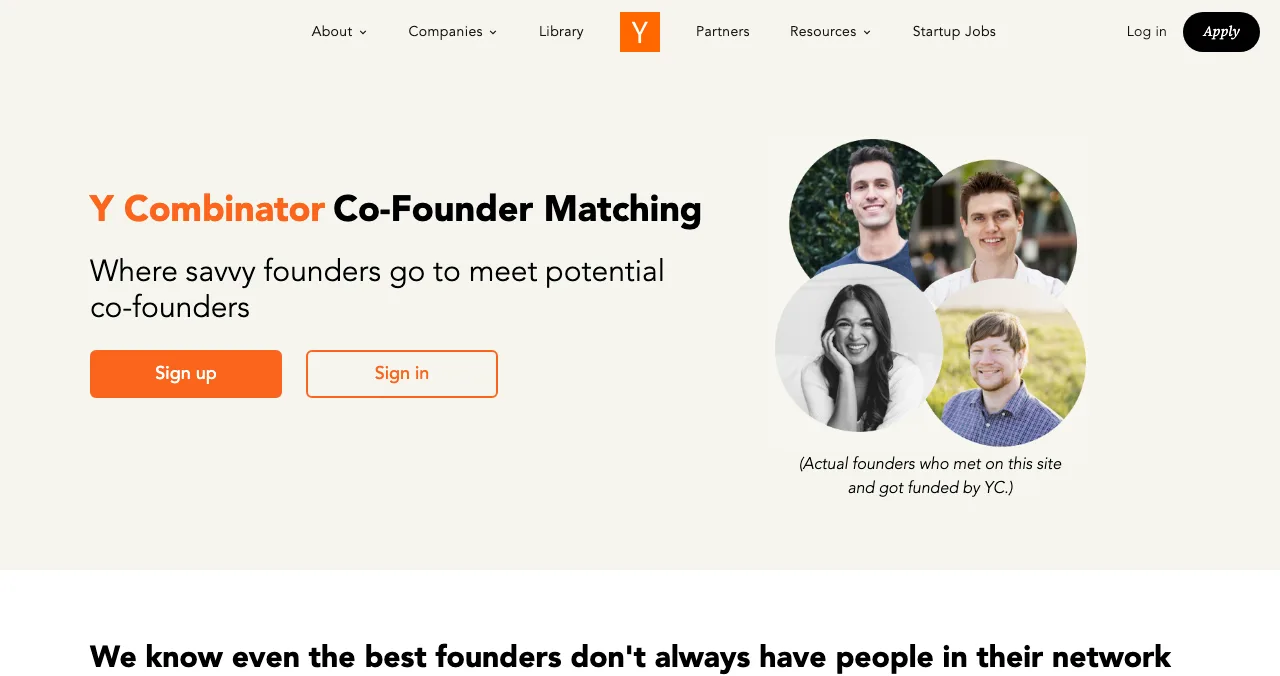
| Finding a co-founder | $0 | YC Co-Founder Matching is free and takes no equity |
| Launch listing | $0, forever | Science of Apps Launchpad |
| Trademark search | $0 | USPTO trademark search |
| Domain | Varies | Price depends on extension and registrar |
| Business registration | Varies | Depends on country, state and structure |
| Trademark filing (optional) | $350 per class | USPTO base application fee |

Table: What a low cost startup can get free (each provider's page, checked 18 Nov 2026)
Our cost to launch a startup guide goes line by line through the budget.
When should a low cost startup start spending?
The rule is simple: spend when a customer's need, not your own enthusiasm, makes the cost necessary. Until then, use the free alternative.
| Item | Spend when… | Free alternative until then |
|---|---|---|
| Custom domain | You're about to share the page with strangers | A free subdomain from your site builder |
| Business registration | You take regular payments or sign contracts | Check whether you can trade as an individual where you live |
| Trademark filing | You have paying customers and a settled name | A free USPTO (or local) trademark search |
| Paid software | A free tier's limit blocks a paying customer | Free tiers, spreadsheets, manual work |
| Design | Customers say they don't trust the page | A clean template and real customer words |
| Ads | Organic channels convert and you know your numbers | Conversations, communities, free listings |
| Contractors | You're turning work away | Your own evenings |
Table: When a low cost startup should spend, and the free alternative (Science of Apps editorial)
Keep a one-page cost log with the date, the item, the amount and the customer reason. Reviewing it monthly is the cheapest discipline a founder can adopt: most early subscriptions are bought on a good day and forgotten on a busy one.
35 low cost startup ideas
Each idea starts as something you do by hand for a few customers, then becomes software once you know which step to automate. The "first step" column is free.
Group 1: audits and checks
Audits are the classic low cost startup: you sell a finding, not a platform. On 28 January 2026 a seller posted in r/ecommerce that a 3PL bill had doubled to $9k, with eight pages of coded line items nobody would explain.
| # | Idea | Customer | Free first step |
|---|---|---|---|
| 1 | 3PL invoice audit, paid from savings found | Online brands | Audit one invoice |
| 2 | SaaS subscription audit | Small companies | Review one firm's card statement |
| 3 | Website accessibility check with fixes | Local businesses | Scan five sites with free tools |
| 4 | AI-answer audit: what assistants say about a brand | DTC brands | Run 20 prompts for one brand |
| 5 | Chargeback evidence packs | Small online stores | Assemble one store's last dispute |
| 6 | Google Business Profile clean-up | Clinics, restaurants | Fix one profile free for a case study |
| 7 | Landing-page conversion review | Early-stage startups | Review three pages in public |
Table: Audit-based low cost startup ideas (signal: r/ecommerce, 28 Jan 2026)
A hypothetical example. Say you've worked in a warehouse and can read a 3PL contract. You offer three online brands a free audit of last month's invoice in exchange for honest feedback. Two audits turn up charges outside the contract; the third finds nothing. You now know what to look for, what a brand will pay to recover, and which line items you checked every time. You charge the next five brands a share of what you recover, track the checks in a spreadsheet, and only then write a script to flag the most common errors. Total spend so far: your time and a domain. That is the shape of nearly every idea on this list.
Group 2: data and benchmarks
People pay for numbers they can't easily gather. A February 2026 r/smallbusiness thread asking for the best "boring" businesses (cleaning, junk removal, pest control, bookkeeping) drew more than 470 replies, many from owners in exactly those trades.
| # | Idea | Customer | Free first step |
|---|---|---|---|
| 8 | Pricing benchmarks for one trade in one region | New owners, buyers of small firms | Collect 30 published prices |
| 9 | Materials price tracker for small builders | Builders | Track 20 items weekly |
| 10 | Shipping-rate benchmarks by route | Small importers | Gather quotes for three routes |
| 11 | Grant and programme finder for one sector | Farms, nonprofits | List one state's programmes |
| 12 | Public tender alerts for small suppliers | Small vendors | Send a weekly email by hand |
| 13 | Rental-listing price tracker for one city | Renters, agents | Log 100 listings |
| 14 | Hiring-rate benchmarks for one role | Small firms | Collect 30 job ads |
Table: Data-based low cost startup ideas (signal: r/smallbusiness, 17 Feb 2026)
Group 3: small software tools
Small, focused tools cost little to build and host, especially if you write the code yourself.
| # | Idea | Customer | Free first step |
|---|---|---|---|
| 15 | Browser extension for one repetitive task | Recruiters, sellers, agents | Record the task; count clicks |
| 16 | Before-and-after job-photo gallery links | Cleaning and painting crews | Make one gallery page |
| 17 | Deposit booking widget | Salons, tutors | Set up a deposit flow for one client |
| 18 | Overdue-invoice reminder sequence | Freelancers, family firms | Chase invoices for one business |
| 19 | Spreadsheet-to-catalogue generator | Wholesale brands | Build one catalogue by hand |
| 20 | Recipe-to-clean-card converter | Home cooks | Landing page with a one-off price |
| 21 | Purchase-order and invoice matcher | Office managers | Match one month by hand |
Table: Small software low cost startup ideas (Science of Apps editorial)
Group 4: curated marketplaces, run by hand
A marketplace can start as a spreadsheet and a phone number. You match supply and demand yourself until volume justifies software.
| # | Idea | Customer | Free first step |
|---|---|---|---|
| 22 | Smart-home install crews for independent shops | Appliance retailers | Partner with one installer |
| 23 | Respite-care providers for family caregivers | Caregivers | List ten local providers |
| 24 | Equipment sharing between small farms | Smallholders | Run one county on a sheet |
| 25 | Vetted bookkeepers for one industry | Contractors | Interview five bookkeepers |
| 26 | Surplus produce to food banks | Growers | Broker one surplus |
| 27 | Student tutors for one exam | Parents | Match five families |
| 28 | Freelance translators for public notices | Councils, schools | Translate one notice |
Table: Marketplace low cost startup ideas (Science of Apps editorial)
Group 5: templates, kits and guides
Digital products cost nothing to copy and can sell while you sleep, if they solve a specific problem for a specific profession.
| # | Idea | Customer | Free first step |
|---|---|---|---|
| 29 | Owner-absence playbook kit | Small business owners | Write one owner's playbook |
| 30 | Renter move-in evidence checklist | Renters | Publish a free version |
| 31 | Succession handover templates | Retiring owners | Draft with one owner |
| 32 | Exam-prep packs for one subject | Students | Sell to ten students |
| 33 | Grant application templates | Small nonprofits | Write one with a client |
| 34 | Inspection prep checklists | Restaurants | Publish one city's version |
| 35 | Digital estate organiser | Older adults, families | Fill one in with a family |
Table: Digital-product low cost startup ideas (Science of Apps editorial)
Which low cost startup idea fits your budget and skills?
| You have… | Start with | Why |
|---|---|---|
| Analytical skills, no code | Group 1 or 2 | Sell findings and numbers |
| Coding skills | Group 3 | Build small, ship fast |
| A strong local network | Group 4 | Your contacts are the supply |
| Deep knowledge of one job | Group 5 | Package what you know |
| $0 and evenings only | Any idea, as a manual service | Time is the only cost |
Table: Matching low cost startup ideas to resources (Science of Apps editorial)
How to launch a low cost startup for $0

- Talk to ten people — about the last time the problem happened.
- Deliver once by hand — free or cheap, for honest feedback.
- Charge the next three — even a small price separates interest from demand.
- Build one page — with a free form for sign-ups.
- List it free on the Launchpad — a permanent profile and a baseline check.
- Spend only on what a customer asked for — and write down why.
The Launchpad is free to list, forever: six short steps, automated checks and a human moderator, ranked by relevance, editorial picks and community interest, never payment. Going live unlocks a free baseline diagnosis of your landing page, discoverability and speed. When you want the full picture, an investigation tests your product end to end in a real browser on desktop and mobile, with every finding approved by an analyst.

- Areas of your product tested
- 22
- Automatic measurements, desktop and mobile
- 39
- Expert checks behind your login
- 74
- Verdicts that rank what to fix first
- 5
The report is optional; the listing isn't paid
List free, and order a report only when it's worth it to you.

 Economy
See what new customers see
- Store listing and homepage, screen by screen
- Scorecard against 60 Laws of UX
- The fixes worth most
PremiumThe full diagnosis and the plan
- Every screen, every finding, every flow
- All 60 laws with evidence and fixes
- 8 strategy chapters and a 90-day roadmap
Private to your team. Never affects ranking.
A 30-day low-budget plan
- Week 1
Choose and ask
Pick two ideas; ten conversations each.
- Week 2
First delivery
Do the job by hand for one customer.
- Week 3
First payments
Charge two or three customers; keep a cost log.
- Week 4
Page and listing
One page, a free form, a free Launchpad listing; read the baseline check.
Low-budget mistakes

- Paying for tools before customers — free tiers cover the first months
- Paid ads to test demand — conversations are free and teach more
- Underpricing — a low price makes it harder to tell real demand from politeness
- Building the whole product — automate one repeated step at a time
- No cost log — small subscriptions add up; review monthly
- Losing customers to loss aversion — make switching to you feel safe with a guarantee
Ready to launch?
How we chose
Ideas were chosen because each can start as a manual service with free tools, avoiding the freelance and service ideas in our low-investment guide. Costs come from Tally, Stripe, GitHub Education, Y Combinator, the USPTO and the SBA, and the business applications figure from the US Census Bureau, all read on 18 November 2026. Where a cost varies by country or provider, we say so instead of guessing. Science of Apps runs the Launchpad.
Key terms, defined
- Low cost startup: a company tested and launched with little capital, relying on free tools and manual delivery.
- Bootstrapping: growing a company from revenue rather than outside investment.
- Manual service first: delivering a result by hand before building software.
- Free tier: a no-cost plan of a paid product, usually with limits.
- Per-transaction fee: a payment provider's charge on each payment, instead of a monthly fee.
Frequently asked questions
What startup can I start with little money?
One that sells a result you can deliver by hand: an invoice audit for online sellers, an accessibility check for small websites, a price benchmark for one trade, or a curated list of providers in your city. They need a laptop, free tools and your time. Charge from the first customer, and only build software for the step you repeat most.
What is a low cost startup?
A low cost startup is a company you can test and launch with little capital, usually under a few hundred dollars, by relying on free tools, manual delivery and organic channels instead of paid software, staff or ads. It can still grow into a large company; spending simply follows proof of demand rather than preceding it.
What can I get for free when launching a startup?
Checked on 18 November 2026: Tally's free plan includes unlimited forms and submissions; Stripe says it charges no set-up or monthly fees, only per-transaction fees; GitHub's Student Developer Pack includes free GitHub Pro for students; YC's co-founder matching is free; and a Science of Apps Launchpad listing is free, forever.
Do I need to register a company before launching?
Rules depend on your country and state. In many places you can test an idea and take first payments as a sole trader, then register when revenue or risk grows. The US Small Business Administration lists choosing a business structure and registering as early launch steps; check your local requirements or ask an accountant.
Is a trademark worth it for a low cost startup?
Search trademarks before choosing a name; that's free on the USPTO's search. Filing costs money: the USPTO's base application fee is $350 per class of goods or services. Many founders file once they have paying customers and are confident in the name; until then, the search protects you from the worst mistake.
How do I launch a startup for $0?
Use free tiers for forms and payments, deliver the first version by hand, and launch on free channels: a Science of Apps Launchpad listing, communities that allow sharing, and direct outreach to people you interviewed. The Launchpad listing is free, forever, ranked by relevance not payment, and comes with a baseline check of your page.
Sources
- Tally — Pricing: free plan (checked 18 Nov 2026)
- Stripe — Pricing and fees: no set-up or monthly fees (checked 18 Nov 2026)
- GitHub Education — Student Developer Pack (checked 18 Nov 2026)
- Y Combinator — Co-founder matching (checked 18 Nov 2026)
- USPTO — How much does it cost? (checked 18 Nov 2026)
- US Small Business Administration — Launch your business (checked 18 Nov 2026)
- US Census Bureau — Business Formation Statistics, released 12 Nov 2026 (checked 18 Nov 2026)
- Reddit — r/ecommerce: 3PL costs keep increasing, 28 Jan 2026 (checked 18 Nov 2026)
- Reddit — r/smallbusiness: the best boring business thread, 17 Feb 2026 (checked 18 Nov 2026)
- Science of Apps — Launchpad: list your product free (checked 18 Nov 2026)
- Checked November 18, 2026. Figures that change — fees, salaries, prices — are reviewed every six months; if something is out of date, tell us.
Where to go from here
- Cost to launch a startup — the budget, line by line
- Online business ideas, low investment — service ideas
- Free tools to launch a startup — the $0 stack
- Science of Apps - LaunchpadHow to market a startup with no money: the free channels that work, in the order to use them, and what each costs in time insteadHow to market a startup with no money: direct outreach, communities, free launch sites, directories, content and AI search, in order, with the time each costs.
- Science of Apps - LaunchpadStartup ideas for students: 40 ideas you can launch with no money, the free tools that make it possible, and a zero-budget plan from first conversation to a live listing40 startup ideas for students that cost nothing to start, the free student tools that make it possible, and a zero-budget plan to launch before term ends.
- Science of Apps - LaunchpadHow to promote your startup for free in 2027: 30 tactics across launches, listings, content, communities and partners30 free ways to promote a startup in 2027: launch sites, listings, search and AI visibility, content, communities, partners and your own users.
- Science of Apps - LaunchpadHow to launch a side project: where to post it (Show HN, Product Hunt, Indie Hackers, a permanent listing), how to launch on limited hours, and the signals it could be a startupHow to launch a side project on limited hours: where to post it (Show HN, Product Hunt, Indie Hackers, a listing) and signs it could be a startup.
- Science of Apps - LaunchpadWhich startup launch platforms let payment affect ranking or placement, which keep them separate, and how to spend launch money wiselyWhich startup launch platforms let money buy placement in 2027: DevHunt boosts, Uneed fast-track, featured slots, versus sites where payment never affects rank.
- Career guides by Science of Apps for 2027The best certifications for $100 or less in 2027: nine credible picks, several freeThe best certifications for $100 or less in 2027: AWS Cloud Practitioner, AWS AI Practitioner, GenAI Leader ($99), Google Skillshop, HubSpot, Kaggle and more.




Get the ideas, not the noise.
Sign up with Google and we’ll send you short UX psychology tips by email — why people tap, stall and leave, and what to do about it. Unsubscribe anytime. Prefer something to keep? Get the free Laws of UX guide as a PDF.
Launch day ends. Your listing shouldn't.
The cheapest launch line in your budget is $0: a free, permanent Launchpad listing ranked by relevance, never payment, with a free baseline check and a product test when you're ready.