 By
Quick answer: How can I promote my website for free?
- Search: Google Search Console, Bing Webmaster Tools, a sitemap.
- Listings: directories, launch sites, Google Business Profile if local.
- Communities: answer questions where your audience already asks.
- People: your network, an email list, partners.
- Order: get indexed first, then pick two channels and stick with them.
Key takeaways
- Free promotion costs time; choose channels you can keep up weekly.
- Search is slow but compounds; communities are fast but don't.
- Every listing should say the same thing about you.
- Helping in communities works; dropping links doesn't.
- Measure visits by source and drop what doesn't send any.
A new website gets no visitors by default. Search engines haven't found it, nobody links to it, and nobody knows to type its address. Promoting it for free means working on the three places visitors come from: search, listings and links, and people. This list covers 15 ways across those three, with the realistic time each takes, from Google's, Microsoft's and the platforms' own pages as checked on 17 November 2026. Jump to search, listings or people.
- Free ways to promote a website
- 15
- Places visitors come from
- 3
- Channels to start with
- 2
- Cost, in money
- $0
Where website visitors come from
| Source | Ways in this list | Speed | Lasts? | Time a week |
|---|---|---|---|---|
| Search | 1–5 | Slow (weeks to months) | Yes, compounds | 2–4 hours |
| Listings and links | 6–10 | Medium | Yes, permanent pages | 1–2 hours |
| People | 11–15 | Fast | No, needs repeating | 2–5 hours |

Table: Free website promotion by source (editorial estimates of speed and weekly time)
Search: ways 1–5

- Verify Google Search Console — submit a sitemap; check your key pages are indexed.
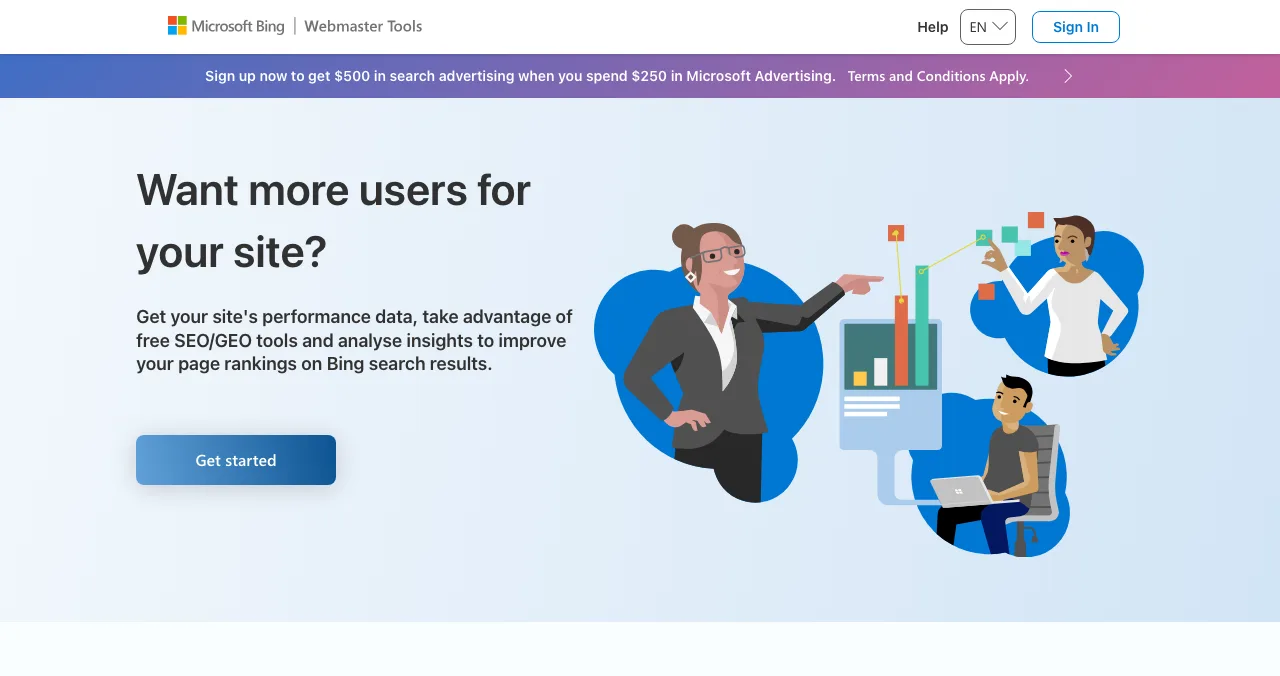
- Verify Bing Webmaster Tools — free performance data and SEO tools for Bing.
- Give every page one clear job and title — "Invoicing for freelancers", not "Home".
- Answer real questions — one page per question your customers ask, answer first.
- Keep your name and facts consistent — so search engines and AI assistants describe you correctly (entity SEO).
Google's SEO starter guide says it finds most pages through links from pages it already knows, and that changes can take from hours to months to show. That's why search is the slowest channel and the one worth starting first. More in SEO for startups.
Listings and links: ways 6–10

- 6. A launch-site listing — a permanent page on a launch site that links to you, such as the Launchpad.
- 7. Relevant directories — five to ten that match your category, not hundreds (free startup directories).
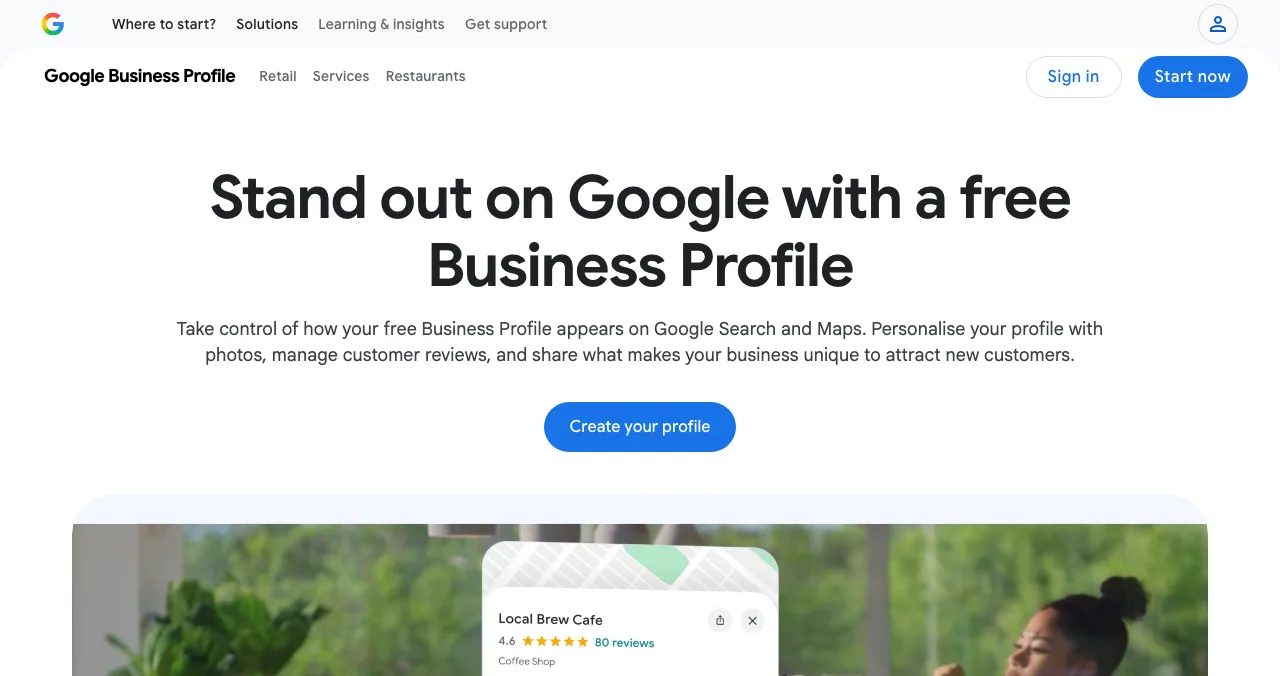
- 8. Google Business Profile — if you serve a local area, it's free and shows on Search and Maps.
- 9. Your own profiles — LinkedIn page, GitHub, app stores, each linking to your site.
- 10. Partners and integrations — a listing on the marketplace of a tool you integrate with.
People: ways 11–15

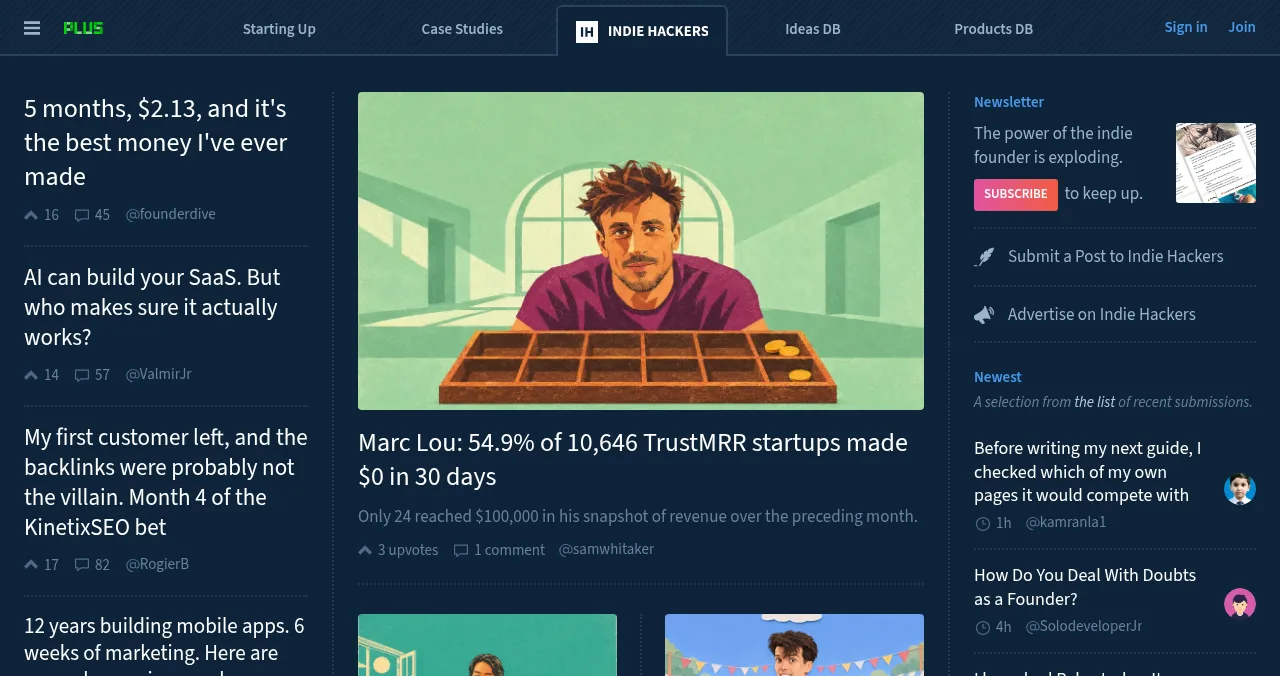
- 11. Answer questions in communities — Indie Hackers, relevant subreddits, Slack and Discord groups, WhatsApp communities; help first, link when it answers the question.
- 12. Tell your own network — a personal post on LinkedIn with what you built and who it's for (how to announce a launch).
- 13. Start an email list — one form on the site; a short update when something useful ships.
- 14. Show your work — Show HN for things developers can try now; build-in-public posts.
- 15. Ask happy users to share — at the moment they get a result, not in a generic email.
Which to start with

A SaaS or app
Search ways 1–4, a launch-site listing, and one community where your users ask questions.
A local business
Google Business Profile, Search Console, and your city's community groups.
A developer tool
Show HN, GitHub, and the forums your users already read.
A content site
Search and an email list from day one; communities for the first readers.
Mistakes
- Buying links — against Google's spam policies
- Hundreds of directory submissions — a few relevant ones beat many irrelevant ones
- Link-dropping in communities — contribute first, or get removed
- Trying ten channels at once — two done weekly beat ten done once
- Not measuring — check visits by source monthly; stop what sends nobody
Ready to promote it?
How we know
Search guidance comes from Google's SEO starter guide and spam policies; tool details from Google Search Console, Bing Webmaster Tools and Google Business Profile pages, read on 16–17 November 2026. Speed and weekly-time estimates in the first table are our editorial estimates, not measured figures.
Key terms, defined
- Indexed: stored by a search engine and eligible to appear in results.
- Sitemap: a file listing your site's pages for search engines.
- Directory: a website that lists products or businesses by category.
- Backlink: a link to your site from another site.
- Referral traffic: visitors who arrive by clicking a link on another site.
Frequently asked questions
How can I promote my website for free?
Get it indexed (Google Search Console and Bing Webmaster Tools), list it on relevant directories and launch sites, answer questions in communities where your audience gathers, tell your own network, and start an email list. Pick two channels you can keep doing every week.
Where can I promote my website?
Search engines, startup and niche directories, launch sites such as Product Hunt and the Launchpad, Google Business Profile for local businesses, communities like Indie Hackers and relevant subreddits, LinkedIn, and partners' newsletters. Choose by where your audience already spends time.
How do I get traffic to a new website?
Search takes months, so combine it with faster channels: a launch on several sites, posts in relevant communities and direct outreach to people who have the problem you solve. Each gives you early visitors while search builds.
Does submitting my site to search engines help?
Submitting a sitemap in Google Search Console and Bing Webmaster Tools helps them discover your pages faster, but it doesn't guarantee ranking. Links from relevant sites and useful pages do the rest.
Is social media enough to promote a website?
Rarely on its own. Posts fade within days. Use social to bring early visitors and build relationships, while search and permanent listings keep sending visitors after the post is gone.
What should I avoid when promoting a website?
Buying links (against Google's spam policies), posting the same link across communities without contributing, and submitting to hundreds of low-quality directories. They waste time and can hurt how you're seen.
Sources
- Google Search Central — SEO Starter Guide
- Google Search Console
- Bing Webmaster Tools (checked 17 Nov 2026)
- Google Business Profile (checked 17 Nov 2026)
- Google Search Central — Spam policies for Google web search
- Science of Apps — Launchpad: launch your product free
- Checked November 17, 2026. Figures that change — fees, salaries, prices — are reviewed every six months; if something is out of date, tell us.
Where to go from here
- Promote your startup for free — 30 tactics
- Places to launch a startup — launch sites
- App marketing strategy — the bigger plan
- Science of Apps - LaunchpadHow to market a startup with no money: the free channels that work, in the order to use them, and what each costs in time insteadHow to market a startup with no money: direct outreach, communities, free launch sites, directories, content and AI search, in order, with the time each costs.
- Science of Apps - LaunchpadHow to promote your startup for free in 2027: 30 tactics across launches, listings, content, communities and partners30 free ways to promote a startup in 2027: launch sites, listings, search and AI visibility, content, communities, partners and your own users.
- Science of Apps - LaunchpadHow to get your first users for a new app: the store listing, launch sites, communities, direct outreach and a web page that keeps bringing people inHow to get users for a new app, free: fix the store listing, launch on Product Hunt and Peerlist, reach people directly, and add a permanent web page.
- Science of Apps - LaunchpadThe best websites to launch an AI startup or AI tool, with what each one really costsWhere to launch an AI tool in 2027: free launch sites, AI directories and their real fees (TAAFT, Toolify, AIxploria), and which to use first.
- Science of Apps - LaunchpadHow to market an AI tool in 2027: positioning by task, AI directories, AI search, demos and the trust that makes people payHow to market an AI tool in 2027: position by task, list in AI directories, get cited by AI search, show real outputs and earn trust that converts.
- Science of Apps - LaunchpadFree startup directories in 2027: 16 checked sites to submit your startup to, grouped by what you want (investors, customers, a launch, India) with each one's rules16 free startup directories checked for 2027, grouped by goal: investors, customers, launch day and India, with each site's rules and the ones to skip.





Get the ideas, not the noise.
Sign up with Google and we’ll send you short UX psychology tips by email — why people tap, stall and leave, and what to do about it. Unsubscribe anytime. Prefer something to keep? Get the free Laws of UX guide as a PDF.
Launch day ends. Your listing shouldn't.
A free, permanent Launchpad profile that links to your website and is found by the problem you solve, ranked by relevance and never by payment.