 By
Quick answer: Which social media is best for startups?
- Pick one platform where your buyers already are; add a second only when the first works.
- B2B: LinkedIn, posted mainly from the founder's profile.
- Developers and niche tools: Reddit, Hacker News and Indie Hackers, by their rules.
- Consumer apps: short video; YouTube reached 84% of US adults in Pew's 2026 survey.
- Measure sign-ups from social with UTM links, not likes.
Key takeaways
- People follow people: founder accounts usually outperform brand pages early on.
- Communities reward help and punish promotion; read the rules first.
- A 30-day plan with three post types beats daily improvisation.
- Proof (users, vouches, results) is the content that converts.
- Stop what doesn't produce sign-ups after a fair test.
A startup with three people can't run seven social accounts, and it doesn't need to. The founders who get users from social pick one platform their buyers already use, post from a person rather than a logo, show proof instead of slogans, and measure sign-ups instead of likes. This guide on social media marketing for startups covers which platform fits which product (with Pew Research Center's 2026 usage data), what to post, community rules that get founders banned, a 30-day calendar, and how to turn followers into users. Platform facts were checked on each platform's own pages on 17–18 November 2026. Jump to which platform, the 30-day plan or followers into users.
- US adults who use YouTube (Pew, 2026)
- 84%
- US adults who use LinkedIn (Pew, 2026)
- 31%
- Platform to start with
- 1
- Days before you judge it
- 30
Which social media is best for startups?
The one your buyers already use. Reach matters less than fit: a platform with fewer users can be better if your buyers are concentrated there and the culture rewards what you make.
| Platform | US adults who use it (Pew, 2026) | Best for | How startups win there |
|---|---|---|---|
| YouTube | 84% | Consumer apps, tutorials, developer tools | Demos, how-tos, searchable videos |
| 70% | Local and consumer products, groups | Helpful presence in niche groups | |
| 51% | Visual consumer products | Short video, behind the scenes | |
| TikTok | 37% | Consumer apps for younger audiences | Native short video, trends |
| 31% | B2B, SaaS, hiring | Founder posts, lessons, proof | |
| 25% | Niche, technical and enthusiast products | Genuine help, rule-following | |
| X | 18% | Tech, developer and AI audiences | Build in public, threads, replies |

Table: Share of US adults who say they ever use each platform, from Pew Research Center's fact sheet Americans' Use of Social Media in 2026 (survey 30 Jan–18 Jun 2026, 5,511 adults; published 19 Oct 2026; checked 18 Nov 2026). Best-for columns are Science of Apps editorial.
Pew's figures describe US adults, not your market; if you sell in India or Europe, use them as a sense of scale and check your own audience. Hacker News and Indie Hackers aren't in Pew's survey, but for developer tools and indie products they're often where the first users come from.
LinkedIn: for B2B startups
- Cost
- Free to create a Page
- Need
- A personal LinkedIn account
- Reach
- 31% of US adults (Pew, 2026)
- Works
- Founder posts with specific lessons and proof
- Catch
- Brand pages start with almost no reach
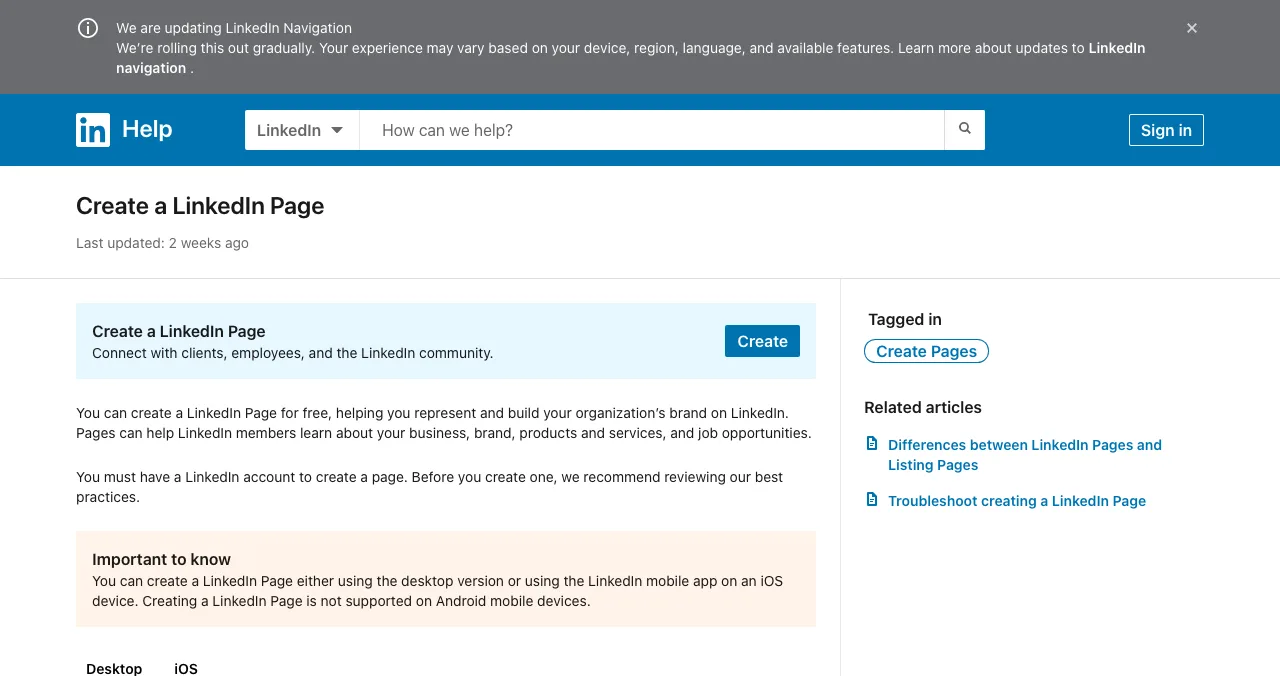
LinkedIn's help centre says you can create a LinkedIn Page for free and need a LinkedIn account to do it. Create the Page so your product has an official home, but put most of the effort into the founder's profile: specific lessons, numbers you're comfortable sharing, customer stories (with permission) and product updates framed as problems solved.
- Post: three to five times a week; one idea per post; a clear first line.
- Reply: comment thoughtfully on posts by people your buyers follow.
- Link: many founders put the link in the post or a comment; test both and measure.
Best for: B2B SaaS, developer platforms with business buyers, and hiring. Launch-day templates are in announce a launch on LinkedIn and X.
Reddit: for niche and technical products
- Cost
- Free to post; ads optional
- Rules
- Site-wide spam policy plus each subreddit's own rules
- Reach
- 25% of US adults (Pew, 2026)
- Works
- Answering questions, sharing lessons, allowed self-promo threads
- Catch
- Promotional posts get removed and accounts banned
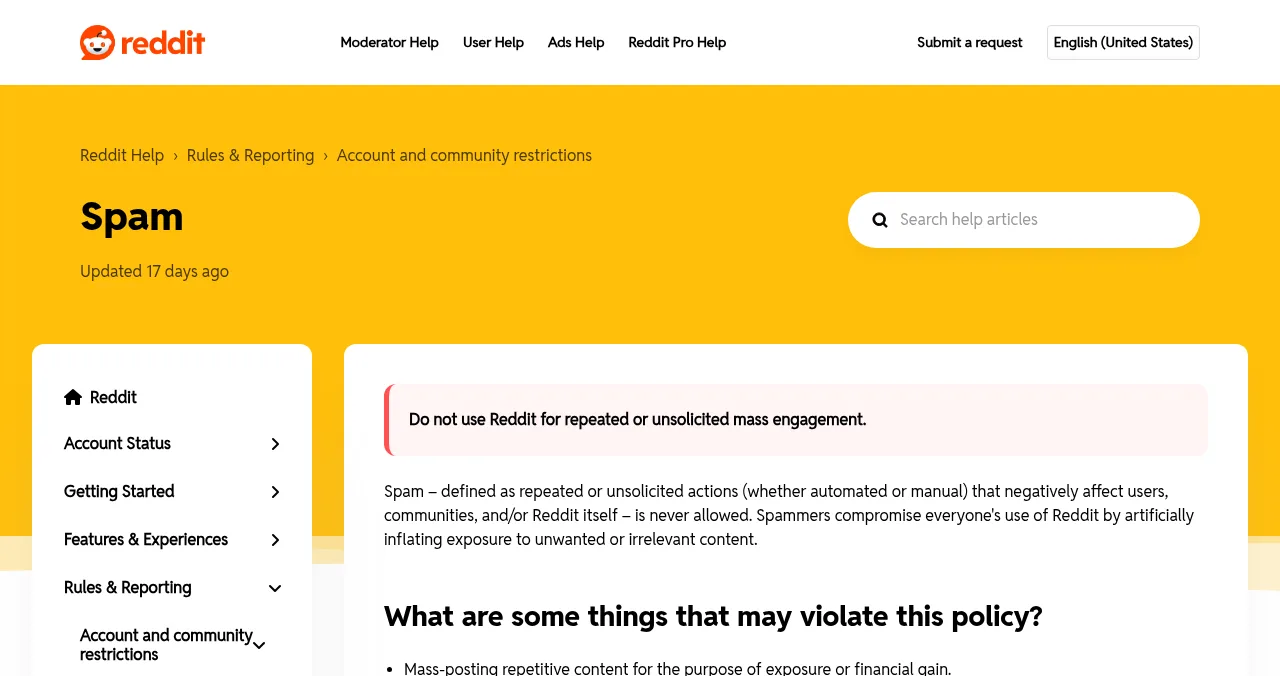
Reddit's spam policy tells users not to use Reddit for repeated or unsolicited mass engagement, and every subreddit adds its own rules on self-promotion. Startups that do well there spend weeks helping before they mention their product, and then post only where it's allowed. See subreddits to promote a startup and promoting an app on Reddit.
Best for: developer tools, enthusiast and niche products, and anything people ask "what's the best X?" about.
Hacker News and Indie Hackers: for developers and indie products
- Cost
- Free
- Format
- Show HN: something you made that people can try
- Audience
- Developers, technical founders
- Works
- Plain, factual posts; founders answering every comment
- Catch
- Marketing language and vote-asking backfire
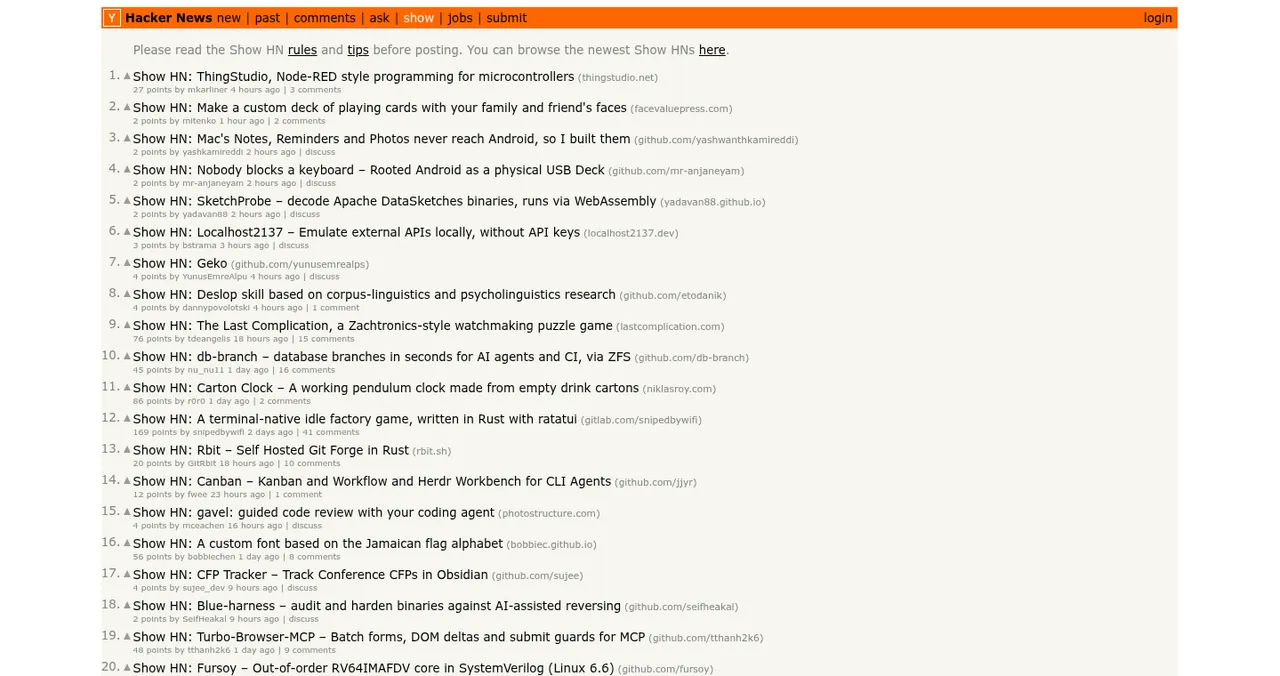
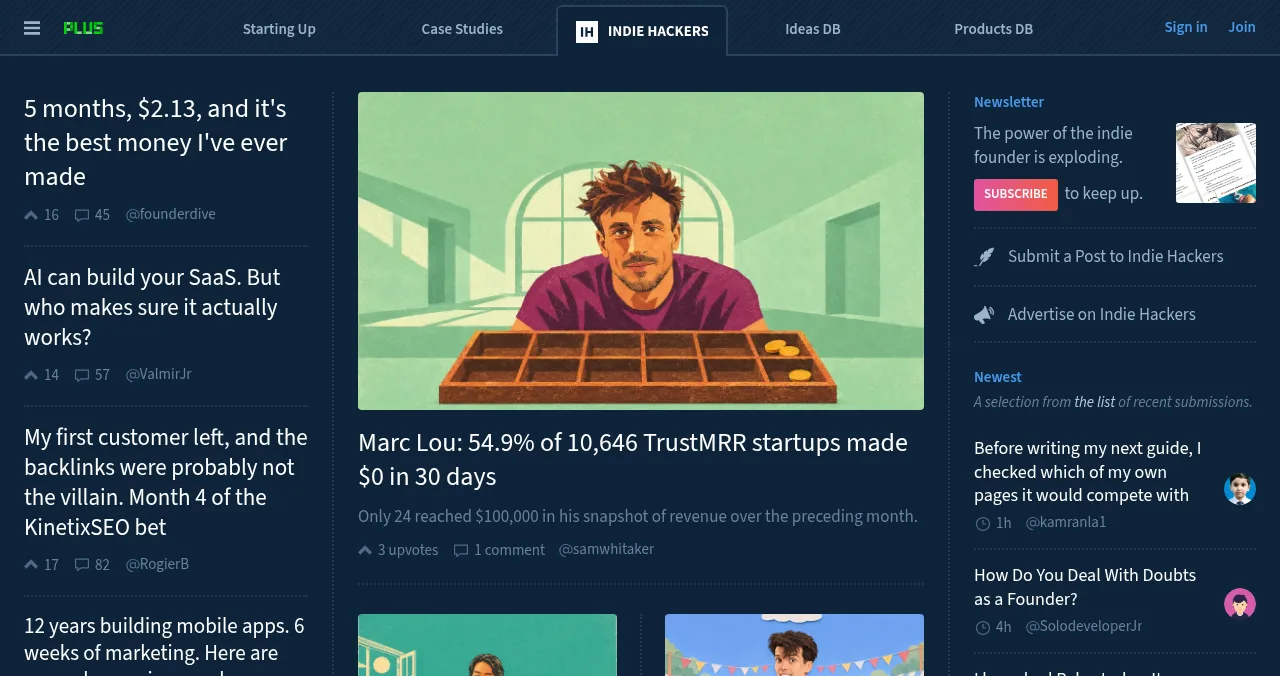
Show HN is for something you've made that other people can try. It isn't a channel you post to weekly; it's an occasional moment, best used when you have something new to show. Indie Hackers is a community of founders sharing strategies and revenue numbers, good for building in public and finding early adopters among other makers.
Best for: developer tools, open source, indie SaaS. Pair them with X for day-to-day updates; see build in public.
YouTube: for consumer apps and anything you can demo
- Cost
- Free to set up a channel
- Reach
- 84% of US adults (Pew, 2026), the highest in the survey
- Works
- Demos, how-tos and short videos people search for
- Format
- Long-form and Shorts
- Catch
- Video takes more time to make well
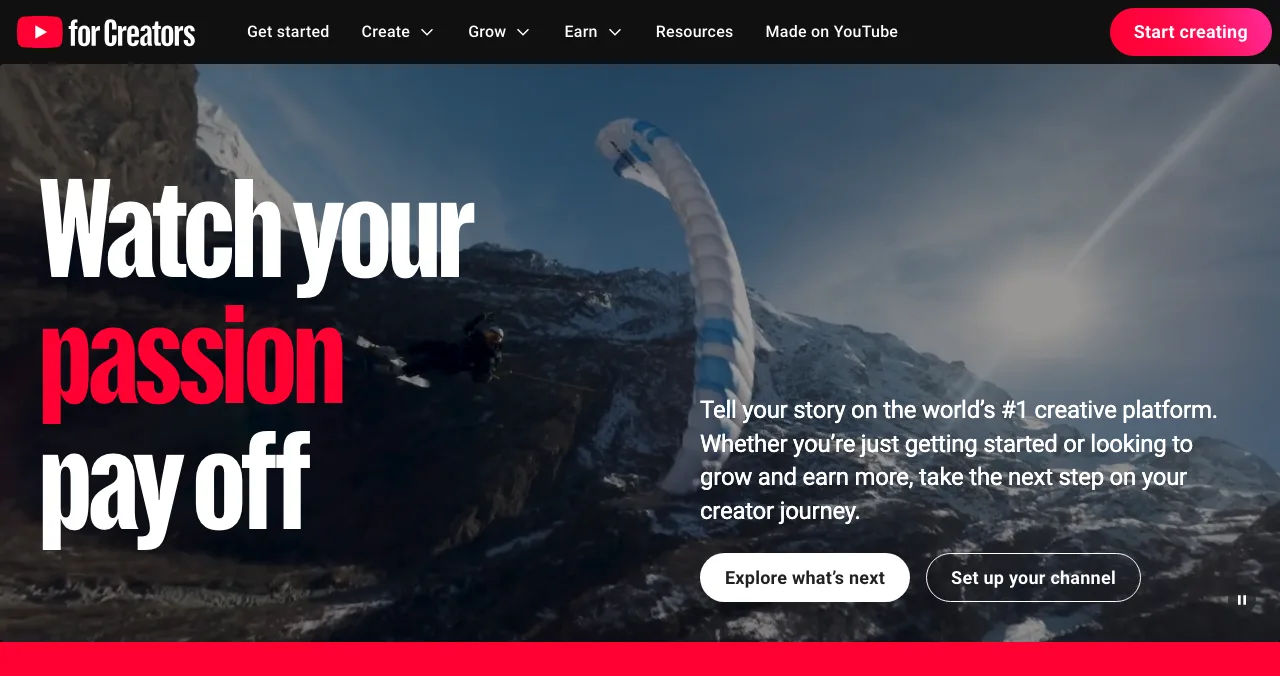
YouTube had the widest reach of any platform in Pew's 2026 survey, and videos keep getting found through search long after you post them. For a startup, the highest-value videos are the ones buyers search for: "how to [do the job]", a two-minute demo, and an honest comparison. Clips from those can feed Instagram and TikTok.
Best for: consumer apps, visual or hands-on products, and tutorials for any tool.
What should a startup post?
Three post types cover most of what works. Rotate them.

Lessons
What you learned building, selling or failing, with specifics. Builds trust and reach.
Product
A feature shown solving a real problem, as a short demo or before-and-after. Builds understanding.
Proof
Users, results, quotes (with permission), vouches and badges. Builds belief, and converts.
Social proof is the post type founders skip and the one that most often turns a follower into a user: people look to what others have done when they're unsure.
The Launchpad as social proof
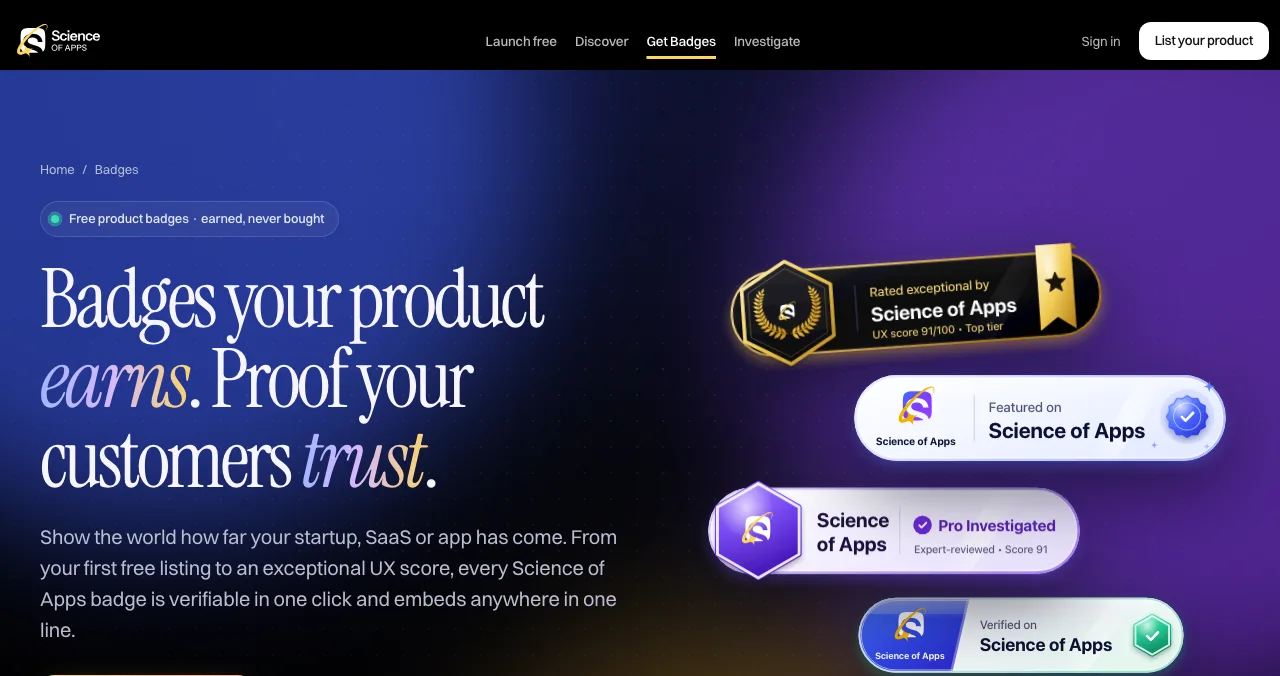
A Launchpad profile gives your posts something to point to that isn't your own website: a permanent, moderated page with your screenshots, links and founder, vouches from real users and earned badges. Badges include Featured (on going live), Verified (a work email on your domain), Community favourite and Editor's pick, seven in all; each is verifiable in one click and links back to your profile. Ranking is by relevance, editorial picks and community interest, never payment. "We just earned Editor's pick" is a proof post you didn't have to invent.
Listing is free, forever, in six short steps. Once you're live, your product is tested end to end, starting with a free baseline diagnosis of your landing page, discoverability and speed, so the people your posts send don't bounce off a broken first screen.
- Areas examined
- 22
- Automatic measurements, desktop and mobile
- 39
- Expert heuristics
- 74
- Verdicts, analyst-reviewed
- 5
Make sure the first screen works
List free, then order the report that fits your stage.

 Economy
See what new customers see
- Store listing and homepage, screen by screen
- Scorecard against 60 Laws of UX
- The fixes worth most
PremiumThe full diagnosis and the plan
- Every screen, every finding, every flow
- All 60 laws with evidence and fixes
- 8 strategy chapters and a 90-day roadmap
Fact-checked against the evidence. Private by default. Never affects ranking.
The 30-day social media plan for startups
- Day 1–2
Set up
Choose one platform; fix the founder profile (photo, one-line headline, link); create the company page; list on the Launchpad.
- Day 3–7
Listen
Follow 50 people your buyers follow; comment on 5 posts a day; note the questions people ask.
- Week 2
Start posting
Three posts: one lesson, one product, one proof. Reply to every comment.
- Week 3
Find the format
Repeat what got replies; drop what didn't. Add one community post where self-promo is allowed.
- Week 4
Convert
A proof post with a UTM-tagged link; pin it. Share a milestone (first users, a badge, a vouch).
- Day 30
Measure
Sign-ups from social in GA4 by post. Keep the platform, change the format, or switch.
| Week | Mon | Wed | Fri | Daily |
|---|---|---|---|---|
| 2 | Lesson | Product demo | Proof | 15 minutes of replies |
| 3 | Lesson | Community answer | Product update | 15 minutes of replies |
| 4 | Behind the scenes | Proof with link | Milestone | 15 minutes of replies |
Table: A simple posting calendar for weeks 2–4 (illustrative; adapt to your platform)
How do you turn followers into users?

- One next step per post. Try it, join the waitlist, read the guide; never all three.
- Tag every link. utm_source=linkedin (or reddit, youtube), utm_medium=social, utm_campaign=your month. GA4 then shows which posts produce sign-ups.
- Pin your best proof. New visitors to your profile see it first.
- Make the landing page match the post. If the post promises a feature, land people on it.
- Follow up in replies and messages, helpfully, without pitching everyone who likes a post.
Mistakes

- Every platform at once — five weak accounts instead of one strong one
- Brand voice only — logos get less trust than people
- Promotion in communities that ban it — Reddit and Hacker News remove it and remember
- Asking for upvotes — against the norms of most communities
- Counting likes — sign-ups are the number that matters
- Sending followers to a broken first screen — fix the landing page before you push
- Quitting in week two — give a platform 30 days of consistent posting
Ready to launch?
How we know
Usage figures come from Pew Research Center's fact sheet Americans' Use of Social Media in 2026 (survey 30 January–18 June 2026, 5,511 US adults, published 19 October 2026). Platform rules come from LinkedIn Help, Reddit Help, Hacker News' Show HN guidelines and YouTube for Creators; UTM guidance from Google Analytics Help. All were read on 17–18 November 2026. The best-for columns, calendar and plan are Science of Apps' editorial framework. Science of Apps runs the Launchpad.
Key terms, defined
- Social media marketing: using social platforms and communities to reach, engage and convert potential customers.
- Founder-led social: posting mainly from the founder's personal account rather than a brand page.
- Proof post: a post that shows evidence someone else values the product: results, quotes, vouches, badges.
- Self-promotion rules: a community's limits on posting your own product.
- UTM link: a URL with tags that tell analytics which post a visit came from.
- Show HN: a Hacker News post format for something you made that people can try.
Frequently asked questions
Which social media is best for startups?
The one where your buyers already spend time. For B2B products that is usually LinkedIn, posted from the founder's profile. For developer tools, Reddit, Hacker News and Indie Hackers, used by their rules. For consumer apps, short video on YouTube, Instagram or TikTok. Pick one, post consistently for 30 days, and judge it by sign-ups before adding another.
How much should a startup post on social media?
Enough to be consistent, not so much that quality drops. Three to five posts a week on one platform is a workable start for a founder, plus daily replies and comments, which often matter more than posts. A fixed weekly pattern, such as one lesson, one product update and one proof post, keeps it sustainable.
Should a startup post from a company page or the founder's account?
Both, but lead with the founder. People follow and trust people, and early on a founder's posts usually reach further than a new brand page with few followers. Create the company page so the product has an official home and an employer link, then share the founder's best posts from it.
Is Reddit good for startup marketing?
It can be, if you behave like a member. Reddit's spam policy says not to use the site for repeated or unsolicited mass engagement, and each subreddit has its own rules about self-promotion. Answer questions in your niche, share what you learned, and post your product only where it is allowed and genuinely relevant.
How do I turn social media followers into users?
Give them a reason and a link. Post proof (results, user quotes, vouches, demos), end with one clear next step, and use a UTM-tagged link so you can see which posts produce sign-ups in GA4. Pin your best proof post to your profile and link your product's permanent listing so new followers can check you out.
What social media data should startups trust?
Use independent, dated surveys for audience size and your own analytics for results. Pew Research Center's 2026 survey of 5,511 US adults found YouTube used by 84%, Facebook 70%, Instagram 51%, TikTok 37%, LinkedIn 31%, Reddit 25% and X 18%. That tells you reach, not fit; your sign-up data tells you fit.
Should a startup pay for social media ads early?
Usually not first. Paid social amplifies a message that already works organically and a landing page that already converts. Test your message with organic posts for a few weeks, fix the page people land on, then try a small paid test with a clear cost-per-sign-up target.
Sources
- Pew Research Center — Americans' Use of Social Media in 2026, fact sheet, 19 Oct 2026 (checked 18 Nov 2026)
- LinkedIn Help — Create a LinkedIn Page (checked 18 Nov 2026)
- Reddit Help — Spam (checked 17 Nov 2026)
- Hacker News — Show HN guidelines (checked 17 Nov 2026)
- YouTube — YouTube for Creators (checked 18 Nov 2026)
- Google Analytics Help — URL builders: Collect campaign data with custom URLs (checked 18 Nov 2026)
- Science of Apps — Launchpad homepage and badges (checked 18 Nov 2026)
- Checked November 18, 2026. Figures that change — fees, salaries, prices — are reviewed every six months; if something is out of date, tell us.
Where to go from here
- Announce a launch on LinkedIn and X — post templates for launch day
- Build in public — the weekly update that builds an audience
- Subreddits for startups — where self-promotion is allowed
- Science of Apps - LaunchpadPre-launch marketing for startups: a six-week plan from waitlist to launch day, with the channels, assets and rules that matterPre-launch marketing for startups: a 6-week plan with a waitlist, building in public, early adopters, launch assets and a scheduled launch date.
- Science of Apps - LaunchpadWhat to do after a Product Hunt launch: a 30-day plan to turn one day of attention into users, reviews and a better productWhat to do after a Product Hunt launch: keep replying, follow up, measure, ship feedback, collect reviews, launch elsewhere and plan your relaunch.
- Science of Apps - LaunchpadBuild in public: what to share, where, how often, which numbers to publish and how to turn followers into users, with a weekly template and the risks to manageBuild in public without just posting into the void: what to share, which metrics, a weekly template, where to post, and how to turn followers into actual users.
- Science of Apps - LaunchpadProduct launch marketing that works for startups: the launch strategy, the seven channels, a six-week calendar from three weeks before launch to three weeks after, and how to measure each channelLaunch marketing in one plan: a launch strategy, seven channels ranked for startups, a six-week calendar and one permanent page every channel points to.
- Career guidesHow to get a paid social advertising job in 2027: creative testing, audiences, platforms, measurement after privacy changes and budget decisionsHow to get a paid social job in 2027: creative testing, audiences, platform choice, tracking after privacy changes, budgets, pay in India and a plan.
- Science of Apps - LaunchpadThe startup launch checklist for 2027: everything to do before, during and after launch, in orderA startup launch checklist for 2027: product, page, visibility, assets, launch-day and follow-up items, in order, with the platform rules that matter.

Get the ideas, not the noise.
Sign up with Google and we’ll send you short UX psychology tips by email — why people tap, stall and leave, and what to do about it. Unsubscribe anytime. Prefer something to keep? Get the free Laws of UX guide as a PDF.
Launch day ends. Your listing shouldn't.
Share your Launchpad profile, badges and vouches as social proof in your posts, and get your product tested end to end with a detailed report.