 By
Quick answer: How do I come up with a startup name?
- Seven naming methods, from descriptive to coined words.
- 105 startup name ideas for three example products, unchecked for availability.
- The checks: say it once, spell it, search it, trademark it, register the domain.
- USPTO base fee: $350 per class of goods or services.
- Consistency: the same name on your site, structured data and every listing.
Key takeaways
- A good startup name is easy to say, easy to spell and hard to confuse with a competitor.
- Descriptive names are easy to understand but hard to protect; coined names are the reverse.
- Check trademarks before you fall in love with a name.
- Google picks the site name it shows from your home page and references to it; tell it your preference with WebSite structured data.
- Use one spelling of your name everywhere, so search engines and AI assistants treat it as one entity.
Naming a startup feels urgent and permanent at the same time, which is why founders lose weeks to it. It doesn't have to take that long. A name only needs to do four jobs: be easy to say, easy to spell, distinct from competitors, and legally and practically available. This guide gives seven naming methods, 105 startup name ideas for three example products, the trademark and domain checks to run (with the US filing fee, checked on the USPTO's own page on 18 November 2026), and the step most founders skip: using the exact same name everywhere so Google and AI assistants recognise you. Jump to the methods, the name ideas or the checks.
- Naming methods
- 7
- Startup name suggestions
- 105
- USPTO base application fee per class
- $350
- Spelling of your name, everywhere
- 1
How do you come up with a startup name?
Start with a method, not a blank page. Each has a trade-off between how quickly people understand the name and how easy it is to protect and own.
| # | Method | How it works | Understood fast? | Easy to protect? |
|---|---|---|---|---|
| 1 | Describe the result | Say what the customer gets | Yes | Hard |
| 2 | Compound two words | Join two familiar words | Mostly | Medium |
| 3 | Borrow a metaphor | An object or idea that hints at the benefit | Sometimes | Medium |
| 4 | Coin a word | Blend, clip or add a suffix | No | Easy |
| 5 | Use a foreign or old word | A word from another language or an old trade | No | Medium |
| 6 | Alter a spelling | Drop or swap a letter | Mostly | Medium |
| 7 | Name a person, place or story | A founder, a place, a character | No | Medium |
Table: Seven methods for naming a startup and their trade-offs (Science of Apps editorial)
105 startup name ideas, by method
To make the suggestions useful, each method is applied to three example products: A, a booking tool that cuts no-shows for clinics and salons; B, a water-level sensor for farm wells; C, an AI writing assistant for support teams. These are illustrations we wrote for this guide. We have not checked their availability, and many will already be taken; run every one through the checks below.
1. Describe the result
Easy to understand, hard to trademark, often taken as domains. Best for local or SEO-led businesses.
| A: no-show booking | B: farm-well sensor | C: support writing |
|---|---|---|
| FullBook | WellLevel | ClearReply |
| NoGap Booking | WaterWatch Farm | ReplyRight |
| KeptSlots | DryAlert | CalmTickets |
| ShowUp Booking | TankSense | KindAnswers |
| SeatSure | WellCheck | FirstReply |
Table: Descriptive startup name suggestions (illustrative, availability unchecked)
2. Compound two words
Two familiar words joined. Dropbox and Mailchimp are well-known examples of the method.
| A: no-show booking | B: farm-well sensor | C: support writing |
|---|---|---|
| Slotkeeper | Wellpulse | Replyforge |
| Chairbell | Aquifox | Tonebridge |
| Showtide | Droplantern | Ticketquill |
| Bookanchor | Fieldgauge | Helpwhistle |
| Keptcalendar | Pumpcompass | Draftharbor |
Table: Compound startup name ideas (illustrative, availability unchecked)
3. Borrow a metaphor
An object or idea that hints at what you do. Works well when the metaphor is concrete and positive.
| A: no-show booking | B: farm-well sensor | C: support writing |
|---|---|---|
| Lighthouse Booking | Dowser | Lantern |
| Anchor | Wellspring Labs | Compass Replies |
| Turnstile | Taproot | Porchlight |
| Keystone | Rainstick | Tuning Fork |
| Roll Call | Divining Rod | Sounding Board |
Table: Metaphor-based startup name ideas (illustrative, availability unchecked)
4. Coin a word
Blends, clipped words and suffixes (-ly, -io, -a, -o). Easy to trademark and own as a domain; you have to teach people what it means.
| A: no-show booking | B: farm-well sensor | C: support writing |
|---|---|---|
| Showvio | Aquenta | Replix |
| Bookora | Wellvo | Tonalo |
| Slotiq | Hydrova | Supporia |
| Keptra | Dropsy | Wordana |
| Attendo | Phreatix | Clarivo |
Table: Coined startup name ideas (illustrative, availability unchecked)
5. Use a foreign or old word
A word from another language or an old trade. Check the meaning with native speakers, and its pronunciation in your main markets.
| A: no-show booking | B: farm-well sensor | C: support writing |
|---|---|---|
| Presto Booking | Agua Alerta | Scriba |
| Puntual | Brunnen | Parola |
| Hora | Pozo | Herald Desk |
| Kairos | Noria | Scrivener Support |
| Tempo Chair | Cistern | Missive |
Table: Foreign and old-word startup name ideas (illustrative, availability unchecked)
6. Alter a spelling
Dropping or swapping a letter makes a common word ownable, as Flickr did. The cost: people may misspell it, so buy the obvious variant domain too.
| A: no-show booking | B: farm-well sensor | C: support writing |
|---|---|---|
| Bookt | Welll | Replyr |
| Showr | Aqwa | Tonely |
| Kepte | Drypp | Ansr |
| Slottd | Pumpr | Kalm |
| Atend | Levl | Drafft |
Table: Altered-spelling startup name ideas (illustrative, availability unchecked)
7. Name a person, place or story
A founder's name, a place or a character. Gives warmth and a story to tell; says nothing about the product.
| A: no-show booking | B: farm-well sensor | C: support writing |
|---|---|---|
| Mabel | Prairie Well | Juniper |
| Hudson Booking | Old Mill Sensors | Wren |
| Clementine | Ridgeway | Atlas Support |
| Rosalind | Cedar Creek | Penny |
| Arlo | Homestead Water | Quincy |
Table: Person, place and story startup name ideas (illustrative, availability unchecked)
Startup name suggestions: what separates strong from weak
Whatever method you use, the same patterns decide whether a name helps or hurts. None of these is a law; they are the questions to ask of every shortlisted name.
| Pattern | Stronger | Weaker | Why it matters |
|---|---|---|---|
| Length | One to three syllables | Five or more | Easier to say, type and fit in a logo |
| Spelling | Spelled as it sounds | Silent letters, doubled letters | Referrals happen out loud |
| Characters | Letters only | Hyphens, numbers | People forget which they were |
| Distinctiveness | Unlike anything in your category | One letter from a competitor | Confusion costs customers and invites disputes |
| Scope | Room to grow | One feature or one city | You may outgrow the first product |
| Meaning | Neutral or positive in your markets | Odd meaning in another language | Check with native speakers |
| Search | Few existing results | A common word with millions of results | You want your name to find you |
Table: Patterns of strong and weak startup names (Science of Apps editorial)
Apply the table to the 105 suggestions above and most fail at least one row. That is the point: a long list exists to be cut. Expect to discard nine in ten names you write, and don't be discouraged when your favourite turns out to be taken; the second-best available name, used consistently for years, beats the perfect name you can't own.
Which naming method should you choose?
| If your startup… | Try | Why |
|---|---|---|
| Sells locally or depends on search | Describe the result | People understand it instantly |
| Wants to build a big brand | Coin a word | Easiest to own and protect |
| Has a strong visual idea | Borrow a metaphor | Gives you a logo and a story |
| Has a founder story people care about | Person, place or story | Warmth and memorability |
| Is in a crowded category | Coin a word or alter a spelling | Distinct from look-alikes |
Table: Choosing a naming method by situation (Science of Apps editorial)
The checks: say it, spell it, search it, own it

- Say it once — tell five people the name out loud; can they spell it back?
- Search it — Google, app stores, LinkedIn and Product Hunt for the same or similar names in your category
- Trademark search — search the USPTO's free trademark database, and your own country's office
- Domain lookup — check who holds the domain with ICANN's free lookup tool
- Social handles — check the platforms where your customers are
- Translate it — make sure it doesn't mean something unfortunate in your markets
- Distinctive — a name that stands out is remembered; see the Von Restorff effect
- Search
- Free, at tmsearch.uspto.gov
- Base fee
- $350 per class of goods or services
- Example
- Two classes = $700 base fee
- Extra fees
- Possible, depending on completeness
- Catch
- US only; check your own country too
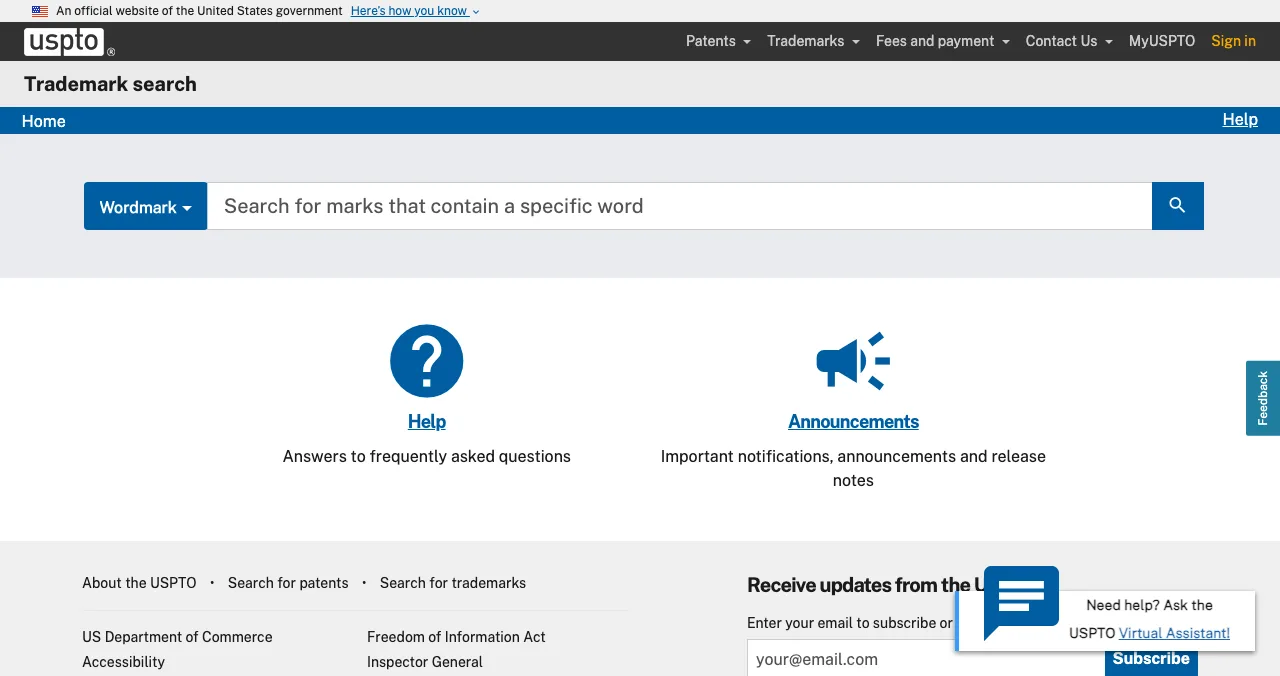
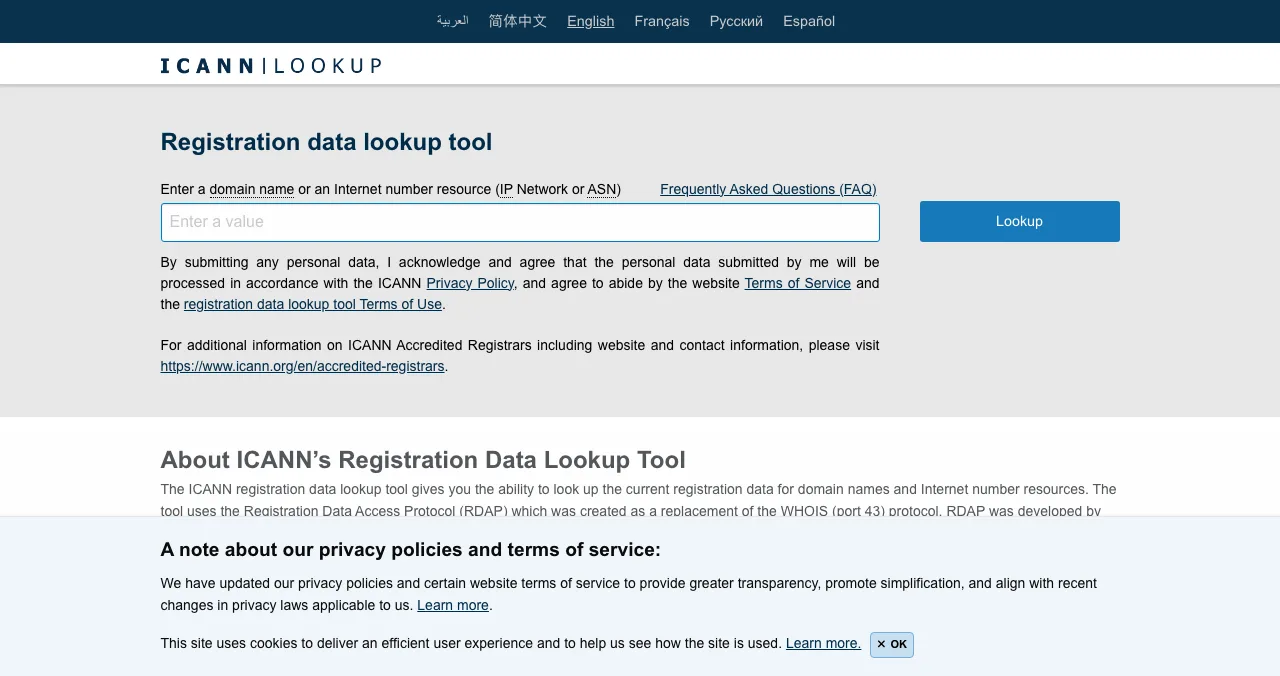
- Cost: a USPTO search is free; the USPTO lists the base application fee at $350 per class, and more classes cost more.
- When: search before you choose; file once you're confident in the name and the category.
- Rules: a name that's merely descriptive is hard to register; a distinctive one is easier.
- Not legal advice: for anything beyond a first search, talk to a trademark lawyer in your country.
Why does name consistency matter for Google and AI search?
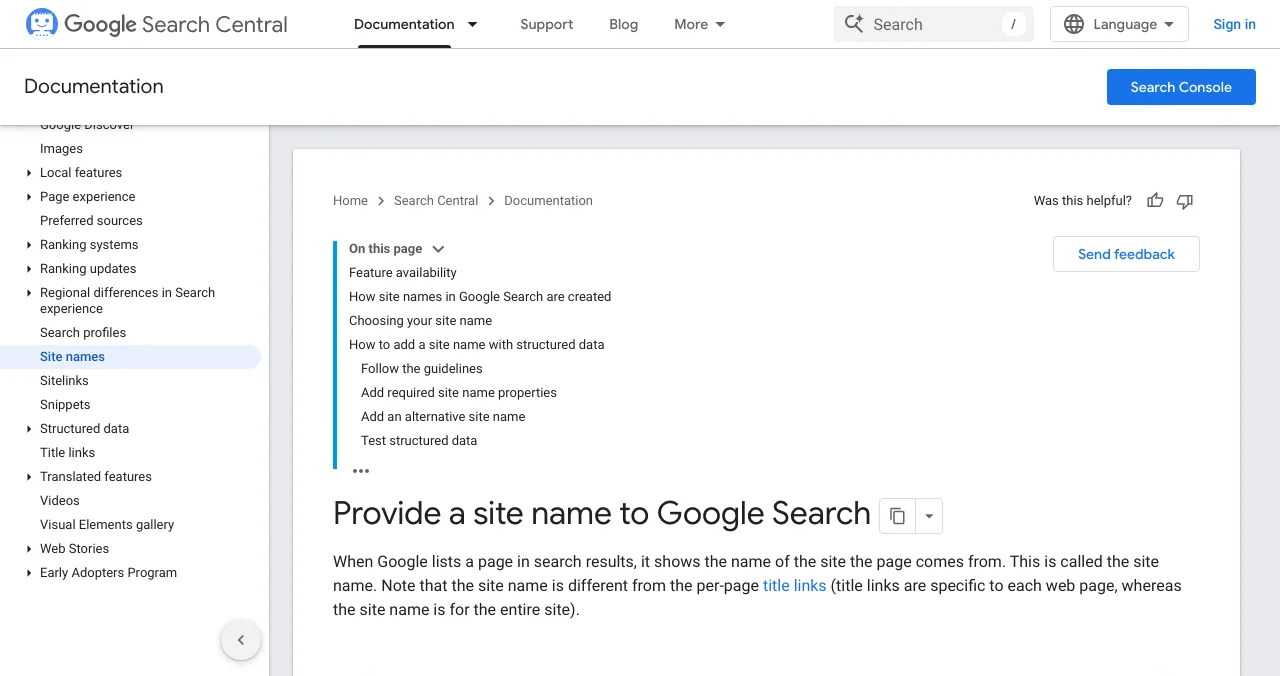
Google says it generates the site name it shows in results from your home page and references to it across the web, and that WebSite structured data is the most important signal if you want to state a preference. It recommends a concise, consistent name, with alternateName for variants. Its Organization structured data lets you link your profiles elsewhere with sameAs.
AI assistants work from many of the same pages. If your site says "Slotkeeper", your Launchpad profile says "SlotKeeper App" and Crunchbase says "Slot Keeper", you look like three companies. Pick one spelling and capitalisation and use it on:

- Your home page — title, headings and WebSite structured data (
name, plusalternateNamefor variants). - Organization markup —
name,url,logoandsameAslinks to every profile. - Every listing — Launchpad, Crunchbase, LinkedIn, app stores and directories, all with the same name and one-liner.
- Your one-liner — the same sentence everywhere; see our startup one-liner guide.
Our guide to entity SEO for startups covers the rest.
Claim your name on the Launchpad
A free, permanent Launchpad profile is a quick place to fix your name, one-liner and links in one spot, and to link to from your Organization markup. Listing takes six short steps, is moderated by a person, and is ranked by relevance, editorial picks and community interest, never payment. When your product is live, a free baseline check covers your landing page, discoverability and speed, and a full investigation can test the product end to end with a detailed report.
- Areas of your product tested
- 22
- Automatic measurements, desktop and mobile
- 39
- Expert checks behind your login
- 74
- Verdicts that rank what to fix first
- 5
See what new customers see first
List free, then order the report that fits your stage.

 Economy
See what new customers see
- Store listing and homepage, screen by screen
- Scorecard against 60 Laws of UX
- The fixes worth most
PremiumThe full diagnosis and the plan
- Every screen, every finding, every flow
- All 60 laws with evidence and fixes
- 8 strategy chapters and a 90-day roadmap
Private to your team. Never affects ranking.
A one-week naming plan
- Day 1
Pick two methods
Choose from the seven above based on your situation.
- Day 2
Write 30 names
Quantity first; no judging.
- Day 3
Say and spell
Cut anything people can't spell after hearing once.
- Day 4
Search and lookup
Google, app stores, USPTO search, ICANN lookup; cut conflicts.
- Day 5
Test three
Ask ten people which they remember the next day.
- Day 6
Register
Domain and handles for the winner.
- Day 7
Claim and match
Launchpad profile, structured data and listings, all identical.
Naming mistakes

- Falling in love before searching — check trademarks on day 4, not after the logo
- Too clever to spell — if you have to spell it on every call, it will cost you referrals
- Too narrow — a feature or city in the name can box you in
- Look-alike names — a name close to a competitor's confuses customers and invites disputes
- Inconsistent spelling — one capitalisation, everywhere, from day one
Ready to launch?
How we know
The trademark fee and search come from the USPTO's own pages; the domain lookup from ICANN; site-name and Organization guidance from Google Search Central; all read on 18 November 2026. The naming methods and the 105 example names are our editorial work, written for this guide and not checked for availability. This is not legal advice. Science of Apps runs the Launchpad.
Key terms, defined
- Trademark class: a category of goods or services in a trademark application; fees are charged per class.
- Descriptive name: a name that says what the product does; hard to register as a trademark.
- Coined name: an invented word with no prior meaning; easiest to protect.
- alternateName: a structured-data property for other names your site or company goes by.
- sameAs: an Organization structured-data property linking your profiles on other sites.
- Entity: a distinct thing (such as your company) that search engines recognise across pages.
Frequently asked questions
How do I come up with a startup name?
Choose one or two naming methods, such as compounding two words or coining a new one, and write at least 30 candidates. Cut names that are hard to say or spell after hearing once, then search each in Google, app stores and a trademark database. Shortlist three, test them on people who don't know the product, and register the domain.
What makes a good name for a startup?
A good startup name is short, easy to say and spell, distinct from competitors, and available as a trademark in your category and as a usable domain. It should leave room to grow: a name tied to one feature or city can feel narrow later. Meaning helps, but distinctiveness and memorability matter more.
Do I need a trademark for my startup name?
You don't need to register one to start, but you should search before choosing, so you don't build a brand you'll have to abandon. In the US, the USPTO's base application fee is $350 per class of goods or services. Many founders register once they have customers; a trademark lawyer can advise for your country.
Does my startup need a .com domain?
Not necessarily. Many startups launch on other extensions or add a word, such as get- or -app. What matters is that people can type it after hearing it once and that it isn't confused with a competitor's site. Check who owns a domain with ICANN's registration data lookup tool before you try to buy it.
Can I use a startup name generator?
Generators are fine for raw material, but they produce many names that are hard to say or already taken. Use them to spark ideas within a method you've chosen, then run every candidate through the same checks: say it, spell it, search it, trademark search, domain lookup. Treat the 105 suggestions in this guide the same way.
Why does a consistent startup name matter for AI search?
Search engines and AI assistants build a picture of your company from many pages: your site, directories, profiles and articles. If your name is spelled one way on your site and another on listings, they may treat you as two companies or miss you. Google's Organization structured data lets you link profiles with sameAs.
Should I rename my startup later if I need to?
You can, but it gets more expensive the longer you wait: domains, listings, reviews and links all have to move. If you have doubts, rename before launch. If you must rename later, keep the old name as an alternateName in your structured data and update every listing on the same day.
Sources
- USPTO — How much does it cost? Trademark base application fee (checked 18 Nov 2026)
- USPTO — Trademark search (checked 18 Nov 2026)
- ICANN — Registration data lookup tool (checked 18 Nov 2026)
- Google Search Central — Provide a site name to Google Search (checked 18 Nov 2026)
- Google Search Central — Organization structured data (checked 18 Nov 2026)
- US Small Business Administration — Launch your business: choose your business name (checked 18 Nov 2026)
- Science of Apps — Launchpad: list your product free (checked 18 Nov 2026)
- Checked November 18, 2026. Figures that change — fees, salaries, prices — are reviewed every six months; if something is out of date, tell us.
Where to go from here
- Write a startup one-liner — say what it does
- Entity SEO for startups — be one entity everywhere
- How to launch a startup — after the name
- Science of Apps - LaunchpadHow to write a startup one-liner: the formula, the test Product Hunt uses, before-and-after examples, and why the same line everywhere helps search and AI enginesHow to write a startup one-liner: a simple formula, Product Hunt's tagline test, before-and-after examples, and why one consistent line helps AI search.
- Science of Apps - LaunchpadHow to validate a startup idea in 7 days: a day-by-day plan to find out whether people will use and pay for itHow to validate a startup idea in 7 days: define the problem, find people who have it, run 10+ interviews, test demand with a page and a price, then decide.
- Science of Apps - LaunchpadHow to get your startup on Google as a brand: entity SEO with Organization and WebSite structured data, sameAs profiles and consistent facts everywhereHow to get your startup on Google as a brand: Organization and WebSite markup, sameAs profiles, one consistent name and facts, and how knowledge panels form.
- Science of Apps - LaunchpadHow to find startup ideas: the common mistakes, YC's seven recipes for generating ideas, and how to test one before you buildHow to find startup ideas: the mistakes to avoid and YC's seven recipes, from your own expertise to broken industries, plus how to test an idea fast.
- Science of Apps - LaunchpadStartup ideas from Reddit: where people share them, 20 real threads from the past year (with subreddit and date) describing problems people want solved, and how to turn each into a testable listingStartup ideas from Reddit: where people share them, 20 real threads from the past year by subreddit and date, and how to turn a pain point into a test.
- Science of Apps - LaunchpadE-commerce startup ideas: 30 online startup ideas you can run from a laptop, each tied to a problem sellers are posting about, with the latest US e-commerce data and a free way to launch30 e-commerce startup ideas you can run from a laptop, each tied to a real seller problem, with the latest Census data and a free way to launch online.
Get the ideas, not the noise.
Sign up with Google and we’ll send you short UX psychology tips by email — why people tap, stall and leave, and what to do about it. Unsubscribe anytime. Prefer something to keep? Get the free Laws of UX guide as a PDF.
Launch day ends. Your listing shouldn't.
Once you've chosen a name, claim it on a free, permanent Launchpad profile and use it identically everywhere; consistent names across listings help search engines and AI assistants recognise your startup.