Kano Model
Also known as Kano analysis
Features affect satisfaction in different ways: basic needs prevent dissatisfaction, performance features increase satisfaction proportionally and delighters create unexpected joy.
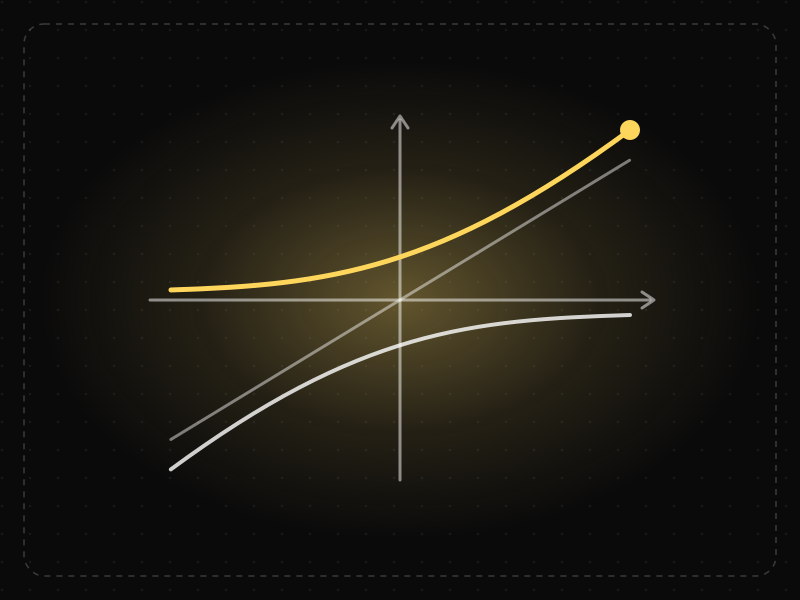
See it in action
The same screen without and with Kano Model. Watch both sides play out, then compare the outcome.
No amount of delight compensates for a broken basic — satisfaction stays low.
Make the expected things work, invest in what scales satisfaction, then add delight.
What to watch: the order the curves are built in — basics prevent dissatisfaction, delighters create joy.
Classify features with real users (basic, performance, delighter) and prioritise in that order.
Assume categories stay fixed — today's delighter becomes tomorrow's expectation.
Key takeaways
- Get the basics right first; their absence causes frustration.
- Invest in performance features users compare competitors on.
- Delighters differentiate but become expected over time.
Quick facts
- Also known as
- Kano analysis
- Described by
- Noriaki Kano
- Year
- 1984
- Category
- Product strategy
- Related laws
- Pareto Principle, Peak-End Rule, Aesthetic-Usability Effect
Kano Model explained
The Kano Model sorts features into categories based on how their presence or absence affects satisfaction. Basic (must-be) features are expected; they do not delight but their absence causes strong dissatisfaction.
Performance features increase satisfaction the better they are, such as speed or storage. Delighters (attractive features) are unexpected and create satisfaction when present, but no dissatisfaction when absent.
Over time, delighters become performance features and eventually basics as users come to expect them. This is why continual innovation is necessary.
Where it comes from
Professor Noriaki Kano and colleagues introduced the model in 1984 to explain how different product attributes relate to customer satisfaction. It is widely used in product management to prioritise features.
How it shows up in apps
Product teams use the Kano Model to decide what to build: reliable login and data security are basics, speed and storage are performance features and thoughtful surprises are delighters.
Kano Model examples
For a banking app, secure login and accurate balances are basic expectations, fast transfers are a performance feature and automatically categorised spending insights are a delighter that sets it apart.
Basic expectations
Users expect apps not to crash and to save their data. Doing this well is rarely praised, but failures generate complaints and churn.
Performance features
Faster load times and more storage directly increase satisfaction and are often compared across competitors.
Delighters that became basics
Features such as dark mode and biometric login once delighted users and are now widely expected.
How to apply Kano Model
- Survey users with paired questions (how they feel if a feature is present or absent) to classify features.
- Fix basic needs before investing in delighters.
- Benchmark performance features against competitors.
- Add delighters that reinforce your core value.
- Revisit classifications regularly as expectations evolve.
Want Kano Model checked in your own product? Our saas ux audit evaluates it alongside the other principles that shape how users decide, onboard and stay.
Common mistakes
- Building delighters while basic issues remain unresolved.
- Assuming feature categories stay fixed over time.
- Classifying features based on internal opinion rather than user data.
How to measure it
Use Kano surveys with functional and dysfunctional questions to classify features, then track satisfaction and churn drivers in support data and reviews.
Frequently asked questions
What is Kano Model?
Features affect satisfaction in different ways: basic needs prevent dissatisfaction, performance features increase satisfaction proportionally and delighters create unexpected joy.
Where does Kano Model come from?
Professor Noriaki Kano and colleagues introduced the model in 1984 to explain how different product attributes relate to customer satisfaction. It is widely used in product management to prioritise features.
How does Kano Model apply to app design?
Product teams use the Kano Model to decide what to build: reliable login and data security are basics, speed and storage are performance features and thoughtful surprises are delighters.
What are the categories of the Kano Model?
Basic (must-be), performance (one-dimensional), attractive (delighters), indifferent and reverse features.
How do you run a Kano survey?
For each feature, ask users how they would feel if it were present and if it were absent, then classify it based on the combination of answers.
How do you measure Kano Model in a product?
Use Kano surveys with functional and dysfunctional questions to classify features, then track satisfaction and churn drivers in support data and reviews.
Sources
- Kano, N., Seraku, N., Takahashi, F., & Tsuji, S. (1984). Attractive quality and must-be quality. Journal of the Japanese Society for Quality Control, 14(2). Find on Google Scholar ↗
Related laws
 Product strategy
Pareto Principle
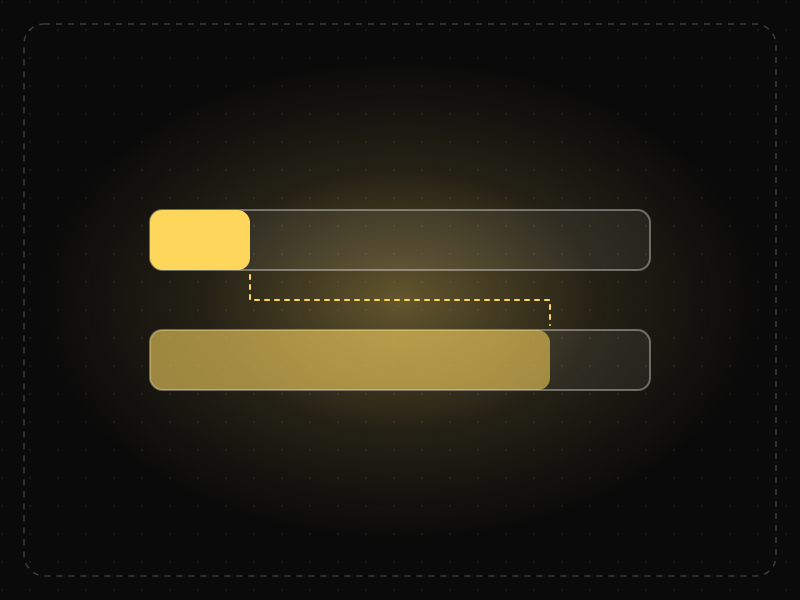
For many outcomes, roughly 80% of the effects come from about 20% of the causes — so a few features, users or issues usually matter most.
 Motivation & emotion
Peak-End Rule
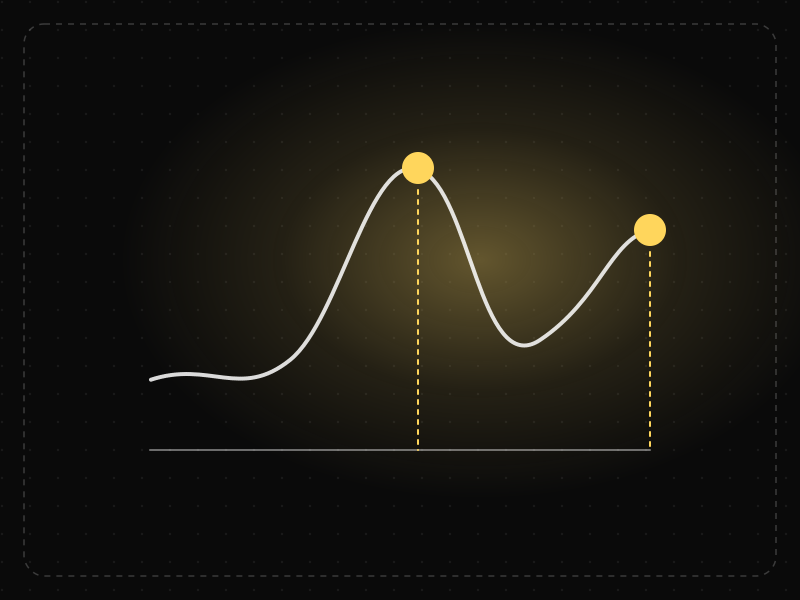
People judge an experience mostly by how they felt at its most intense moment and at its end, not by the average of every moment.
 Perception
Aesthetic-Usability Effect
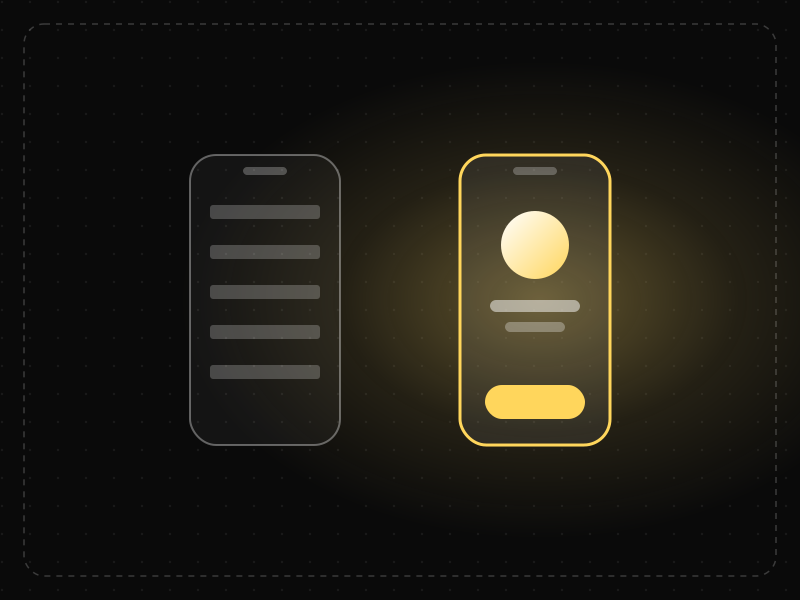
People perceive attractive interfaces as easier to use — and are more forgiving of their flaws — than plain ones with the same functionality.
Kano Model in practice
- Product managementPrioritization frameworks explained: RICE, MoSCoW, Kano, ICE and more — and when to use eachPrioritization frameworks explained with worked examples: RICE, ICE, MoSCoW, Kano and value vs effort — what each is good for and its blind spots.
- Tech explained12 famous product failures, from New Coke to Quibi, and the design lesson each one teachesTwelve famous product failures, from New Coke and Google Glass to Quibi, Juicero and the Tata Nano: what happened, how long each lasted and the lesson in each.
- Career guidesAI skills for product managers in 2027: AI in discovery, specs and analysis — plus judgement about where AI belongs in your productAI skills product managers need in 2027: AI in discovery, specs, analysis and prioritisation, judging AI features, model choice and unit economics.
- ComparisonsFigma vs Canva: which design tool should you use — and when do you need both?Figma vs Canva compared for product teams, marketers and founders: what each is built for, collaboration, AI features, pricing models and a clear verdict.
- Product managementWhat is a product roadmap? Types, examples and a free templateWhat a product roadmap is, the main formats (now–next–later, outcome-based, timeline), examples, a free template and how to present one honestly.
- Career guidesHow to become an instructional designer in 2027: needs analysis, learning objectives, ADDIE and SAM, designing practice and feedback, storyboards, working with SMEs, evaluation and AI in course designHow to become an instructional designer in 2027: needs analysis, learning objectives, ADDIE and SAM, practice and feedback, storyboards, SMEs and AI.


Certifications that test it
- Free certification · UX/UI, Design, Research & CreativeProduct Design CertificationCertifies end-to-end product design: framing problems against business goals, designing and shipping solutions with engineering, and measuring their impact.
- Free certification · Product, Project Management & Business AnalysisProduct Manager CertificationCertifies that you can run product well — discovery, strategy and prioritization, metrics, delivery with design and engineering, and launch.
- Free certification · Product, Project Management & Business AnalysisDesign Leadership CertificationCertifies that you can lead design — build and grow teams, set design strategy, run design operations, measure design's impact and influence the business.
- Free certification · Product, Project Management & Business AnalysisAgile Product Owner CertificationCertifies that you can do the product owner job in agile teams — Scrum roles and events, backlog ordering and refinement, user stories and acceptance criteria, and value-focused releases.
- Free certification · Product, Project Management & Business AnalysisProduct Strategy CertificationCertifies that you can set product strategy — customer and market insight, positioning and differentiation, strategic choices and bets, and outcome roadmaps and OKRs.
- Free certification · AI & Generative AIAI Product Manager CertificationCertifies that you can manage AI products — finding the right AI opportunities, data, models and evaluation, AI UX, trust and safety, and shipping, cost and operations.



Get the ideas, not the noise.
Sign up with Google and we’ll send you short UX psychology tips by email — why people tap, stall and leave, and what to do about it. Unsubscribe anytime. Prefer something to keep? Get the free Laws of UX guide as a PDF.