 By
Quick answer: Do you need a backlink indexer?
- You don't need a backlink indexer.
- You can't request indexing for other people's pages: Search Console works only on your properties.
- Google's Indexing API covers only JobPosting and BroadcastEvent livestream pages; abuse can lose access.
- IndexNow needs a key on the site's own host, and Google isn't listed as a participant.
- Google doesn't index every page; a link worth having sits on a page worth indexing.
Key takeaways
- If a page needs an indexer to get indexed, the link on it was probably weak.
- Indexers can't use Google's official tools on pages you don't own.
- Many indexers work by creating more links, which is the original problem again.
- Links on moderated, internally linked, crawlable pages get found on their own.
- Spend the indexer budget on one good listing.
"Backlink indexer" is searched about 1,600 times a month worldwide (Google Keyword Planner, global 12-month average), mostly by people who built or bought links and then noticed the pages carrying them aren't in Google. A backlink indexing service promises to fix that. Before paying, it helps to know what Google actually lets anyone do about indexing pages on sites they don't own: almost nothing, by design. This explainer walks through Google's own documentation, IndexNow's rules and what a link worth having looks like, all read on 20 November 2026. Jump to how indexing works, the official tools, what indexers do or what to do instead.
- Official Google tools to index pages you don't own
- 0
- Page types Google's Indexing API covers
- 2
- Host an IndexNow key must sit on: the site's own
- 1
- Guarantees: Google doesn't promise to index any page
- 0
How does Google find and index backlinks?
Google's guide to how Search works describes three stages: crawling, indexing and serving. Most pages are found automatically: "Other pages are discovered when Google extracts a link from a known page to a new page." It's equally clear that "indexing isn't guaranteed; not every page that Google processes will be indexed", and that "Google doesn't guarantee that it will crawl, index, or serve your page."
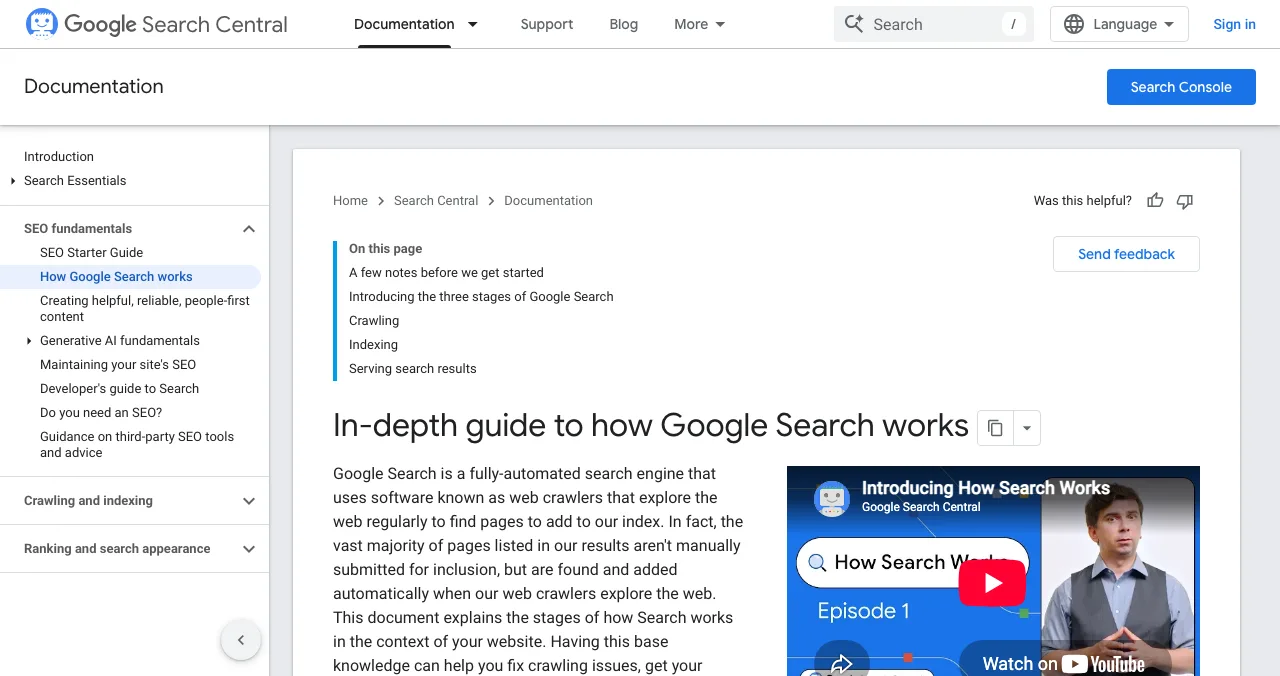
So backlink indexing isn't a separate process. Google indexes pages; a backlink counts once the page it sits on has been crawled. Pages that are well linked within their own site get crawled; orphaned, thin or duplicate pages often don't.
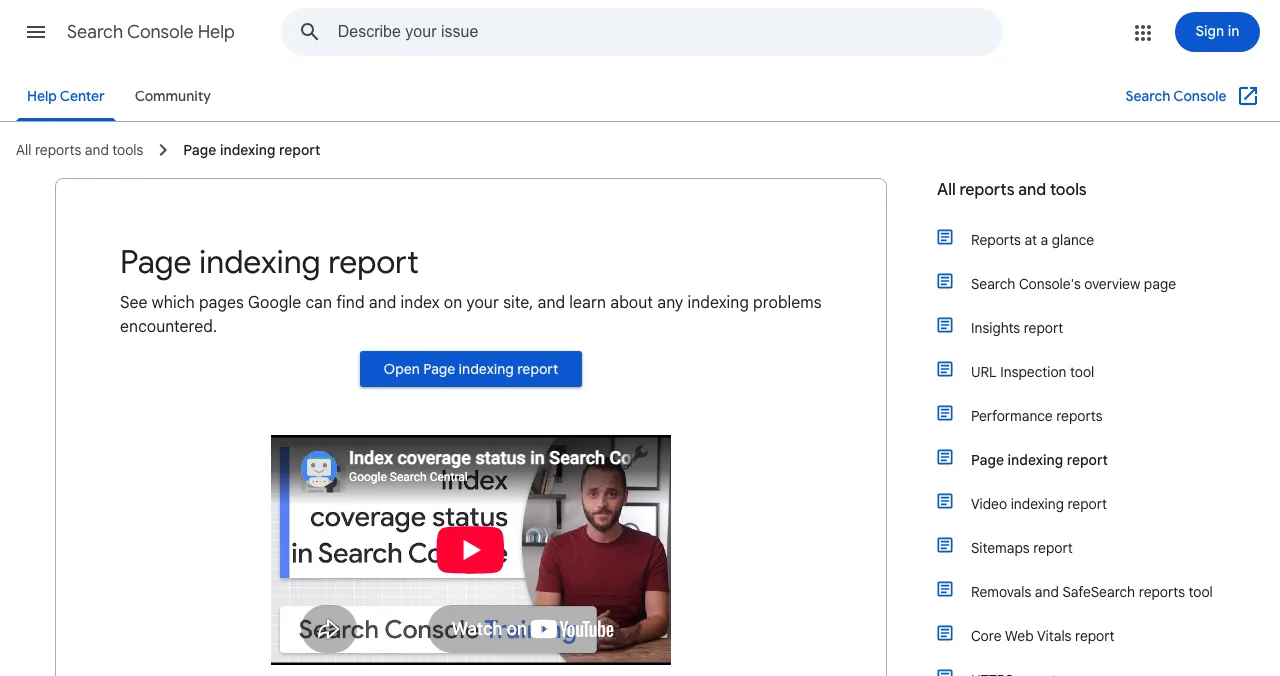
The Page indexing report in Search Console makes the same point for your own site. It lists states such as "Discovered – currently not indexed" (found, not crawled yet) and "Crawled – currently not indexed", and tells site owners: "Don't expect every URL on your site to be indexed."
What are the official ways to index a page?
| Tool | Who can use it | For which pages | Guarantee |
|---|---|---|---|
| Search Console: URL Inspection, Request indexing | The site's own property owners | URLs "in the current property" | None: "does not guarantee" indexing; daily limit |
| XML sitemap | The site's owner | Pages on that site | None |
| Google Indexing API | Site owners | Only JobPosting or BroadcastEvent-in-VideoObject pages | None; spam detection; abuse can revoke access |
| IndexNow | The site's owner (key file on the same host) | URLs under the key's domain; Google not listed | "Does not guarantee immediate indexing" |
Table: Official indexing tools and who can use them (Google and IndexNow documentation, checked 20 Nov 2026)
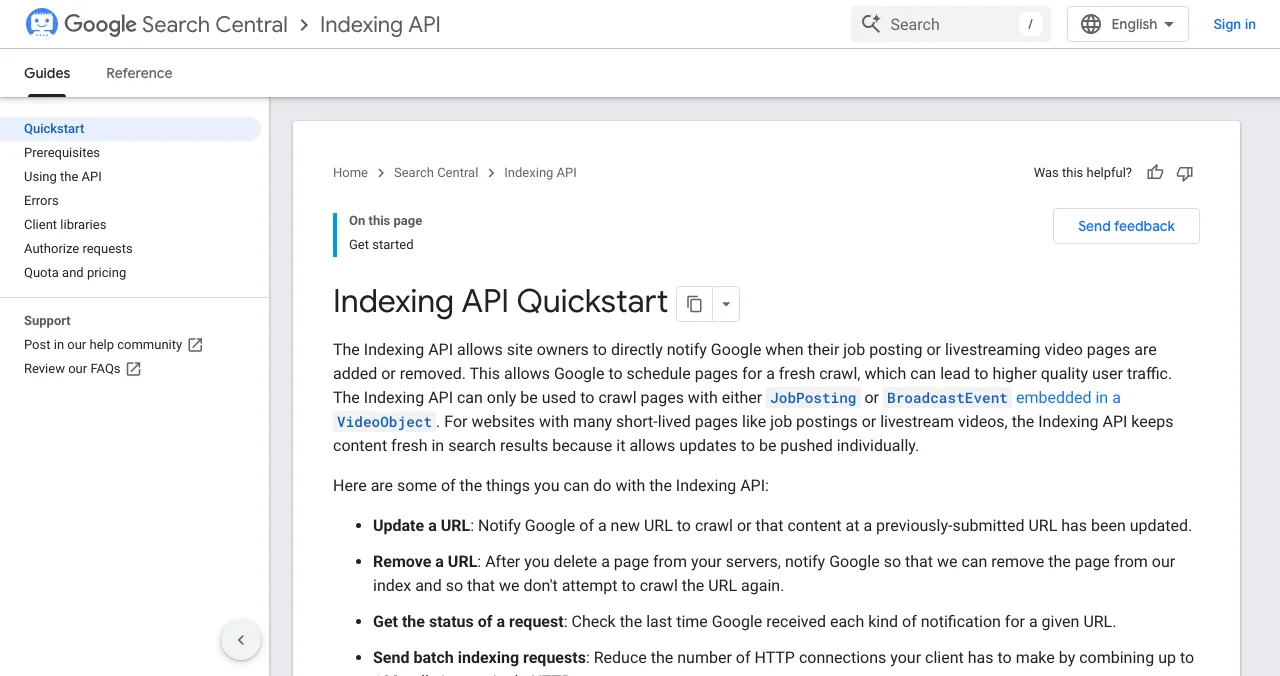
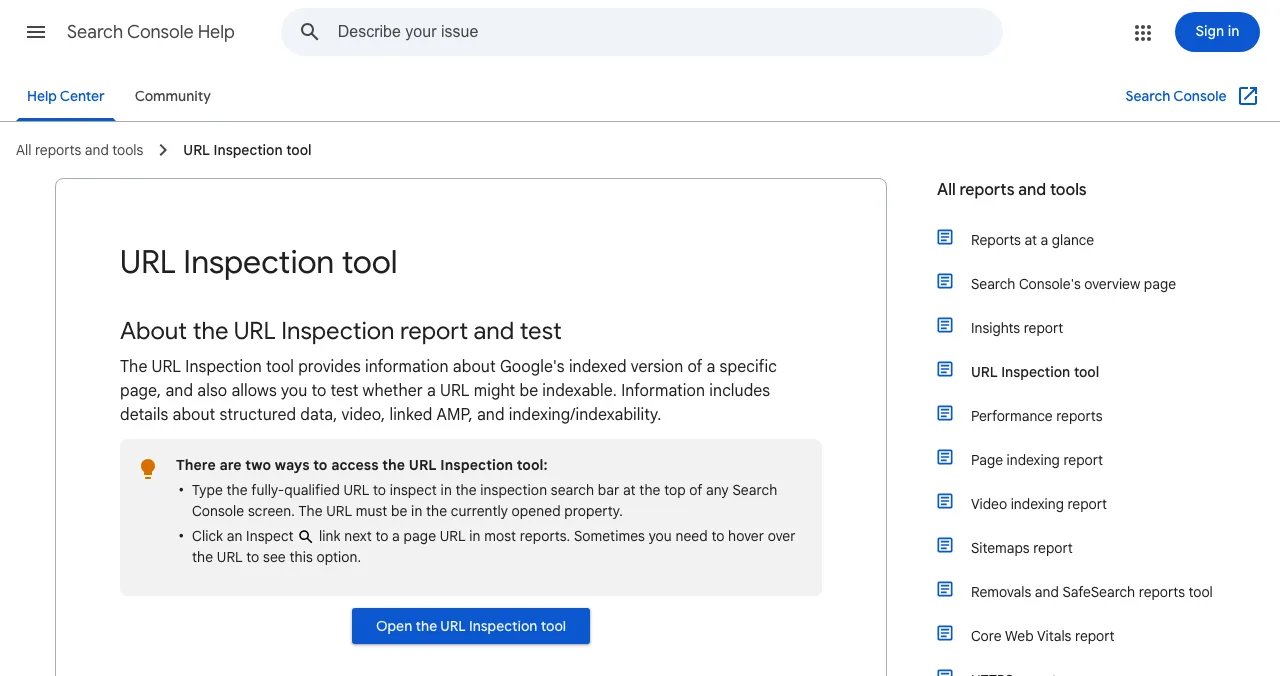
Every one of these is for the site owner. Search Console's URL Inspection help says "the URL must be in the current property" and that "submitting a request does not guarantee that the page will appear in the Google Index." The Indexing API quickstart says it "can only be used to crawl pages with either JobPosting or BroadcastEvent embedded in a VideoObject", that submissions undergo spam detection, and that abuse, such as using multiple accounts to exceed quotas, may lead to access being revoked.
IndexNow is the same story for other engines. Its FAQ says the key file goes in "the root directory of your site, or any publicly accessible folder on the same host", and to "only submit URLs under the domain that matches your verified IndexNow key." It lists endpoints for Bing, Amazon, Naver, Seznam.cz, Yandex and Yep; Google isn't among them.
For indexing your own pages, see how to submit your website to Google.
So what does a backlink indexer actually do?
Indexing services rarely document their methods. Given that the official routes are closed for third-party pages, what's left is limited:
| Method | What it means | Problem |
|---|---|---|
| Pinging | Sending the URL to services that announce updates | No official Google route for pages you don't own; no guarantee anything is crawled |
| Building links to your backlinks ("tiered" links) | New pages, often auto-generated, linking to the pages that link to you | "Using automated programs or services to create links" is a Google link-spam example |
| Misusing the Indexing API | Submitting ordinary pages through it | Google limits it to two page types and says abuse can revoke access |
| Waiting and reporting | Charging while Google crawls on its own schedule | You'd get the same result for free |
Table: How backlink indexing services can work, and the problem with each (Science of Apps analysis of Google and IndexNow documentation, 20 Nov 2026)
The second row is the common one, and it loops back to the original problem: backlink generators produce links on pages Google doesn't want, an indexer builds more such links to force them in, and Google's spam policies cover both.
Is backlink indexing worth worrying about?
Usually not. Check what Google has found: the Search Console Links report shows a sample of the sites linking to you. If your best links are there, nothing needs fixing. If a link is missing after a few months, ask why the page carrying it isn't indexed. The honest answers are usually that the page is new, deep, thin or duplicated, and only the first one fixes itself.

- Is the page linked from the rest of its site? — orphan pages are found last, if at all
- Is it useful on its own? — Google skips thin, near-duplicate pages
- Is it allowed? — robots.txt and meta robots must permit crawling and indexing
- Is it maintained? — moderated, current pages are a better bet than abandoned ones
- Does it send visitors? — if yes, the link is working regardless of indexing
What to do instead: links on pages built to be crawled
A link is easiest to find when it sits on a page that's moderated, kept current and open to crawlers. That's how a Launchpad profile is built. On 20 November 2026 we checked: the site's robots.txt allows public profiles for Googlebot, Bingbot and other crawlers; public profiles are listed in its XML sitemap; and a profile page carried meta robots "index, follow" and a canonical URL. On 18 November (re-checked 20 November) the profile's website link had rel="noopener" only, a followed link. None of that guarantees indexing, and none of it is a promise; it's the opposite of a page that needs an indexer.
The listing is free forever, takes six short steps, gets automated checks and a human review, and is ranked by relevance, editorial picks and community interest, never payment. A free baseline diagnosis of your landing page, discoverability and speed runs as you go live.
- Areas of your product tested in a full investigation
- 22
- Automatic measurements, desktop and mobile
- 39
- Expert checks behind your login
- 74
- Verdicts, from Good to Critical
- 5
Know what visitors find when they arrive
List free, then order the report that fits your stage.

 Economy
See what new customers see
- Store listing and homepage, screen by screen
- Scorecard against 60 Laws of UX
- Customers, competitors and the fixes worth most
PremiumThe full diagnosis and the plan
- Every screen, every finding, every flow
- All 60 laws with evidence and fixes
- 8 strategy chapters and a 90-day roadmap
Researched from your live product and fact-checked against the evidence.
What should you do about unindexed backlinks?
| Situation | Do this |
|---|---|
| Your own new page isn't indexed | Link it from your site, add it to your sitemap, use Request indexing |
| A good site's page linking to you isn't indexed yet | Wait; check again in a month |
| Generated or bought links aren't indexed | Leave them; don't build more links to them |
| You have no links worth indexing | Earn some: a reviewed listing, profiles, partners |
Table: What to do about unindexed backlinks, by situation
Mistakes

- Paying to index links you shouldn't have — the fix is better links, not forced ones
- Tiered link building — links to your links are still automated link creation
- Expecting every page indexed — Google says not to
- Misusing the Indexing API — it's for job and livestream pages, and abuse can lose access
- Measuring indexed links instead of visitors — a link that brings people is working; reduce cognitive load on the page they land on
Ready for a link that doesn't need forcing?
How we know
Indexing rules come from Google's Indexing API quickstart, the URL Inspection, Page indexing and Links report help pages, the guide to how Search works and the spam policies, plus IndexNow's FAQ, all read on 20 November 2026. We didn't test any backlink indexing service; the methods table is our analysis of what the documented rules leave possible. Launchpad crawlability was read from its live robots.txt, sitemap and page source on 20 November 2026. Search volumes are from Google Keyword Planner (global 12-month average). Science of Apps runs the Launchpad.
Key terms, defined
- Backlink indexer: a paid service claiming to get pages that link to you into Google's index.
- Backlink indexing: a search engine crawling and indexing the page a link sits on.
- Indexing API: Google's API for job-posting and livestream video pages only.
- IndexNow: a protocol letting site owners notify participating search engines of changed URLs.
- Tiered links: links built to pages that link to you; a form of automated link building.
- Crawled – currently not indexed: a Search Console status for a page Google crawled but chose not to index.
Frequently asked questions
Do you need a backlink indexer?
No. Links on real, useful pages get crawled because those pages are linked from elsewhere on their own sites. Links on thin pages often stay unindexed because Google chose not to index the page, and Google says it doesn't index every page. An indexer can't change Google's decision through any official tool for pages you don't own.
How do backlink indexers work?
They don't publish their methods in detail, but they can't use Google's official routes for third-party pages. Search Console's Request indexing is limited to your own properties, the Indexing API is limited to job-posting and livestream pages, and IndexNow requires the site's own key. What's left is pinging URLs or creating more links to them, which can itself be link spam.
How do I index backlinks on other sites?
You can't directly, and you shouldn't need to. You can make it more likely by earning links on pages that are linked from the rest of their site, kept current and useful to visitors. If a page linking to you isn't indexed after a few months, Google has probably decided it isn't worth indexing, and the link wasn't helping much.
Can I use Google's Indexing API to index backlinks?
No. Google's documentation says the Indexing API 'can only be used to crawl pages with either JobPosting or BroadcastEvent embedded in a VideoObject', that requests undergo spam detection, and that abuse such as using multiple accounts to exceed quotas may lead to access being revoked. It isn't a general backlink indexing service.
Does IndexNow work for backlinks?
Only for the site that owns the page. IndexNow's FAQ says the key file goes in the root directory of your site or a folder on the same host, and to submit only URLs under the domain matching your key. Its listed participants include Bing, Naver, Seznam.cz, Yandex and Yep; Google isn't listed. Submission doesn't guarantee indexing.
How long does backlink indexing take?
It depends on the page, not on you. A link on a page Google crawls often may be found within days; a link on a deep or thin page may never be. Google's Page indexing report lists states such as 'Discovered – currently not indexed' and 'Crawled – currently not indexed', and says not to expect every URL to be indexed.
What should I do instead of buying a backlink indexing service?
Check which of your links Google has found in Search Console's Links report, and focus on earning links from pages that are clearly maintained: reviewed listings, company profiles, partner pages and articles. A free Science of Apps Launchpad profile is moderated, allowed in robots.txt and listed in the site's sitemap (checked 20 Nov 2026).
Sources
- Google Search Central — Indexing API quickstart (checked 20 Nov 2026)
- Search Console Help — URL Inspection tool: Request indexing (checked 20 Nov 2026)
- Search Console Help — Page indexing report (checked 20 Nov 2026)
- Google Search Central — In-depth guide to how Google Search works (checked 20 Nov 2026)
- IndexNow — FAQ: key file, participating engines (checked 20 Nov 2026)
- Google Search Central — Spam policies for Google web search: link spam (checked 20 Nov 2026)
- Search Console Help — Links report (checked 20 Nov 2026)
- Science of Apps — Launchpad robots.txt, sitemap and profile meta robots (inspected 20 Nov 2026)
- Checked November 20, 2026. Figures that change — fees, salaries, prices — are reviewed every six months; if something is out of date, tell us.
Where to go from here
- Backlink generators — why the links need indexing
- Submit your website to Google — indexing your own pages
- Free backlink checkers — see which links Google found
- Science of Apps - LaunchpadProfile backlink site list for startups: how profile backlinks work, which profile creation sites are worth it, what 'high DA profile backlinks' really are, and the rel attributes we found on real profilesA profile backlink site list for startups: 7 profiles worth creating, the rel attributes we found, why 'high DA profile backlinks' mislead, and Google's rules.
- Science of Apps - LaunchpadDo backlinks still matter in 2027? What Google's own documents say about links and PageRank, how backlinks feed AI search, and why mentions and citations now count as much as linksDo backlinks still matter in 2027? Google says PageRank is still a core system and AI answers draw on the same index. What counts now, with sources.
- Science of Apps - LaunchpadDo you need a hunter for your Product Hunt launch? No: here's what a hunter is, why self-hunting is recommended, and how featuring really worksYou don't need a hunter on Product Hunt: it says to hunt your own product and that who posts doesn't affect ranking. Here's what actually gets you featured.
- Science of Apps - LaunchpadHow to submit your website to Google for indexing: verify it in Search Console, submit your sitemap, request indexing for key URLs, and give Google links to follow, using Google's own documentationSubmit website to Google free: verify in Search Console, submit your sitemap, request indexing for key URLs. Google's own rules, limits and timings.
- Science of Apps - LaunchpadThe best link building tools for startups, free and paid: what you need to find opportunities, find contacts, pitch, monitor mentions and earn links from launch sites, with prices checked on each tool's own pageThe best link building tools for startups: Search Console, Ahrefs, Semrush, Moz, Hunter, Qwoted, Google Alerts and the Launchpad. Free tiers and prices checked.
- Science of Apps - LaunchpadHow to submit your website to search engines for free: Google Search Console, Bing Webmaster Tools, IndexNow for Bing, Yandex, Naver, Seznam and Yep, and why DuckDuckGo needs no submissionSubmit your website to search engines free: Google Search Console, Bing Webmaster Tools and one IndexNow ping for Bing, Yandex, Naver, Seznam and Yep.

Get the ideas, not the noise.
Sign up with Google and we’ll send you short UX psychology tips by email — why people tap, stall and leave, and what to do about it. Unsubscribe anytime. Prefer something to keep? Get the free Laws of UX guide as a PDF.
Launch day ends. Your listing shouldn't.
Instead of forcing weak pages into the index, get a link on a page built to be crawled: a free Science of Apps Launchpad profile is moderated and open to search engines, and your product gets tested with a detailed report.