 By
Quick answer: How do I get my product into 'best tools' articles?
- Be verifiable first: clear homepage, public pricing, screenshots and independent directory profiles.
- Find lists that are maintained: recent update dates, real testing, disclosed affiliate links.
- Pitch with facts, not adjectives: who it's for, what it costs, what it replaces, a free test account.
- Never buy an undisclosed spot: Google says inauthentic mentions don't help, and the FTC expects disclosure.
- Publish your own honest alternatives page so you're in the conversation on your own site too.
Key takeaways
- Best-tools lists are where many buyers, and AI answers, form a shortlist.
- Editors include what they can check quickly; make every fact one click away.
- One mention in a maintained, independent list beats ten in thin affiliate pages.
- Free access in exchange for an honest review is fine; it must be disclosed if a review is expected.
- Track which lists send sign-ups, and put your effort there.
Ask an AI assistant for "the best tools for X" and it usually answers with a shortlist built from what the web already says: comparison articles, "best tools" roundups, alternatives pages and reviews. The same pages shape what human buyers shortlist on Google. If your product isn't in them, you're not in the conversation. This playbook shows how to get your product mentioned in listicles and alternatives pages the honest way: make it easy to verify, find the lists that are actually maintained, pitch the editors well, and stay clear of the paid shortcuts that Google and the FTC warn about. Facts were checked on each source's own page on 17–18 November 2026. Jump to the playbook, the pitch template or what not to do.
- Kinds of pages that build a shortlist
- 4
- Pitch per list, never a mass email
- 1
- Undisclosed paid placements worth buying
- 0
- Facts an editor needs to include you
- 5
Where do best tools lists come from?
There are four kinds of page that put a product on a buyer's shortlist. Each one is reached differently.
| Page type | Who writes it | How you get in |
|---|---|---|
| Editorial roundups ("best X tools") | Publishers, bloggers, newsletters | Pitch the author; be worth recommending |
| Alternatives pages ("X alternatives") | Publishers and directories | Directory profiles; pitch editorial pages |
| Directories and review sites | The site plus its users | Submit a profile; ask real users for reviews |
| Your own comparison page | You | Publish it, fairly and with dates |
Table: The four page types behind most software shortlists, and how a product gets onto each (Science of Apps editorial framework)
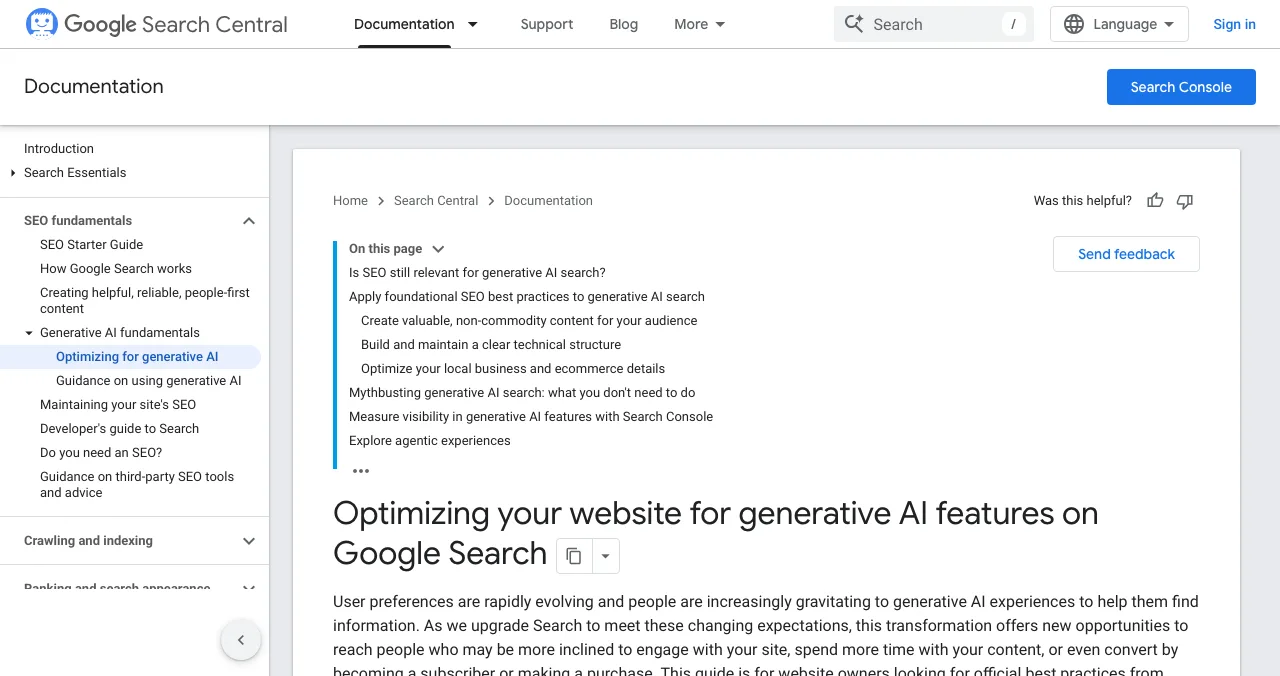
Google's own guide to its generative AI features is blunt about the shortcut: it says seeking inauthentic "mentions" across the web "isn't as helpful as it might seem", and its main advice is unique, expert-led content that goes beyond common knowledge. Read that as a brief for this whole playbook: earn the mention, don't manufacture it.
The playbook: how to get featured in best tools articles

- Be verifiable. Before you pitch anyone, make sure an editor can confirm your basics in two minutes: a homepage that says what you do in one line, a public pricing page, current screenshots, a changelog or blog showing the product is alive, and a contact address. Editors drop products they can't check.
- Get onto the directories editors use. Writers researching a roundup often start from directories and alternatives sites. Profiles there are free and in your control (see the directories below).
- Find the lists. Search Google for "best [category] tools", "[competitor] alternatives" and "top [category] software for [audience]". Ask ChatGPT, Gemini and Perplexity the same questions and note which pages they cite.
- Qualify each list. Keep it if it was updated in the last year, shows signs of real testing (screenshots, specific notes) and discloses any affiliate links. Drop it if it's a thin page of logos, or if inclusion is clearly sold without a label.
- Find the right person. The byline, the site's contact or editorial page, or the update note at the top of the article.
- Pitch once, well. A short, specific email with the five facts an editor needs and free access to test (template below).
- Follow up once. A week or two later, with something new: a feature, a public pricing change, a customer type the list doesn't cover.
- Keep it accurate. If you're included, send corrections when your pricing or features change. Lists that are right about you stay useful to readers and to AI answers.
Which directories and alternatives sites should you be on?
These are the profiles that alternatives pages and roundup writers commonly check. All have a free route.
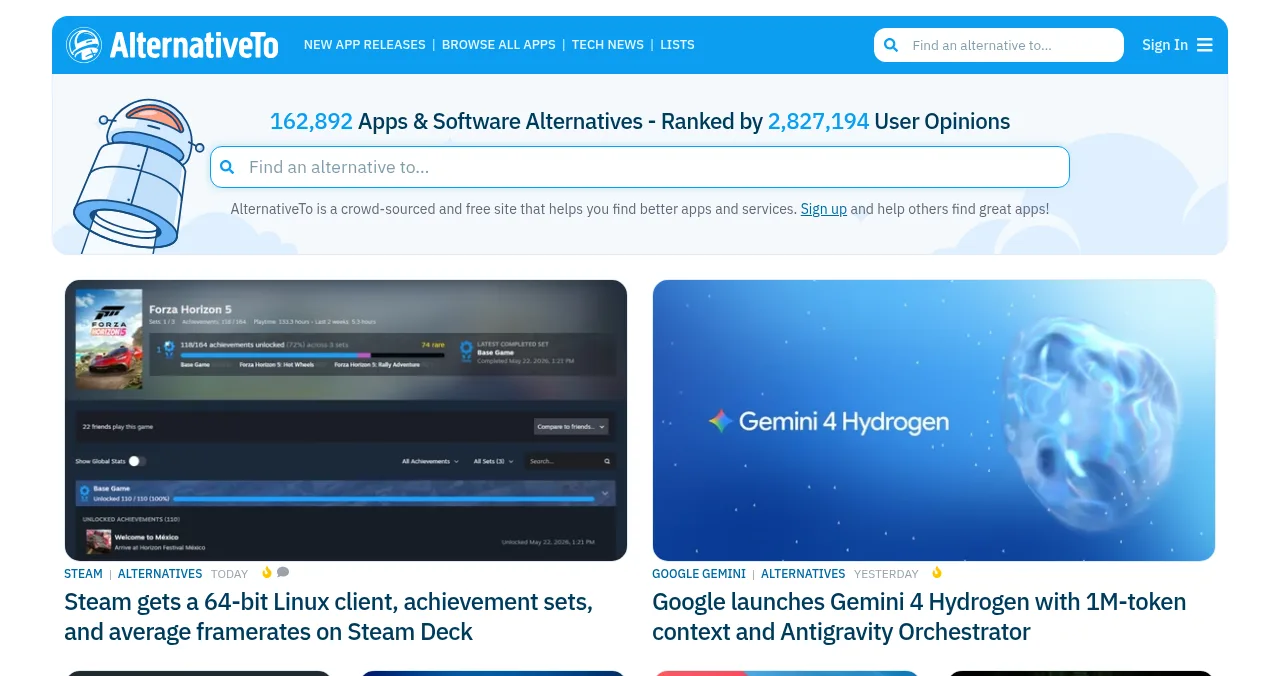
- AlternativeTo: you can suggest your app after signing in, then suggest it as an alternative on the pages of the products it replaces (how to get listed).
- SaaSHub: free after approval for released products; it asks for categories and competitors, and a domain email gets priority (SaaSHub vs AlternativeTo).
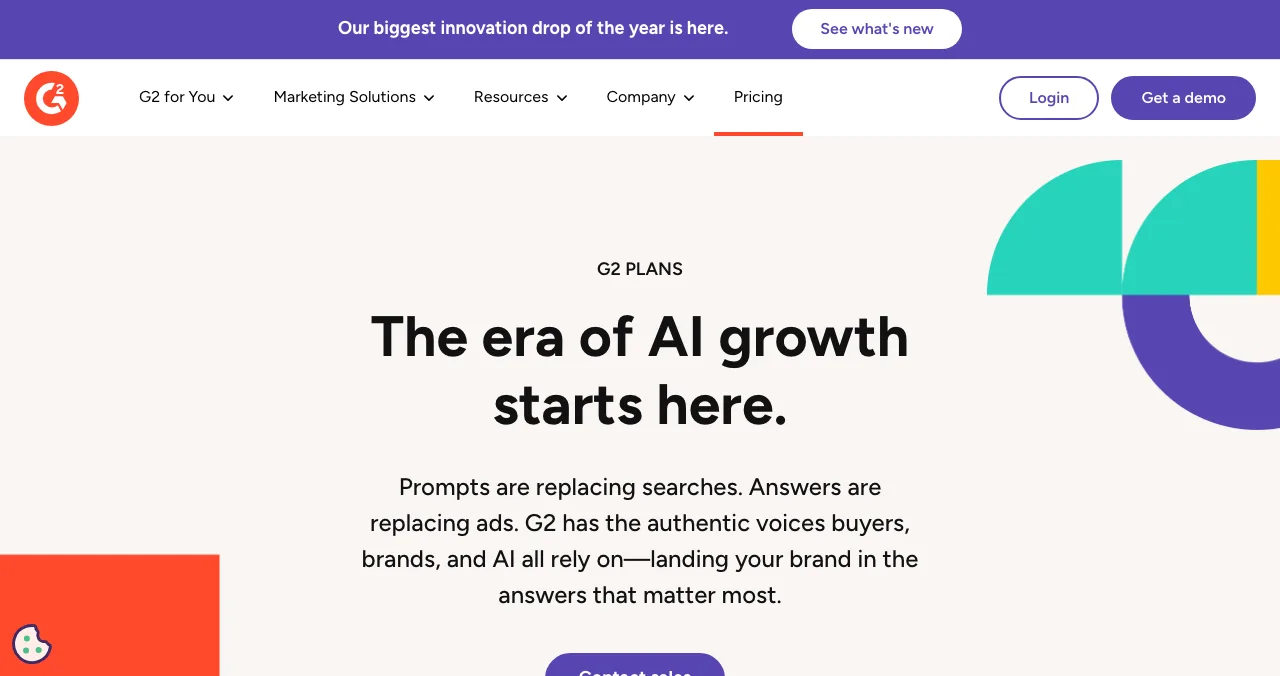
- G2: a free profile, with paid Starter and higher plans; reviews come from real users (G2 vs Capterra).
- Capterra: part of the G2 ecosystem, with a "Get your product listed" route for vendors.
Reviews on G2 and Capterra must come from genuine users. The FTC's Consumer Reviews and Testimonials Rule, in effect since 21 October 2024, targets fake reviews and paying for reviews that must be positive (or negative); ask real customers, and never write or buy reviews.
The listicle pitch template
Editors get many pitches. The ones that work are short, specific and easy to verify. Adapt this; don't send it word for word.
Subject: A [category] tool for [audience] that your list doesn't cover yet Hi [name], I read your "[list title]" (updated [month]). One gap I noticed: none of the picks handle [specific job] for [audience]. We built [Product] for that. In short: who it's for: [audience]. What it does differently: [one concrete difference]. Price: [free plan / from $X a month], public at [pricing URL]. What it replaces: [competitor], for people who [reason]. I've set up a free account for you to test: [link]. Screenshots and a fact sheet: [link]. If it isn't a fit, no reply needed. [Name], founder
What makes it work: you've read the list, you name a real gap, every claim has a link, and you've removed the work of testing. What doesn't: "we'd love to be featured", adjectives instead of facts, and attachments.
Should you publish your own alternatives page?
Yes, if you can be fair. A page titled "[Competitor] alternatives" or "[You] vs [Competitor]" answers a question buyers are already asking, and it puts your product in the comparison on your own terms. The rules that keep it trustworthy:
- Facts about competitors must be right and dated. Check their pricing page the day you publish and say so.
- Say where they're better. A comparison that never concedes anything reads as an ad, to people and to AI systems summarising it.
- Link to them. Readers will check anyway.
- Update it. A stale comparison is worse than none.
What not to do: paid placements, fake mentions and disclosure

- Buying a link into a list for rankings — Google's spam policies list buying or selling links for ranking purposes as link spam; paid links must carry rel="sponsored" or rel="nofollow"
- Undisclosed paid placement — the FTC's endorsement guidance expects material connections, such as payment or free products given in exchange for a review, to be disclosed clearly and close to the recommendation
- Seeding fake mentions — sock-puppet comments, Reddit posts and "user" articles; Google says inauthentic mentions aren't as helpful as they seem, and communities ban them
- Fake or bought reviews — covered by the FTC's reviews and testimonials rule
- Mass outreach — the same email to 200 lists burns your domain and your name
- Inflated claims — an editor who checks one fact and finds it wrong drops you for good
Giving a reviewer a free account is normal. If you expect a review in return, the reviewer should disclose it; make that easy rather than awkward.
Why a Launchpad profile helps editors

An editor writing a roundup wants to check your product quickly. A Launchpad profile gives them one moderated page with your description, screenshots, links, the founder behind it and earned badges, each verifiable in a click. It's free to list, forever, in six short steps; every listing is checked automatically and reviewed by a person; and ranking is decided by relevance, editorial picks and community interest, with 0 paid placements. A Verified badge (a work email on your domain) tells an editor the listing is run by the product's real owner.
The part that improves your odds of being recommended at all is the test. Once you're live, a free baseline diagnosis checks your landing page, discoverability and speed, and a full investigation examines the product end to end. Editors recommend products that work for a stranger; the report tells you where yours doesn't yet.
Arrive
First impression
Discoverability on Google, AI and social; landing page, pricing, trust and speed.
Join
The first minutes
Sign-up, sign-in, recovery and onboarding.
Use
The everyday job
Core flow, search, microcopy and error states.
Pay
Value into revenue
Paywall, upgrade and checkout.
Stay
Coming back
Notifications, account, settings and help.
Every screen
Throughout
Accessibility, visual design and consistency.
Make sure the product survives a reviewer
List free, then order the report that fits your stage.

 Economy
See what new customers see
- Store listing and homepage, screen by screen
- Scorecard against 60 Laws of UX
- The fixes worth most
PremiumThe full diagnosis and the plan
- Every screen, every finding, every flow
- All 60 laws with evidence and fixes
- 8 strategy chapters and a 90-day roadmap
Fact-checked against the evidence. Private by default. Never affects ranking.
A 60-day plan
- Week 1
Be verifiable
Fix the homepage line, publish pricing, refresh screenshots; list on the Launchpad.
- Week 2
Directories
Submit to AlternativeTo, SaaSHub and, for B2B software, G2 and Capterra.
- Week 3
Build the list
20–30 roundups and alternatives pages, qualified and with the right contact.
- Week 4
Pitch
Ten tailored pitches a week, each with a free test account.
- Week 6
Your own page
Publish one fair, dated comparison page.
- Week 8
Measure and follow up
Track which mentions send sign-ups; follow up once with something new.
Lists are a form of social proof: readers trust a product more when an independent source has already vetted it. That only works if the vetting is real.
Ready to launch?
How we know
Google's position on inauthentic mentions comes from its generative AI optimisation guide; the link-spam rule from its spam policies; disclosure expectations from the FTC's Endorsement Guides FAQ and its reviews rule. Directory details come from AlternativeTo, SaaSHub, G2 and Capterra's own pages. All were read on 17–18 November 2026. The playbook, template and plan are Science of Apps' editorial framework, not results from a study. Science of Apps runs the Launchpad.
Key terms, defined
- Listicle: an article built as a numbered list, such as "10 best project management tools".
- Listicle outreach: pitching the authors of list articles to consider your product.
- Alternatives page: a page comparing a well-known product with the options people switch to.
- Material connection: a relationship, such as payment or free products, that could affect how an endorsement is weighed; the FTC expects it to be disclosed.
- rel="sponsored": a link attribute Google asks sites to use on paid or sponsored links.
- Earned mention: inclusion an editor chose to make, without payment.
Frequently asked questions
How do I get my product into 'best tools' articles?
Make your product easy to verify (clear homepage, public pricing, screenshots, independent directory profiles), then search for lists in your category that are recently updated and actually tested. Pitch the author with a short, factual email: who it's for, what makes it different, the price and a free account to try. Follow up once, then improve the product and try again next quarter.
Should I pay to be included in a listicle?
Paying for undisclosed placement is a bad bet. Google's AI optimisation guide says seeking inauthentic mentions isn't as helpful as it might seem, Google's spam policies treat buying links for ranking as link spam unless they're marked sponsored, and the FTC expects paid relationships to be disclosed. Clearly labelled sponsorships are legal; just don't expect them to carry the weight of an earned mention.
What is listicle outreach?
Listicle outreach is contacting the people who write and maintain 'best X tools' and 'X alternatives' articles to suggest your product for inclusion. Done well, it is a short, relevant pitch to a list that genuinely fits your product, with the facts and access the author needs. Done badly, it is mass email to every list in your category, which editors ignore.
Why do best tools lists matter for AI search?
When people ask AI assistants for tool recommendations, the answers draw on what is published about products across the web, including comparison articles and alternatives pages. Google notes that its generative AI features can show what's said about products across blogs, videos and forums. Being described accurately in independent lists makes you easier to recommend; faking those descriptions doesn't.
How do I find listicles to pitch?
Search Google for your category with phrases like 'best [category] tools', '[competitor] alternatives' and 'top [category] software'. Note who ranks, when each page was last updated and whether the author tested the tools. Ask ChatGPT, Perplexity and Gemini the same questions and note which pages they cite. Those cited, maintained pages are your shortlist.
What are alternatives pages, and should I make one?
Alternatives pages compare a well-known product with options people switch to, such as '[competitor] alternatives'. Directories like AlternativeTo and SaaSHub are built around them, and publishers write their own. You can publish your own comparison page too, as long as it is fair: accurate facts about competitors, honest about where they're better, and dated.
How long does it take to get into best tools lists?
Expect weeks to months. Editors update lists on their own schedule, often quarterly or yearly, so a good pitch may only land at the next refresh. Directory profiles and your own comparison page can go live this week; earned editorial mentions come later and depend on the product being good enough to recommend.
Sources
- Google Search Central — Optimizing your website for generative AI features on Google Search (checked 18 Nov 2026)
- Google Search Central — Spam policies for Google web search: link spam (checked 18 Nov 2026)
- US Federal Trade Commission — FTC's Endorsement Guides: What People Are Asking (checked 18 Nov 2026)
- US Federal Trade Commission — Consumer Reviews and Testimonials Rule: Questions and Answers (checked 17 Nov 2026)
- SaaSHub — Submit a product (checked 17 Nov 2026)
- AlternativeTo — FAQ (checked 17 Nov 2026)
- G2 — Plans (checked 17 Nov 2026)
- Science of Apps — Launchpad homepage and alternatives hub (checked 18 Nov 2026)
- Checked November 18, 2026. Figures that change — fees, salaries, prices — are reviewed every six months; if something is out of date, tell us.
Where to go from here
- Get recommended by ChatGPT — the AI side of the same work
- How AI engines recommend products — where the shortlist comes from
- SaaSHub vs AlternativeTo — the two alternatives directories
- Science of Apps - LaunchpadThe best link building tools for startups, free and paid: what you need to find opportunities, find contacts, pitch, monitor mentions and earn links from launch sites, with prices checked on each tool's own pageThe best link building tools for startups: Search Console, Ahrefs, Semrush, Moz, Hunter, Qwoted, Google Alerts and the Launchpad. Free tiers and prices checked.
- Science of Apps - LaunchpadHow to list your product on G2, Capterra and GetApp for free: one G2 seller account now manages all of them, what the free plan includes and when paid plans are worth itHow to list on G2 and Capterra free: one G2 seller account covers G2, Capterra, Software Advice and GetApp. What's free and what Starter adds.
- Science of Apps - LaunchpadHow to market an AI tool in 2027: positioning by task, AI directories, AI search, demos and the trust that makes people payHow to market an AI tool in 2027: position by task, list in AI directories, get cited by AI search, show real outputs and earn trust that converts.
- Science of Apps - LaunchpadHow to get your app listed on AlternativeTo: suggesting a new application, choosing the right licence, and appearing as an alternative to the apps you compete withHow to get listed on AlternativeTo: sign up, verify your email, suggest your app, pick the right licence and appear as an alternative to competitors.
- Science of Apps - LaunchpadHow to launch an AI product: prove the outputs, describe the task not the model, pick free and paid launch sites, and make sure AI search can find youHow to launch an AI product in 2027: show real outputs, describe the task, launch on Product Hunt and AI directories, and get found by AI search engines.
- Science of Apps - LaunchpadAlternativeTo vs SaaSHub vs the Science of Apps Launchpad: three free places to list software, what each accepts, who finds you there, and the order to list inAlternativeTo and SaaSHub catch people switching tools; the Launchpad catches launches and tests your product. Rules, costs and the order to list in.






Get the ideas, not the noise.
Sign up with Google and we’ll send you short UX psychology tips by email — why people tap, stall and leave, and what to do about it. Unsubscribe anytime. Prefer something to keep? Get the free Laws of UX guide as a PDF.
Launch day ends. Your listing shouldn't.
A moderated Launchpad profile gives list editors a verifiable page to check and cite, and your product is tested end to end with a detailed report.