 By
Quick answer: Where can I get my startup reviewed?
- A startup review is an outside, honest look at your product, positioning and traction.
- Three free sources: a structured product review, founder communities, and real target users.
- Show HN wants something people can try, not a landing page.
- Ask specific questions to get specific answers.
- Free baseline review of landing page, discoverability and speed when you list on the Launchpad.
Key takeaways
- Friends and family give kind reviews, not useful ones.
- Communities tell you how a stranger reacts; users tell you whether it works.
- A structured review gives you a priority order, not just opinions.
- Ask about one thing at a time.
- Thank critics; argue with no one.
"Startup review" means two things online. Half the searches are about Start-Up, the 2020 Korean drama. This guide is about the other half: you've built something, and you want someone outside your team to tell you honestly whether it works. Friends say it's great. Investors say "keep us posted". What you need is a review that's specific, honest and ends with what to fix. This guide covers five free places to get a startup review, how to get honest feedback from real users, and how to ask so people tell you the truth. Rules were checked on each platform's own page on 18 November 2026. Jump to the list, real users or how to ask.
Five free places to get a startup review
 Get reviewed free
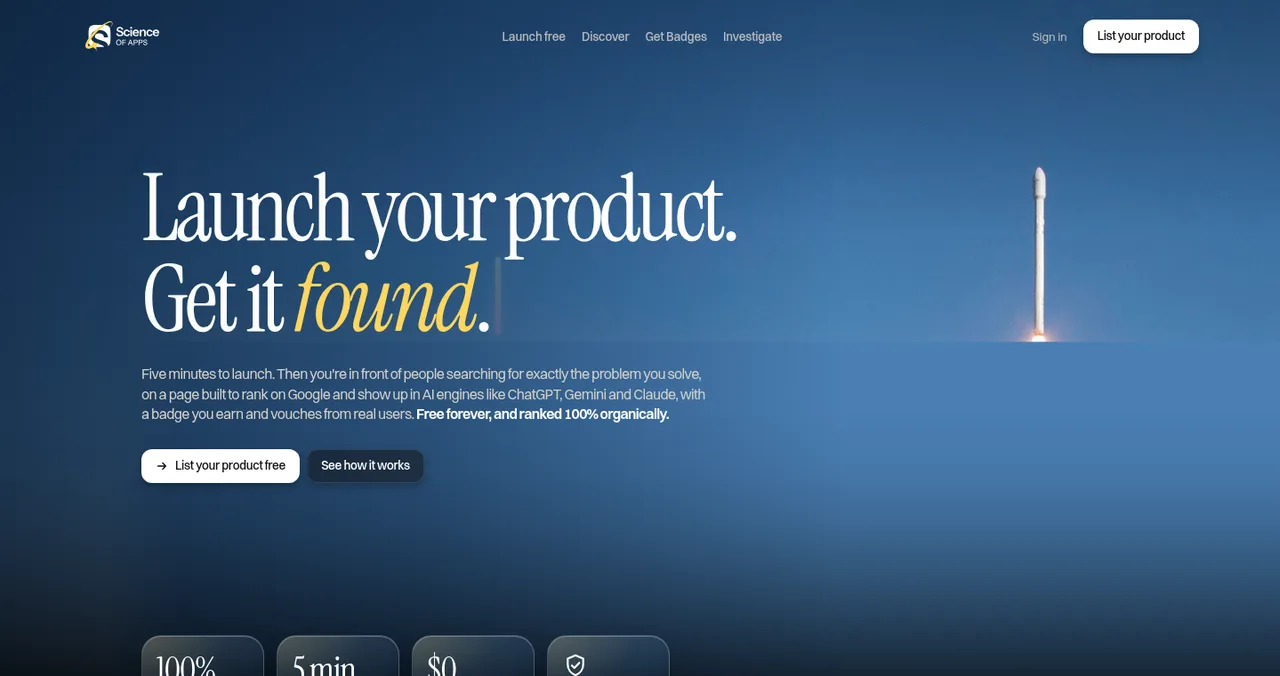
Science of Apps Launchpad Most structured
A structured product review with evidence and verdicts
Free listingBaseline diagnosis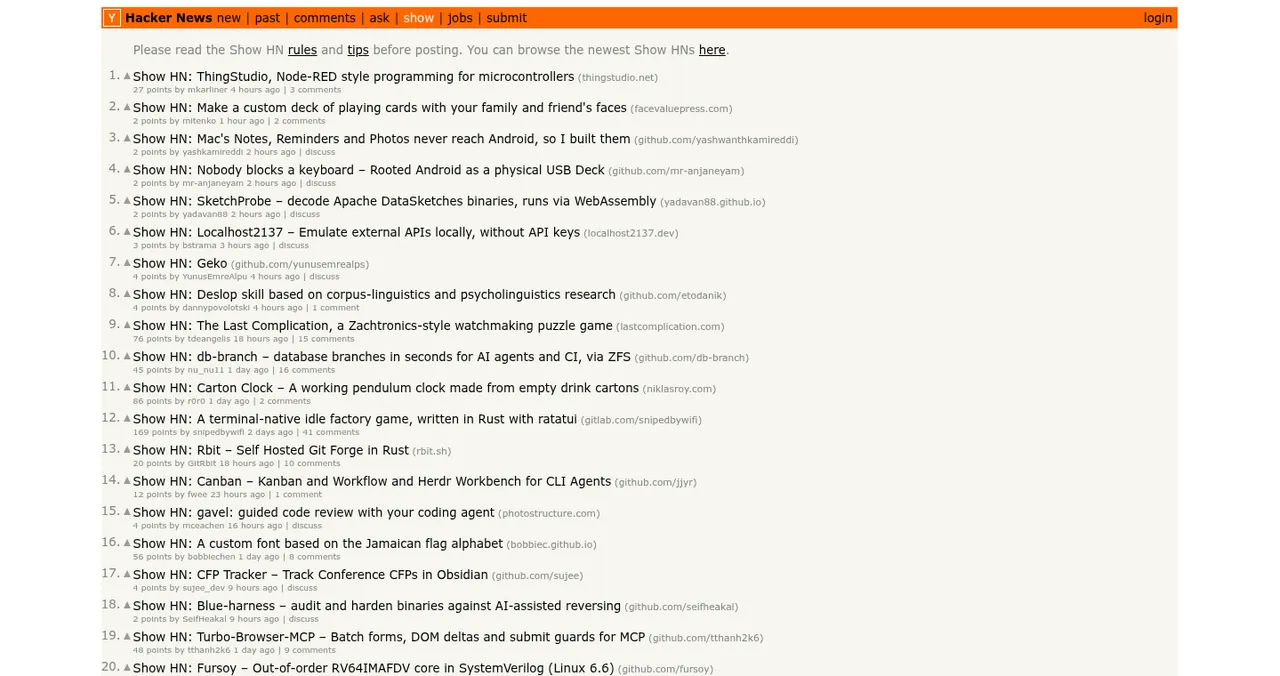
Hacker News (Show HN)
Blunt technical feedback on something people can try
FreeNo landing pages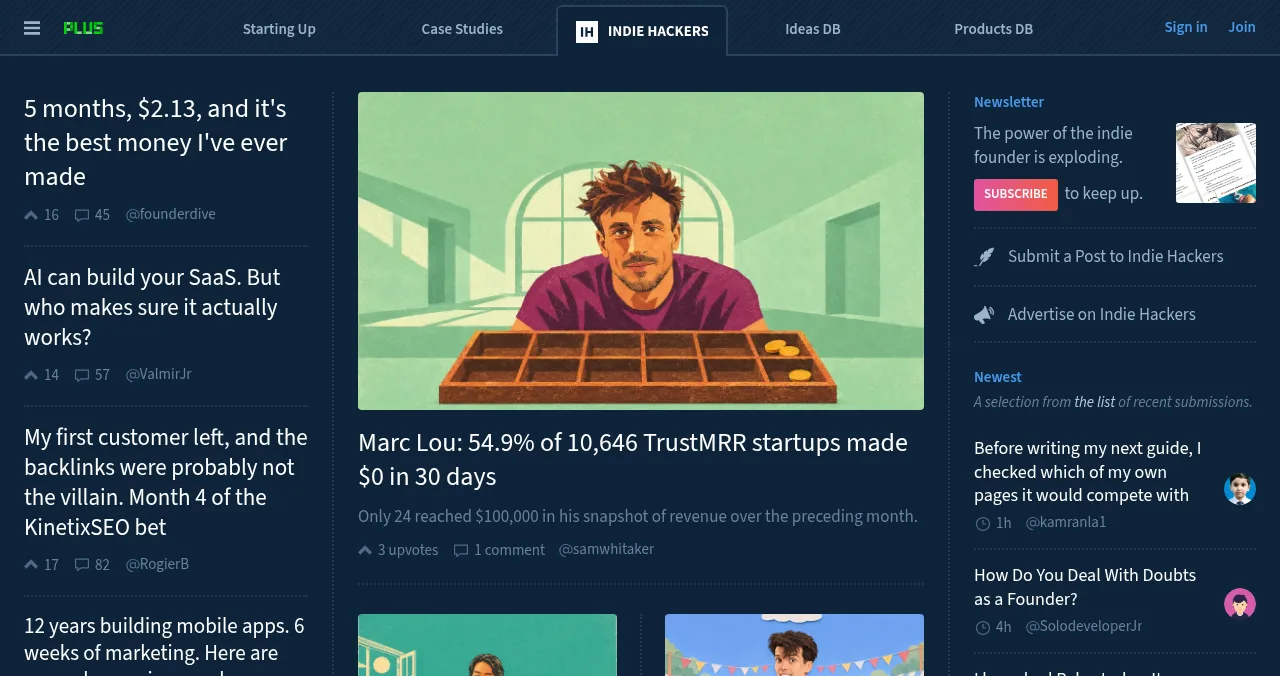
Indie Hackers
Founder-to-founder feedback on product and business
FreeCommunity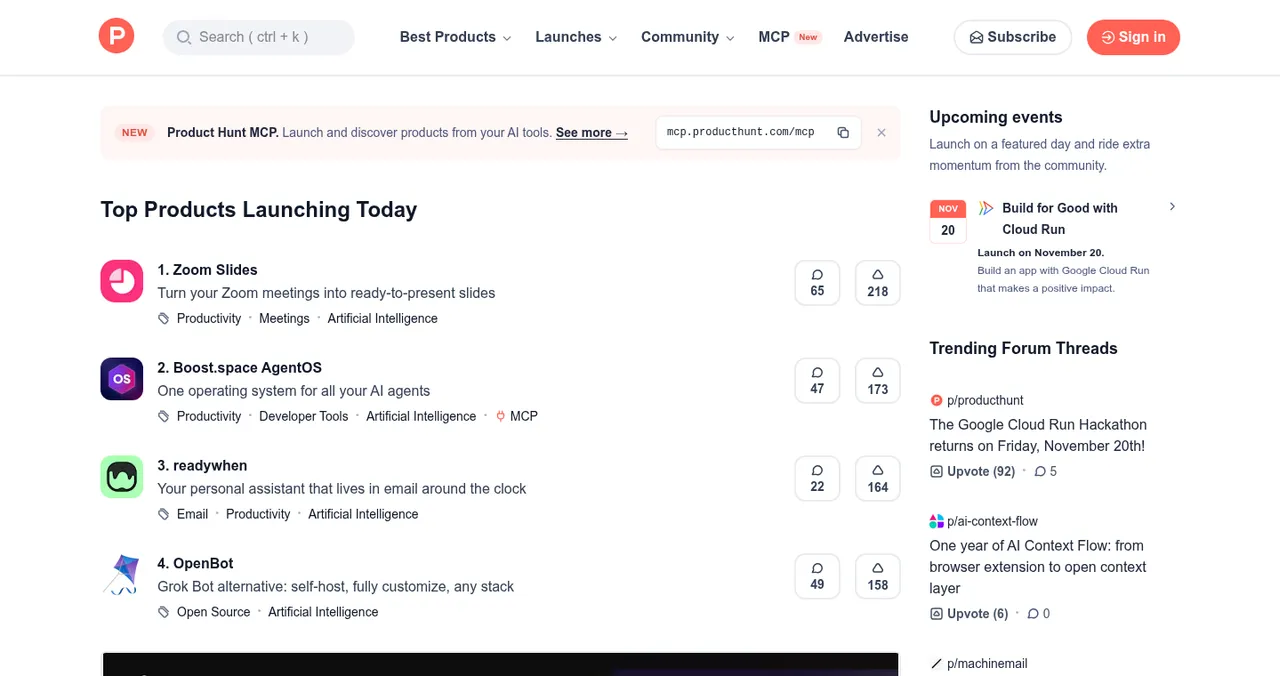
Product Hunt
Launch-day reactions and lasting reviews
Free to launchBig audience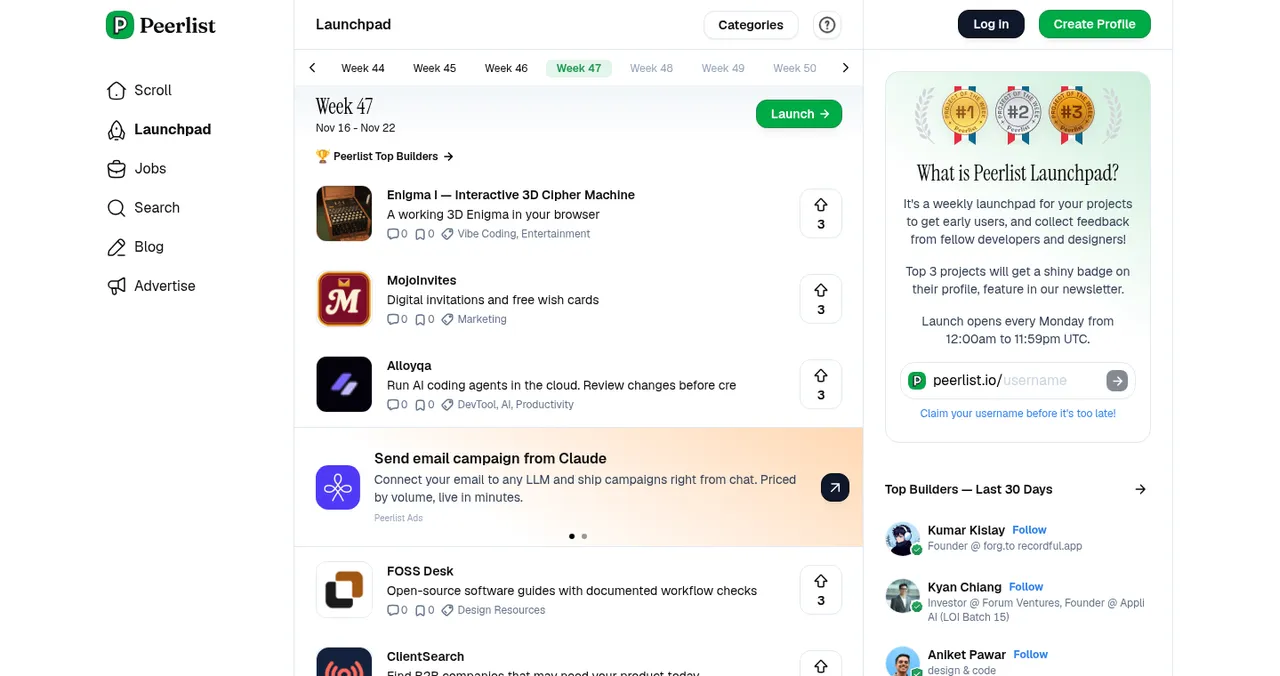
Peerlist Launchpad
Feedback from fellow builders in a weekly launch
FreeBuilders
Where can I get my startup reviewed? Compared
| Source | Type of review | Best for | Catch |
|---|---|---|---|
| Science of Apps Launchpad | Structured: evidence and verdicts | A priority order of fixes | Full reports are paid; the baseline is free |
| Show HN | Public comments | Technical products people can try | Must be usable; can be harsh |
| Indie Hackers | Founder comments | Business model, pricing, positioning | Feedback from founders, not always buyers |
| Product Hunt | Comments and reviews | Consumer and tech audiences | Launch-day noise |
| Peerlist Launchpad | Builder comments and upvotes | Developer and design tools | Builder audience |
| Five target users | Watching behaviour | Whether the product works | You have to recruit them |
Table: Free places to get a startup review (Science of Apps editorial comparison, checked 18 Nov 2026)
1. Science of Apps Launchpad: a structured product review
- Cost
- Free to list, forever; reports optional
- Review
- Baseline diagnosis as you go live; full investigation of 22 areas
- Evidence
- Every finding pinned to a screen or a measurement
- Ranking
- Relevance, editorial picks, community interest; never payment
- Catch
- The detailed reports are paid
The Launchpad is a free, permanent place to list a startup, SaaS, mobile app, AI product, developer tool, browser extension, game or open-source project. Listings are checked automatically and reviewed by a person, usually within a day. As you go live, a free baseline diagnosis checks your landing page, discoverability and speed. The full product investigation is a structured startup review: it tests the product end to end and hands you a detailed report.
- Areas reviewed, first visit to renewal
- 22
- Automatic measurements, desktop and mobile
- 39
- Expert checks behind the login
- 74
- Verdicts, from Good to Critical
- 5
- Cost: free to list; Economy and Premium reports are optional.
- When: any time after you have a public page.
- Ranking: organic; reports are private and never affect ranking.
Best for: founders who want a priority order, not just opinions.
2. Hacker News (Show HN): blunt feedback on something people can try
- Cost
- Free
- Rule
- "Something you've made that other people can play with"
- Off topic
- Sign-up pages, newsletters, blog posts, landing pages
- Tone
- Guidelines ask commenters to be respectful
Show HN gets you some of the most direct startup feedback on the internet, mostly from engineers. The guidelines are strict: the project must be your own, non-trivial and ready for people to try, and you should be around to answer questions. Our Show HN guide covers timing and the post itself.
Best for: developer tools, open source and technical products.
3. Indie Hackers: founder-to-founder feedback
Indie Hackers is a community of founders who share revenue, strategy and lessons in public. Ask a specific question ("Is our pricing page clear?") with a link and context, and you'll get thoughtful replies from people who've faced the same problem. Our Indie Hackers guide has more.
Best for: business model, pricing and positioning feedback.
4. Product Hunt: launch-day reactions
A Product Hunt launch brings comments from a large tech audience on one day, and reviews keep arriving on your product page afterwards. Expect a mix of real feedback and launch-day politeness. Our Product Hunt launch guide covers preparation.
Best for: consumer and productivity products ready for a public moment.
5. Peerlist Launchpad: feedback from fellow builders
Peerlist is a professional network for builders, and its Launchpad runs weekly project launches. The audience is developers and designers, so feedback leans towards craft: interface, performance and developer experience.
Best for: developer tools, design tools and side projects.
The most honest reviewers: five target users
Communities tell you how strangers react. Users tell you whether the product works. Nielsen Norman Group's research found that testing with five users uncovers most usability problems. Find five people who match your customer, give them the main task, and watch without helping.

- Recruit five people from your target audience, not friends.
- Give one task, such as "Sign up and create your first report."
- Ask them to think aloud and stay quiet yourself.
- Note where they stop, hesitate or ask a question.
- Fix the problem three or more people hit, then test again.
How to ask for startup feedback people will actually give
Vague questions get vague answers. "What do you think?" invites "Looks great!". Ask about one thing at a time.
| Instead of | Ask |
|---|---|
| What do you think? | What do you think this product does, after five seconds? |
| Would you use this? | When did you last have this problem? What did you do? |
| Any feedback? | Where did you get stuck signing up? |
| Is the price OK? | What would you compare this price with? |
Table: Questions that produce honest startup feedback
Say clearly that you want problems found. Thank every critic. Never argue in public threads; ask a follow-up question instead.
Which startup review should you get first?
| Your stage | Start with | Then |
|---|---|---|
| Idea, nothing built | Feedback on the idea and problem interviews | A landing page |
| Landing page, no product | Indie Hackers; the Launchpad baseline | Five users on the page |
| Working product, few users | Five users; Show HN if technical | The Launchpad investigation |
| Launched, growth stalled | The Launchpad investigation | Product Hunt relaunch |
Table: Which startup review fits your stage
From review to action plan
List free, then order the report that fits your stage.

 Economy
See what new customers see
- Store listing and homepage, screen by screen
- Scorecard against 60 Laws of UX
- The fixes worth most
PremiumThe full diagnosis and the plan
- Every screen, every finding, every flow
- All 60 laws with evidence and fixes
- 8 strategy chapters and a 90-day roadmap
Fact-checked against the evidence. Private by default.
A two-week review plan
- Day 1
Structured baseline
List on the Launchpad; read the baseline diagnosis.
- Days 2–5
Five users
Recruit and watch five target users.
- Day 6
Fix
Fix the problems three or more users hit.
- Day 8
Community
Post a specific question on Indie Hackers.
- Day 10
Public launch
Show HN (if people can try it) or Product Hunt.
- Day 14
Review the reviews
Group feedback by theme; decide what to change.
Mistakes when asking for a startup review

- Asking friends and family — they protect your feelings, not your startup
- Posting a landing page on Show HN — it's off topic; wait until people can try it
- Asking "what do you think?" — ask one specific question
- Defending in the comments — ask a follow-up instead
- Collecting opinions, not behaviour — watch users; don't just survey them
- Asking friends to upvote — Hacker News' rules forbid it
Ready for an honest review?
How we chose
We picked free places where founders get feedback from strangers, and ranked the structured option first because it reviews the whole product against criteria. Show HN rules come from Hacker News' guidelines; the user-testing finding from Nielsen Norman Group; Launchpad facts from launchpad.scienceofapps.com and /investigate. All were read on 18 November 2026. Science of Apps runs the Launchpad.
Key terms, defined
- Startup review: an outside, honest assessment of a startup's product, positioning and traction.
- Startup feedback: specific reactions to a part of a startup, such as the landing page, pricing or onboarding.
- Show HN: the Hacker News section for things people have made that others can try.
- Usability test: watching target users try a task in your product while they think aloud.
- Structured review: a review against defined criteria, with evidence and severity for each finding.
Frequently asked questions
Where can I get my startup reviewed?
Free options include a structured product review on the Science of Apps Launchpad (a baseline diagnosis runs as you list), Show HN on Hacker News for products people can try, Indie Hackers for founder feedback, Product Hunt and Peerlist for launch-day reactions, and five target users trying the product while you watch. Paid options include consultants and UX audit agencies.
What is a startup review?
A startup review is an outside assessment of how well a startup works: whether the value is clear, whether the product does the job, whether pricing makes sense and whether there's evidence of demand. It can come from experts, peers, investors or users. The most useful reviews are specific, honest and end with what to fix first.
How do I get honest startup feedback?
Ask strangers in your target audience rather than friends, ask about specific things rather than 'what do you think?', and watch behaviour rather than collecting compliments. Make it safe to criticise by saying you want problems found. Public communities such as Show HN and Indie Hackers are honest by default; read their rules first.
Is 'startup review' about the K-drama Start-Up?
Not here. 'Start-Up' is also the name of a 2020 South Korean TV drama, and many searches for 'startup review' are about the show. This guide is for founders who want their own startup reviewed: where to get honest feedback on a product, pitch or landing page, and how to act on it.
Can I post a landing page on Show HN for feedback?
No. Hacker News' Show HN guidelines say it's for something you've made that other people can play with, and list sign-up pages, newsletters and reading material as off topic. They also say not to post landing pages or fundraisers. Post when people can try the product, and be available to answer comments.
How is a startup review different from a startup audit?
A review can be an opinion: one person's honest reaction. An audit is structured: it checks defined areas against criteria, records evidence and gives each finding a severity. You want both. Reviews tell you how people react; an audit tells you what's causing it and what to fix first.
Sources
- Hacker News — Show HN guidelines (checked 18 Nov 2026)
- Science of Apps — Product investigation (checked 18 Nov 2026)
- Science of Apps — Launchpad homepage (checked 18 Nov 2026)
- Indie Hackers — Homepage (checked 18 Nov 2026)
- Product Hunt — Homepage (checked 18 Nov 2026)
- Peerlist — Launchpad (checked 18 Nov 2026)
- Nielsen Norman Group — Why You Only Need to Test with 5 Users (checked 18 Nov 2026)
- Checked November 18, 2026. Figures that change — fees, salaries, prices — are reviewed every six months; if something is out of date, tell us.
Where to go from here
- Roast my startup — brutal, public feedback
- Get feedback on a startup idea — before you build
- Startup audit — the structured version
- Science of Apps - LaunchpadHow to get honest feedback on your startup idea: 10 places that work, and the questions that get useful answersHow to get honest feedback on a startup idea in 2027: customer interviews, r/roastmystartup, Indie Hackers, Peerlist, Show HN and the questions to ask.
- Science of Apps - LaunchpadRoast my startup: the best places to get brutally honest feedback, and how to post so the roast is usefulWhere to get your startup roasted in 2027: r/roastmystartup, Show HN, Indie Hackers, Microlaunch and an evidence-based product test, and how to post.
- Science of Apps - LaunchpadHow to use Indie Hackers to launch and grow: what the community rewards, what to post, and how it fits with Product Hunt and Show HNHow to use Indie Hackers to launch: what the founder community rewards, posts that work, mistakes that get ignored, and where it fits with other launches.
- Science of Apps - LaunchpadProduct Hunt vs Indie Hackers vs Hacker News: three very different communities, what each rewards, and where your startup should go firstProduct Hunt vs Indie Hackers vs Hacker News: a launch day, a founder community and a Show HN thread compared, with the rules and which to use first.
- Science of Apps - LaunchpadHow to launch a side project: where to post it (Show HN, Product Hunt, Indie Hackers, a permanent listing), how to launch on limited hours, and the signals it could be a startupHow to launch a side project on limited hours: where to post it (Show HN, Product Hunt, Indie Hackers, a listing) and signs it could be a startup.
- Science of Apps - LaunchpadWhere to launch a product built with no-code: platform showcases (Made in Webflow, Bubble's showcase), launch sites, founder communities and a permanent listingWhere to launch a product built with no-code: Made in Webflow, Bubble's showcase, Product Hunt, Indie Hackers and a free permanent listing.




Get the ideas, not the noise.
Sign up with Google and we’ll send you short UX psychology tips by email — why people tap, stall and leave, and what to do about it. Unsubscribe anytime. Prefer something to keep? Get the free Laws of UX guide as a PDF.
Launch day ends. Your listing shouldn't.
List free on the Science of Apps Launchpad: a baseline diagnosis of your landing page, discoverability and speed runs as you go live, and the product investigation reviews your whole product with evidence.