 By
Quick answer: How does a founder's personal brand help a startup?
- People trust people: early on, a founder's voice reaches further than a new brand.
- Be specific: first-hand lessons and numbers beat generic motivation.
- Link the entities: founder profiles ↔ company site ↔ product listings, with the same names everywhere.
- Use real bylines: Google strongly encourages accurate authorship and treats fabricated profiles as deception.
- Pick one home platform (often LinkedIn) and one long-form home (your site).
Key takeaways
- A founder brand is a trust shortcut, not a vanity project.
- Consistency across profiles is what lets search engines join the dots.
- Expertise shows in specifics: what you tried, what failed, what you'd do now.
- The product must deliver on the trust the founder earns.
- Plan for the company to outgrow the founder's voice.
Before anyone trusts your startup, they decide whether to trust you. Investors back founders, early customers buy from people they've heard of, journalists quote people, and the best early hires join someone. Founder personal branding is how you make that decision easy for strangers, at scale. Done well, it also does a quieter job: it ties you and your product together as connected entities that search engines and AI assistants can recognise. This playbook covers what a founder brand is for, what to post, how to build a founder brand on LinkedIn, how to link the founder and product entities properly, and a 60-day plan. Google's guidance was checked on its own pages on 17–18 November 2026. Jump to the entity links, what to post or the 60-day plan.
- Home platform to start with
- 1
- Post types that build trust
- 3
- Entities to connect: founder and product
- 2
- Days to find your topic and format
- 60
How does a founder's personal brand help a startup?
It lends the company trust it hasn't earned yet. A founder who shares specific, first-hand knowledge gets reach, credibility and introductions that a three-month-old brand page can't. Here is where that shows up.
| Who | What a founder brand gives them | What it gives the startup |
|---|---|---|
| Early customers | A person to trust before the product has reviews | Faster first sales and feedback |
| Investors | Evidence of thinking, conviction and audience | Warmer intros, better conversations |
| Hires | A reason to join a small, unknown company | Better early team |
| Journalists and podcasters | A quotable expert | Earned coverage |
| Search engines and AI | A real, linked author behind the content | Clearer entity connections and trust signals |
Table: What a founder personal brand does for a startup, by audience (Science of Apps editorial framework)
What Google says about authors and trust
Google's helpful content guidance asks three questions of any content: who made it, how, and why. On "who", it strongly encourages accurate authorship information, such as bylines, where readers would expect it, and it treats fabricated creator profiles as deception. It also asks whether content clearly demonstrates first-hand expertise, and it names trust as the most important part of E-E-A-T.
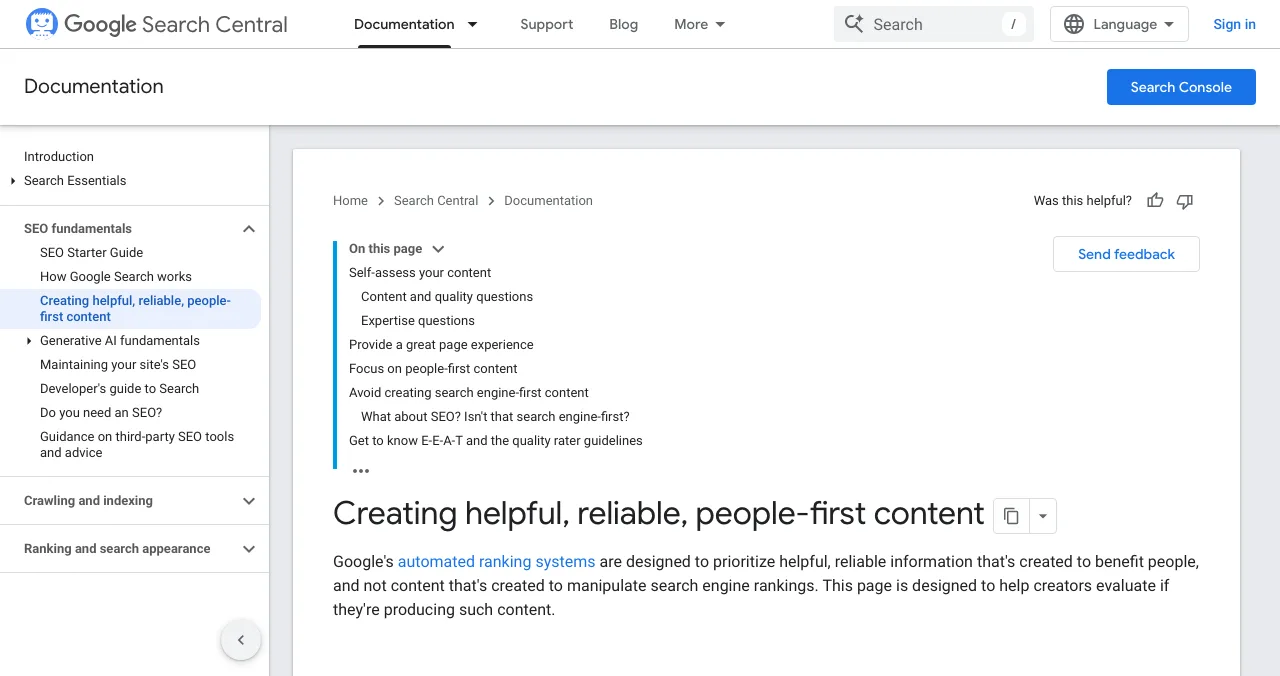
For a founder, that's a direct brief: put your real name on what you write, link it to a profile that shows who you are, and write from experience. A ghostwritten persona with an invented bio is exactly what Google calls deception.
How to link the founder and product entities
Search engines understand the web as entities (people, companies, products) and the links between them. A founder brand helps the startup most when those links are explicit and consistent.

- One name, everywhere. The same spelling of your name, the same company name and the same one-line description on your site, LinkedIn, X, GitHub, Crunchbase and product listings.
- A founder page on your site. An "about" or team page with your photo, role, a short bio and links to your profiles. This is the page your bylines link to.
- Bylines that link. Every post you write on the company blog carries your name, linked to that page.
- Organization markup with a founder. Schema.org's founder property, used on Organization, names the person who founded it. Add it to your Organization structured data along with sameAs links to the company's official profiles (entity SEO).
- Person or ProfilePage markup. Google's ProfilePage documentation describes mainEntity as the Person or Organization the page is about and recommends sameAs for that entity's other profiles. Use it on your founder page.
- Links back. Your LinkedIn profile links to the company page and website; the company page lists you; your product listings name you as founder.
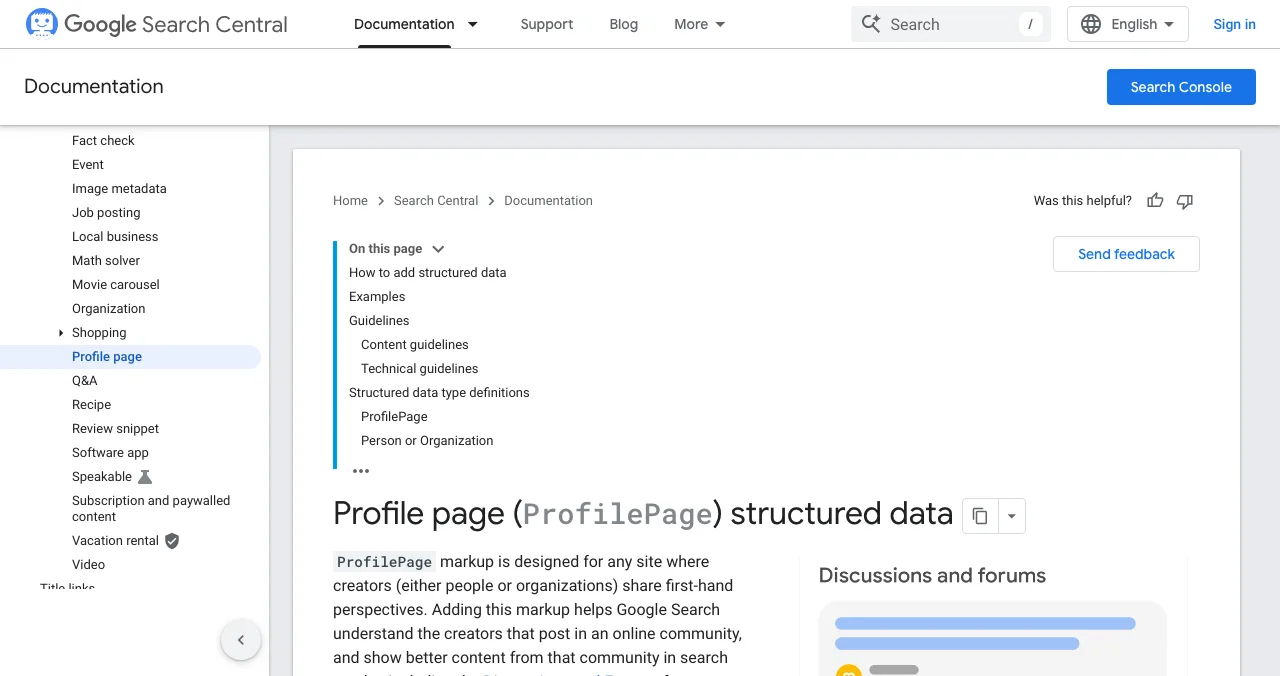
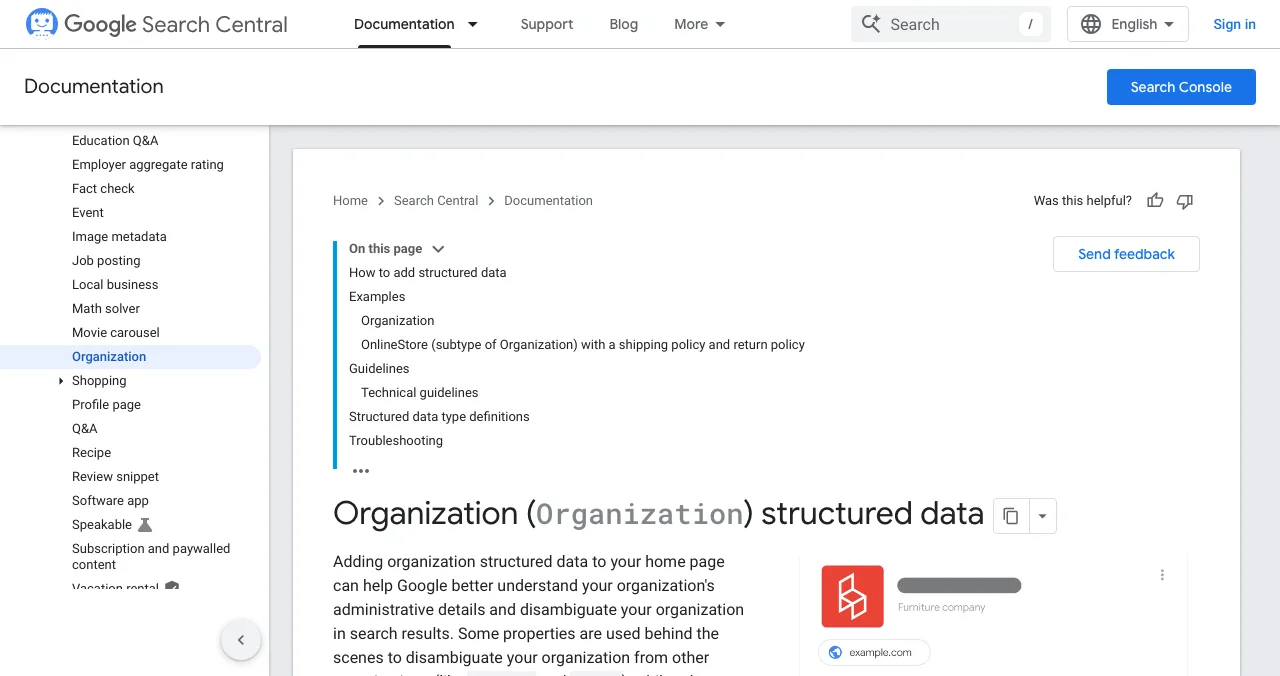
Keep expectations honest: markup makes the relationship machine-readable; it doesn't create authority you haven't earned. The work that earns it is in the next section.
Building a founder brand on LinkedIn
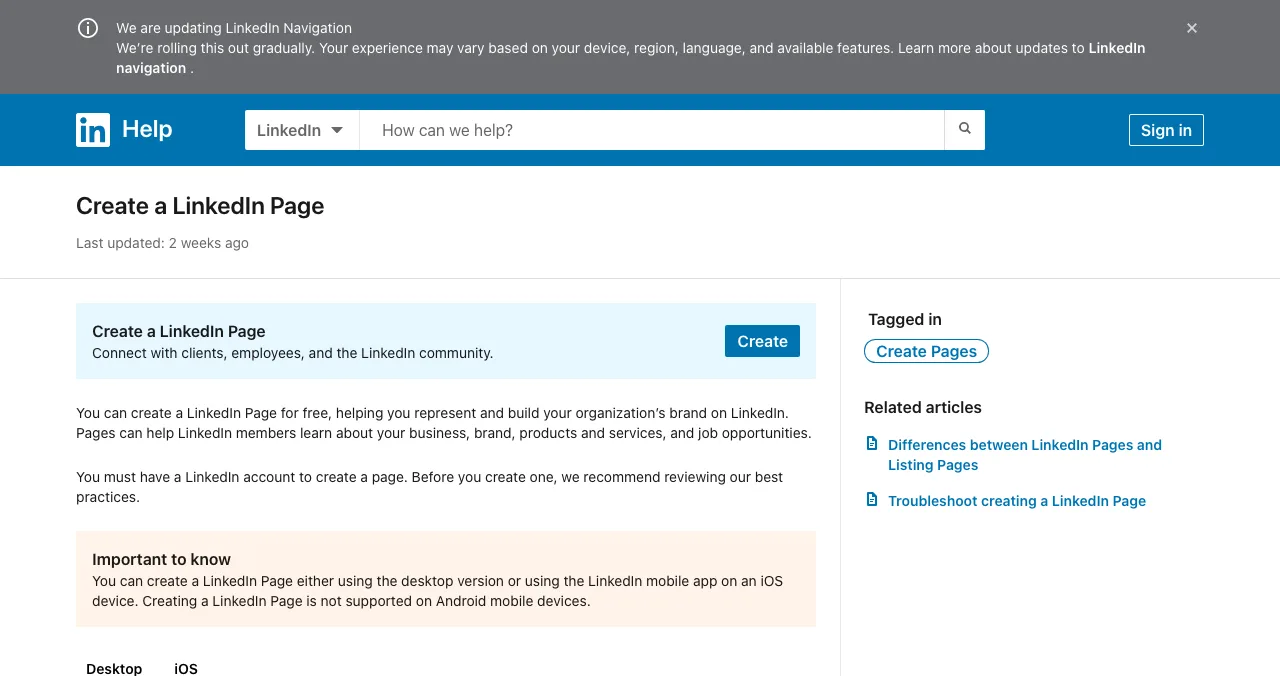
For most B2B founders, LinkedIn is the home platform. Pew Research Center's 2026 survey found 31% of US adults use it, a smaller share than YouTube or Facebook, but a concentrated professional audience.
- Company Page
- Free; needs a personal LinkedIn account
- Founder profile
- Headline, about, featured links, experience linked to the Page
- Cadence
- Three to five posts a week, plus daily comments
- Works
- Specific lessons, customer problems, proof
- Catch
- Generic motivation posts build followers, not trust
- Headline: who you help and how, not a list of titles. "Helping small clinics stop losing appointments · Founder, [Product]".
- About: the problem you saw, what you built, who it's for, one line on your background, and a link.
- Featured: your product's site, its permanent listing and your best post.
- Experience: your founder role, linked to the company Page, so the two entities connect inside LinkedIn too.
Developer founders often make X, GitHub or Hacker News their home instead; the same principles apply. Templates for the big day are in announce a launch on LinkedIn and X.
What should a founder post?

Lessons from building
Decisions, mistakes and what changed your mind, with specifics. "We cut onboarding from 7 steps to 3; activation went up" beats "simplicity wins".
The customer's problem
What you see in your market that others miss. This is where expertise shows.
Proof
Milestones, results, customer words (with permission), badges and vouches. The posts that turn followers into users.
Rotate the three. Write from experience; if a post could have been written by anyone, it builds nothing. Building in public is one strong format for the lessons pillar; see the build in public guide.
The Launchpad: the founder behind the product

When you create a Launchpad listing, the first step covers your product's name, story, details, media and links, and the founder behind it. That puts you and the product on the same permanent, moderated page, which you can link from your LinkedIn Featured section and your founder page, and which links back to your site. A Verified badge (a work email on your domain) confirms the listing is run by the product's real owner, a small but useful trust signal when you share it.
It's free to list, forever, in six short steps, ranked by relevance, editorial picks and community interest, never payment. Once live, your product is tested end to end, starting with a free baseline diagnosis of your landing page, discoverability and speed. A founder brand sends people to the product; the report shows whether the product keeps the promise.
- Areas examined
- 22
- Automatic measurements, desktop and mobile
- 39
- Expert heuristics
- 74
- Verdicts, analyst-reviewed
- 5
Make sure the product keeps your promise
List free, then order the report that fits your stage.

 Economy
See what new customers see
- Store listing and homepage, screen by screen
- Scorecard against 60 Laws of UX
- The fixes worth most
PremiumThe full diagnosis and the plan
- Every screen, every finding, every flow
- All 60 laws with evidence and fixes
- 8 strategy chapters and a 90-day roadmap
Fact-checked against the evidence. Private by default. Never affects ranking.
Which platform should a founder build on?
| Founder of | Home platform | Long-form home | Occasional |
|---|---|---|---|
| B2B SaaS | Company blog with your byline | Podcasts, guest posts | |
| Developer tool | X or GitHub | Docs and technical blog | Show HN, conference talks |
| Consumer app | Instagram, TikTok or YouTube | YouTube or blog | Press, creator collaborations |
| AI product | LinkedIn or X | Blog with evaluations and limits | Demos, podcasts |
| Indie or bootstrapped product | X or Indie Hackers | Build-in-public blog | Show HN, newsletters |
Table: Where founders typically build their personal brand, by product type (Science of Apps editorial framework)
A 60-day founder branding plan
- Week 1
Foundations
One name everywhere; headline and about rewritten; founder page on your site; Launchpad listing with you as founder.
- Week 2
Markup
Organization markup with founder and sameAs; ProfilePage markup on your founder page; bylines linked.
- Week 3–4
Find your topic
Post three times a week across the three pillars; comment daily; note what gets replies.
- Week 5–6
Proof
Share a milestone, a customer story (with permission), a badge or vouch.
- Week 7–8
Long form
One byline article on your site from your best-performing post; pitch one podcast or newsletter.
- Day 60
Review
Inbound messages, intros and sign-ups from your posts. Keep the topic; refine the format.
Mistakes

- Generic content — motivation and quotes show no first-hand expertise
- A ghostwritten persona — Google treats fabricated creator profiles as deception
- Inconsistent names and links — search engines can't connect what doesn't match
- No link to the product — the brand grows, the startup doesn't
- Every platform at once — pick one home first
- Over-promising — the product has to deliver the trust you earn; check it does
- Making the company the founder — bring other voices in as you grow
Trust built on a consistent presence is a form of social proof: people look for signals that others already trust you. Make sure the signals are real.
Ready to launch?
How we know
Google's guidance on authorship, first-hand expertise and fabricated profiles comes from its helpful content page; markup details from its ProfilePage and Organization documentation and from Schema.org's founder property; LinkedIn Page rules from LinkedIn Help; usage figures from Pew Research Center's 2026 fact sheet. All were read on 17–18 November 2026. The Launchpad listing steps come from its homepage the same day. The tables and plan are Science of Apps' editorial framework. Science of Apps runs the Launchpad.
Key terms, defined
- Founder personal branding: a founder deliberately building a public reputation for specific expertise, to the benefit of their startup.
- Founder-led marketing: marketing where the founder's own voice and network are the main channel.
- Entity: a distinct thing, such as a person, company or product, that search engines recognise and connect.
- Byline: the author's name on a piece of content, ideally linked to a profile.
- sameAs: a structured-data property listing other profiles that describe the same person or organisation.
- E-E-A-T: experience, expertise, authoritativeness and trust; Google says trust matters most.
Frequently asked questions
How does a founder's personal brand help a startup?
It borrows trust. Buyers, investors, journalists and early hires are more willing to try a young company when they already know and believe the person behind it. A founder who shares specific, first-hand knowledge also earns reach the company page can't yet get, and consistent founder profiles linked to the company help search engines and AI systems connect the person to the product.
How do I build a founder brand on LinkedIn?
Write a headline that says who you help and how, link your company page and product, and post three to five times a week about one topic you know first-hand. Share specific lessons, numbers you're comfortable publishing, customer problems you've solved and behind-the-scenes decisions. Reply to comments, and comment thoughtfully on posts by people your buyers follow.
What should a startup founder post about?
Three things: lessons from building (decisions, mistakes, what changed your mind), the problem your customers have (what you see that others miss), and proof (results, milestones, customer quotes with permission). Avoid generic motivation and reposted quotes; nothing in them shows first-hand experience.
Does a founder's personal brand help SEO?
Indirectly. Google's helpful content guidance asks who created content and strongly encourages accurate bylines, so real, linked authors support trust. Structured data can make the connection explicit: Organization markup can name a founder, and Person or ProfilePage markup can list the founder's other profiles in sameAs. None of it is a ranking switch; it makes the relationship clear.
Should a founder use their personal account or the company page?
Both, with the founder leading early. A new company page has few followers, while a founder's network already exists. Use the company page as the official record (what the product is, jobs, announcements) and the founder account for perspective and conversation. Link the two in both directions.
What are the risks of founder personal branding?
The company can become too dependent on one person, the founder's opinions become the company's, and time spent posting can crowd out building. Reduce the risk by keeping posts close to your expertise, building the company's own channels alongside, and bringing other team members' voices in as the company grows.
How long does it take to build a founder personal brand?
Expect months of consistent posting before it pays off, though useful conversations can start in the first few weeks. Treat the first 60 days as finding your topic and format; judge it by inbound messages, introductions and sign-ups, not follower counts.
Sources
- Google Search Central — Creating helpful, reliable, people-first content (checked 18 Nov 2026)
- Google Search Central — Profile page (ProfilePage) structured data (checked 18 Nov 2026)
- Google Search Central — Organization structured data (checked 17 Nov 2026)
- Schema.org — founder property (checked 18 Nov 2026)
- LinkedIn Help — Create a LinkedIn Page (checked 18 Nov 2026)
- Pew Research Center — Americans' Use of Social Media in 2026, 19 Oct 2026 (checked 18 Nov 2026)
- Science of Apps — Launchpad homepage: listing steps including the founder behind the product (checked 18 Nov 2026)
- Checked November 18, 2026. Figures that change — fees, salaries, prices — are reviewed every six months; if something is out of date, tell us.
Where to go from here
- Announce a launch on LinkedIn and X — templates for the big day
- Build in public — the weekly update habit
- Entity SEO for startups — the company side of the entity
- Science of Apps - LaunchpadHow to market a SaaS in 2027: positioning, being found by buyers, content that gets cited, launches and a product that convertsHow to market a SaaS in 2027: sharp positioning, alternatives directories, search and AI visibility, launches, founder-led sales and a trial that converts.
- Science of Apps - LaunchpadGenerative engine optimization for startups: what the research shows, and a plan to get cited by AI answersGEO for startups in 2027: what the original GEO research found, how to get cited by ChatGPT, Perplexity, Claude and Google AI, and a 30-day plan.
- Science of Apps - LaunchpadContent marketing for startups that ranks on Google and gets cited in AI search: what to publish first, what Google says works in its AI features, a 90-day plan and how to measure itContent marketing for startups that ranks on Google and gets cited in AI answers: what to publish first, what Google says works, a 90-day plan, how to measure.
- Science of Apps - LaunchpadHow to get organic visibility for your startup on Google and in AI search, without paying for adsHow to get organic visibility for your startup in 2027: get indexed, let AI search crawlers in, build profiles and citations, and write pages engines quote.
- Science of Apps - LaunchpadHow to launch an AI product: prove the outputs, describe the task not the model, pick free and paid launch sites, and make sure AI search can find youHow to launch an AI product in 2027: show real outputs, describe the task, launch on Product Hunt and AI directories, and get found by AI search engines.
- Science of Apps - LaunchpadFree tools for startups to launch with: the $0 stack by stage (validate, collect interest, launch, get found, measure, prove trust) with each free tier checkedFree tools for startups to launch with, by stage: Tally, LaunchList, Product Hunt, Launchpad, Search Console, Clarity, PageSpeed and WAVE.
Get the ideas, not the noise.
Sign up with Google and we’ll send you short UX psychology tips by email — why people tap, stall and leave, and what to do about it. Unsubscribe anytime. Prefer something to keep? Get the free Laws of UX guide as a PDF.
Launch day ends. Your listing shouldn't.
A Launchpad profile shows the founder behind the product on a permanent page you can link from your own profiles, and your product is tested end to end with a detailed report.