 By
Quick answer: Where can I launch healthtech startups for free?
- Science of Apps Launchpad: free forever; a listing plus a test of trust and privacy signals, sign-up, onboarding and accessibility.
- NHS Innovation Service: free advice, a free needs review and one record of your innovation, from start-up to enterprise.
- MHRA AI Airlock: the UK's regulatory sandbox for AI medical devices; no fee; Phase 3 is accepting applications.
- ORCHA: assessed digital health app libraries; nobody can pay to be listed without an assessment.
- Product Hunt: a free launch day for consumer health and wellness apps people can try now.
Key takeaways
- Health buyers (clinicians, health systems, insurers) need evidence and assurance before they look at features.
- Public health systems run free front doors for innovators: in England, the NHS Innovation Service is the place to start.
- Regulators run sandboxes too: MHRA's AI Airlock has no application or participation fee, but you fund your own testing.
- Apple reviews medical apps with greater scrutiny and restricts how health data can be used; plan for it before launch.
- Privacy, security and clear claims are the trust signals that decide whether a patient signs up.
Nobody tries a health product the way they try a to-do app. A patient wonders who will see their data. A clinician wants evidence. A health system wants assurance, procurement paperwork and someone to call. That's why the best places to launch a healthtech startup are rarely launch sites: they're the innovation services, regulator sandboxes and assessed app libraries that buyers already trust, plus one permanent page of your own that answers the trust questions up front. We read every organisation's own pages on 18 November 2026, so the routes and rules below are current and sourced. Jump to the comparison table, which route to take first or the healthtech launch plan.
Where to launch a healthtech startup for free
 Launch free
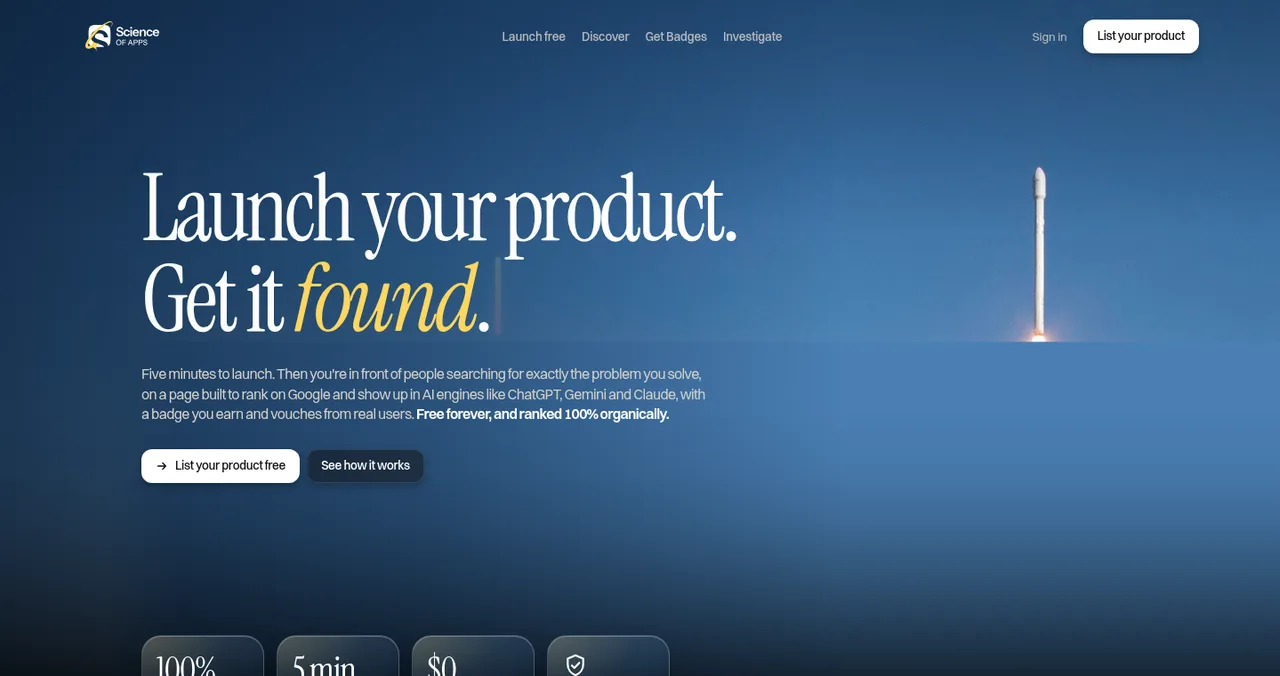
Science of Apps Launchpad Top pick
A permanent listing, plus your trust, privacy, sign-up and onboarding tested.
Free foreverDetailed report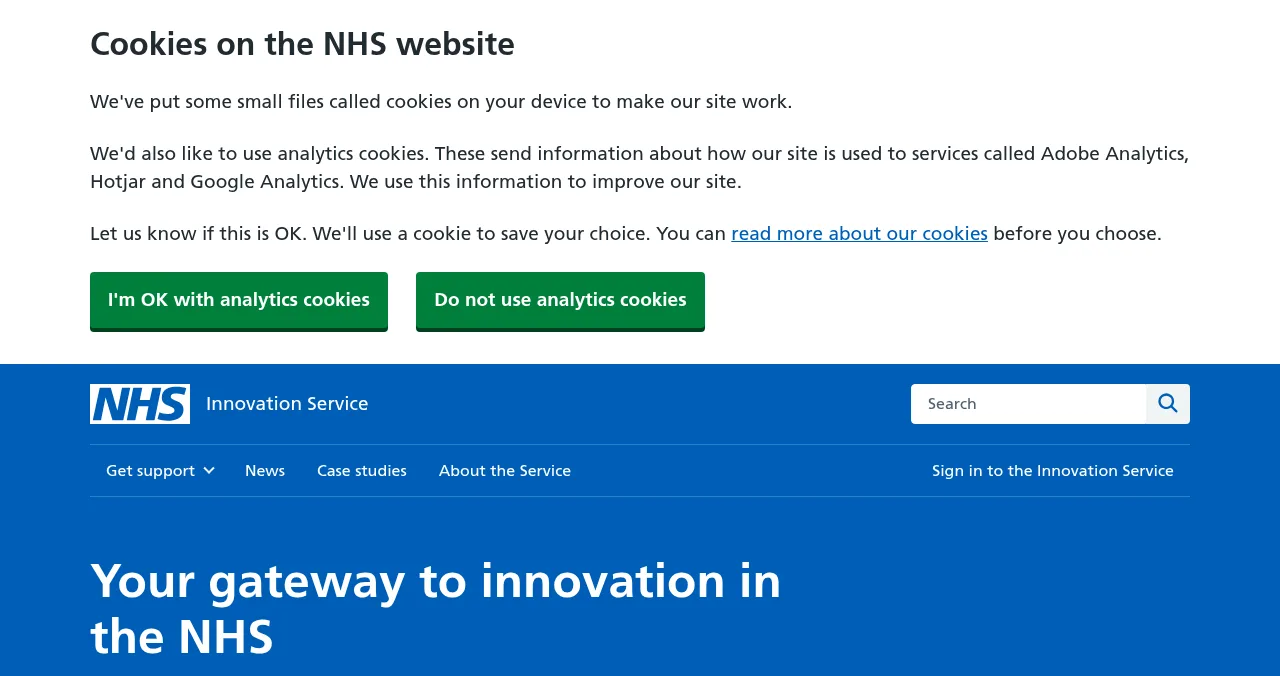
NHS Innovation Service
The front door for bringing a product into the NHS in England.
Free adviceFree needs review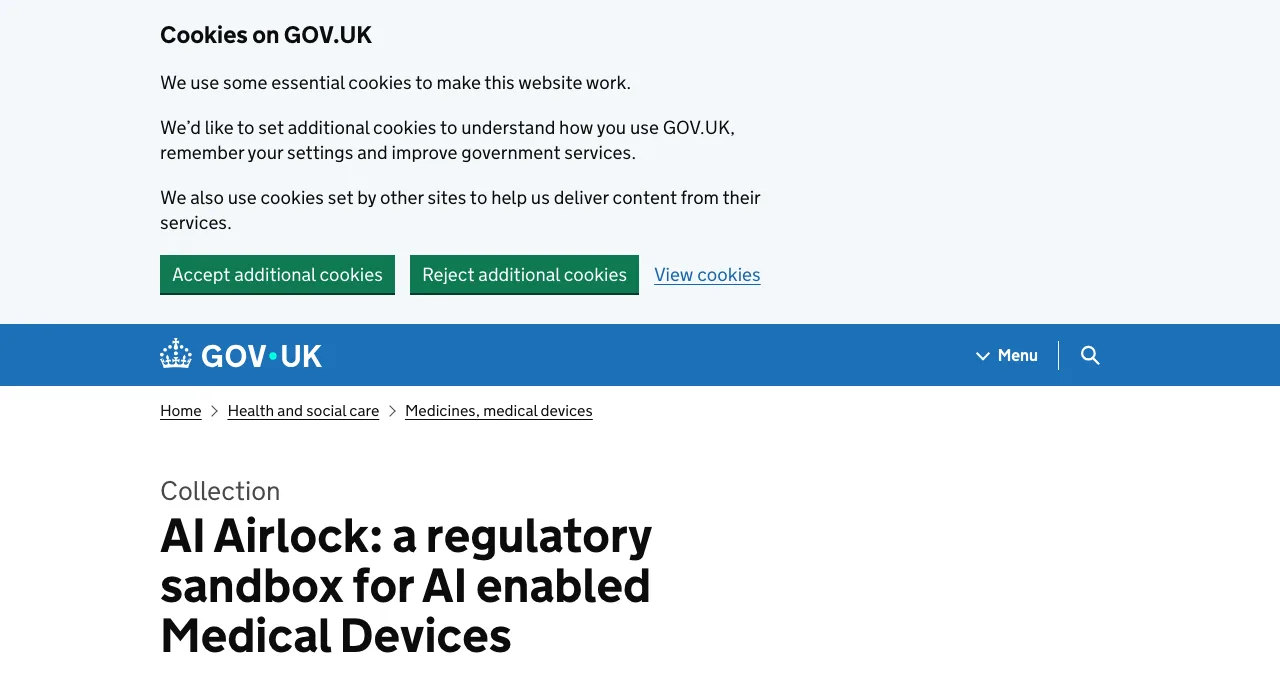
MHRA AI Airlock
The UK regulator's sandbox for AI medical devices.
No feePhase 3 open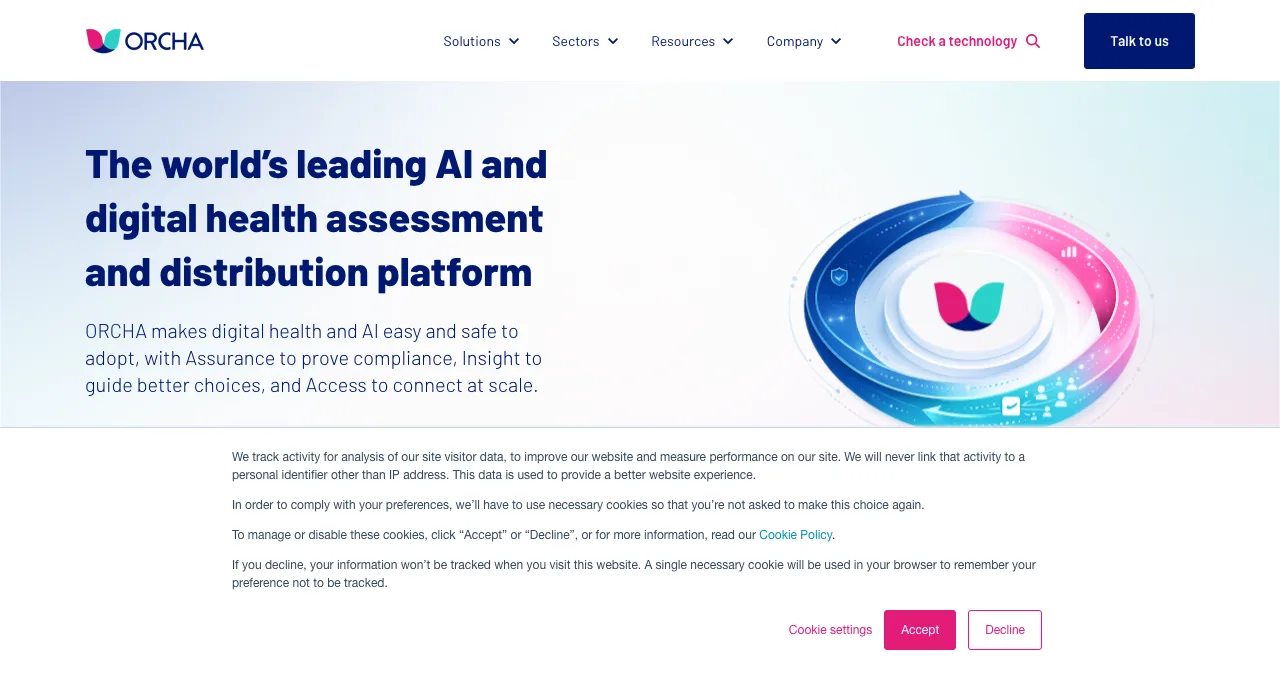
ORCHA
Assessed digital health app libraries used by health organisations.
Assessment firstNo pay-to-list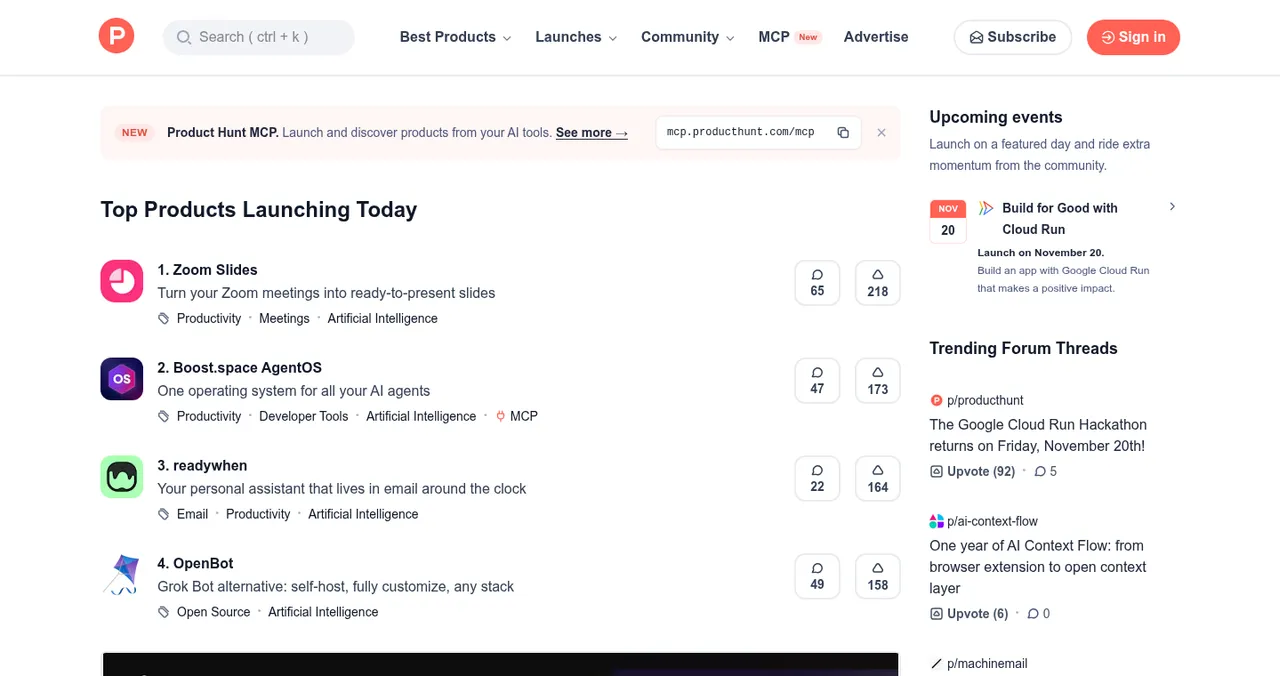
Product Hunt
A launch day for consumer health apps people can try now.
Free12:01 AM PT
Healthtech startup directories and launch routes, compared
| Place | Cost | Who it reaches | Best for | Catch |
|---|---|---|---|---|
| Science of Apps Launchpad | Free, forever | Anyone searching by problem | Every health product, from day one | Reports beyond the free check are paid |
| NHS Innovation Service | Free | NHS support organisations and buyers | Products for the NHS in England | Guidance, not a sales channel |
| MHRA AI Airlock | No fee | The UK regulator | AI medical devices with a regulatory challenge | You fund your own testing; cohort-based |
| ORCHA | Assessment terms on request | Health organisations' app libraries | Apps recommended by clinicians | Must pass assessment; reassessed yearly |
| Product Hunt | Free | Tech-savvy early adopters | Wellness and consumer health apps | Rarely reaches clinical buyers |
| Apple App Store | Apple Developer Program | iPhone users | Mobile health apps | Medical apps get greater scrutiny |
Table: Healthtech startup directories and launch routes compared (each organisation's own pages, checked 18 Nov 2026)
1. Science of Apps Launchpad: a listing, plus your trust signals tested
- Cost
- Free, forever
- Time to list
- About 2 minutes, six steps
- Ranking
- Relevance, never payment
- Tested
- Trust, privacy, sign-up, onboarding
- Visible for
- Permanent
The Launchpad gives your product a permanent, free profile, found by the problem it solves. It's ranked by relevance, editorial picks and community interest, never payment ("0 paid placements"). Listing takes about two minutes in six steps; each listing is checked automatically and reviewed by a person. You get a Featured badge when you go live and can earn others, such as Verified, by confirming a work email on your company's domain.
Best for: the page every innovation-service form, sandbox application and app-library submission links to.
Your health product, tested for trust
Health products lose people at three points: the landing page that doesn't say who's behind it, the sign-up that asks for sensitive data without saying why, and the onboarding that feels clinical in the wrong way. Once your listing is live, Science of Apps can investigate the product in a real browser, on desktop and mobile, and experts review the screens behind your login.
- Areas tested, from search result to settings
- 22
- Automatic measurements, desktop and mobile
- 39
- Expert checks behind the login
- 74
- Verdicts, from Good to Critical
- 5
For a health product, these are the areas among the 22 that usually decide trust:
Arrive
Is this safe?
Trust, privacy and security signals; landing page and pricing; speed and stability; discoverability on Google and AI assistants.
Join
Why do you need this?
Sign up, sign in and account recovery, and onboarding to the first useful moment.
Use
Do I understand it?
The core task flow, dashboards and insights, content and microcopy, and error states.
Stay
Will I keep using it?
Notifications and messaging, settings and preferences, help and support.
Every screen
Can everyone use it?
Accessibility to WCAG 2.2, and visual design and consistency.
Science of Apps says the areas are re-cut for your category, and "anything unique to your product, we add". Every finding is backed by evidence, given a verdict (Good, Needs improvement, Needs to be fixed, Critical or Recommendation) and approved by an analyst. Reports are private and never affect ranking. It isn't a clinical, regulatory or security certification, and doesn't replace one.
See what a cautious patient sees
List free, and once you're live, order the report that fits your stage.

 Economy
See what new customers see
- Store listing and homepage, screen by screen
- Scorecard against 60 Laws of UX
- Customers, competitors and the fixes worth most
PremiumThe full diagnosis and the plan
- Every screen, every finding, every flow
- All 60 laws with evidence and fixes
- 8 strategy chapters and a 90-day roadmap
Fact-checked against the evidence. Private by default.
2. NHS Innovation Service: the free front door to the NHS
- Cost
- Free advice and needs review
- Who
- Innovators, start-up to enterprise
- What
- One central record of your innovation
- Where
- England's NHS
If your buyer is the NHS in England, this is where to start. The NHS Innovation Service describes itself as a gateway for innovators bringing a product or idea into the NHS, with "practical support for all types of healthcare innovators, from start-up to established enterprise".
- Cost: free. It offers free advice and guidance from industry experts, and a free review that identifies your needs and matches you with organisations that can help.
- What you get: one central record of your innovation (so you don't fill in multiple forms), and an innovation guide covering creation to adoption, funding opportunities and what the NHS is looking for.
Best for: products aimed at NHS providers or commissioners. It isn't a marketplace; it's how you find the right people and evidence route.
3. MHRA AI Airlock: the sandbox for AI medical devices
- Cost
- No fee to apply or take part
- Status
- Phase 3 accepting applications
- Focus
- Post-market surveillance of AI devices
- Next shortlist
- Spring 2027
- Catch
- You fund your own testing and data
The AI Airlock is the MHRA's first regulatory sandbox for AI as a medical device (AIaMD). The pilot closed in April 2025 and Phase 2 completed in May 2026; Phase 3 is accepting applications and focuses on post-market surveillance and oversight of AI devices across their lifecycle, open to manufacturers, academics and developers of related solutions.
- Cost: "There is no fee for application or participation in the AI Airlock programme." Candidates fund their own studies and testing, including data access.
- Timing: the page asked for applications before 31 October to be considered in the current review wave; the window stays open, with a later shortlisting period planned for spring 2027.
- Criteria: patient or system benefit with a clear pathway, genuine innovation, a real regulatory challenge for AI devices, and readiness to test with a plan and resources.
Best for: AI diagnostic, triage or clinical-support products that raise a genuine regulatory question. Being selected is a strong credibility signal for buyers.
4. ORCHA: assessed app libraries for health organisations
- Model
- Assessment, then library
- Domains
- Data and privacy, clinical safety, usability, interoperability, security
- Rule
- No paying to skip the assessment
- Upkeep
- Reassessed at least once a year
ORCHA assesses health apps and powers app libraries that health organisations use to recommend them. Its FAQ says assessments cover five domains (data and privacy; professional assurance and clinical safety; usability and accessibility; interoperability; and technical security and stability), that "nobody can pay ORCHA to put their app in an App Library without a test", and that apps must be assessed and updated at least once a year.
- How: get in touch with ORCHA's team for the current assessment process and terms; the FAQ page itself doesn't list fees or timings.
- Prepare: a clear privacy policy, evidence for any health claims, and accessibility basics. These overlap with what the Launchpad investigation looks at, so fix them once.
Best for: apps that clinicians or health organisations might recommend to patients.
5. Product Hunt: a launch day for consumer health apps
- Cost
- Free
- Goes live
- 12:01 AM Pacific
- Book ahead
- Up to 30 days
- Accounts
- Personal, not company
Product Hunt is free to launch on; launches go live at 12:01 AM Pacific on the day you schedule, up to 30 days ahead, from a personal account. For health it suits wellness, fitness, sleep, mental-health self-help and admin tools for clinics, products people can try without a referral. Keep claims modest and specific: launch-day comments will ask about evidence and data.
Best for: consumer health and wellness apps and clinic software. See our Product Hunt launch guide.
6. Before the App Store: Apple's rules for health apps
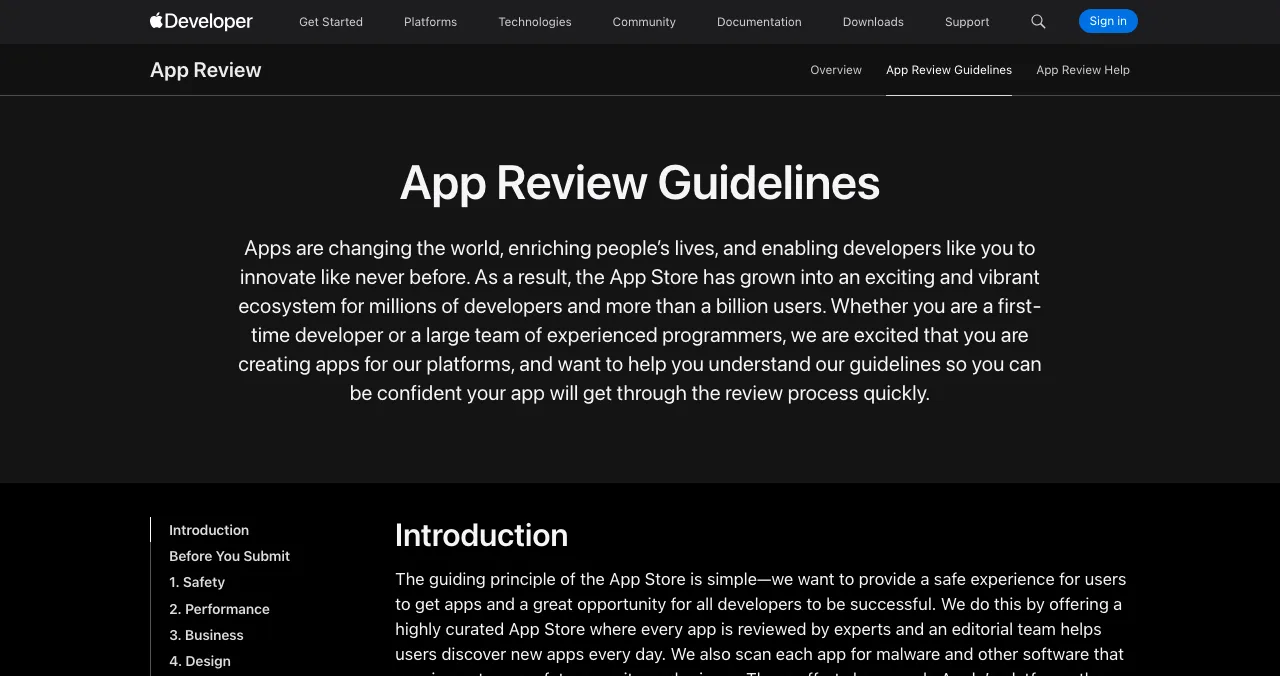
Most consumer health products ship as mobile apps, and Apple's App Review Guidelines (read on 18 November 2026) set the bar:
- 1.4.1, medical apps: apps that could give inaccurate data or be used to diagnose or treat patients "may be reviewed with greater scrutiny". Disclose the data and methodology behind accuracy claims; apps claiming to measure blood pressure, temperature, glucose or blood oxygen with the device's sensors alone aren't permitted; remind users to check with a doctor.
- 5.1.3, health data: health, fitness and medical data can't be used for advertising or data mining, except to improve health management or for research with permission; don't store personal health information in iCloud; research needs consent and ethics review.
Our mobile app launch guide covers the store listing itself.
More places for healthtech founders

Your own health system's programme
Outside England, most health systems and insurers run innovation or pilot programmes. Ask buyers where they source pilots; see launch sites by country for regional launch platforms.
General startup directories
For investors and partners, list in the general directories in our free startup directories guide.
Software directories for clinic tools
Practice-management and admin tools are bought like any B2B software; see SaaS directories.
Beta testers
Recruit early users ethically and with consent; our guide to finding beta testers has the channels.
Which healthtech route should you take first?
| If your product is… | Start with | Then add |
|---|---|---|
| For NHS providers in England | NHS Innovation Service | Launchpad listing, ORCHA if patient-facing |
| An AI medical device | MHRA AI Airlock (if it raises a regulatory challenge) | NHS Innovation Service, Launchpad listing |
| A patient-facing app clinicians might recommend | Launchpad listing | ORCHA assessment, App Store |
| A wellness or fitness app | Launchpad listing | Product Hunt, App Store |
| Admin software for clinics | Launchpad listing | Product Hunt, SaaS directories |
Table: Which healthtech launch route to start with, by product type
A healthtech launch plan
- First
Get your claims and privacy straight
Write down exactly what the product claims, the evidence behind it, what data you collect and why.
- Week 1
Publish your permanent page
List on the Launchpad; read the free baseline diagnosis of your landing page, discoverability and speed.
- Week 2
Open the public-sector routes
Register with the NHS Innovation Service (England); check MHRA AI Airlock if you build AI medical devices.
- Week 3
Fix what the report flags
Trust signals, sign-up questions, onboarding copy and accessibility.
- Week 4
Consumer launch
Product Hunt and the App Store for consumer apps, with modest, specific claims.
- Ongoing
Earn assessed listings
Prepare for ORCHA or your health system's assessment; keep evidence up to date as you ship.
Mistakes that cost healthtech launches trust

- Claims you can't back — Apple, assessors and clinicians will all ask for the method
- Asking for health data before explaining why — say what it's for and who sees it
- A privacy policy nobody can read — patients and assessors both need plain language
- Treating a sandbox as approval — sandboxes test; they don't certify
- An inaccessible app — health users include people with visual, motor and cognitive impairments
- Launching consumer-style to clinical buyers — they want evidence, not upvotes
Visible accreditations, partner organisations and reviews act as social proof for cautious patients, and plain, calm copy lowers cognitive load when people are already anxious.
Ready to launch?
How we chose these places
We looked for routes that put a health product in front of the people who decide (health systems, regulators, clinicians and patients) and kept those whose terms we could read on their own pages on 18 November 2026: the NHS Innovation Service homepage, the GOV.UK AI Airlock collection and Phase 3 application, ORCHA's FAQs, Apple's App Review Guidelines and Product Hunt's help center. ORCHA's FAQ page doesn't list assessment fees, so we don't quote one. Science of Apps runs the Launchpad and has no relationship with the other organisations here. Nothing in this guide is regulatory advice.
Key terms, defined
- Healthtech startup directory: a curated listing of digital health products, often limited to products that pass an assessment.
- AIaMD: artificial intelligence as a medical device, software using AI for a medical purpose.
- Regulatory sandbox: a regulator's programme for testing new products under supervision, such as MHRA's AI Airlock.
- App library: a health organisation's list of assessed apps that clinicians can recommend.
- Post-market surveillance: monitoring a medical device's safety and performance after it's in use.
- Trust signals: the visible evidence (accreditations, privacy information, who's behind it) that makes a stranger willing to sign up.
Frequently asked questions
Where can I launch healthtech startups for free?
List free on the Science of Apps Launchpad for a permanent page and a test of your product's trust and privacy signals. In England, register with the free NHS Innovation Service. If you build AI medical devices, apply to MHRA's AI Airlock, which has no fee. Consumer health apps can add a free Product Hunt launch.
What are the best healthtech startup directories?
Digital health has few open directories; the ones that matter are curated. ORCHA runs assessed app libraries for health organisations, and only assessed apps appear. Health systems' own innovation services, such as the NHS Innovation Service, act as the front door. A permanent Launchpad listing covers people searching for the problem you solve.
Is the NHS Innovation Service free?
Yes. Its site describes free advice and guidance from industry experts and a free review of your needs, matched with organisations that can help. It's open to all types of healthcare innovators, from start-up to established enterprise, and gives you one central record of your innovation so you don't fill in multiple forms.
How do I submit my healthtech startup free to an app library?
ORCHA's libraries list only apps it has assessed; its FAQ says nobody can pay ORCHA to put an app in a library without an assessment, and apps are reassessed at least once a year. Contact ORCHA for its assessment terms. Other libraries are run by individual health systems, so ask yours.
What is MHRA's AI Airlock?
It's the MHRA's regulatory sandbox for AI as a medical device in Great Britain. Phase 3 is accepting applications, focused on post-market surveillance. There is no fee to apply or take part, but you fund your own studies and data access. Applicants who missed the 31 October review wave go into a later shortlist planned for spring 2027.
How do healthtech startups get users?
Consumer health apps get users through app stores and launch sites when the first screen earns trust. Clinical and B2B products get users through pilots: innovation services, sandboxes and assessed libraries put you in front of buyers who need evidence. In both cases, clear claims, visible privacy practices and a calm onboarding matter more than features.
Does the Launchpad test health products?
It tests any live product across 22 areas, including trust, privacy and security signals, sign-up and account recovery, onboarding, and accessibility to WCAG 2.2. Science of Apps re-cuts the areas per category and says it adds anything unique to your product. Every finding comes with evidence and a verdict, privately.
Sources
- Science of Apps — Launchpad: launch your product free (checked 18 Nov 2026)
- Science of Apps — Product investigation: 22 areas (checked 18 Nov 2026)
- NHS — Innovation Service: your gateway to innovation in the NHS (checked 18 Nov 2026)
- GOV.UK — AI Airlock: the regulatory sandbox for AIaMD (checked 18 Nov 2026)
- GOV.UK — AI Airlock Phase 3 application (checked 18 Nov 2026)
- ORCHA — FAQs (checked 18 Nov 2026)
- Apple Developer — App Review Guidelines, 1.4.1 and 5.1.3 (checked 18 Nov 2026)
- Product Hunt Help Center — Launch FAQ and myths (checked 18 Nov 2026)
- Checked November 18, 2026. Figures that change — fees, salaries, prices — are reviewed every six months; if something is out of date, tell us.
Where to go from here
- Top 5 websites to launch a startup free — the general shortlist
- Free startup directories — where to list once you're live
- Launch sites by country — regional platforms and programmes
- Science of Apps - LaunchpadFintech startup directories and launch sites for 2027: where to launch a fintech startup free, from regulator sandboxes to fintech newsletters, with every rule checkedFintech startup directories and free launch sites: the Launchpad, the FCA sandbox, Fintech Sandbox, Product Hunt and fintech newsletters, rules checked.
- Science of Apps - LaunchpadThe web app directory guide for 2027: where to launch a web app free, from Product Hunt and Show HN to the Microsoft Store, PWA directories and SaaSHubWhere to launch web apps free: the Launchpad, Product Hunt, Show HN, the Microsoft Store via PWABuilder, PWAStore.io and SaaSHub, with each one's rules checked.
- Science of Apps - LaunchpadEdtech startup directories for 2027: where to launch an edtech startup free so schools, districts and parents can find and trust itEdtech startup directories that schools use: the Launchpad, ISTE's EdTech Index, LearnPlatform, Common Sense Privacy and 1EdTech, with free routes checked.
- Science of Apps - LaunchpadClimate tech startup directories for 2027: where to launch a climate tech startup free, from Climatebase and Work on Climate to CTVCClimate tech startup directories and free launch places: the Launchpad, Climatebase, Work on Climate, CTVC and Product Hunt, with each one's terms checked.
- Science of Apps - LaunchpadThe creator tools directory guide for 2027: where to launch a creator tool free, from the Kit App Store and Canva Apps to Zapier and Product HuntWhere to launch creator tools free: the Launchpad, Kit App Store, Canva Apps Marketplace, Zapier's App Directory and Product Hunt, with review rules checked.
- Science of Apps - LaunchpadThe marketing tools directory guide for 2027: where to launch a marketing tool free, from HubSpot's App Marketplace and G2 to Zapier and Product HuntWhere to launch marketing tools free: the Launchpad, HubSpot App Marketplace, G2's free plan, Zapier's App Directory and Product Hunt, with rules checked.
Get the ideas, not the noise.
Sign up with Google and we’ll send you short UX psychology tips by email — why people tap, stall and leave, and what to do about it. Unsubscribe anytime. Prefer something to keep? Get the free Laws of UX guide as a PDF.
Launch day ends. Your listing shouldn't.
A permanent, free page for your health product, found by the problem it solves, plus a test of the trust, privacy and security signals, sign-up and onboarding that decide whether patients and clinicians try it, with a detailed report.