 By
Quick answer: How do I increase website traffic for free?
- Listings first: permanent, free, and found by people already looking.
- Search: get indexed in Google and Bing; answer real questions.
- AI answers: consistent product facts across your site and listings.
- Communities and partners: help first, link second.
- Measure: UTM tags and referral reports; keep the two channels that convert.
Key takeaways
- Free traffic compounds from assets that stay up: listings, pages and profiles.
- Launch spikes fade; permanent listings keep sending visitors.
- Traffic is only useful if the landing page converts it.
- Pick two channels and do them well rather than ten badly.
- Track every link you place so you know what's working.
"How to increase website traffic" has a frustrating standard answer: "create great content and be patient." True, but not a plan. This playbook is for a startup with a product, a website and no budget. It ranks the free channels by how quickly they send visitors and how long they keep sending them, then lays out a 90-day plan, so you know how to drive traffic to your website this week and how to keep it coming next year. Google guidance was read on 20 November 2026. Jump to the channels, the 90-day plan or measuring it.
- Free traffic channels that compound
- 5
- Channels to focus on after the first month
- 2
- Days in the plan
- 90
- Ad spend needed
- 0
Which free traffic channels work best?
| Channel | Speed to first visitors | How long it lasts | Effort |
|---|---|---|---|
| Free listings and launch sites | Days | Months to years (permanent listings) | Low |
| Free profiles (Google Business Profile, LinkedIn, Crunchbase) | Days | Ongoing | Low |
| Communities (Reddit, Indie Hackers, Slack and Discord groups) | Days | Short unless you keep showing up | Medium |
| Search (pages answering buyers' questions) | Months | Years | High |
| AI answers (consistent facts, citable pages) | Months | Ongoing | Medium |
| Partnerships and integrations | Weeks | Ongoing | Medium |
Table: Free website traffic channels by speed and durability (Science of Apps editorial)
1. Listings: how to get website traffic this week
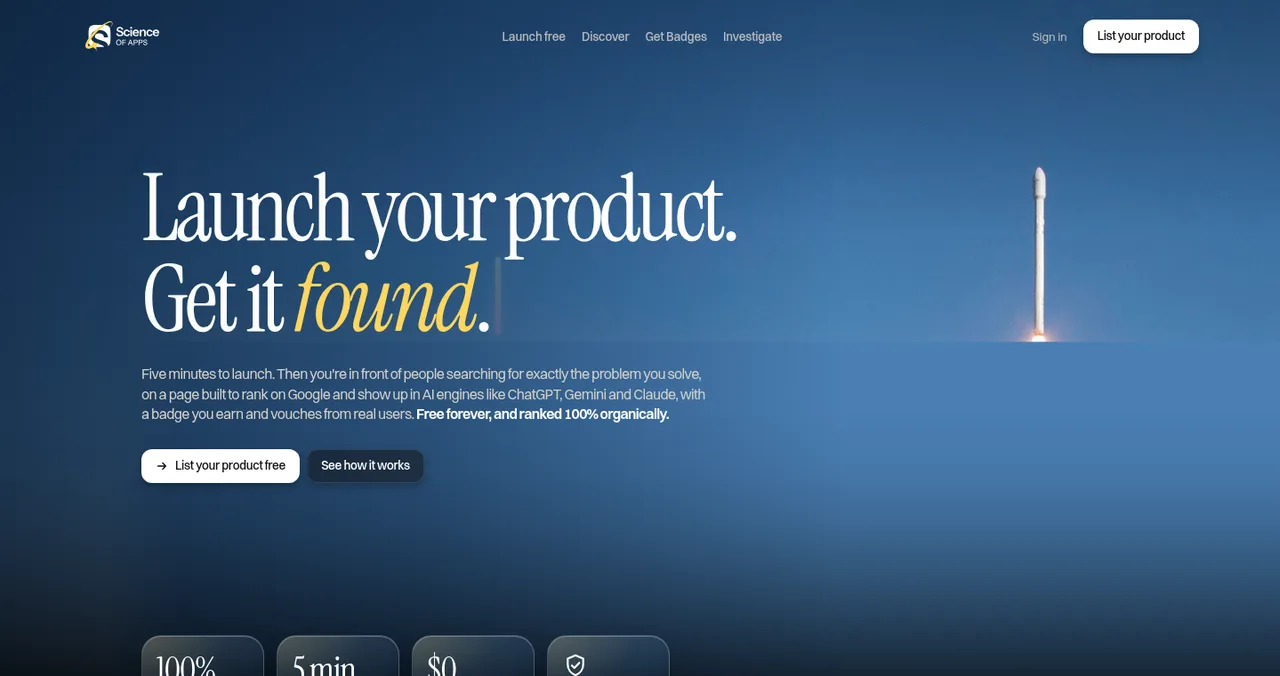
Listings are the fastest free traffic because people browsing them are already looking for products. Unlike a one-day launch, a permanent listing keeps sending visitors.
- Science of Apps Launchpad: free to list, forever; a permanent public page found by the problem your product solves; ranked by relevance, editorial picks and community interest, never payment ("0 paid placements"); a Featured badge on going live and others to earn. Its homepage says it takes about five minutes to launch, in six short steps.
- Launch sites: Product Hunt, BetaList, Uneed and others; see websites to launch your startup free.
- Category directories: for SaaS, AI tools, apps and developer tools; see free directory submission sites.
2. Free profiles where buyers search
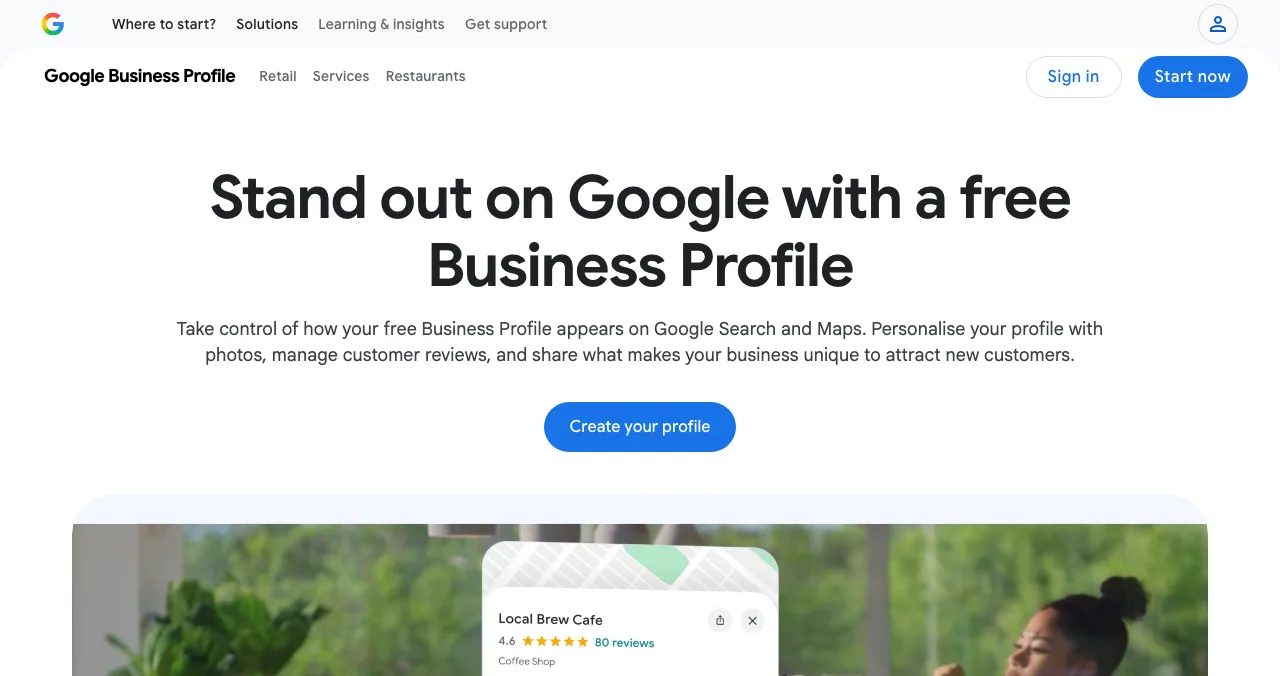
If customers visit you or you serve an area, Google says creating a Business Profile is free and puts you on Search and Maps. For online products, a LinkedIn Page and a Crunchbase profile are the profiles buyers and investors check. Use the same name, one-liner and link on each. More: business listing sites.
3. Communities: help first
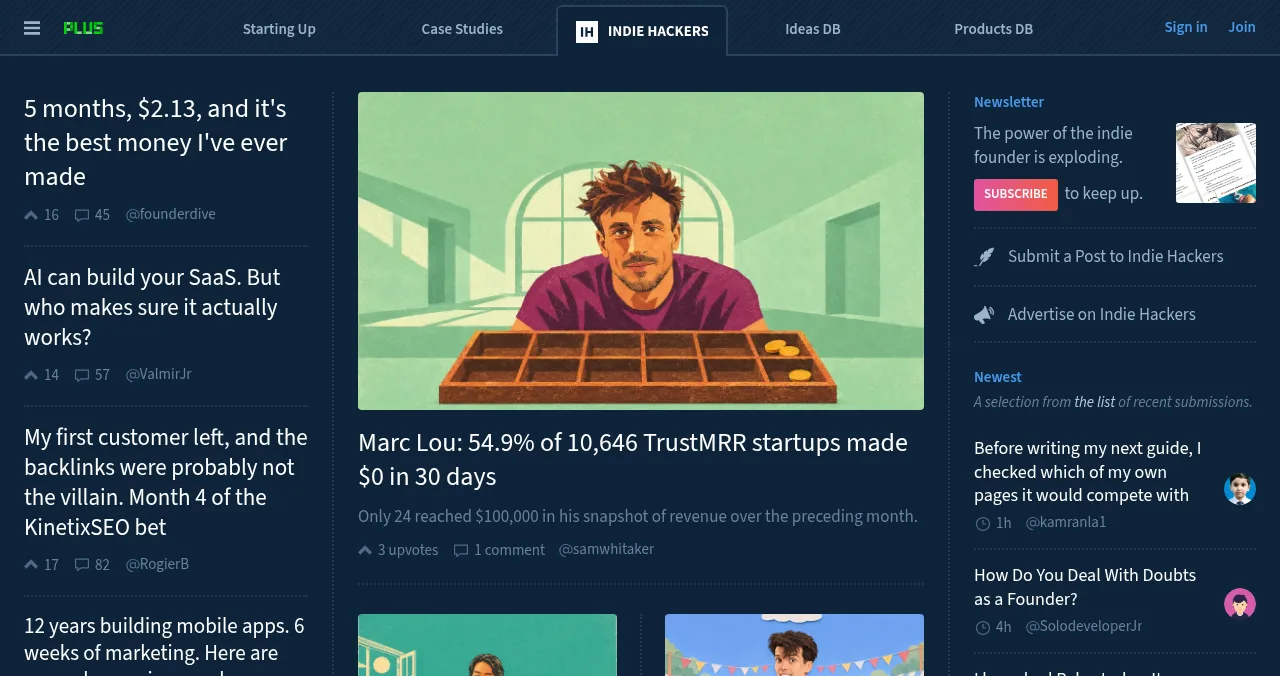
Communities send visitors when you're useful there, not when you drop links. Answer questions in the subreddits, forums and groups your buyers already use, follow each one's self-promotion rules, and share your product when it genuinely answers the question. Our guide to promoting your website free lists communities by type.
4. Search: how to get more traffic to my website from Google

- Verify Search Console and Bing Webmaster Tools — and fix anything not indexed.
- List the questions buyers ask — from sales calls, support and communities.
- Write one page per question — with first-hand detail: your data, screenshots, process.
- Title each page with the question's wording — and link related pages together.
- Update, don't just add — refresh pages that start ranking.
Run a free SEO audit first so new pages land on a sound site.
5. AI answers: be easy to cite
Google's AI optimisation guide says its AI features are rooted in its core ranking and quality systems, and that no special AI files or markup are needed. The same pages that rank help you appear. For assistants beyond Google, consistency matters: the same product description on your site and every listing. See AI SEO and get recommended by ChatGPT.
6. Partnerships and integrations
Products that serve the same buyer can send each other traffic: integration directories, co-written guides, shared webinars, "works with" pages. Pick two complementary products whose users need yours and propose one concrete swap.
How to get website traffic by product type
The same five channels apply to every business, but the order changes with what you sell and who buys it.
| Product | First channel | Second channel | Content that works |
|---|---|---|---|
| B2B SaaS | Launchpad listing + software directories | LinkedIn and search pages | Comparison and "how to" pages for the job you do |
| Consumer app | Launchpad listing + app store page | Communities and short video | Use-case videos, screenshots |
| AI tool | Launchpad listing + AI directories | Communities, Show HN for technical tools | Demos with real outputs |
| Developer tool | Show HN, Launchpad listing | GitHub README, docs that rank | Docs and examples |
| Local service | Google Business Profile | Bing Places, Apple Business, Yelp | Photos, reviews, service pages |
| Online store | Merchant Center free listings | Pinterest, YouTube | Product guides |
Table: The first two free traffic channels by product type (Science of Apps editorial)
Two rules hold across all of them. First, write your one-liner and description once and reuse them everywhere, so people (and search engines) see the same story on every listing. Second, every place you list should point to a page that makes the next step obvious: a sign-up, a trial, a booking. A listing that sends visitors to a generic homepage wastes the visit.
For free advertising places beyond these, see our list of 20 places for free advertising, and for checking which competitors already win each channel, the website traffic checker guide.
How do you measure what's working?

- Tag every link you place — UTM source, medium and campaign; Google's Campaign URL Builder is free
- Read referral sources monthly — in your analytics' traffic acquisition report
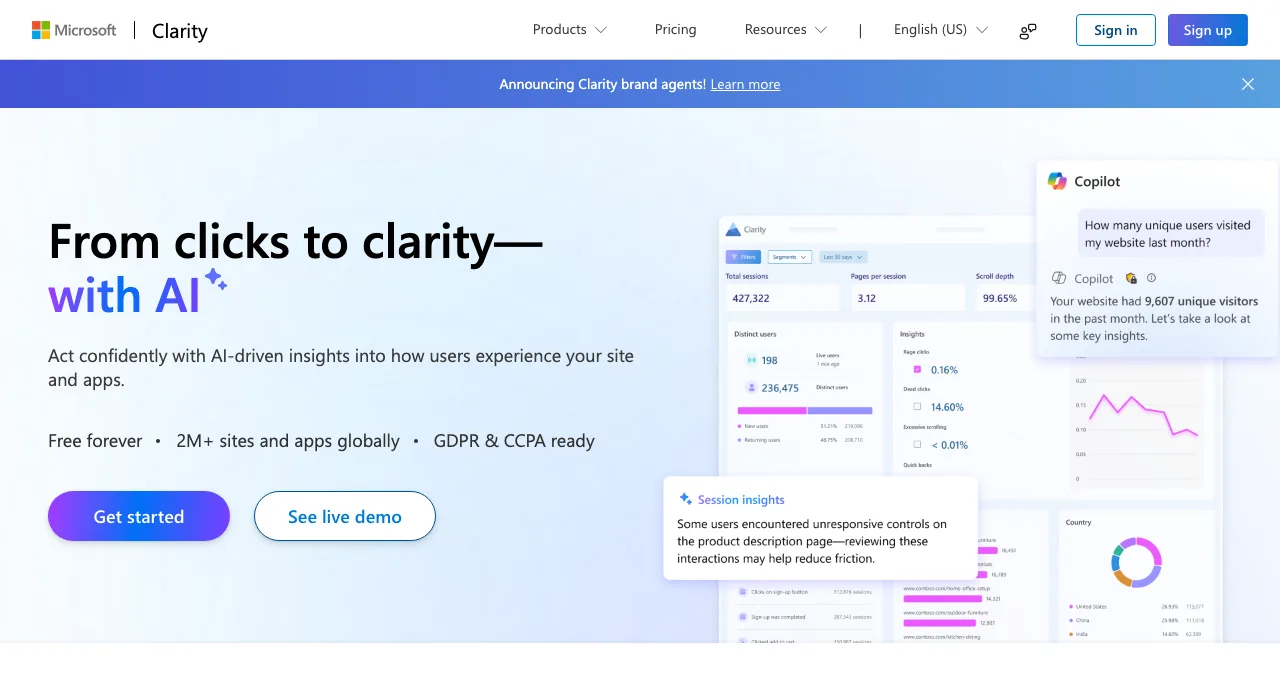
- Watch sessions — Microsoft Clarity is free with no traffic limits
- Track sign-ups by source — visits alone mislead
- Keep two channels — after 30 days, drop what doesn't convert
See tracking directory referral traffic for step-by-step setup.
Traffic that converts: test the destination
More visitors to a page that doesn't convert is a slower way to learn the same lesson. If you have traffic but no signups, fix the destination before adding channels. A Launchpad investigation tests the journey from discoverability to sign-up, onboarding and checkout.
- Areas of your product tested
- 22
- Automatic measurements, desktop and mobile
- 39
- Expert checks behind your login
- 74
- Verdicts that rank what to fix first
- 5
Make sure visitors can become users
List free, then order the report that fits your stage.

 Economy
See what new customers see
- Store listing and homepage, screen by screen
- Scorecard against 60 Laws of UX
- The fixes worth most
PremiumThe full diagnosis and the plan
- Every screen, every finding, every flow
- All 60 laws with evidence and fixes
- 8 strategy chapters and a 90-day roadmap
Analyst-reviewed. Private to your team. Never affects ranking.
A 90-day plan to increase website traffic
- Week 1
Foundations
Search Console, Bing Webmaster Tools, analytics, Clarity; list on the Launchpad.
- Week 2
Profiles and listings
LinkedIn Page, Crunchbase, Google Business Profile if local; three category directories.
- Weeks 3–4
Communities
Answer ten real questions where buyers gather; share only where it genuinely helps.
- Month 2
Search pages
Publish five first-hand pages answering buyers' top questions; one launch on a launch site.
- Month 3
Double down
Read referral and sign-up data; keep the two best channels, propose one partnership, refresh pages that rank.
Mistakes to avoid

- Chasing one launch day — permanent listings beat spikes
- Dropping links in communities — it gets you banned
- Ten channels at once — two done well beat ten done badly
- Untagged links — you won't know what worked
- Scaling traffic to a leaky page — fix conversion first; cognitive load on the landing page costs sign-ups
Ready to launch?
How we know
Search and AI guidance comes from Google Search Central, read on 20 November 2026; Business Profile and Clarity details from their own pages. The channel table and plan are Science of Apps' editorial framework. Search volumes ("how to increase website traffic" about 1,600 a month) are from Google Keyword Planner, global 12-month average. Science of Apps runs the Launchpad.
Key terms, defined
- Website traffic: visits to a website, usually counted as sessions or users.
- Referral traffic: visits from links on other websites, such as listings.
- Organic traffic: unpaid visits from search engines.
- UTM parameters: tags added to links so analytics can attribute visits.
- Compounding channel: a source that keeps sending visitors long after the work is done.
Frequently asked questions
How do I increase website traffic for free?
Build assets that keep sending visitors: free listings on trusted directories and launch sites, free profiles such as Google Business Profile or LinkedIn, pages that answer the questions buyers search, genuine help in communities, and partnerships with complementary products. Get indexed in Google and Bing first, tag every link, and focus on the two channels that convert.
How do I drive traffic to my website as a new startup?
Start with places where buyers already search for products: launch platforms and directories such as the Science of Apps Launchpad, Product Hunt and category directories. Then answer questions in communities you genuinely belong to, write a few first-hand pages about the problem you solve, and ask early users to share.
How do I get more traffic to my website from Google?
Verify Search Console, fix indexing problems, give every page a clear title that matches what people search, and publish pages that answer buyers' questions with first-hand detail: your data, screenshots and process. Link related pages together. Google's guide says the same pages also make you eligible for AI Overviews.
How long does it take to get website traffic?
Listings and community posts can send visitors within days. Search traffic for a new site usually builds over months, as pages are crawled, indexed and earn links. That's why a playbook starts with listings and communities while search content matures in the background.
Is paid traffic better than free traffic?
Paid traffic is faster and easier to switch on and off, but it stops when you stop paying. Free traffic from listings, search and communities takes longer but compounds. Most startups should prove their landing page converts with free traffic before spending on ads, or the spend is wasted.
Why do I have traffic but no sign-ups?
Usually because the landing page doesn't make the value clear quickly, the sign-up is too long, trust signals are missing, or the traffic is the wrong audience. Watch sessions in a tool like Microsoft Clarity, test the page with five strangers, and get the journey audited before chasing more visitors.
Sources
- Google Search Central — SEO starter guide (checked 20 Nov 2026)
- Google Search Central — Optimizing your website for generative AI features (checked 20 Nov 2026)
- Google — Search Console (checked 20 Nov 2026)
- Google — Business Profile (checked 20 Nov 2026)
- Google Analytics Help — Campaign URL builder (checked 18 Nov 2026)
- Microsoft — Clarity (checked 20 Nov 2026)
- Science of Apps — Launchpad homepage and pricing (checked 20 Nov 2026)
- Checked November 20, 2026. Figures that change — fees, salaries, prices — are reviewed every six months; if something is out of date, tell us.
Where to go from here
- Promote your website free — the channel list
- Free advertising for business — 20 places
- Traffic but no signups — when visitors don't convert
- Science of Apps - LaunchpadHow to promote my website for free: 15 ways that work for a new startup or small business site, grouped by where visitors actually come fromHow to promote your website for free: 15 ways grouped by where visitors come from (search, listings, communities and people), with what each costs in time.
- Science of Apps - LaunchpadHow to track referral traffic from startup directories and launch sites in GA4: UTM links for every listing, the reports to open, and how to measure launch traffic that actually convertsTrack referral traffic from startup directories in GA4: a UTM link for every listing, the report to open, and how to measure launch traffic that converts.
- Science of Apps - LaunchpadHow to promote your startup for free in 2027: 30 tactics across launches, listings, content, communities and partners30 free ways to promote a startup in 2027: launch sites, listings, search and AI visibility, content, communities, partners and your own users.
- Science of Apps - LaunchpadFounder personal branding that gets a startup found: how a founder's brand on LinkedIn and beyond builds trust, how to link the founder and product as entities search engines can connect, and a 60-day playbookFounder personal branding that gets a startup found: build a founder brand on LinkedIn, link founder and product as connected entities, and a 60-day playbook.
- Science of Apps - LaunchpadGenerative engine optimization for startups: what the research shows, and a plan to get cited by AI answersGEO for startups in 2027: what the original GEO research found, how to get cited by ChatGPT, Perplexity, Claude and Google AI, and a 30-day plan.
- Science of Apps - LaunchpadContent marketing for startups that ranks on Google and gets cited in AI search: what to publish first, what Google says works in its AI features, a 90-day plan and how to measure itContent marketing for startups that ranks on Google and gets cited in AI answers: what to publish first, what Google says works, a 90-day plan, how to measure.
Get the ideas, not the noise.
Sign up with Google and we’ll send you short UX psychology tips by email — why people tap, stall and leave, and what to do about it. Unsubscribe anytime. Prefer something to keep? Get the free Laws of UX guide as a PDF.
Launch day ends. Your listing shouldn't.
Step one of the playbook: a free, permanent Launchpad page found by the problem your product solves, ranked by relevance and never by payment.