RBT Practice Test (Registered Behavior Technician)
Tests readiness for the BACB Registered Behavior Technician (RBT) exam — measurement and assessment, skill acquisition and behaviour reduction, and documentation, reporting and professional conduct — written to the RBT Test Content Outline and Ethics Code in effect for 2026. Pass to earn RBT Exam Readiness SOA-RBT.
- Beginner difficulty.No experience needed: fundamentals and clear reasoning.
- 15 scenario questions
- 15 minutes, timed
- 70% to pass · 90% for distinction
- Free no sign-up needed
- LinkedIn-ready · add it to your profile in one clickSee how ↓

 Founder, Science of Apps
What is the RBT Practice Test (Registered Behavior Technician)?
Updated for 2026 and 2027 exams. Covers measurement, assessment, skill acquisition, and behaviour reduction.
The RBT Practice Test (Registered Behavior Technician) is a free beginner-level, 15-minute skill test from Science of Apps. It tests readiness for the BACB Registered Behavior Technician (RBT) exam — measurement and assessment, skill acquisition and behaviour reduction, and documentation, reporting and professional conduct — written to the RBT Test Content Outline and Ethics Code in effect for 2026. Score 70% or more on its 15 questions to earn a verifiable RBT Exam Readiness certificate (SOA-RBT). Every question is based on published standards and research — including RBT Task List (2nd ed.) and certification requirements (Behavior Analyst Certification Board), Ethics Code for Behavior Analysts and RBT Ethics Code (Behavior Analyst Certification Board) — and each answer is explained with its source.
Built for your job title
Registered Behavior Technician candidate, ABA therapist, Behaviour technician, Special education paraprofessional and Psychology student — and anyone who wants quick, verifiable proof of RBT knowledge for a CV or LinkedIn in 2026 and 2027.
- Registered Behavior Technician candidate
- ABA therapist
- Behaviour technician
- Special education paraprofessional
- Psychology student
What the test covers
Three skill areas with 5 questions each, drawn from a bank of 10 per area, so a retake brings questions you haven't seen.
- 01
Measurement and Assessment
33%- Continuous measurement
- Discontinuous measurement
- Data and graphs
- 02
Skill Acquisition and Behaviour Reduction
33%- Teaching procedures
- Prompting and reinforcement
- Behaviour reduction
- 03
Documentation, Reporting and Professional Conduct
33%- Session notes
- Reporting
- Ethics and supervision
Independent practice test. Science of Apps is not affiliated with, endorsed by or sponsored by BACB. Exam, product and organisation names are trademarks of their owners. Passing earns a Science of Apps certificate, not the official credential. It is a knowledge and exam-readiness test: it does not replace official certification, licensure, supervised clinical or practical training, or local regulations.
Based on published standards
The questions are original scenarios, and each one names the public standard, official guide or research it draws on — shown under the question while you answer, and linked in your review. These are the sources behind this test:
Try a sample question
An RBT records how many times a child hits during a session. This is
- duration recording
- latency recording
- permanent product recording
- frequency (count) recording
Show the answer
D. frequency (count) recording — Count of occurrences. The real test has 15 questions like this.
How the test works
15 minutes, 15 questions
One question per screen, with a progress bar and a countdown. Your progress is saved on this device if you need to pause.
Graded on our server
Answers reach the page only after you submit, so the certificate can only be earned by passing.
Every answer explained
Pass or not, you see every question with the right answer, why, and the source behind it. Pass mark 70%, distinction 90%.
Your certificate
Founder-signed, with a QR code and credential ID. Download PDF or PNG, add to LinkedIn, and it's emailed to you.
What you earn
Pass, then add it to LinkedIn in one click
No typing. The Add to LinkedIn button opens your profile’s Licenses & certifications form already filled in: the certificate name, Science of Apps as the issuer, the issue date, your credential ID and a link recruiters can use to verify it.
- 1Take the 15-minute test
- 2Score 70% or more
- 3Click Add to LinkedIn

RBT Exam Readiness
Science of Apps
Show credential ↗Try another skill test
- 10 minSOA-HCA
Healthcare Administration Fundamentals Certification
Tests healthcare administration basics — how health systems are organised, patient flow, records, billing and coding basics, privacy, quality and safety, and the administrator's role.
Difficulty: BeginnerTake the 10-minute test → - 10 minSOA-MOA
Medical Office Administration Certification
Tests front-office skills in medical practices — scheduling, patient check-in, insurance verification, records, phone etiquette, confidentiality and handling sensitive situations.
Difficulty: BeginnerTake the 10-minute test → - 10 minSOA-HDPA
Healthcare Data Privacy Awareness Certification
Tests health data privacy awareness — HIPAA Privacy and Security Rules, PHI, minimum necessary, patient rights, safeguards, breaches, GDPR health data and AI tools in healthcare.
Difficulty: BeginnerTake the 10-minute test →
See every Healthcare, education & more certification and test →
Frequently asked questions
What is the RBT Practice Test (Registered Behavior Technician)?
The RBT Practice Test (Registered Behavior Technician) is a free beginner-level, 15-minute skill test from Science of Apps. It tests readiness for the BACB Registered Behavior Technician (RBT) exam — measurement and assessment, skill acquisition and behaviour reduction, and documentation, reporting and professional conduct — written to the RBT Test Content Outline and Ethics Code in effect for 2026. Score 70% or more on its 15 questions to earn a verifiable RBT Exam Readiness certificate (SOA-RBT). Every question is based on published standards and research — including RBT Task List (2nd ed.) and certification requirements (Behavior Analyst Certification Board), Ethics Code for Behavior Analysts and RBT Ethics Code (Behavior Analyst Certification Board) — and each answer is explained with its source.
Is there a free RBT practice test for 2026?
Yes. Science of Apps has a free RBT Practice Test built on the current BACB exam outline for 2026 and 2027. It covers measurement, assessment, and skill acquisition, scores you instantly and issues a verifiable certificate.
How do I take the RBT Practice Test (Registered Behavior Technician) for free?
Read the three skill areas on this page, then take the 15-minute test online — no fee, course or sign-up. You see every answer explained when you finish. Score 70% or more and you get a RBT Exam Readiness certificate straight away, on screen, as a PDF and by email, with a credential ID anyone can verify.
Are the RBT Practice Test (Registered Behavior Technician) questions based on real standards?
Yes. The questions are original scenarios written by Science of Apps, and each one is based on a public source you can read: RBT Task List (2nd ed.) and certification requirements (Behavior Analyst Certification Board); Ethics Code for Behavior Analysts and RBT Ethics Code (Behavior Analyst Certification Board). The source is shown under each question and linked in the answer review. Science of Apps doesn't copy questions from other tests.
What does the RBT Practice Test (Registered Behavior Technician) cover?
Three skill areas with five questions each, drawn from a bank of 10 per area so a retake brings new questions: Measurement and Assessment (Continuous measurement, Discontinuous measurement and Data and graphs); Skill Acquisition and Behaviour Reduction (Teaching procedures, Prompting and reinforcement and Behaviour reduction); Documentation, Reporting and Professional Conduct (Session notes, Reporting and Ethics and supervision). Every question is an original scenario written to the 2026–2027 standard, with the published source named under it.
Who should take the RBT Practice Test (Registered Behavior Technician)?
Registered Behavior Technician candidate, ABA therapist, Behaviour technician, Special education paraprofessional and Psychology student. It suits anyone who wants a quick, verifiable way to show RBT knowledge in 2026 and 2027, from students and career switchers to experienced professionals.
How many questions are on the RBT exam?
85 multiple-choice questions (75 scored) in 90 minutes at a Pearson VUE centre. You need 40 hours of training and a competency assessment before applying.
Who supervises an RBT?
A BCBA, BCaBA or other qualified supervisor, for at least 5% of the hours the RBT spends providing behaviour-analytic services each month.
Is this the official RBT exam?
No. It is an independent practice test written to the publicly available RBT content outline for 2026 and 2027, for checking your readiness before you book the real exam. Passing earns a Science of Apps certificate rather than the official credential.
Can I take the RBT Practice Test (Registered Behavior Technician) from any country?
Yes. The test is online, in English and free everywhere — people take it from India, the US, the UK, Europe, Africa, Latin America and Asia-Pacific. Your certificate is dated with your own local date and can be verified from anywhere at scienceofapps.com/certification/verify/.
How long is the RBT Practice Test (Registered Behavior Technician)?
15 questions — 5 from each of 3 skill areas — with a 15-minute limit. You need 70% (11 of 15) to pass and 90% for distinction.
How hard is the RBT Practice Test (Registered Behavior Technician)?
We rate it Beginner: no experience needed: fundamentals and clear reasoning. It has 15 scenario questions — 5 from each of 3 skill areas — and a 15-minute limit. You need 70% (11 of 15) to pass and 90% for distinction.
How much do Science of Apps certifications cost?
Nothing. There is no fee to take a test, to receive the certificate, to have it emailed or to verify it, and no sign-up.
How are the tests graded?
On our server, not in your browser. The answers never reach the page until you submit, so a certificate can only be earned by passing. Each certificate gets a unique credential ID stored by Science of Apps.
What happens if I don't pass?
You see your score for each area and every question with the correct answer and why, with the published source behind it. You can retake after 30 minutes, and the retake draws questions you haven't seen yet.
Do the certificates expire?
No. Every certificate is dated, so it always shows when you passed. Retake a test any time for a newer date or a higher score.
Can I add the certificate to LinkedIn?
Yes. After you pass, Add to LinkedIn opens the Licenses & certifications form with the certificate name, Science of Apps as the issuer, the issue date, your credential ID and the verification link filled in. You can also download it as a PDF or PNG, and it's emailed to you as a PDF.
How can an employer verify my certificate?
Every certificate has a credential ID and a QR code. Scanning it, or entering the ID at scienceofapps.com/certification/verify/, shows the holder's name, the certification, the score and the issue date from our records.
Are these accredited qualifications?
No. They are Science of Apps' own assessments of applied skill. They aren't issued by a university or standards body, and they work best alongside a portfolio that shows the skills in real work.
1222 more certifications to collect
Healthcare, Education, Legal Operations & Sustainability
- Healthcare Administration Fundamentals Certification10 min · Beginner
- Medical Office Administration Certification10 min · Beginner
- Healthcare Data Privacy Awareness Certification10 min · Beginner
- Health Informatics Fundamentals Certification15 min · Intermediate
- Medical Terminology Fundamentals Certification10 min · Beginner
- Patient Communication and Service Certification10 min · Beginner
- Healthcare Operations and Scheduling Certification15 min · Intermediate
- Educational Technology Fundamentals Certification10 min · Beginner
- Instructional Design Certification15 min · Intermediate
- E-learning Course Design Certification15 min · Intermediate
- Assessment Design for Educators Certification15 min · Intermediate
- Learning Analytics Certification15 min · Intermediate
- Technical Writing Certification15 min · Intermediate
- Documentation and Knowledge Management Certification15 min · Intermediate
- Legal Operations Fundamentals Certification15 min · Intermediate
- Contract Review and Document Management Basics Certification10 min · Beginner
- Sustainability and ESG Fundamentals Certification10 min · Beginner
- Environmental Literacy Certification10 min · Beginner
- Anatomy & Physiology Certification15 min · Intermediate
- Pharmacology Certification20 min · Advanced
- Medical Coding Certification Practice (CPC-Aligned)15 min · Intermediate
- ICD-10-CM Coding Practice Test15 min · Intermediate
- Clinical Documentation Improvement (CDI) Certification15 min · Intermediate
- Health Information Management (HIM) Certification15 min · Intermediate
- Healthcare Data Analytics Certification15 min · Intermediate
- HIPAA Certification15 min · Intermediate
- Healthcare Cybersecurity Certification15 min · Intermediate
- Infection Control Certification15 min · Intermediate
- Patient Safety Certification15 min · Intermediate
- Medical Laboratory Science Practice Test20 min · Advanced
- Public Health Certification15 min · Intermediate
- Epidemiology & Biostatistics Certification15 min · Intermediate
- Clinical Research Certification15 min · Intermediate
- Good Clinical Practice (GCP) Certification15 min · Intermediate
- Medical Billing Certification15 min · Intermediate
- Healthcare Quality & Compliance Certification15 min · Intermediate
- Nursing Practice Questions (NCLEX-Style)20 min · Advanced
- Teaching Aptitude Test10 min · Beginner
- Classroom Management Certification10 min · Beginner
- Lesson Planning Certification10 min · Beginner
- Educational Psychology Certification15 min · Intermediate
- Special Education Certification Practice15 min · Intermediate
- Inclusive Teaching Certification10 min · Beginner
- Early Childhood Education (ECE) Certification15 min · Intermediate
- TEFL Certification Test15 min · Intermediate
- TESOL Certification Test15 min · Intermediate
- Learning Experience Design (LXD) Certification15 min · Intermediate
- LMS Administrator Certification15 min · Intermediate
- AI-Generated Content Evaluation for Educators10 min · Beginner
- Online Teaching Certification10 min · Beginner
- Research Methods Certification15 min · Intermediate
- APA, MLA & Harvard Referencing Certification10 min · Beginner
- Statistics for Research Certification15 min · Intermediate
- Contract Management Certification15 min · Intermediate
- Intellectual Property (IP) Law Certification15 min · Intermediate
- Legal Research & Case Analysis Certification15 min · Intermediate
- Corporate Governance Certification15 min · Intermediate
- ESG Reporting Certification20 min · Advanced
- Lab Safety Certification10 min · Beginner
- Carbon Accounting Certification15 min · Intermediate
- GHG Protocol Certification15 min · Intermediate
- Energy Management Certification15 min · Intermediate
- Renewable Energy Certification10 min · Beginner
- ESG Data Analyst Certification15 min · Intermediate
- Health Literacy Test15 min · Beginner
- First Aid Test15 min · Beginner
- Nutrition Certification15 min · Beginner
- AI in Healthcare Certification15 min · Beginner
- EHR Specialist Practice Test (CEHRS-Style)20 min · Intermediate
- Clinical Data Management Certification20 min · Intermediate
- Healthcare Supply Chain Certification20 min · Intermediate
- Dental Office Administration Test15 min · Beginner
- Mental Health Literacy Test15 min · Beginner
- Health Coach Certification Test20 min · Intermediate
- Sustainable Supply Chain Test20 min · Intermediate
- PTCB Practice Test20 min · Intermediate
- Home Health Aide Test15 min · Beginner
- CNA Practice Test15 min · Beginner
- NREMT Practice Test20 min · Intermediate
- CIPP/E Practice Exam25 min · Advanced
- CIPP/US Practice Exam25 min · Advanced
- Pharmacist Practice Test (NAPLEX)25 min · Advanced
- Telehealth Certification Test15 min · Beginner
- Phlebotomy Practice Test15 min · Beginner
- USMLE Step 1 Practice Questions25 min · Advanced
- Legal Assistant Test15 min · Beginner
- Contract Law Quiz20 min · Intermediate
- Medical Assistant Practice Test (CMA, RMA & CCMA)20 min · Intermediate
- PMHNP Practice Test (ANCC PMHNP-BC)25 min · Advanced
- FNP Practice Test (AANP & ANCC)25 min · Advanced
- ACLS Practice Test25 min · Advanced
- CCRN Practice Test (Adult Critical Care)25 min · Advanced
- Case Manager Certification Practice Test (CCM)25 min · Advanced
- Sterile Processing Practice Test (CRCST)20 min · Intermediate
- X-Ray Technician Practice Test (Limited Scope)20 min · Intermediate
- Community Health Worker Certification Test15 min · Beginner
- EKG Practice Test (CET)20 min · Intermediate
- ParaPro Practice Test15 min · Beginner
- Dental Assistant Practice Test (DANB)20 min · Intermediate
- Surgical Tech Practice Test (CST)20 min · Intermediate
- Paralegal Certification Practice Test20 min · Intermediate
- Domestic Violence Advocate Certification Test15 min · Beginner
- Joint Commission Readiness Test20 min · Intermediate
- Epic EHR Practice Test20 min · Intermediate
- CDA Practice Test (Child Development Associate)15 min · Beginner
- Teacher Assistant Practice Test15 min · Beginner
- Medication Aide Practice Test15 min · Beginner
- ARRT Practice Test (Radiography)25 min · Advanced
- Patient Care Technician Practice Test (PCT)15 min · Beginner
- ASWB Practice Test (Social Work)20 min · Intermediate
- LPN Practice Test (NCLEX-PN Style)20 min · Intermediate
- NBCOT Practice Test (OTR)20 min · Intermediate
- Medical Interpreter Practice Test (CCHI & NBCMI)20 min · Intermediate
- Nursing Informatics Certification Practice Test (ANCC)25 min · Advanced
- Substitute Teacher Practice Test15 min · Beginner
- BLS Practice Test (Basic Life Support)15 min · Beginner
- Utilization Review Certification Test20 min · Intermediate
- Title IX Training Test20 min · Intermediate
- TF-CBT Knowledge Test25 min · Advanced
- RBT Practice Test (Registered Behavior Technician)You're here
- BCBA Practice Test25 min · Advanced
- Tutor Certification Test15 min · Beginner
- Stop the Bleed Practice Test15 min · Beginner
- CPDT-KA Practice Test (Dog Trainer)20 min · Intermediate
- RAC Practice Test (Regulatory Affairs)25 min · Advanced
- Wound Care Certification Practice Test (WCC)20 min · Intermediate
- NCE Practice Test (National Counselor Exam)25 min · Advanced
- CADC Practice Test (IC&RC ADC)20 min · Intermediate
- Peer Support Specialist Practice Test15 min · Beginner
- PCCN Practice Test (Progressive Care)25 min · Advanced
- MRI Technologist Practice Test (ARRT MRI)25 min · Advanced
- ISO 13485 Certification Test20 min · Intermediate
- Medical Device Regulation Test (EU MDR & FDA)25 min · Advanced
- TNCC Practice Test (Trauma Nursing)25 min · Advanced
- NPTE Practice Test (Physical Therapy)25 min · Advanced
- NRP Practice Test (Neonatal Resuscitation)25 min · Advanced
- VTNE Practice Test (Vet Tech)20 min · Intermediate
- ARDMS SPI Practice Test (Sonography)25 min · Advanced
- PANCE Practice Test (Physician Assistant)25 min · Advanced
- OCN Practice Test (Oncology Nursing)25 min · Advanced
- CPN Practice Test (Pediatric Nursing)25 min · Advanced
- OSCE Practice Test20 min · Intermediate
- IBCLC Practice Test (Lactation Consultant)25 min · Advanced
Foundation
AI & Generative AI
- AI UX Design Certification30 min · Advanced
- Prompt Engineering Certification30 min · Intermediate
- AI Product Manager Certification30 min · Advanced
Software Engineering & Web Development
- HTML and CSS Fundamentals Certification10 min · Beginner
- JavaScript Fundamentals Certification10 min · Beginner
- TypeScript Fundamentals Certification15 min · Intermediate
Data Analytics & Business Intelligence
- Product Analytics Certification30 min · Advanced
- Data Literacy Certification10 min · Beginner
- Microsoft Excel Fundamentals Certification10 min · Beginner
Digital Marketing, SEO, AEO & Growth
- Conversion Rate Optimization (CRO) Certification30 min · Advanced
- App Store Optimization (ASO) Certification30 min · Intermediate
- Growth Marketing Certification30 min · Intermediate
UX/UI, Design, Research & Creative
- UX Design Certification30 min · Intermediate
- UI Design Certification30 min · Intermediate
- Product Design Certification30 min · Intermediate
Product, Project Management & Business Analysis
- Product Manager Certification30 min · Intermediate
- Design Leadership Certification30 min · Advanced
- Agile Product Owner Certification30 min · Intermediate
Cybersecurity, IT, Cloud & DevOps
- Cybersecurity Fundamentals Certification10 min · Beginner
- Security Awareness and Phishing Detection Certification10 min · Beginner
- Network Security Fundamentals Certification15 min · Intermediate
Sales, Customer Success & Support
- Sales Fundamentals Certification10 min · Beginner
- Consultative Selling Certification15 min · Intermediate
- B2B Sales Development Representative Certification10 min · Beginner
Human Resources & People Management
- Human Resources Fundamentals Certification10 min · Beginner
- Talent Acquisition and Recruitment Certification10 min · Beginner
- Technical Recruitment Certification15 min · Intermediate
Finance, Accounting, Operations & Entrepreneurship
- Financial Literacy for Professionals Certification10 min · Beginner
- Accounting Fundamentals Certification10 min · Beginner
- Bookkeeping Fundamentals Certification10 min · Beginner
Communication, Leadership & Transferable Skills
- Critical Thinking Test10 min · Beginner
- Attention to Detail Test10 min · Beginner
- Cognitive Bias Test10 min · Beginner
Languages
- English Level Test30 min · Beginner
- American Sign Language (ASL) Foundations Test25 min · Intermediate
- App & Software Localization Test25 min · Intermediate
Test Prep, Academics & Aptitude
- SAT Math Practice Test20 min · Advanced
- SAT Reading and Writing Practice Test20 min · Advanced
- ACT Practice Test (English, Math, Reading & Science)20 min · Advanced
Language Exam Prep
- IELTS Academic Practice Test with Band Score20 min · Advanced
- IELTS General Training Practice Test20 min · Advanced
- TOEFL iBT Practice Test20 min · Advanced
Office & Productivity Software
- Microsoft Word Skills Certification15 min · Intermediate
- Microsoft PowerPoint Skills Certification15 min · Intermediate
- Microsoft Outlook Skills Certification10 min · Beginner
Engineering, Architecture, Construction & Safety
- Mechanical Engineering Practice Test (FE-Style)20 min · Advanced
- Electrical Engineering Practice Test (FE-Style)20 min · Advanced
- Civil Engineering Practice Test (FE-Style)20 min · Advanced
Hospitality, Travel & Retail
- Hospitality Management Certification10 min · Beginner
- Food Safety Certification10 min · Beginner
- Hotel Revenue Management Certification15 min · Intermediate
Cognitive Ability & Pre-Employment Tests
- IQ Test20 min · Intermediate
- Numerical Reasoning Test20 min · Intermediate
- Verbal Reasoning Test20 min · Intermediate
Personality & Career Assessments
- Hogan Assessment Practice Test11 min · Beginner
- Big Five Personality Test10 min · Beginner
- Enneagram Test11 min · Beginner
Health, Fitness & Wellness
- Personal Trainer Practice Test (NASM, ACE & ISSA)20 min · Intermediate
- ACSM Practice Test (CPT & EP)20 min · Intermediate
- Yoga Teacher Certification Test (RYT 200)15 min · Beginner
Beauty & Cosmetology
Read before you test
- Career guidesWorkplace ethics and professional conduct for 2027: conflicts of interest, confidentiality and data, harassment prevention and India's POSH framework, speaking up, fair treatment and using AI responsiblyWorkplace ethics for 2027: conflicts of interest, confidentiality, harassment prevention under POSH, speaking up, fair treatment, responsible AI and careers.
- Law of UX · Motivation & emotionEndowment EffectPeople value things more once they feel they own them — including progress, content and customizations inside an app.
- Law of UX · Motivation & emotionFogg Behavior ModelA behavior happens when motivation, ability and a prompt come together at the same moment (B = MAP); if one is missing, the behavior doesn't happen.
- Career guidesLearning analytics for 2027: LMS and xAPI data, engagement vs learning metrics, identifying struggling learners, dashboards for teachers and L&D, measuring training impact, privacy and ethics of learner dataLearning analytics for 2027: LMS and xAPI data, engagement vs learning, spotting struggling learners, dashboards, training impact, privacy and ethics.
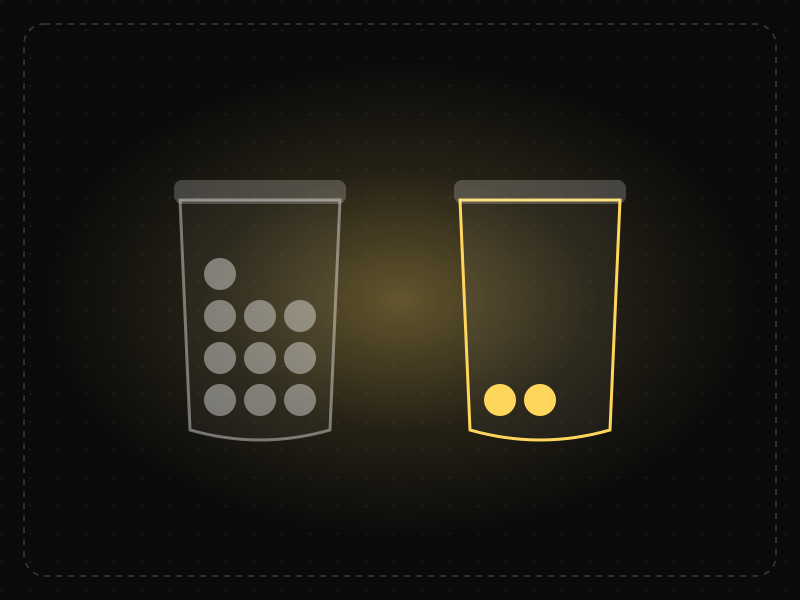
- Law of UX · Decision-makingScarcity EffectPeople value things more when they seem rare, limited or about to become unavailable.
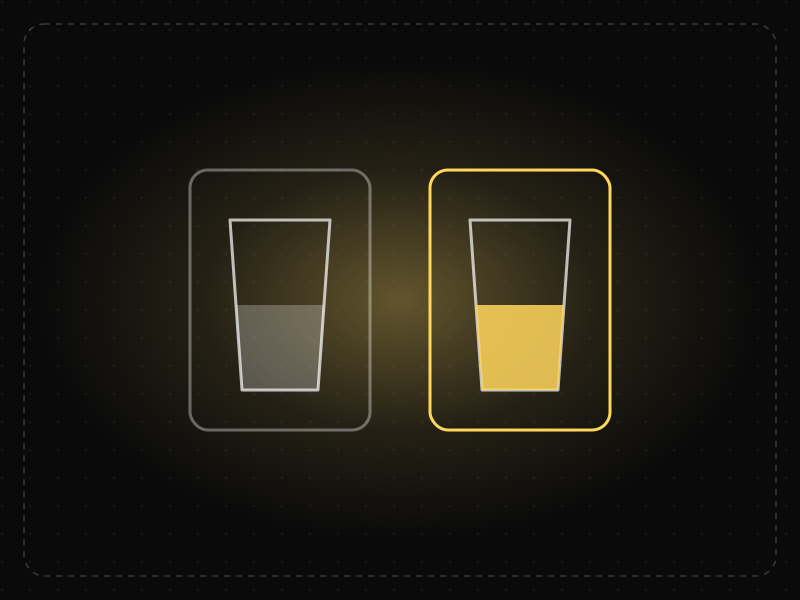
- Law of UX · Decision-makingFraming EffectThe same information leads to different decisions depending on how it is presented — for example, as a gain or as a loss.
Get the ideas, not the noise.
Sign up with Google and we’ll send you short UX psychology tips by email — why people tap, stall and leave, and what to do about it. Unsubscribe anytime. Prefer something to keep? Get the free Laws of UX guide as a PDF.