BMTCN Blood Marrow Transplant Practice Test
Tests readiness for the ONCC Blood & Marrow Transplant Certified Nurse (BMTCN) exam — transplant types, donors and stem cell collection, conditioning, infusion and engraftment, transplant complications including GVHD and infection, and survivorship, psychosocial care and professional practice — written to the ONCC BMTCN test content outline, ASTCT and NMDP guidance and NCCN supportive care guidelines for 2026. Follow your transplant centre's protocols. Pass to earn BMTCN Blood Marrow Transplant Readiness SOA-BBMT.
- Intermediate difficulty.Assumes hands-on experience in the role.
- 20 scenario questions
- 20 minutes, timed
- 70% to pass · 90% for distinction
- Free no sign-up needed
- LinkedIn-ready · add it to your profile in one clickSee how ↓

 Founder, Science of Apps
What is the BMTCN Blood Marrow Transplant Practice Test?
- Recruiter Friendly
- Quality Assured
- Exclusive Certification
Updated for 2026 and 2027 exams. Covers transplant types, donors and collection, conditioning, infusion and engraftment, complications: GVHD, infection and organ toxicity and survivorship, psychosocial care and professional practice.
The BMTCN Blood Marrow Transplant Practice Test is a free intermediate-level, 20-minute skill test from Science of Apps. It tests readiness for the ONCC Blood & Marrow Transplant Certified Nurse (BMTCN) exam — transplant types, donors and stem cell collection, conditioning, infusion and engraftment, transplant complications including GVHD and infection, and survivorship, psychosocial care and professional practice — written to the ONCC BMTCN test content outline, ASTCT and NMDP guidance and NCCN supportive care guidelines for 2026. Follow your transplant centre's protocols. Score 70% or more on its 20 questions to earn a verifiable BMTCN Blood Marrow Transplant Readiness certificate (SOA-BBMT). Every question is based on published standards and research — including ASTCT clinical practice guidelines and resources (American Society for Transplantation and Cellular Therapy), NMDP clinical resources for transplant (donor selection and post-transplant care guidelines) (NMDP), NCCN Clinical Practice Guidelines in Oncology (supportive care) (National Comprehensive Cancer Network) — and each answer is explained with its source.
Built for your job title
Blood and marrow transplant nurse, Haematology/oncology nurse, Cellular therapy or CAR-T nurse, Transplant coordinator and Apheresis nurse — and anyone who wants quick, verifiable proof of BMTCN Blood Marrow Transplant knowledge for a CV or LinkedIn in 2026 and 2027.
- Blood and marrow transplant nurse
- Haematology/oncology nurse
- Cellular therapy or CAR-T nurse
- Transplant coordinator
- Apheresis nurse
What the test covers
Four skill areas with 5 questions each, drawn from a bank of 10 per area, so a retake brings questions you haven't seen.
Transplant Types, Donors and Collection
25%- Types
- HLA
- Mobilisation
Conditioning, Infusion and Engraftment
25%- Conditioning
- DMSO
- Engraftment
Complications: GVHD, Infection and Organ Toxicity
25%- GVHD
- VOD
- CMV
Survivorship, Psychosocial Care and Professional Practice
25%- Long-term care
Independent practice test. Science of Apps is not affiliated with, endorsed by or sponsored by Oncology Nursing Certification Corporation. Exam, product and organisation names are trademarks of their owners. Passing earns a Science of Apps certificate, not the official credential. It is a knowledge and exam-readiness test: it does not replace official certification, licensure, supervised clinical or practical training, or local regulations.
Based on published standards
The questions are original scenarios, and each one names the public standard, official guide or research it draws on — shown under the question while you answer, and linked in your review. These are the sources behind this test:
- ASTCT clinical practice guidelines and resourcesAmerican Society for Transplantation and Cellular Therapy30 questions
- NMDP clinical resources for transplant (donor selection and post-transplant care guidelines)NMDP5 questions
- NCCN Clinical Practice Guidelines in Oncology (supportive care)National Comprehensive Cancer Network3 questions
- Blood & Marrow Transplant Certified Nurse (BMTCN) test content outlineOncology Nursing Certification Corporation2 questions
Try a sample question
A transplant using the patient's own previously collected stem cells is
- haploidentical
- autologous
- allogeneic
- syngeneic
Show the answer
B. autologous — Transplant types. The real test has 20 questions like this.
How the test works
20 minutes, 20 questions
One question per screen, with a progress bar and a countdown. Your progress is saved on this device if you need to pause.
Graded on our server
Answers reach the page only after you submit, so the certificate can only be earned by passing.
Every answer explained
Pass or not, you see every question with the right answer, why, and the source behind it. Pass mark 70%, distinction 90%.
Your certificate
Founder-signed, with a QR code and credential ID. Download PDF or PNG, add to LinkedIn, and it's emailed to you.
What you earn
Pass, then add it to LinkedIn in one click
No typing. The Add to LinkedIn button opens your profile’s Licenses & certifications form already filled in: the certificate name, Science of Apps as the issuer, the issue date, your credential ID and a link recruiters can use to verify it.
- 1Take the 20-minute test
- 2Score 70% or more
- 3Click Add to LinkedIn

BMTCN Blood Marrow Transplant Readiness
Science of Apps
Show credential ↗Try another skill test
- 10 minSOA-HCA
Healthcare Administration Certification Test (Fundamentals)
Tests healthcare administration basics — how health systems are organised, patient flow, records, billing and coding basics, privacy, quality and safety, and the administrator's role.
Difficulty: BeginnerTake the 10-minute test → - 10 minSOA-MOA
Medical Office Administration Certification
Tests front-office skills in medical practices — scheduling, patient check-in, insurance verification, records, phone etiquette, confidentiality and handling sensitive situations.
Difficulty: BeginnerTake the 10-minute test → - 10 minSOA-HDPA
Healthcare Data Privacy Awareness Certification
Tests health data privacy awareness — HIPAA Privacy and Security Rules, PHI, minimum necessary, patient rights, safeguards, breaches, GDPR health data and AI tools in healthcare.
Difficulty: BeginnerTake the 10-minute test →
See every Healthcare, education & more certification and test →
Frequently asked questions
What is the BMTCN Blood Marrow Transplant Practice Test?
The BMTCN Blood Marrow Transplant Practice Test is a free intermediate-level, 20-minute skill test from Science of Apps. It tests readiness for the ONCC Blood & Marrow Transplant Certified Nurse (BMTCN) exam — transplant types, donors and stem cell collection, conditioning, infusion and engraftment, transplant complications including GVHD and infection, and survivorship, psychosocial care and professional practice — written to the ONCC BMTCN test content outline, ASTCT and NMDP guidance and NCCN supportive care guidelines for 2026. Follow your transplant centre's protocols. Score 70% or more on its 20 questions to earn a verifiable BMTCN Blood Marrow Transplant Readiness certificate (SOA-BBMT). Every question is based on published standards and research — including ASTCT clinical practice guidelines and resources (American Society for Transplantation and Cellular Therapy), NMDP clinical resources for transplant (donor selection and post-transplant care guidelines) (NMDP), NCCN Clinical Practice Guidelines in Oncology (supportive care) (National Comprehensive Cancer Network) — and each answer is explained with its source.
Is there a free BMTCN Blood Marrow Transplant practice test for 2026?
Yes. Science of Apps has a free BMTCN Blood Marrow Transplant Practice Test built on the current Oncology Nursing Certification Corporation exam outline for 2026 and 2027. It covers transplant types, donors and collection, conditioning, infusion and engraftment, complications: GVHD, infection and organ toxicity and survivorship, psychosocial care and professional practice, scores you instantly and issues a verifiable certificate.
How do I take the BMTCN Blood Marrow Transplant Practice Test for free?
Read the four skill areas on this page, then take the 20-minute test online — no fee, course or sign-up. You see every answer explained when you finish. Score 70% or more and you get a BMTCN Blood Marrow Transplant Readiness certificate straight away, on screen, as a PDF and by email, with a credential ID anyone can verify.
Are the BMTCN Blood Marrow Transplant Practice Test questions based on real standards?
Yes. The questions are original scenarios written by Science of Apps, and each one is based on a public source you can read: ASTCT clinical practice guidelines and resources (American Society for Transplantation and Cellular Therapy); NMDP clinical resources for transplant (donor selection and post-transplant care guidelines) (NMDP); NCCN Clinical Practice Guidelines in Oncology (supportive care) (National Comprehensive Cancer Network); Blood & Marrow Transplant Certified Nurse (BMTCN) test content outline (Oncology Nursing Certification Corporation). The source is shown under each question and linked in the answer review. Science of Apps doesn't copy questions from other tests.
What does the BMTCN Blood Marrow Transplant Practice Test cover?
Four skill areas with five questions each, drawn from a bank of 10 per area so a retake brings new questions: Transplant Types, Donors and Collection (Types, HLA and Mobilisation); Conditioning, Infusion and Engraftment (Conditioning, DMSO and Engraftment); Complications: GVHD, Infection and Organ Toxicity (GVHD, VOD and CMV); Survivorship, Psychosocial Care and Professional Practice (Long-term care). Every question is an original scenario written to the 2026–2027 standard, with the published source named under it.
Who should take the BMTCN Blood Marrow Transplant Practice Test?
Blood and marrow transplant nurse, Haematology/oncology nurse, Cellular therapy or CAR-T nurse, Transplant coordinator and Apheresis nurse. It suits anyone who wants a quick, verifiable way to show BMTCN Blood Marrow Transplant knowledge in 2026 and 2027, from students and career switchers to experienced professionals.
What is the BMTCN certification?
The Blood & Marrow Transplant Certified Nurse credential from the Oncology Nursing Certification Corporation (ONCC) recognises registered nurses with specialised knowledge of haematopoietic stem cell transplant and cellular therapy, from donor collection and conditioning to complications and survivorship.
What does a transplant nurse need to know about GVHD?
Acute graft-versus-host disease mainly affects the skin, liver and gut, while chronic GVHD can affect many organs and resemble autoimmune disease. Nurses assess and grade symptoms, give prophylaxis and treatment such as corticosteroids, and educate patients.
Is this the official BMTCN Blood Marrow Transplant exam?
No. It is an independent practice test written to the publicly available BMTCN Blood Marrow Transplant content outline for 2026 and 2027, for checking your readiness before you book the real exam. Passing earns a Science of Apps certificate rather than the official credential.
Can I take the BMTCN Blood Marrow Transplant Practice Test from any country?
Yes. The test is online, in English and free everywhere — people take it from India, the US, the UK, Europe, Africa, Latin America and Asia-Pacific. Your certificate is dated with your own local date and can be verified from anywhere at scienceofapps.com/certification/verify/.
How long is the BMTCN Blood Marrow Transplant Practice Test?
20 questions — 5 from each of 4 skill areas — with a 20-minute limit. You need 70% (14 of 20) to pass and 90% for distinction.
How hard is the BMTCN Blood Marrow Transplant Practice Test?
We rate it Intermediate: assumes hands-on experience in the role. It has 20 scenario questions — 5 from each of 4 skill areas — and a 20-minute limit. You need 70% (14 of 20) to pass and 90% for distinction.
How much do Science of Apps certifications cost?
Nothing. There is no fee to take a test, to receive the certificate, to have it emailed or to verify it, and no sign-up.
How are the tests graded?
On our server, not in your browser. The answers never reach the page until you submit, so a certificate can only be earned by passing. Each certificate gets a unique credential ID stored by Science of Apps.
What happens if I don't pass?
You see your score for each area and every question with the correct answer and why, with the published source behind it. You can retake after 30 minutes, and the retake draws questions you haven't seen yet.
Do the certificates expire?
No. Every certificate is dated, so it always shows when you passed. Retake a test any time for a newer date or a higher score.
Can I add the certificate to LinkedIn?
Yes. After you pass, Add to LinkedIn opens the Licenses & certifications form with the certificate name, Science of Apps as the issuer, the issue date, your credential ID and the verification link filled in. You can also download it as a PDF or PNG, and it's emailed to you as a PDF.
How can an employer verify my certificate?
Every certificate has a credential ID and a QR code. Scanning it, or entering the ID at scienceofapps.com/certification/verify/, shows the holder's name, the certification, the score and the issue date from our records.
Are these accredited qualifications?
No. They are Science of Apps' own assessments of applied skill. They aren't issued by a university or standards body, and they work best alongside a portfolio that shows the skills in real work.
2402 more certifications to collect
Healthcare, Education, Legal Operations & Sustainability
- Healthcare Administration Certification Test (Fundamentals)10 min · Beginner
- Medical Office Administration Certification10 min · Beginner
- Healthcare Data Privacy Awareness Certification10 min · Beginner
- Health Informatics Certification Test (Fundamentals)15 min · Intermediate
- Medical Terminology Test10 min · Beginner
- Patient Communication and Service Certification10 min · Beginner
- Healthcare Operations and Scheduling Certification15 min · Intermediate
- Educational Technology Certification Test (Fundamentals)10 min · Beginner
- Instructional Design Certification15 min · Intermediate
- E-learning Course Design Certification15 min · Intermediate
- Assessment Design for Educators Certification15 min · Intermediate
- Learning Analytics Certification15 min · Intermediate
- Technical Writing Certification15 min · Intermediate
- Documentation Certification Test15 min · Intermediate
- Legal Operations Certification Test (Fundamentals)15 min · Intermediate
- Contract Review and Document Management Basics Certification10 min · Beginner
- Sustainability Certification Test (Fundamentals)10 min · Beginner
- Environmental Literacy Certification10 min · Beginner
- Anatomy & Physiology Certification15 min · Intermediate
- Pharmacology Certification20 min · Advanced
- Medical Coding Certification Practice (CPC-Aligned)15 min · Intermediate
- ICD-10-CM Coding Practice Test15 min · Intermediate
- Clinical Documentation Improvement (CDI) Certification15 min · Intermediate
- Health Information Management (HIM) Certification15 min · Intermediate
- Healthcare Data Analytics Certification15 min · Intermediate
- HIPAA Certification15 min · Intermediate
- Healthcare Cybersecurity Certification15 min · Intermediate
- Infection Control Certification15 min · Intermediate
- Patient Safety Certification15 min · Intermediate
- Medical Laboratory Science Practice Test20 min · Advanced
- Public Health Certification15 min · Intermediate
- Epidemiology Certification Test15 min · Intermediate
- Clinical Research Certification15 min · Intermediate
- Good Clinical Practice (GCP) Certification15 min · Intermediate
- Medical Billing Certification15 min · Intermediate
- Healthcare Quality & Compliance Certification15 min · Intermediate
- Nursing Practice Questions (NCLEX-Style)20 min · Advanced
- Teaching Aptitude Test10 min · Beginner
- Classroom Management Certification10 min · Beginner
- Lesson Planning Certification10 min · Beginner
- Educational Psychology Certification15 min · Intermediate
- Special Education Certification Practice15 min · Intermediate
- Inclusive Teaching Certification10 min · Beginner
- Early Childhood Education (ECE) Certification15 min · Intermediate
- TEFL Certification Test15 min · Intermediate
- TESOL Certification Test15 min · Intermediate
- Learning Experience Design (LXD) Certification15 min · Intermediate
- LMS Administrator Certification15 min · Intermediate
- AI-Generated Content Evaluation for Educators10 min · Beginner
- Online Teaching Certification10 min · Beginner
- Research Methods Certification15 min · Intermediate
- APA, MLA & Harvard Referencing Certification10 min · Beginner
- Statistics for Research Certification15 min · Intermediate
- Contract Management Certification15 min · Intermediate
- Intellectual Property (IP) Law Certification15 min · Intermediate
- Legal Research & Case Analysis Certification15 min · Intermediate
- Corporate Governance Certification15 min · Intermediate
- ESG Reporting Certification20 min · Advanced
- Lab Safety Certification10 min · Beginner
- Carbon Accounting Certification15 min · Intermediate
- GHG Protocol Certification15 min · Intermediate
- Energy Management Certification15 min · Intermediate
- Renewable Energy Certification10 min · Beginner
- ESG Data Analyst Certification15 min · Intermediate
- Health Literacy Test15 min · Beginner
- First Aid Test15 min · Beginner
- Nutrition Certification15 min · Beginner
- AI in Healthcare Certification15 min · Beginner
- EHR Specialist Practice Test (CEHRS-Style)20 min · Intermediate
- Clinical Data Management Certification20 min · Intermediate
- Healthcare Supply Chain Certification20 min · Intermediate
- Dental Office Administration Test15 min · Beginner
- Mental Health Literacy Test15 min · Beginner
- Health Coach Certification Test20 min · Intermediate
- Sustainable Supply Chain Test20 min · Intermediate
- PTCB Practice Test20 min · Intermediate
- Home Health Aide Test15 min · Beginner
- CNA Practice Test15 min · Beginner
- NREMT Practice Test20 min · Intermediate
- CIPP/E Practice Exam25 min · Advanced
- CIPP/US Practice Exam25 min · Advanced
- Pharmacist Practice Test (NAPLEX)25 min · Advanced
- Telehealth Certification Test15 min · Beginner
- Phlebotomy Practice Test15 min · Beginner
- USMLE Step 1 Practice Questions25 min · Advanced
- Legal Assistant Test15 min · Beginner
- Contract Law Quiz20 min · Intermediate
- Medical Assistant Practice Test (CMA, RMA & CCMA)20 min · Intermediate
- PMHNP Practice Test (ANCC PMHNP-BC)25 min · Advanced
- FNP Practice Test (AANP & ANCC)25 min · Advanced
- ACLS Practice Test25 min · Advanced
- CCRN Practice Test (Adult Critical Care)25 min · Advanced
- Case Manager Certification Practice Test (CCM)25 min · Advanced
- Sterile Processing Practice Test (CRCST)20 min · Intermediate
- X-Ray Technician Practice Test (Limited Scope)20 min · Intermediate
- Community Health Worker Certification Test15 min · Beginner
- EKG Practice Test (CET)20 min · Intermediate
- ParaPro Practice Test15 min · Beginner
- Dental Assistant Practice Test (DANB)20 min · Intermediate
- Surgical Tech Practice Test (CST)20 min · Intermediate
- Paralegal Certification Practice Test20 min · Intermediate
- Domestic Violence Advocate Certification Test15 min · Beginner
- Joint Commission Readiness Test20 min · Intermediate
- Epic EHR Practice Test20 min · Intermediate
- CDA Practice Test (Child Development Associate)15 min · Beginner
- Teacher Assistant Practice Test15 min · Beginner
- Medication Aide Practice Test15 min · Beginner
- ARRT Practice Test (Radiography)25 min · Advanced
- Patient Care Technician Practice Test (PCT)15 min · Beginner
- ASWB Practice Test (Social Work)20 min · Intermediate
- LPN Practice Test (NCLEX-PN Style)20 min · Intermediate
- NBCOT Practice Test (OTR)20 min · Intermediate
- Medical Interpreter Practice Test (CCHI & NBCMI)20 min · Intermediate
- Nursing Informatics Certification Practice Test (ANCC)25 min · Advanced
- Substitute Teacher Practice Test15 min · Beginner
- BLS Practice Test (Basic Life Support)15 min · Beginner
- Utilization Review Certification Test20 min · Intermediate
- Title IX Training Test20 min · Intermediate
- TF-CBT Knowledge Test25 min · Advanced
- RBT Practice Test (Registered Behavior Technician)15 min · Beginner
- BCBA Practice Test25 min · Advanced
- Tutor Certification Test15 min · Beginner
- Stop the Bleed Practice Test15 min · Beginner
- CPDT-KA Practice Test (Dog Trainer)20 min · Intermediate
- RAC Practice Test (Regulatory Affairs)25 min · Advanced
- Wound Care Certification Practice Test (WCC)20 min · Intermediate
- NCE Practice Test (National Counselor Exam)25 min · Advanced
- CADC Practice Test (IC&RC ADC)20 min · Intermediate
- Peer Support Specialist Practice Test15 min · Beginner
- PCCN Practice Test (Progressive Care)25 min · Advanced
- MRI Technologist Practice Test (ARRT MRI)25 min · Advanced
- ISO 13485 Certification Test20 min · Intermediate
- Medical Device Regulation Test (EU MDR & FDA)25 min · Advanced
- TNCC Practice Test (Trauma Nursing)25 min · Advanced
- NPTE Practice Test (Physical Therapy)25 min · Advanced
- NRP Practice Test (Neonatal Resuscitation)25 min · Advanced
- VTNE Practice Test (Vet Tech)20 min · Intermediate
- ARDMS SPI Practice Test (Sonography)25 min · Advanced
- PANCE Practice Test (Physician Assistant)25 min · Advanced
- OCN Practice Test (Oncology Nursing)25 min · Advanced
- CPN Practice Test (Pediatric Nursing)25 min · Advanced
- OSCE Practice Test20 min · Intermediate
- IBCLC Practice Test (Lactation Consultant)25 min · Advanced
- Climate Risk Certification Test25 min · Advanced
- Voluntary Carbon Markets & Offset Integrity Certification20 min · Intermediate
- Clean Energy Project Finance Certification25 min · Advanced
- Corporate Net-Zero Strategy Certification20 min · Intermediate
- Medical Science Liaison Certification Test20 min · Intermediate
- Smart Cities & Urban Planning Certification20 min · Intermediate
- Climate Adaptation & Resilience Planning Certification20 min · Intermediate
- Precision Medicine & Clinical Genomics Certification25 min · Advanced
- Nature & Biodiversity Finance Certification25 min · Advanced
- Life Cycle Assessment Certification20 min · Intermediate
- Digital Health Product & Regulation Certification20 min · Intermediate
- Drug Development Lifecycle Certification20 min · Intermediate
- Health Economics & Outcomes Research Certification25 min · Advanced
- Sustainable Food Systems & AgTech Certification20 min · Intermediate
- Climate Tech Investing Certification25 min · Advanced
- Molecular Biology Lab Techniques Certification15 min · Beginner
- Neuroscience Fundamentals Certification15 min · Beginner
- Circular Economy Design Certification20 min · Intermediate
- Peer Review & Scientific Publishing Certification20 min · Intermediate
- Pharma Market Access & Pricing Certification25 min · Advanced
- Water Resource Management Certification20 min · Intermediate
- Sustainable Tourism Management Certification20 min · Intermediate
- Adaptive Clinical Trial Design Certification25 min · Advanced
- Ocean & Blue Economy Certification20 min · Intermediate
- Health Equity & Social Determinants of Health Certification20 min · Intermediate
- Sustainable Fashion & Textiles Certification15 min · Beginner
- PALS Practice Test20 min · Intermediate
- MLT (ASCP) Practice Test25 min · Advanced
- RHIT Practice Test20 min · Intermediate
- Mental Health First Aid Certification15 min · Beginner
- CCDS Practice Test20 min · Intermediate
- CRCR Practice Test20 min · Intermediate
- Reading Specialist Certification20 min · Intermediate
- CEN Practice Test (Certified Emergency Nurse)25 min · Advanced
- RDMS Practice Test (Abdomen and OB/GYN Sonography)20 min · Intermediate
- ATLS Practice Test (Advanced Trauma Life Support)20 min · Intermediate
- CRRN Practice Test (Certified Rehabilitation Registered Nurse)20 min · Intermediate
- ISSB (IFRS S1 and S2) Practice Test15 min · Beginner
- Play Therapy Certification20 min · Intermediate
- CDCES Diabetes Care Practice Test25 min · Advanced
- Expanded Function Dental Assistant Certification15 min · Beginner
- CDIP Documentation Integrity Practice Test20 min · Intermediate
- GRI Standards Practice Test20 min · Intermediate
- CHAA Healthcare Access Practice Test20 min · Intermediate
- CPAN Perianesthesia Practice Test25 min · Advanced
- Grief Counseling Certification20 min · Intermediate
- PHTLS Practice Test20 min · Intermediate
- SCRN Stroke Certified RN Practice Test25 min · Advanced
- GLP Good Laboratory Practice Practice Test20 min · Intermediate
- Optician Certification20 min · Intermediate
- CAHIMS Health IT Associate Practice Test15 min · Beginner
- CPHIMS Health IT Practice Test20 min · Intermediate
- Marriage and Family Therapy Certification20 min · Intermediate
- CRNI Infusion Nursing Practice Test25 min · Advanced
- Orthopedic Technician Certification15 min · Beginner
- CNMT Nuclear Medicine Practice Test20 min · Intermediate
- CSPT Sterile Compounding Practice Test20 min · Intermediate
- Medical Writing Certification20 min · Intermediate
- Radiation Therapist Certification20 min · Intermediate
- Childbirth Educator (CBE) Practice Test20 min · Intermediate
- CHPC Privacy Compliance Practice Test20 min · Intermediate
- Google Certified Educator Level 1 Practice Test20 min · Intermediate
- Anesthesia Technician Certification15 min · Beginner
- CHPS Healthcare Privacy Security Practice Test20 min · Intermediate
- CPHON Pediatric Hematology Oncology Practice Test20 min · Intermediate
- Dementia Care Certification20 min · Intermediate
- CGRN Gastroenterology Nursing Practice Test20 min · Intermediate
- LabVIEW (CLAD) Practice Test20 min · Intermediate
- Sustainability Professional (ISSP) Practice Test25 min · Advanced
- BCACP Ambulatory Care Pharmacy Practice Test25 min · Advanced
- CWOCN Wound Ostomy Continence Practice Test25 min · Advanced
- Orthodontic Assistant Certification15 min · Beginner
- TCCC Tactical Combat Casualty Care Practice Test20 min · Intermediate
- BC-ADM Practice Test20 min · Intermediate
- CHPNA Hospice Aide Practice Test20 min · Intermediate
- Climate Change Certification20 min · Intermediate
- BCOP Oncology Pharmacy Practice Test25 min · Advanced
- Dental Lab Technician Certification15 min · Beginner
- CRC Risk Adjustment Coding Practice Test20 min · Intermediate
- CT Technologist Practice Test20 min · Intermediate
- CBCN Breast Care Nursing Practice Test20 min · Intermediate
- Dosage Calculation Practice Test20 min · Intermediate
- TCFD Practice Test20 min · Intermediate
- Medical Dosimetrist (CMD) Practice Test20 min · Intermediate
- Blood Bank (SBB) Practice Test20 min · Intermediate
- CANPC Anesthesia Coding Practice Test20 min · Intermediate
- Healthcare Analytics Practice Test20 min · Intermediate
- Microsoft Certified Educator (MCE) Practice Test20 min · Intermediate
- CCRN Pediatric Practice Test20 min · Intermediate
- Company Secretary (CS) Practice Test20 min · Intermediate
- Microsoft Innovative Educator Certification20 min · Intermediate
- CELTA Practice Test20 min · Intermediate
- CPHQ Practice Test20 min · Intermediate
- Doula Certification20 min · Intermediate
- Art Therapy Certification20 min · Intermediate
- CMAA Practice Test20 min · Intermediate
- RHIA Practice Test20 min · Intermediate
- CCHT Practice Test (Certified Clinical Hemodialysis Technician)15 min · Beginner
- RCIS Practice Test (Registered Cardiovascular Invasive Specialist)20 min · Intermediate
- Veterinary Assistant Certification15 min · Beginner
- CHES Practice Test (Certified Health Education Specialist)20 min · Intermediate
- EMDR Therapy Knowledge Test20 min · Intermediate
- Montessori Certification15 min · Beginner
- CBCS Billing Coding Specialist Practice Test20 min · Intermediate
- ENPC Practice Test20 min · Intermediate
- Apple Teacher Certification15 min · Beginner
- CPMA Medical Auditor Practice Test20 min · Intermediate
- NLP Practitioner Practice Test20 min · Intermediate
- RRT Respiratory Therapist Practice Test20 min · Intermediate
- CHPN Hospice Palliative Practice Test20 min · Intermediate
- Clinical Laboratory Assistant Certification15 min · Beginner
- Music Therapy Certification20 min · Intermediate
- Phonics Certification20 min · Intermediate
- BCaBA Practice Test20 min · Intermediate
- Polysomnography RPSGT Practice Test20 min · Intermediate
- CFRN Flight Nursing Practice Test25 min · Advanced
- RDCS Echocardiography Practice Test25 min · Advanced
- BCPS Pharmacotherapy Practice Test25 min · Advanced
- CNRN Neuroscience Nursing Practice Test25 min · Advanced
- Crisis Intervention Certification20 min · Intermediate
- Medical Spanish Certification20 min · Intermediate
- Optometric Technician Certification15 min · Beginner
- Surgical First Assistant CSFA Practice Test15 min · Beginner
- CHDA Practice Test20 min · Intermediate
- CPEN Pediatric Emergency Practice Test25 min · Advanced
- Pharmacovigilance Certification20 min · Intermediate
- Audiometric Technician CAOHC Practice Test15 min · Beginner
- CPCO Practice Test (Certified Professional Compliance Officer)20 min · Intermediate
- Mammography Technologist Certification20 min · Intermediate
- AOCNP Oncology NP Practice Test25 min · Advanced
- Salesforce Health Cloud Practice Test20 min · Intermediate
- CEMC Practice Test20 min · Intermediate
- CVRN Cardiovascular Nursing Practice Test25 min · Advanced
- Cytotechnologist Certification20 min · Intermediate
- QBA Behavior Analyst Practice Test20 min · Intermediate
- BMTCN Blood Marrow Transplant Practice TestYou're here
- CSRD Practice Test20 min · Intermediate
- CRNFA First Assistant Practice Test15 min · Beginner
- Lean Healthcare Certification20 min · Intermediate
- CIC Inpatient Coding Practice Test20 min · Intermediate
- Patient Access Practice Test20 min · Intermediate
- CBN Bariatric Nursing Practice Test20 min · Intermediate
- SAS Clinical Programmer Practice Test20 min · Intermediate
- Bone Densitometry Practice Test20 min · Intermediate
- Math Tutor Certification20 min · Intermediate
- Anti-Bribery Certification20 min · Intermediate
- CPhT-Adv Advanced Pharmacy Tech Practice Test25 min · Advanced
- Dental Receptionist Certification20 min · Intermediate
- RPFT Pulmonary Function Practice Test20 min · Intermediate
Foundation
AI & Generative AI
- AI UX Design Certification30 min · Advanced
- Prompt Engineering Certification30 min · Intermediate
- AI Product Manager Certification30 min · Advanced
Software Engineering & Web Development
- HTML & CSS Certification Test10 min · Beginner
- JavaScript Certification Test (Fundamentals)10 min · Beginner
- TypeScript Certification Test (Fundamentals)15 min · Intermediate
Data Analytics & Business Intelligence
- Product Analytics Certification30 min · Advanced
- Data Literacy Certification10 min · Beginner
- Microsoft Excel Certification Test (Fundamentals)10 min · Beginner
Digital Marketing, SEO, AEO & Growth
- Conversion Rate Optimization (CRO) Certification30 min · Advanced
- App Store Optimization (ASO) Certification30 min · Intermediate
- Growth Marketing Certification30 min · Intermediate
UX/UI, Design, Research & Creative
- UX Design Certification30 min · Intermediate
- UI Design Certification30 min · Intermediate
- Product Design Certification30 min · Intermediate
Product, Project Management & Business Analysis
- Product Manager Certification30 min · Intermediate
- Design Leadership Certification30 min · Advanced
- Agile Product Owner Certification30 min · Intermediate
Cybersecurity, IT, Cloud & DevOps
- Cybersecurity Certification Test (Fundamentals)10 min · Beginner
- Security Awareness Certification Test (Phishing Detection)10 min · Beginner
- Network Security Certification Test (Fundamentals)15 min · Intermediate
Sales, Customer Success & Support
- Sales Fundamentals Certification10 min · Beginner
- Consultative Selling Certification15 min · Intermediate
- B2B Sales Development Representative Certification10 min · Beginner
Human Resources & People Management
- Human Resources Certification Test (Fundamentals)10 min · Beginner
- Talent Acquisition Certification Test10 min · Beginner
- Technical Recruitment Certification15 min · Intermediate
Finance, Accounting, Operations & Entrepreneurship
- Financial Literacy Test (for Professionals)10 min · Beginner
- Accounting Certification Test (Fundamentals)10 min · Beginner
- Bookkeeping Certification Test (Fundamentals)10 min · Beginner
Communication, Leadership & Transferable Skills
- Critical Thinking Test10 min · Beginner
- Attention to Detail Test10 min · Beginner
- Cognitive Bias Test10 min · Beginner
Languages
- English Level Test30 min · Beginner
- American Sign Language (ASL) Foundations Test25 min · Intermediate
- App & Software Localization Test25 min · Intermediate
Test Prep, Academics & Aptitude
- SAT Math Practice Test20 min · Advanced
- SAT Reading and Writing Practice Test20 min · Advanced
- ACT Practice Test (English, Math, Reading & Science)20 min · Advanced
Language Exam Prep
- IELTS Academic Practice Test with Band Score20 min · Advanced
- IELTS General Training Practice Test20 min · Advanced
- TOEFL iBT Practice Test20 min · Advanced
Office & Productivity Software
- Microsoft Word Skills Certification15 min · Intermediate
- Microsoft PowerPoint Skills Certification15 min · Intermediate
- Microsoft Outlook Skills Certification10 min · Beginner
Engineering, Architecture, Construction & Safety
- Mechanical Engineering Practice Test (FE-Style)20 min · Advanced
- Electrical Engineering Practice Test (FE-Style)20 min · Advanced
- Civil Engineering Practice Test (FE-Style)20 min · Advanced
Hospitality, Travel & Retail
- Hospitality Management Certification10 min · Beginner
- Food Safety Certification10 min · Beginner
- Hotel Revenue Management Certification15 min · Intermediate
Cognitive Ability & Pre-Employment Tests
- IQ Test20 min · Intermediate
- Numerical Reasoning Test20 min · Intermediate
- Verbal Reasoning Test20 min · Intermediate
Personality & Career Assessments
- Hogan Assessment Practice Test11 min · Beginner
- Big Five Personality Test10 min · Beginner
- Enneagram Test11 min · Beginner
Health, Fitness & Wellness
- Personal Trainer Practice Test (NASM, ACE & ISSA)20 min · Intermediate
- ACSM Practice Test (CPT & EP)20 min · Intermediate
- Yoga Teacher Certification Test (RYT 200)15 min · Beginner
Beauty & Cosmetology
- Nail Technician Practice Test15 min · Beginner
- Cosmetology Practice Test15 min · Beginner
- Esthetician Practice Test15 min · Beginner
Business Software, ERP & CRM
- Sage Accounting Software Certification Test20 min · Intermediate
- Salesforce Certified Associate Practice Test15 min · Beginner
- HubSpot Content Marketing Certification Practice Test20 min · Intermediate
Consulting, Strategy & Industry Leadership
- AI for Management Consultants Certification20 min · Intermediate
- Chief of Staff Certification Test20 min · Intermediate
- Market Sizing & Estimation Certification15 min · Beginner
Law, Policy & Global Affairs
- AI for Lawyers & Legal Practice Certification20 min · Intermediate
- Geopolitical Risk Analysis Certification20 min · Intermediate
- AI for Public Policy Professionals Certification20 min · Intermediate
Frontier Science & Deep Tech
- Quantum Computing Certification Test (Fundamentals)20 min · Intermediate
- Neurotechnology & Brain-Computer Interfaces Certification20 min · Intermediate
- Nuclear Fission & Fusion Energy Fundamentals Certification20 min · Intermediate
Creative Arts, Writing & Media
- Creative Writing Certification15 min · Beginner
- Game Design Certification20 min · Intermediate
- Screenwriting Certification20 min · Intermediate
Hobbies, Culture & Lifestyle
- Chess Strategy & Tactics Test15 min · Beginner
- Philosophy Fundamentals Test15 min · Beginner
- Stoic Philosophy for Modern Leaders Test15 min · Beginner
Global Business & Country Markets
- India Stack & Digital Public Infrastructure Certification20 min · Intermediate
- Indian Startup Ecosystem & Fundraising Certification20 min · Intermediate
- Indian Capital Markets Fundamentals Certification15 min · Beginner
Read before you test
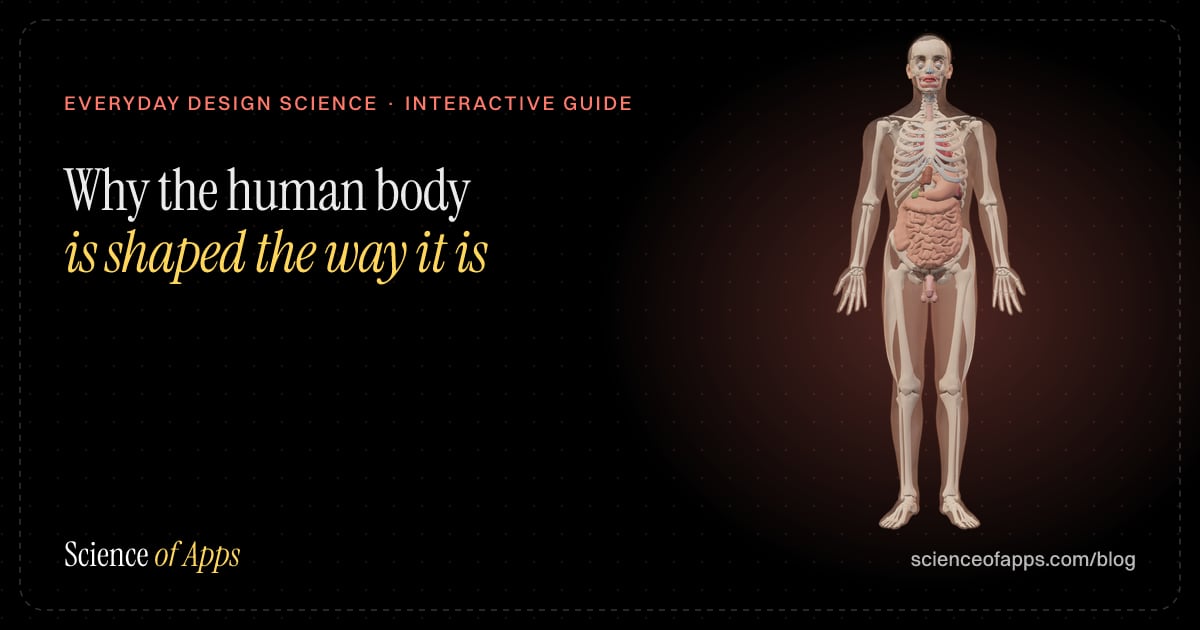
- Everyday design scienceWhy the human body is shaped the way it is: the design logic behind every partWhy is every body part shaped the way it is? Domes protect, tubes carry, folds add surface, levers move. The design logic of 164 parts, and which can be moved.
- Career guidesGerman for nurses moving to Germany in 2027: the B2 language requirement for recognition, patient communication, medical and care vocabulary, documentation and handover, and how to prepareGerman for nurses in 2027: the B2 requirement for recognition, patient talk, medical and care vocabulary, documentation, handover and how to prepare.
- App developmentWhy apps get rejected by the App Store, and how to fix itApple rejected 2 million+ submissions in its latest report, mostly for performance. The common App Store rejection reasons, guidelines and fixes.
- Career guides by Science of Apps for 2027Certifications for nurses in 2027: six that add skills beyond clinical credentials6 certifications for nurses in 2027 beyond clinical credentials: CPR and First Aid, Six Sigma, Data Analytics, Google PM, AI Essentials and coding.
- Career guides by Science of Apps for 2027SHRM-CP review for 2027: is it worth it, who it's for and the best alternativesSHRM-CP review for 2027: three-hour exam, eligibility, job value for HR professionals and how it compares with PHR, plus data and AI add-ons.
- Career guides by Science of Apps for 2027AWS Cloud Practitioner review for 2027: is it worth it, who it's for and the best alternativesAWS Certified Cloud Practitioner review for 2027: $100, 90 minutes, what it covers, who it suits and why most people should follow it with SAA.



Get the ideas, not the noise.
Sign up with Google and we’ll send you short UX psychology tips by email — why people tap, stall and leave, and what to do about it. Unsubscribe anytime. Prefer something to keep? Get the free Laws of UX guide as a PDF.